- Category
- Latest news
Iran Rejects Trump’s Midnight Ultimatum to Unblock the Strait of Hormuz
 Prefer U24 Media on Google
- Authors

-72b63a4e0c8c475ad81fe3eed3f63729.jpeg "Photo of Cyril Barabaltchouk")
Iran has shown no sign of yielding to US President Donald Trump’s midnight ultimatum, rejecting demands to unblock the Strait of Hormuz by Tuesday evening or face massive, crippling strikes on its civilian infrastructure, Reuters reported on April 7.
A senior Iranian source told Reuters that Tehran firmly rejected a temporary ceasefire proposal conveyed by international intermediaries. Instead of a temporary pause, Iran insists that any lasting peace talks can only begin after the US and Israel permanently end their strikes, guarantee they will not resume, and offer financial compensation for damages.
We bring you stories from the ground. Your support keeps our team in the field.
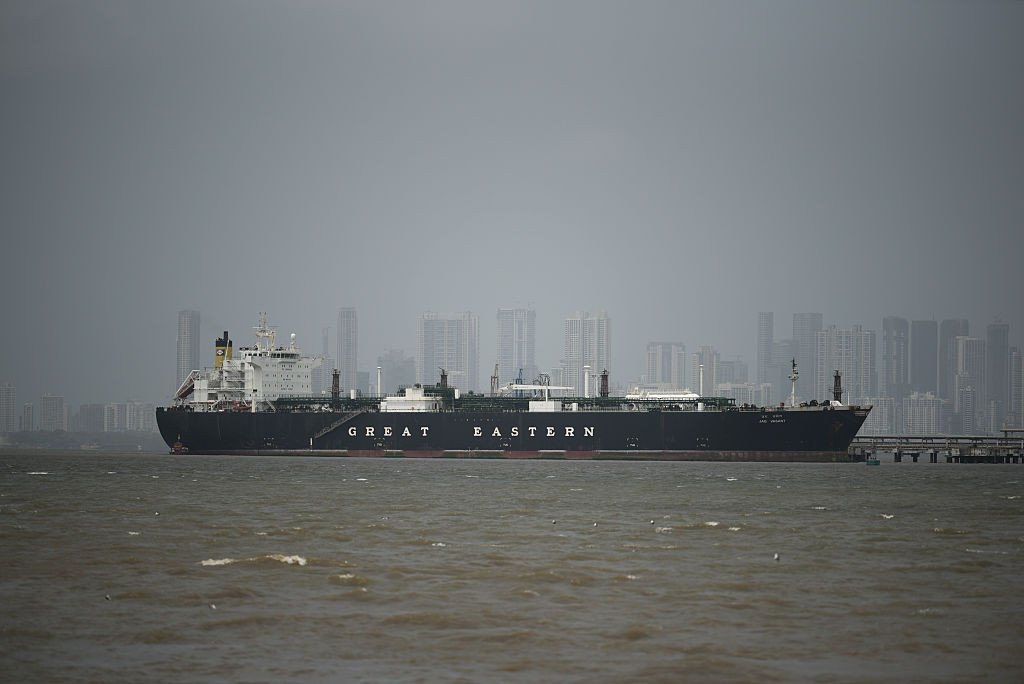
Crucially, the source stated that any future settlement must leave Iran in direct control of the Strait of Hormuz, allowing Tehran to impose transit fees on international shipping.
The Strait of Hormuz is widely considered the world’s most critical oil transit chokepoint. Located between Oman and Iran, it connects the Persian Gulf to the Gulf of Oman and the Arabian Sea, serving as the sole maritime route for energy exports from major Middle Eastern producers like Saudi Arabia, the UAE, Kuwait, and Iraq.
According to the US Energy Information Administration (EIA), roughly 20% of global petroleum liquids consumption—averaging over 20 million barrels per day—along with about one-fifth of global liquefied natural gas (LNG) trade, passes through its narrow waters. Because there are very few alternative pipeline routes, even a temporary disruption in the strait causes severe global supply delays, triggering massive spikes in energy prices, and jeopardizing international energy security.
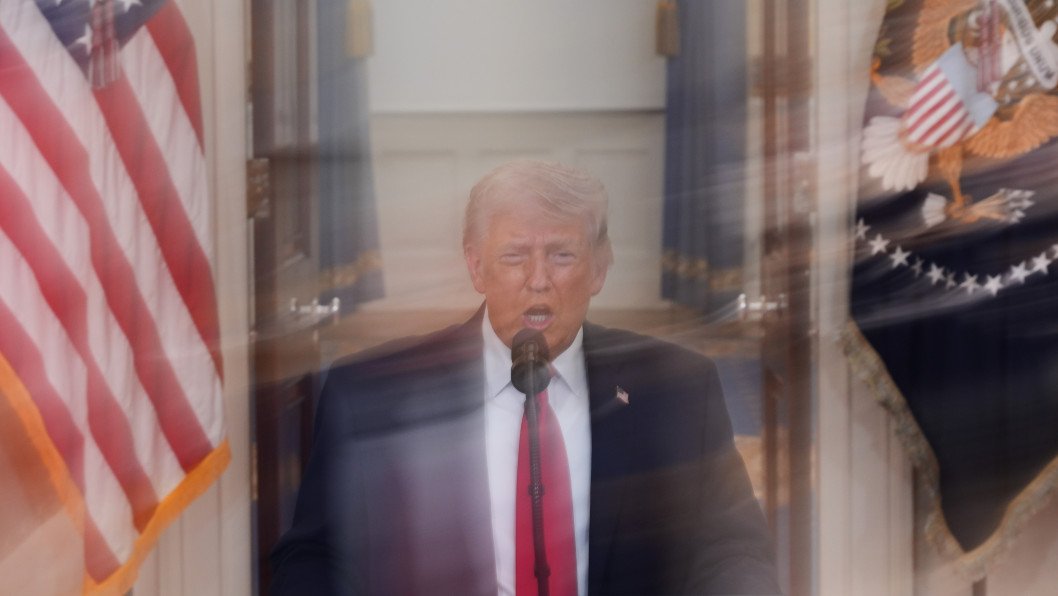
The standoff has essentially frozen global markets as investors wait to see if the US president will execute his threat or if it is another bluff. Trump has given Iran until 8 p.m. ET in Washington (3:30 a.m. Wednesday in Tehran) to end its blockade of the critical Gulf oil route, warning he will otherwise destroy every bridge and power plant in the country within four hours. In a social media post on April 5, Trump declared, “Open the [expletive] Strait… or you’ll be living in Hell – JUST WATCH!”
Iran’s UN envoy condemned the remarks as a direct incitement to terrorism and evidence of intent to commit war crimes, while Tehran warned it would retaliate by targeting the water and power infrastructure of US allies in the Gulf, according to Reuters.
The situation on the ground continues to deteriorate ahead of the deadline. In overnight attacks, the ancient Rafi-nia synagogue in Tehran was completely destroyed in what Iranian state media described as Israeli airstrikes, leaving Torah scrolls buried under rubble.
Meanwhile, Israel issued a direct warning to Iranian civilians in a Persian-language social media post on April 7, advising them to stay away from the nation’s railway networks, stating: “Your presence on trains and near railway lines endangers your life,” Reuters wrote.
Despite Pakistan’s efforts to broker a temporary ceasefire and reopen the strait, the gap between the two sides remains massive. Iran’s sweeping 10-point response demands a permanent end to the war, the lifting of all sanctions, funded reconstruction of damaged sites, and a completely new mechanism governing passage through the Strait of Hormuz, effectively upending the international waterway’s previous status.
The rejection of the temporary ceasefire proposal follows frantic last-ditch efforts by regional mediators to avert an unprecedented escalation in the Middle East.
US President Donald Trump had recently publicly warned of the complete destruction of Iran’s power grid during a White House press conference, declaring that every bridge and power plant would be decimated by midnight if the blockade continued.
Discuss this article: