- Category
- Latest news
Over 40 Countries Unite to Force Iran to Reopen World’s Most Critical Oil Route
 Prefer U24 Media on Google
- Authors


More than 40 countries have discussed coordinated diplomatic and economic measures to restore navigation through the Strait of Hormuz following its closure, according to CNN on April 2, citing a statement from the UK government.
We bring you stories from the ground. Your support keeps our team in the field.
UK Foreign Secretary Yvette Cooper, who convened the meeting, said participating countries were prepared to act jointly to address the disruption. “We are determined to take all possible diplomatic, economic and coordinated measures to restore shipping through the Strait,” Cooper said.
According to the UK Foreign, Commonwealth & Development Office, the meeting brought together countries from multiple regions, alongside international organizations including the European Union and the International Maritime Organization.
The talks focused on ensuring freedom of navigation and responding to what the UK described as a direct threat to global economic stability.
According to CNN, Cooper stated that Iran’s actions were targeting international shipping and affecting global energy markets, with consequences for fuel prices and broader economic conditions. “Iran is trying to hold the global economy hostage in the Strait of Hormuz. They must not prevail,” she said.
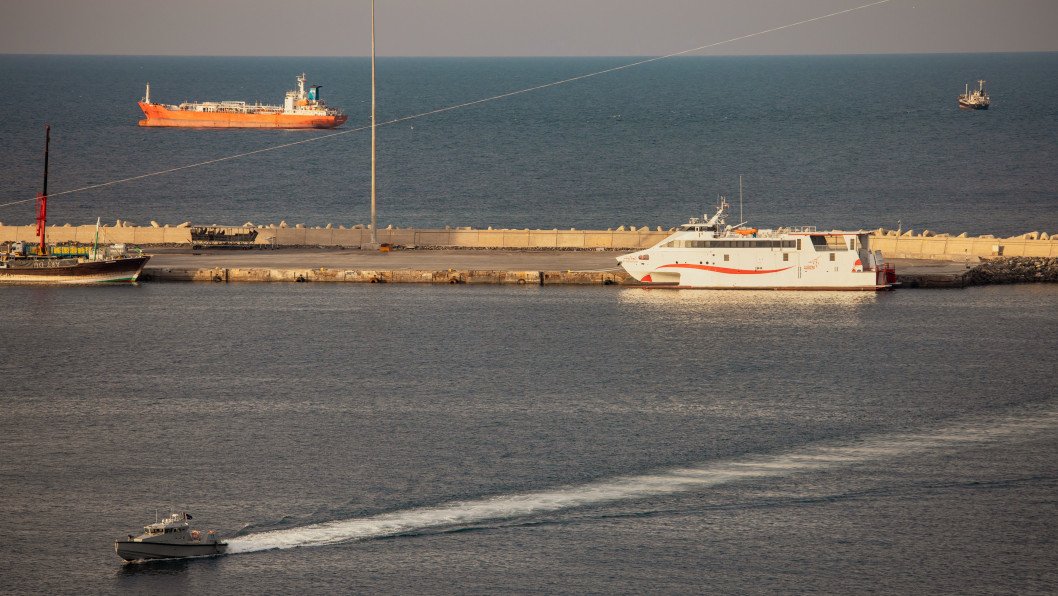
Participants discussed increasing diplomatic pressure through international mechanisms, including the United Nations, and exploring coordinated economic measures such as sanctions if the Strait remains closed. They also examined cooperation with maritime bodies to secure the release of vessels and crews currently unable to transit the waterway.
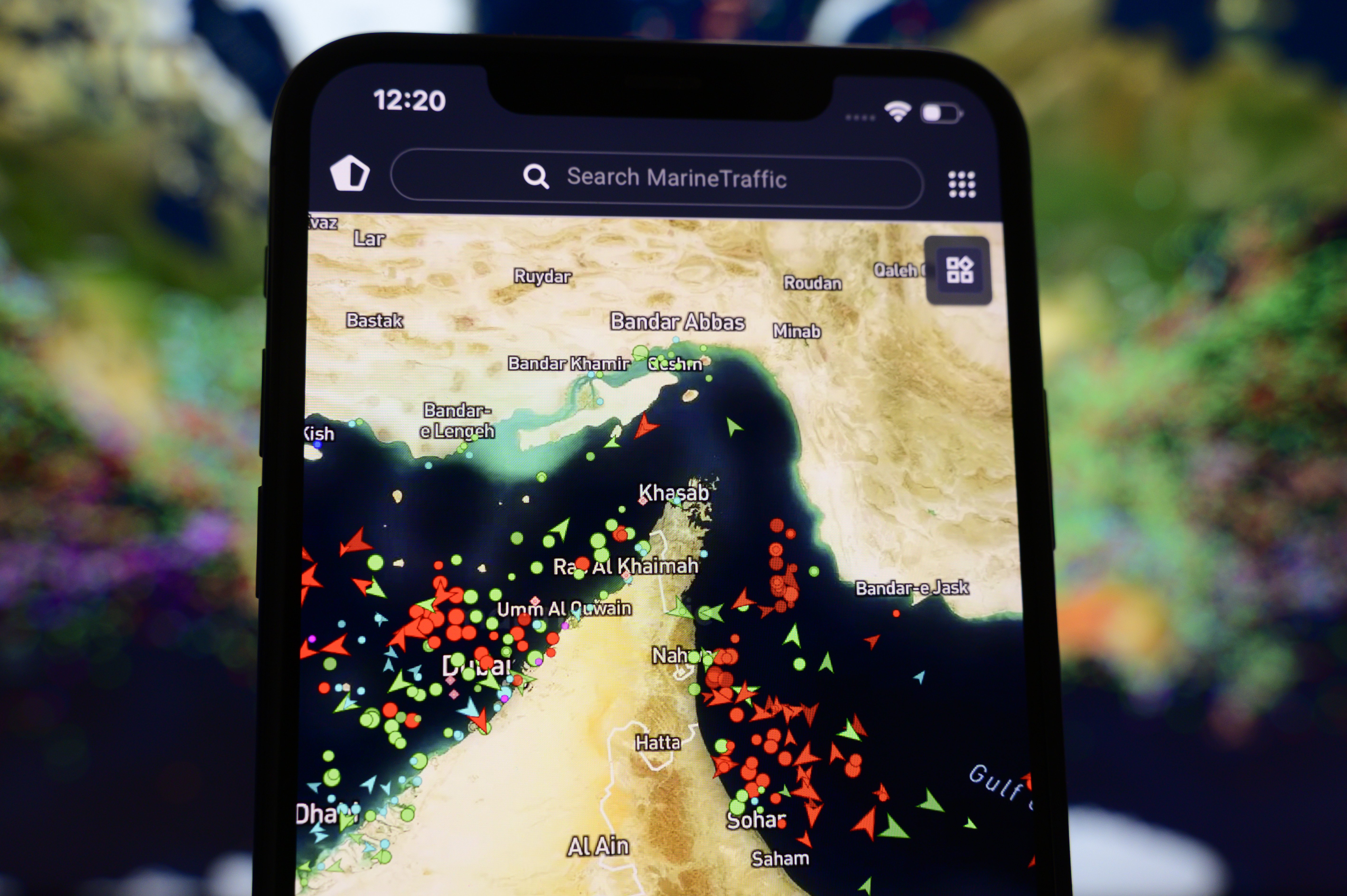
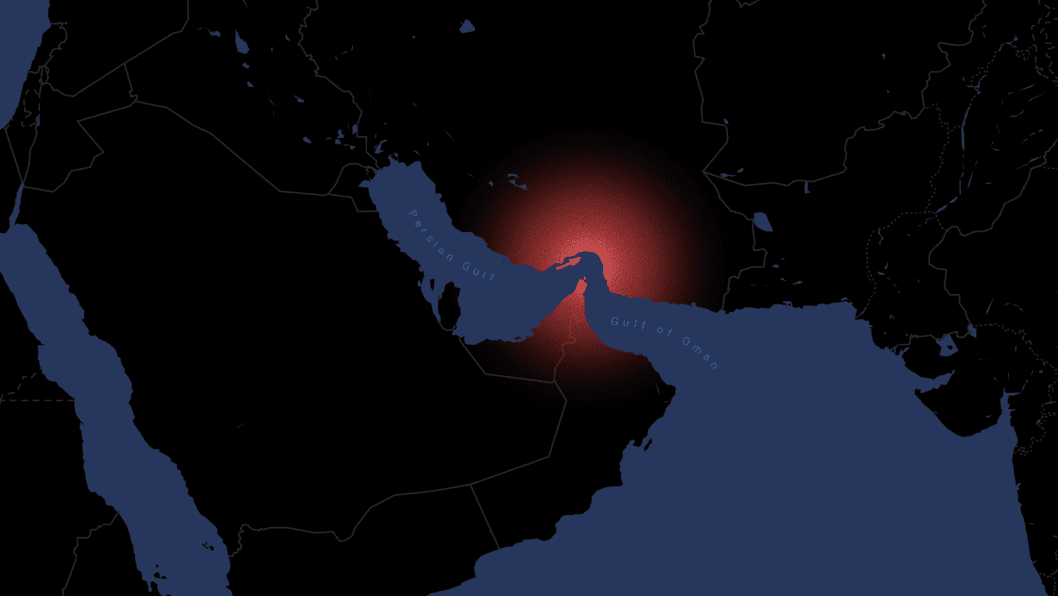
The Strait of Hormuz remains a critical global corridor, used for transporting oil, liquefied natural gas, and other essential goods. Disruptions in the area have immediate implications for global supply chains, energy prices, and food security.
The discussions also included measures to stabilize markets and improve coordination with shipping operators to maintain operational confidence amid the crisis. Further technical-level consultations between participating countries are expected.
The developments follow escalating tensions in the Middle East after Iran blocked the Strait in response to military actions by the United States and Israel. The waterway previously handled around one-fifth of global seaborne oil shipments, making its closure a major shock to global energy markets.
Earlier reporting indicated that continued disruption could affect global food supply chains, with the UN World Food Programme warning that up to 45 million additional people could face acute hunger if instability persists.
Discuss this article:
-9a7b3a98ed5c506e0b77a6663f5727c5.png)