- Category
- Latest news
UK Leads Global 35 Nation Coalition to Reopen the Strait of Hormuz
 Prefer U24 Media on Google
- Authors

-c439b7bd9030ecf9d5a4287dc361ba31.jpg "Photo of Katherina Popilnichenko")
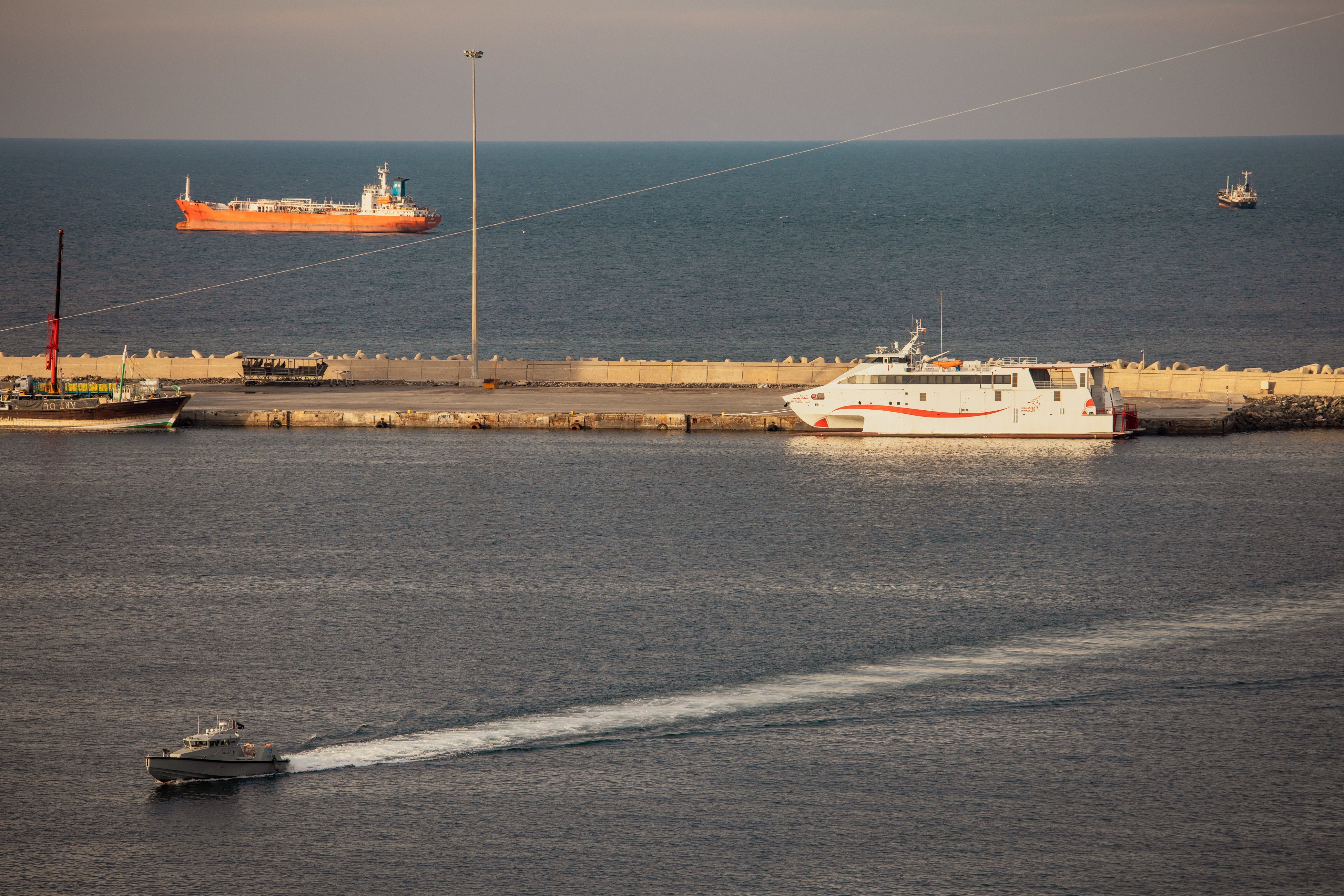
The United Kingdom has announced the assembly of a coalition including 35 nations to address the closure of the Strait of Hormuz.
Prime Minister Keir Starmer stated that the UK will host talks this week to discuss forming this alliance aimed at restoring shipping, according to Financial Times on April 1.
We bring you stories from the ground. Your support keeps our team in the field.
Foreign ministers will meet to explore ways to “ensure the accessibility and security of the strait after the cessation of hostilities.” Military officials are also scheduled to meet to evaluate specific options for naval operations.
Discussions regarding the resources each country might contribute involve France, the Netherlands, and several Gulf states. Potential measures include military escorts for commercial ships, mine clearing operations, and other actions to protect against potential Iranian attacks.
A representative from the Belgian Foreign Ministry noted that this initiative is similar to the capitalised created to ensure the security of Ukraine.
Previously, European nations had resisted calls to send naval forces to the region. However, the scale of the growing energy crisis and repeated pressure from the United States regarding NATO contributions have led these countries to reconsider their position and begin preparations for reopening the waterway.
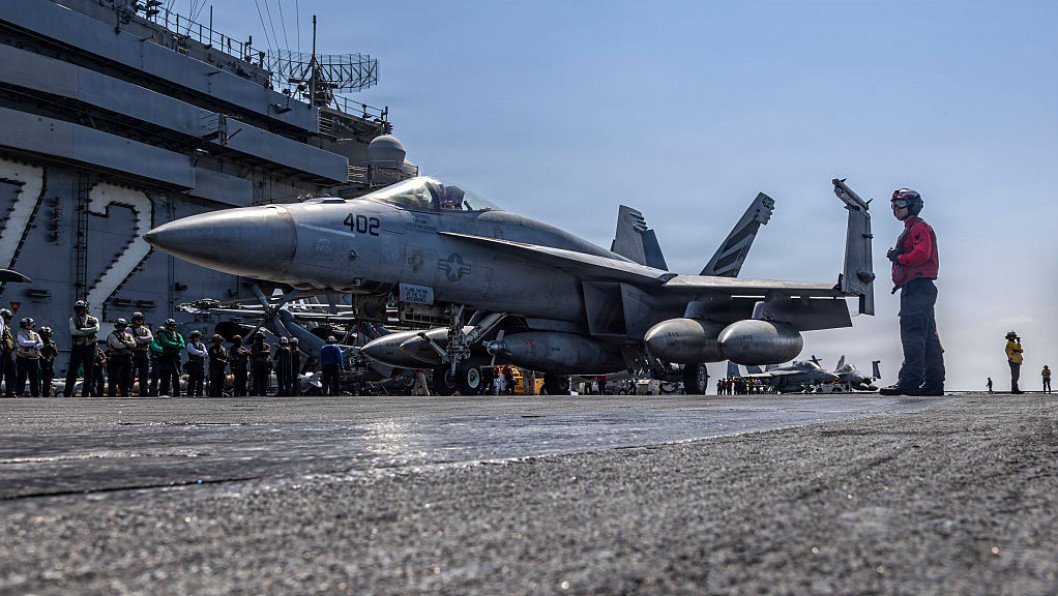
The coalition will operate outside of the NATO framework and is expected to include countries that are not members of the alliance. The United Arab Emirates is preparing to take an active role, urging European, Asian, and US partners to combine efforts for a forced reopening of the strait.
Additionally, the UAE and Bahrain are working toward a UN Security Council resolution that would provide a mandate for such actions. Some challenges remain in forming the fleet, as some nations have offered mine sweepers but lack the frigates necessary to provide them with cover.
During the talks organized by Britain, officials will assess all possible diplomatic and political measures to restore free navigation and ensure the safety of trapped ships and crews. Starmer stated that the operation will be exceptionally difficult regardless of how it is implemented.
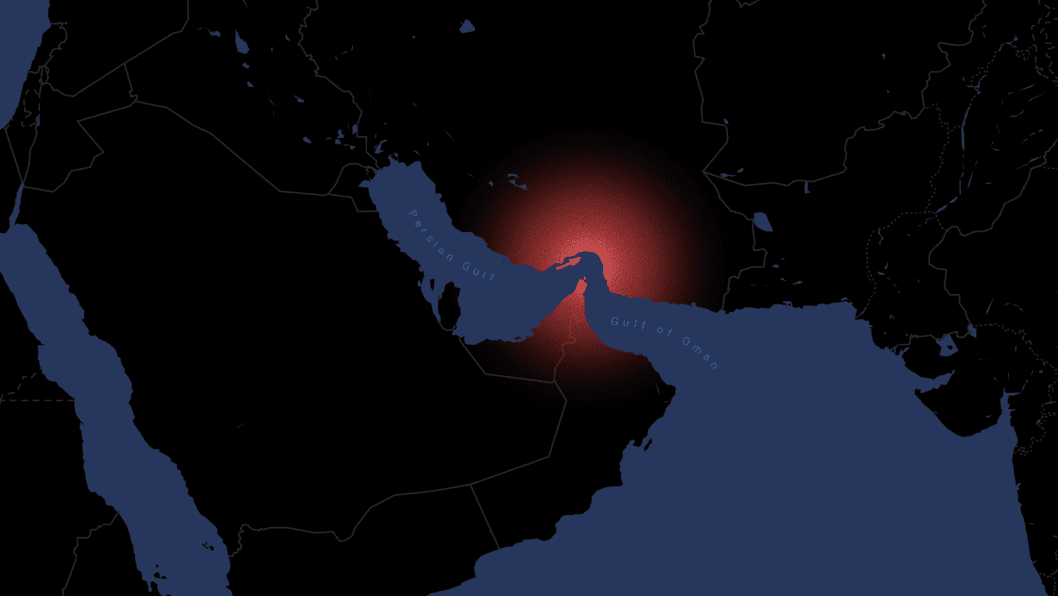
“In my opinion, one cannot assume with certainty that the de-escalation of the hostilities will necessarily lead to the safe opening of the Strait of Hormuz. I must be honest: it will not be easy,” Starmer said.
He further explained that the primary issue in the region is not the availability of insurance, but the “safety and security of passage.”
The G7 foreign ministers established a conditional framework for a new maritime security mission, stating that the operation to protect shipping in the Strait of Hormuz would only begin after the war in the Middle East concluded.
During their meeting, the member nations reached an agreement to defend the passage of vessels, emphasizing the necessity of maintaining international shipping lanes for the global economy.
French Foreign Minister Jean-Noël Barrot explained that a broad consensus existed regarding the protection of freedom of navigation, while German Foreign Minister Johann Wadephul confirmed that his country was ready to play a role in ensuring maritime safety once military actions ended.
Discuss this article:
-9bd5e1532102621f8fb1c4ba871a3171.png)