- Category
- Latest news
How the Middle East Crisis Provided a Financial Lifeline to Russia’s Oil Budget
 Prefer U24 Media on Google
- Authors

-c439b7bd9030ecf9d5a4287dc361ba31.jpg "Photo of Katherina Popilnichenko")
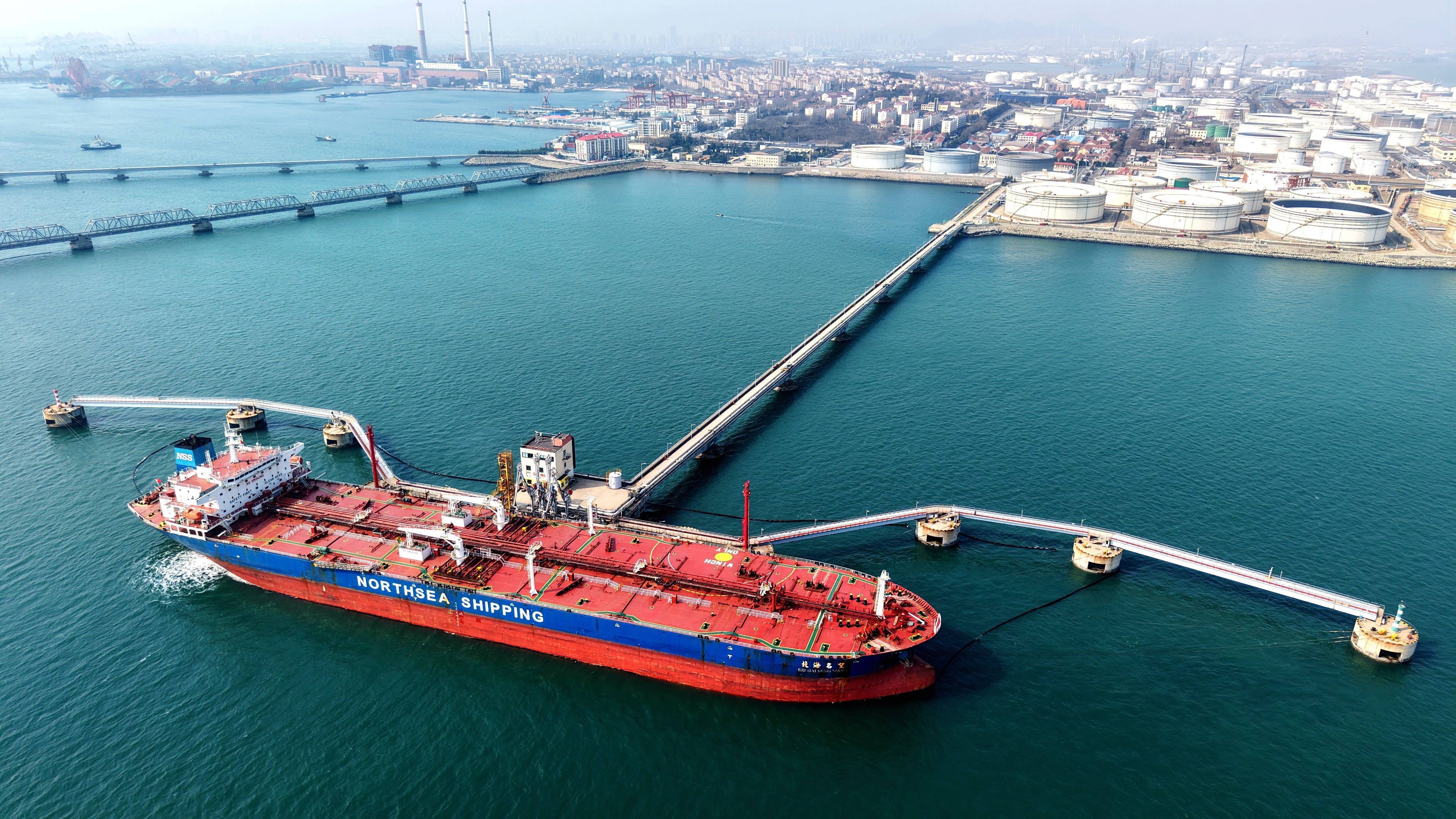
In just a few weeks, the Middle East crisis has become a critical lifeline for Russian authorities. While Russia’s budget deficit spiraled out of control in early 2026, the blockade of the Hormuz Strait—a transit point for 27% of global oil trade—triggered a sharp rise in crude prices.
This sudden "oil bonus" may allow the Kremlin to keep its annual deficit within the planned 1.6% and continue prioritizing military spending for Russia’s full-scale invasion of Ukraine, according to Interfax on March 24.
We bring you stories from the ground. Your support keeps our team in the field.
This gap was driven by a 47.1% drop in oil and gas revenues compared to the previous year, as the government had based its budget on an optimistic price of $59 per barrel for Urals crude.
Rising military expenditures, which grew by 5.8% in early 2026, further strained the economy. To cover these costs, the Kremlin has been drawing from the National Wealth Fund, which has seen its liquid assets reduced by more than half since the start of Russia’s full-scale invasion of Ukraine.
However, the recent escalation in the Middle East, including the blockade of the Hormuz Strait, has caused global oil prices to surge, with Brent crude stabilizing above $100 per barrel.
Russia stands to benefit from this disruption because its oil exports do not rely on the Hormuz Strait. The price of Russian Urals crude jumped from $45 in February to approximately $75 in March.
This price increase provides the Russian budget with roughly $1.63 billion in additional monthly tax revenue for every $10 increase in the price per barrel.
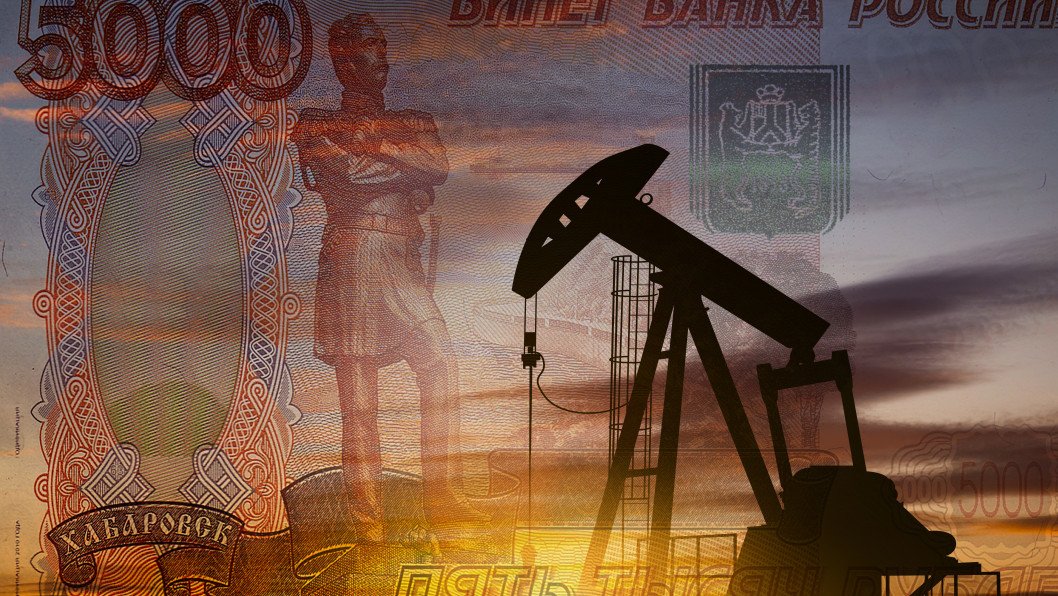
Sergey Vakulenko, a senior fellow at the Carnegie Russia Eurasia Center, noted, “In the end—if the price rises by $20 and holds for a month—the Russian state earns an extra three billion dollars. If it rises by $40 and holds for six months—an extra 38 billion.”
Despite this influx of cash, Russia’s domestic economy continues to face structural decline. The Central Bank’s Business Climate Index fell into negative territory in March for the first time since October 2022, signaling a contraction in production and demand.
High interest rates, currently at 15%, make borrowing expensive for businesses and citizens, while inflation remains a persistent threat following a recent VAT increase to 22%.
Economists suggest that while the high oil prices may help Russia meet its 2026 budget targets, they cannot fix the underlying stagnation of civilian industries.
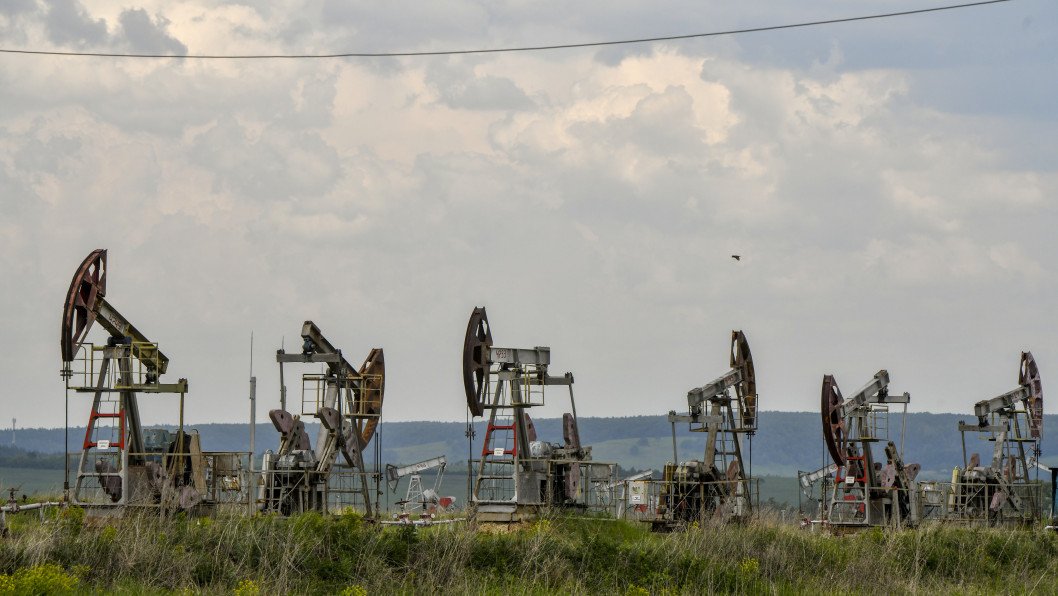
A leading economist at a Russian analytical center stated, “The plan for oil and gas revenues, which was in the original approved budget and was unrealistic due to the high price of oil and simultaneously too weak a ruble, now looks quite feasible, at least with a small shortfall.”
Moscow capitalized on soaring global oil prices triggered by Iran’s closure of the Strait of Hormuz and a US tariff waiver.
The combined surge in crude prices and export volumes delivered the largest weekly income jump for the Kremlin’s war chest since Russia’s full-scale invasion of Ukraine in 2022.
In the four weeks leading up to March 15, the gross value of Russia’s seaborne exports spiked to an average of $1.38 billion a week, while total export values reached $2.07 billion in the final seven days of that period.
Discuss this article: