- Category
- Latest news
Iran Names Its Price for Reopening Hormuz in Proposal to US and Israel
 Prefer U24 Media on Google
- Authors

-111f0e5095e02c02446ffed57bfb0ab1.jpeg "Photo of Roman Kohanets")
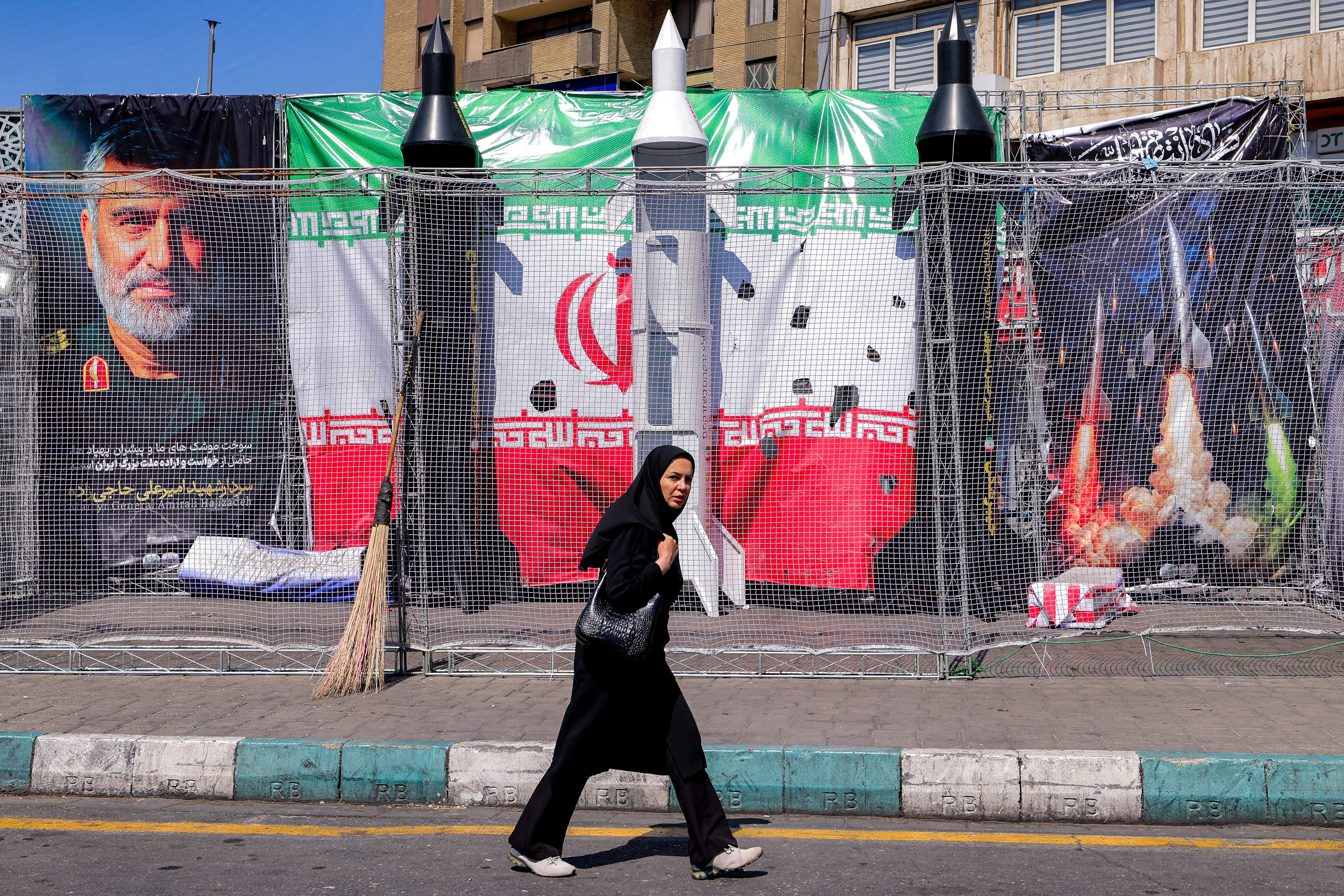
Iran presented the US and Israel with a 10-point proposal to end the war, rejecting a US-backed 45-day ceasefire plan in favor of a broader settlement, according to The New York Times on April 6.
The proposal was delivered through Pakistani mediators after roughly two weeks of internal deliberations in Tehran, the report noted, citing Iranian state media and senior officials.
We bring you stories from the ground. Your support keeps our team in the field.
Rather than accept a temporary truce, Iran pushed for terms aimed at producing a permanent end to the conflict and addressing what it views as its core security and strategic concerns.
The proposal, described by mediators from Pakistan, Egypt, and Turkey, tried to prevent a wider escalation and reopen the Strait of Hormuz to shipping.
With diplomacy faltering and both sides hardening their positions, the exchange underscored how far negotiations remain from a ceasefire, let alone a durable settlement.
Iran’s declared terms for ending the war
Full sanctions relief;
Financial support for reconstruction;
Guarantees against future attacks;
Safe navigation through the Strait of Hormuz;
An end to broader regional hostilities;
A permanent settlement instead of a 45-day ceasefire.
Terms addressing Tehran’s core security concerns.
US President Donald Trump described Iran’s response as “not good enough,” while also calling it a significant step, according to reporting on the talks.
He also reiterated that Tuesday’s deadline for a deal was final and warned that failure to reach an agreement could trigger broad US attacks on Iranian infrastructure.
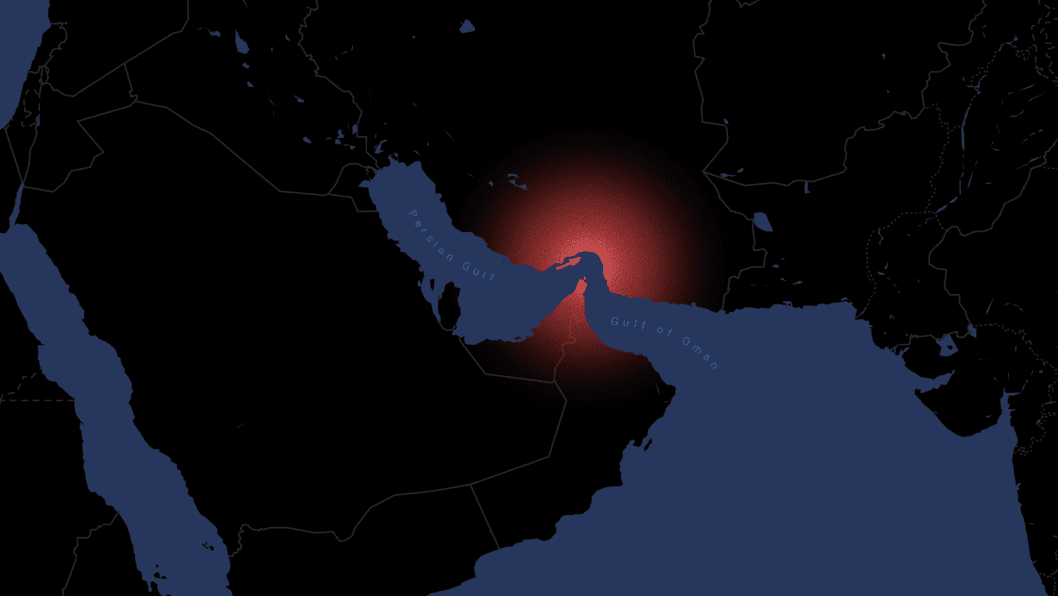
The diplomatic push also coincided with a broader multinational effort to restore shipping through the Strait of Hormuz.
More than 40 countries had already begun coordinating diplomatic and military pressure on Iran after Tehran effectively shut the Strait of Hormuz, the world’s most critical oil corridor, according to earlier reporting.
The UK emerged as a lead organizer as governments weighed naval escorts, mine-clearing operations, and other measures to restore shipping through the waterway.
The latest coalition effort built on those earlier moves, expanding beyond the initial Western and G7-led discussions into a broader international front aimed at reopening the route.
The strait carries roughly one-fifth of global petroleum flows, making any prolonged closure a direct threat to oil exports, shipping security, and international energy supplies.
Discuss this article: