- Category
- Latest news
Israel Targets Russian-Made S-300 Air Defense System Inside Iran, Footage Shows
 Prefer U24 Media on Google
- Authors


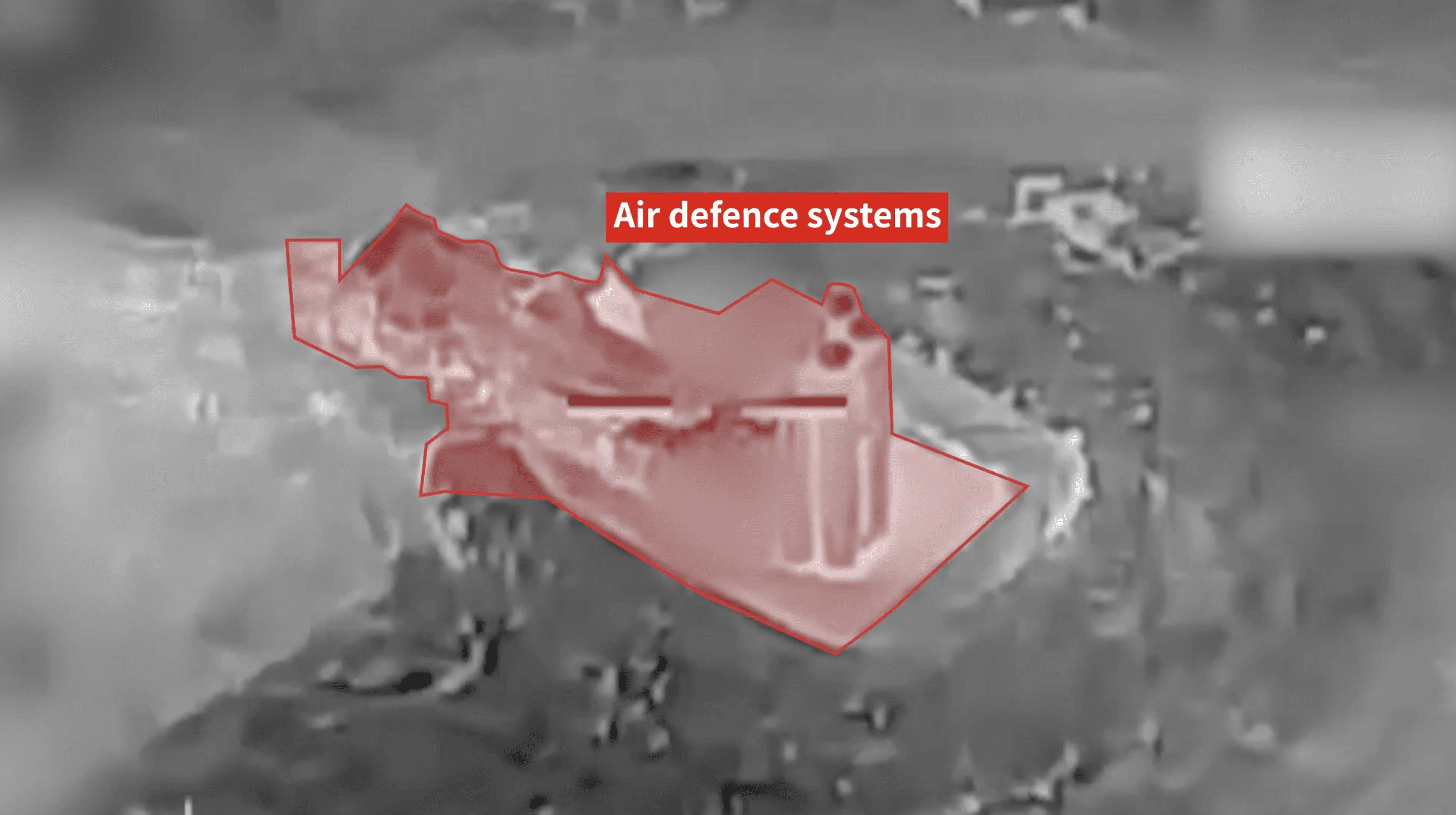
Israel has struck a Russian-made S-300 long-range air defense system deployed in Iran, according to footage released by the Israel Defense Forces (IDF).
We bring you stories from the ground. Your support keeps our team in the field.
According to Defence Blog on April 7, the IDF published video showing precision-guided strikes on Iranian military infrastructure, including what defense analysts identified as an S-300PMU system supplied by Russia.
The Israeli military did not disclose the exact location of the strike, but open-source observers suggest the system was positioned to protect strategic sites near the capital.
🎥✈️WATCH: How the IAF strikes Iranian terror regime air defense systems. pic.twitter.com/zO8zn0uB5c
— Israel Defense Forces (@IDF) April 7, 2026
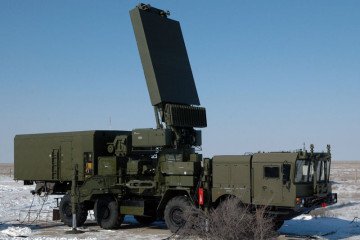
The S-300PMU is a Russian-designed long-range surface-to-air missile system delivered to Iran under a contract signed in 2007, with shipments completed in the mid-2010s. According to Army Recognition, the system forms part of Iran’s layered air defense network, intended to protect key military and nuclear-related facilities.
The system is designed to detect and engage aircraft, cruise missiles, and certain ballistic threats at distances of up to 125–150 kilometers, depending on configuration. A standard S-300 battery typically includes surveillance and engagement radars, a command post, and multiple mobile launchers.
Earlier, Iran began adopting drone warfare tactics increasingly similar to those used by Russia in Ukraine, Ukrainian military personnel said during a visit to Washington, DC, according to Defense One on March 27.
Ukrainian troops noted that Tehran has shifted toward sustained, repeated drone and missile strikes targeting not only military objectives but also infrastructure, mirroring Russia’s attrition-focused strategy, while analysts from the Institute for the Study of War observed a move toward more decentralized operations and greater autonomy for local commanders.
Discuss this article:
-9a7b3a98ed5c506e0b77a6663f5727c5.png)