- Category
- Latest news
Is Iran Fighting Like Russia Now? Ukraine Says Yes
 Prefer U24 Media on Google
- Authors


Iran has begun adopting drone warfare tactics similar to those used by Russia in Ukraine, Ukrainian military personnel said during a visit to Washington, DC, according to Defense One on March 27.
Speaking at an event hosted by the German Marshall Fund, Ukrainian troops warned that Tehran’s approach to aerial attacks has evolved significantly over the past year, increasingly resembling the strategy Russia has employed throughout its war against Ukraine.
We bring you stories from the ground. Your support keeps our team in the field.
“Iran, North Korea, China, and Russia—that’s all one war,” one member of the visiting delegation said, describing what they see as a growing alignment among US adversaries.
According to the Ukrainian military, Iran has shifted away from large, one-off strikes toward a more sustained campaign of smaller, repeated attacks using drones and missiles.
“Now, those tactics are very similar to the Russians we’re fighting,” one Ukrainian servicemember said.
🇮🇷⚡️ Iran launches 82nd wave of “Operation True Promise 4,” targeting US bases in the Gulf
— WAR (@warsurv) March 26, 2026
The Islamic Revolutionary Guard Corps says kamikaze drones struck multiple US-linked sites, including areas near Arifjan, Al Kharj, and a supply depot.
Reported targets include:
▪️… pic.twitter.com/BxaKSAuNYG
Rather than focusing solely on high-value military targets, Iran is increasingly striking a wider range of objectives—including civilian and economic infrastructure—areas that are often more difficult to defend consistently.
According to Defense One, analysts from the Institute for the Study of War (ISW) have documented similar trends, noting that Tehran has decentralized its operations and given local commanders greater autonomy, effectively allowing them to “fire at will.”
This approach mirrors Russia’s attrition strategy in Ukraine, which seeks to impose long-term economic and political pressure by targeting infrastructure and civilian systems.
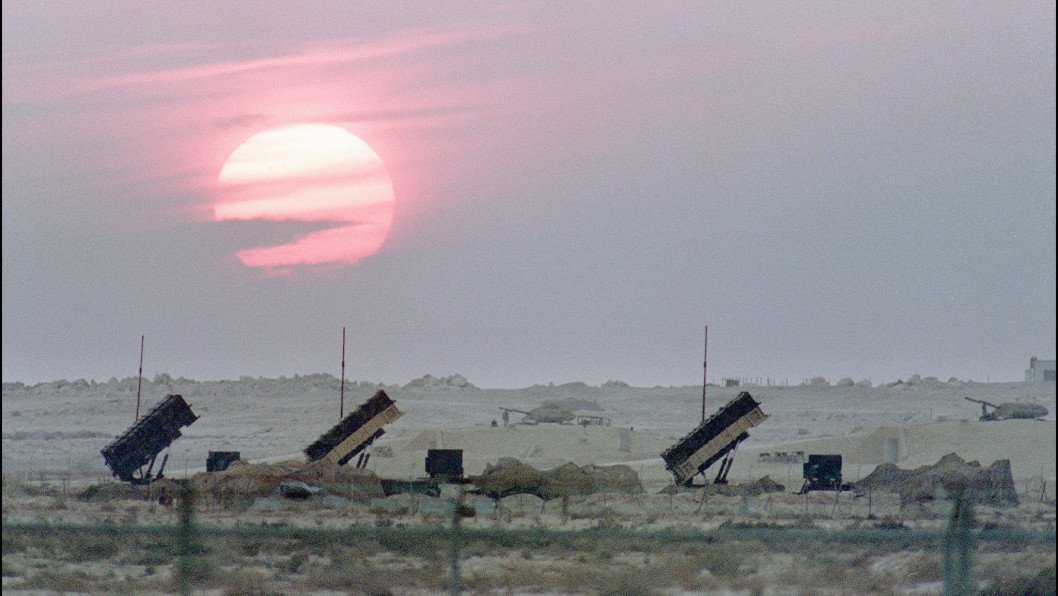
According to ISW, Iran appears to be pursuing a similar objective: outlasting the United States rather than defeating it in a direct military confrontation.
Despite US and Israeli defenses successfully intercepting many attacks—including a major Iranian response to US strikes on nuclear facilities last June—the evolving tactics have still led to casualties, damage to military bases, and broader operational disruptions.
Ukrainian officials also pointed to what they described as ongoing cooperation between Moscow and Tehran.
The visiting delegation reiterated earlier claims from US intelligence and European officials that Russia is providing Iran with targeting intelligence.
Ukrainian President Volodymyr Zelenskyy previously stated that Russia had supplied Iran with Shahed-136 drones ahead of recent escalations involving US and Israeli forces.
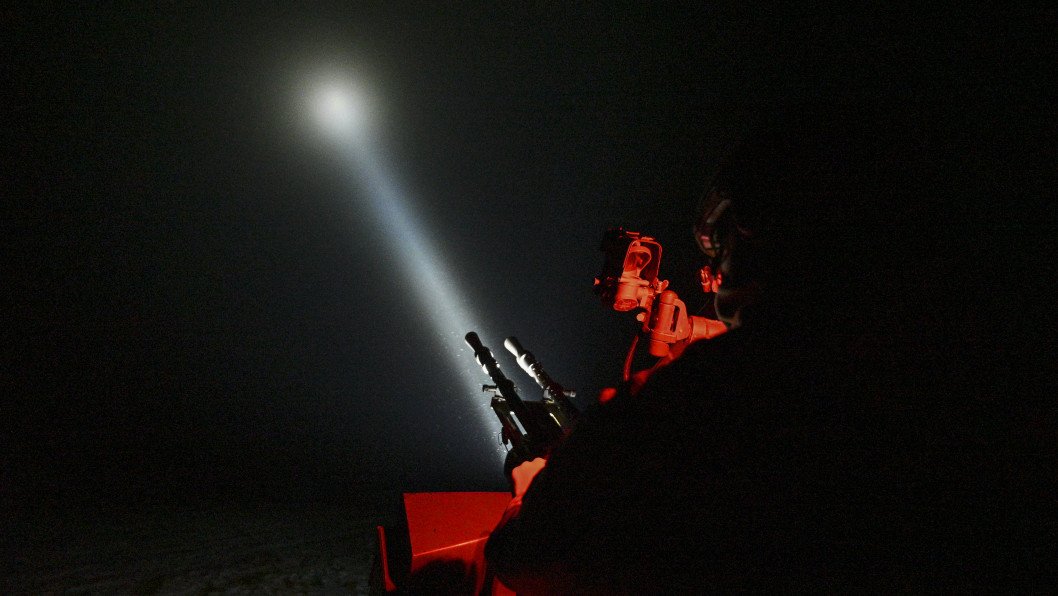
At the same time, Ukrainian troops warned that the broader geopolitical environment is complicating the situation.
Ukrainian personnel said they recently met with Pentagon officials involved in counter-drone efforts and the Defense Department’s “drone dominance” initiative.
Senior US military leaders have openly praised Ukraine’s battlefield innovation, with Space Force Lt. Gen. Steven Whitney describing it as “out of this world.”
Earlier, reports emerged that Russia started delivering attack drones to Iran, marking a new phase in military cooperation between the two countries.
The deliveries began in early March—just days after US and Israeli strikes on Iranian targets—and are expected to be completed by the end of the month. The total number of drones transferred has not been disclosed.
Discuss this article:
-9bd5e1532102621f8fb1c4ba871a3171.png)


-c439b7bd9030ecf9d5a4287dc361ba31.jpg "Photo of Katherina Popilnichenko")