- Category
- Latest news
Can US Gulf Allies Stop Iran’s Missile Barrage—or Will the System Crack?
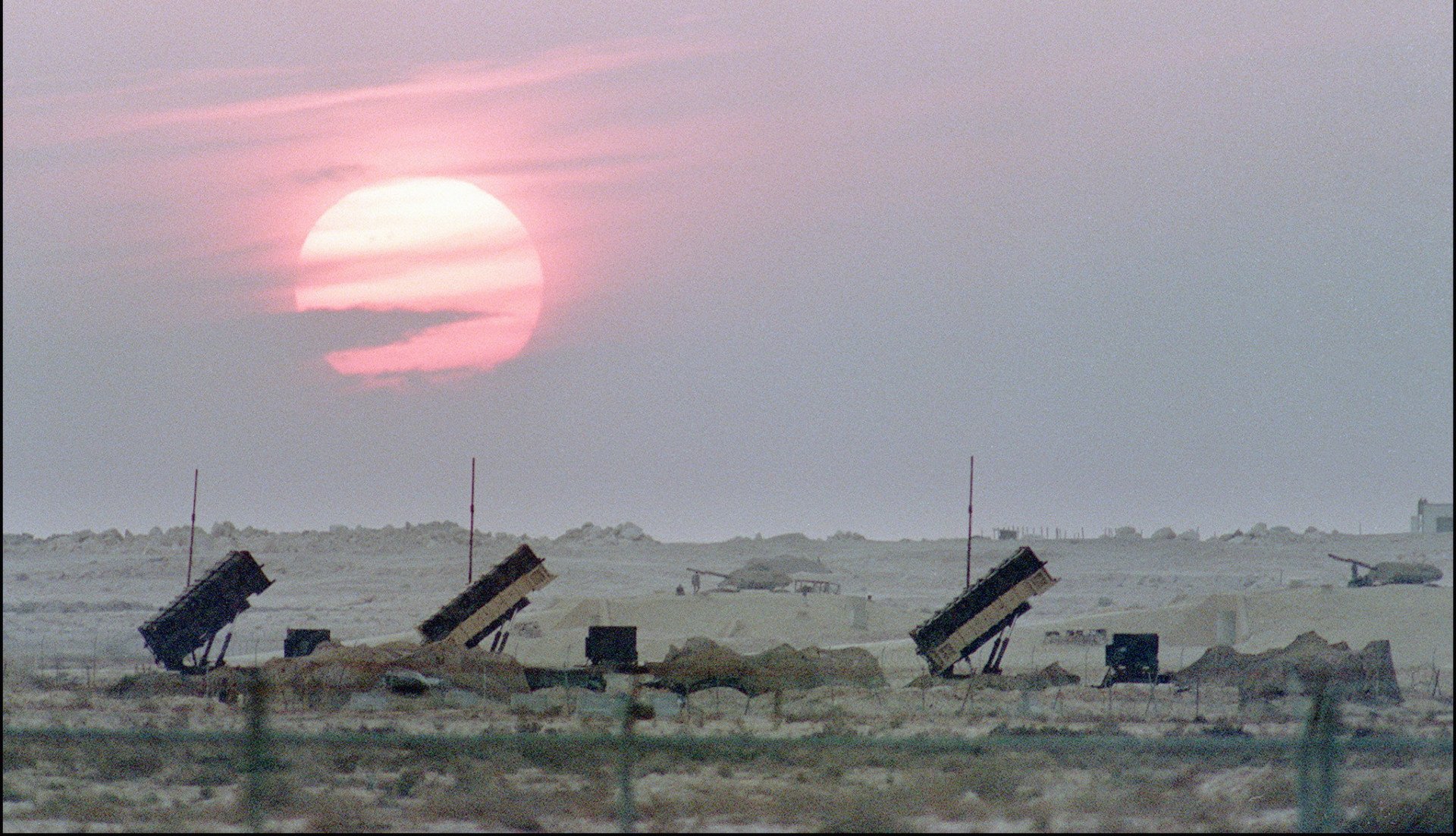
The oil-rich states of the Persian Gulf have built one of the most advanced air and missile defense networks on the planet—but recent combat experience suggests even this layered shield may struggle against a sustained Iranian drone and missile assault, raising urgent questions about the security of US forces and allies across the region.
 Prefer U24 Media on Google
- Authors


The Arab states of the Persian Gulf have spent decades—and hundreds of billions of dollars—building one of the densest air and missile defense architectures in the world, according to Militarnyi on March 26.
We bring you stories from the ground. Your support keeps our team in the field.
Fueled by oil revenues, countries such as Saudi Arabia, the United Arab Emirates, and Qatar have deployed layered systems capable of intercepting drones, cruise missiles, and ballistic threats.
But as Militarnyi notes, the real test of these defenses is no longer theoretical—it is unfolding in real-world conditions shaped by mass drone warfare.
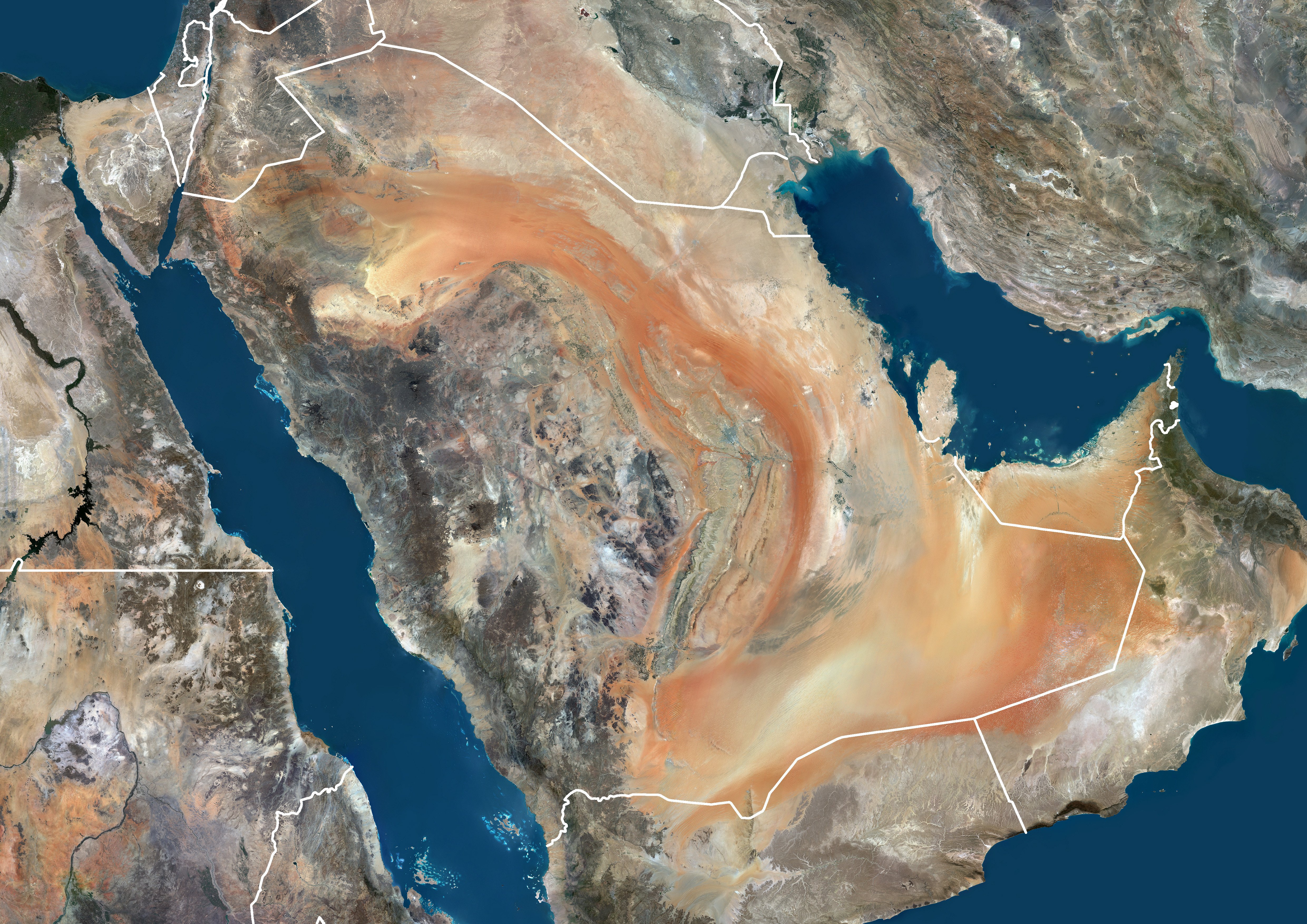
Region-wide air defense network backed by the US
A key advantage of Gulf defenses lies not just in hardware, but in integration.
As Militarnyi highlights, Bahrain, Kuwait, Oman, Qatar, Saudi Arabia, and the UAE are connected through the Hizam Al-Taawun network, allowing them to share radar data and maintain a unified air picture.
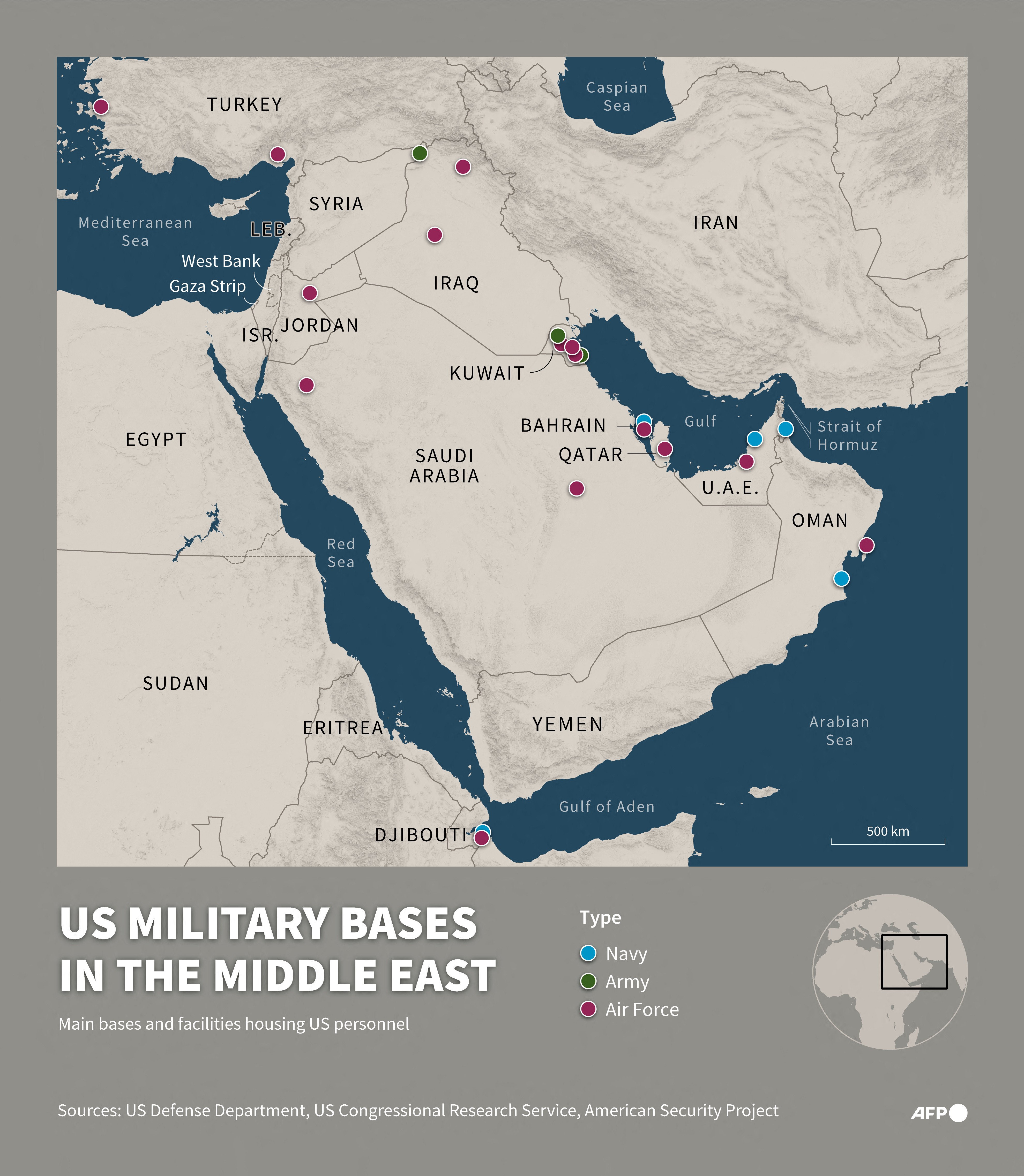
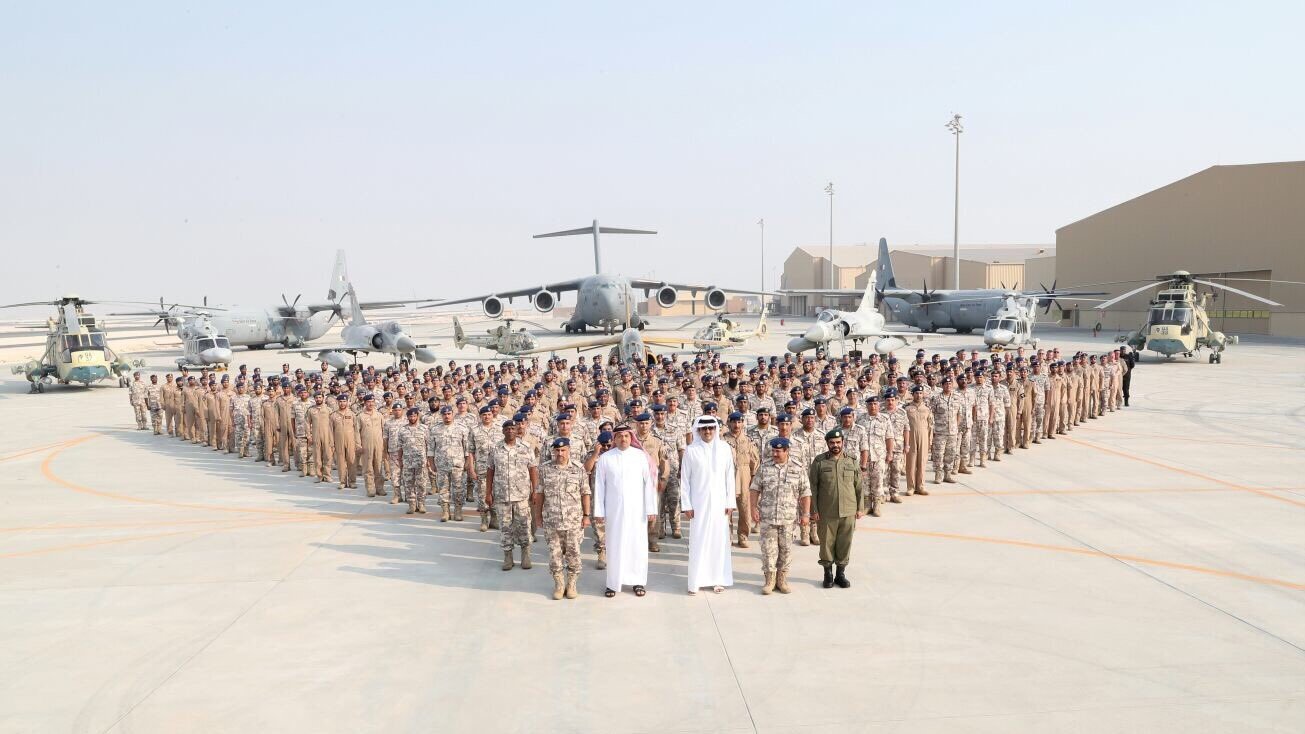
This architecture is reinforced by the US presence in the region. In early 2026, US Central Command and regional allies established a joint air defense task force at Al Udeid Air Base in Qatar to enhance coordination and real-time response.
According to US officials, the system enables multinational training, joint threat response, and centralized early warning—functions that are critical in the event of a large-scale missile or drone attack.
Militarnyi notes that this command infrastructure now includes representatives from 17 countries, making it one of the most integrated air defense coordination hubs globally.
Saudi Arabia’s layered shield
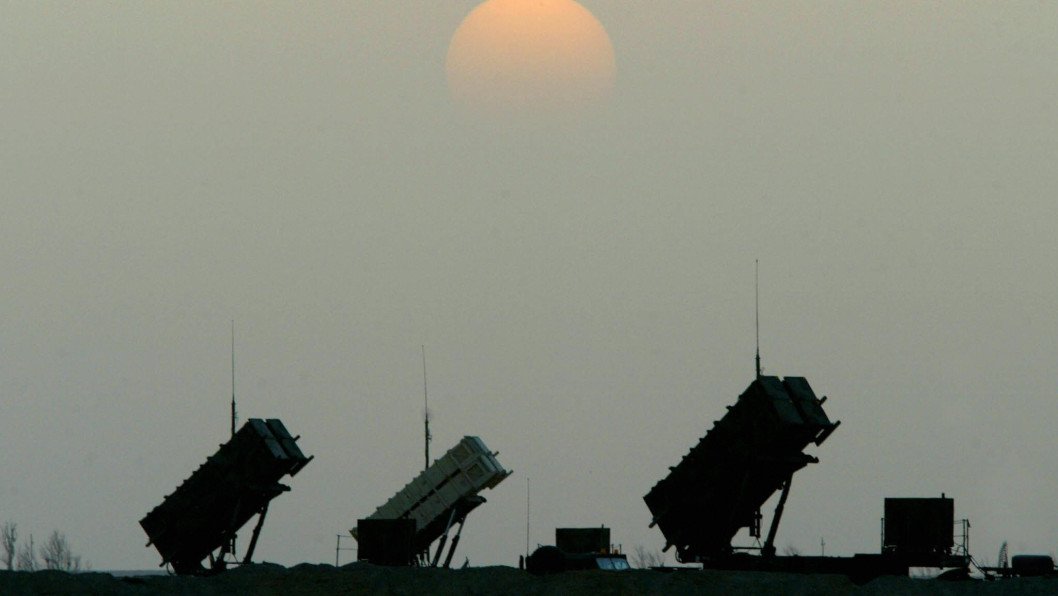
Saudi Arabia fields the most extensive air defense system in the region, anchored by 24 Patriot PAC-3 batteries, according to Militarnyi.
These systems are supported by medium-range Hawk systems and a large number of short-range platforms, creating a multi-layered defensive grid.
The kingdom is also deploying the THAAD missile defense system, designed to intercept ballistic missiles at high altitude, with several batteries expected to be fully operational by 2026.
Saudi Arabia’s air defense forces officially inducted their first THAAD missile defense battery after completing training and testing.
— Clash Report (@clashreport) July 2, 2025
The $15 billion deal, signed during Donald Trump’s first term, includes 7 THAAD batteries with 44 launchers, 360 interceptors, 16 command units,… pic.twitter.com/DezT4bmdHC
Airpower as a critical layer
Saudi air defense is not limited to ground-based systems. Its air force plays a central role in interception.
According to Militarnyi, the Royal Saudi Air Force operates:
72 Eurofighter Typhoon fighters;
232 F-15 variants (including F-15SA, F-15SR, and F-15C/D);
around 80 Tornado IDS aircraft.
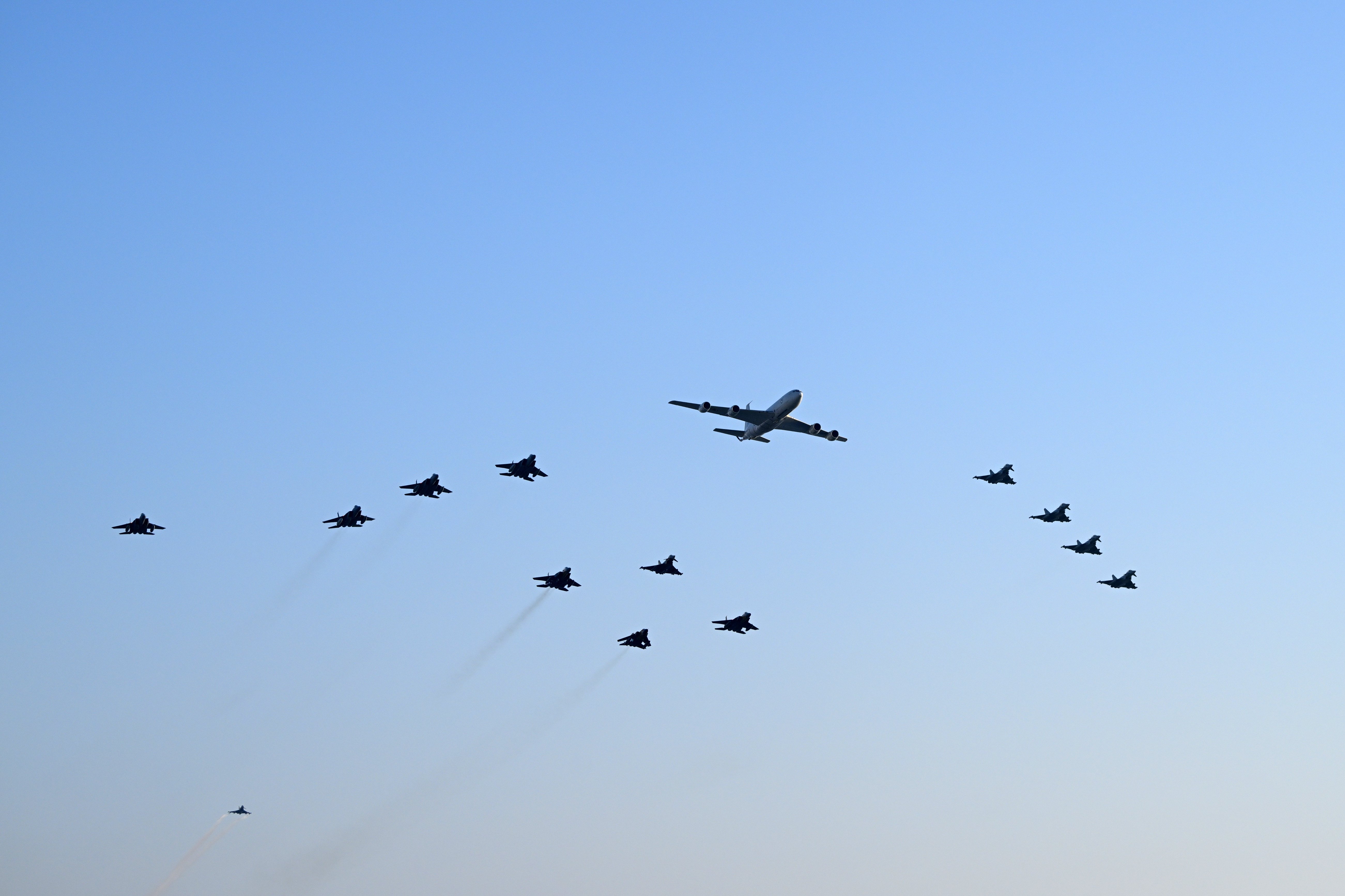
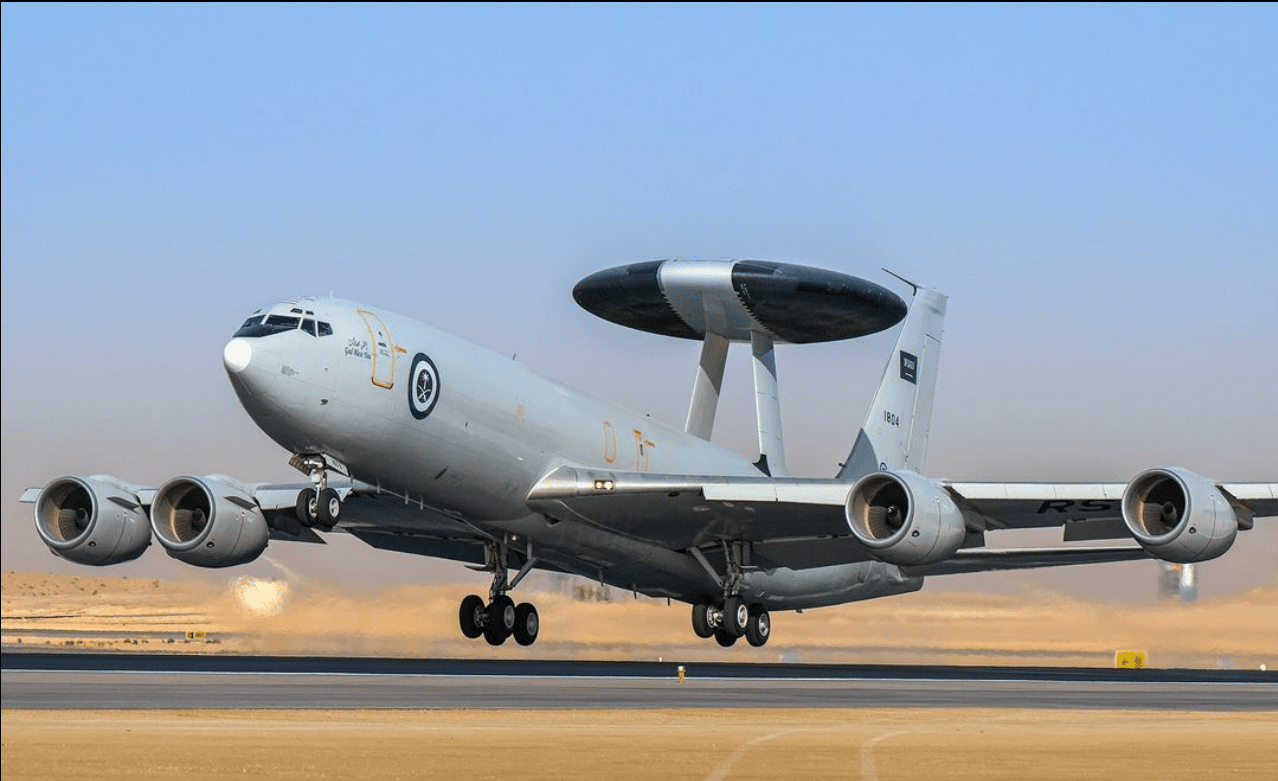
In addition, the country operates E-3A airborne early warning aircraft, significantly enhancing detection and coordination capabilities.
Militarnyi emphasizes that Saudi Arabia often acquires export aircraft in their most advanced configurations, with systems that influenced later US platforms such as the F-15EX.
Naval air defense capabilities
Saudi Arabia’s navy also contributes to air defense—particularly in coastal zones and maritime approaches.
Its fleet includes:
3 Al Riyadh-class frigates equipped with Aster-15 surface-to-air missiles;
4 Al Madinah-class frigates with short-range air defense systems;
5 Avante-class corvettes equipped with Mk-41 vertical launch systems for ESSM missiles.
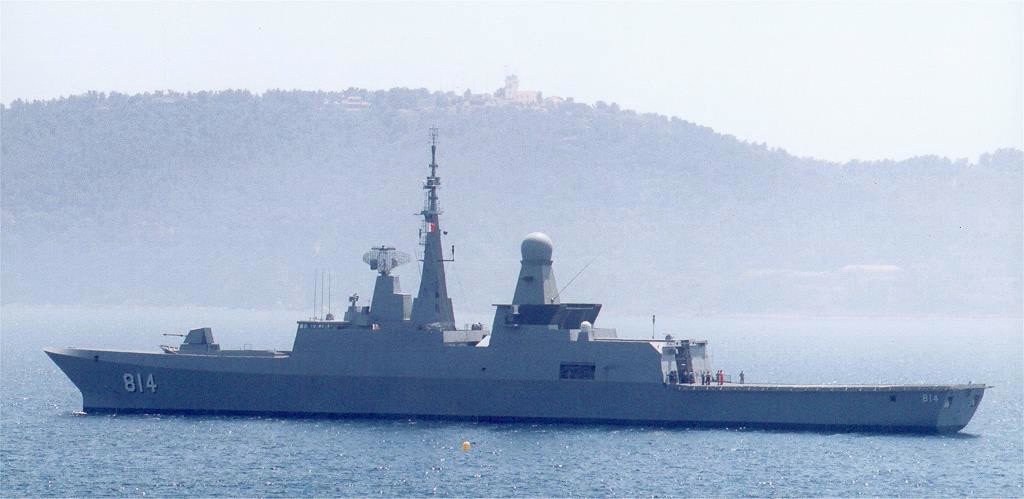
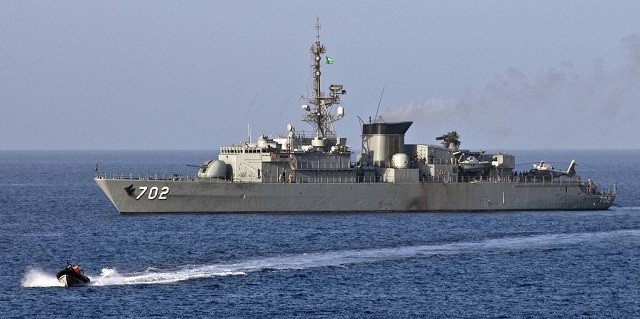
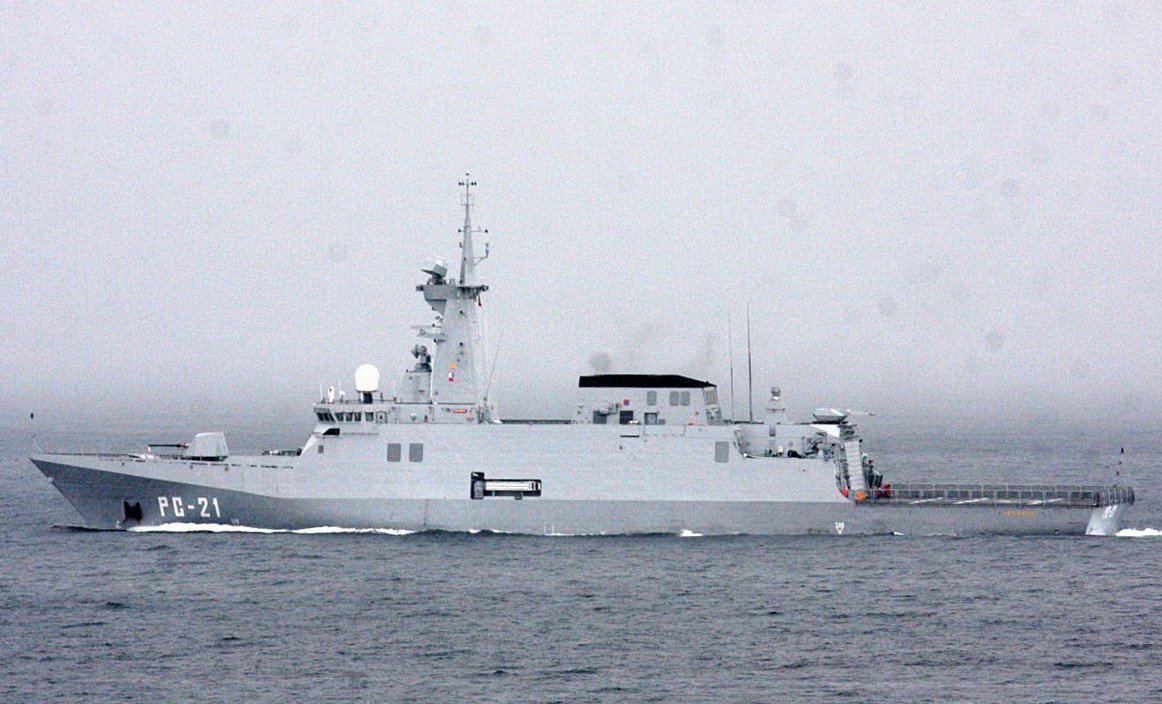
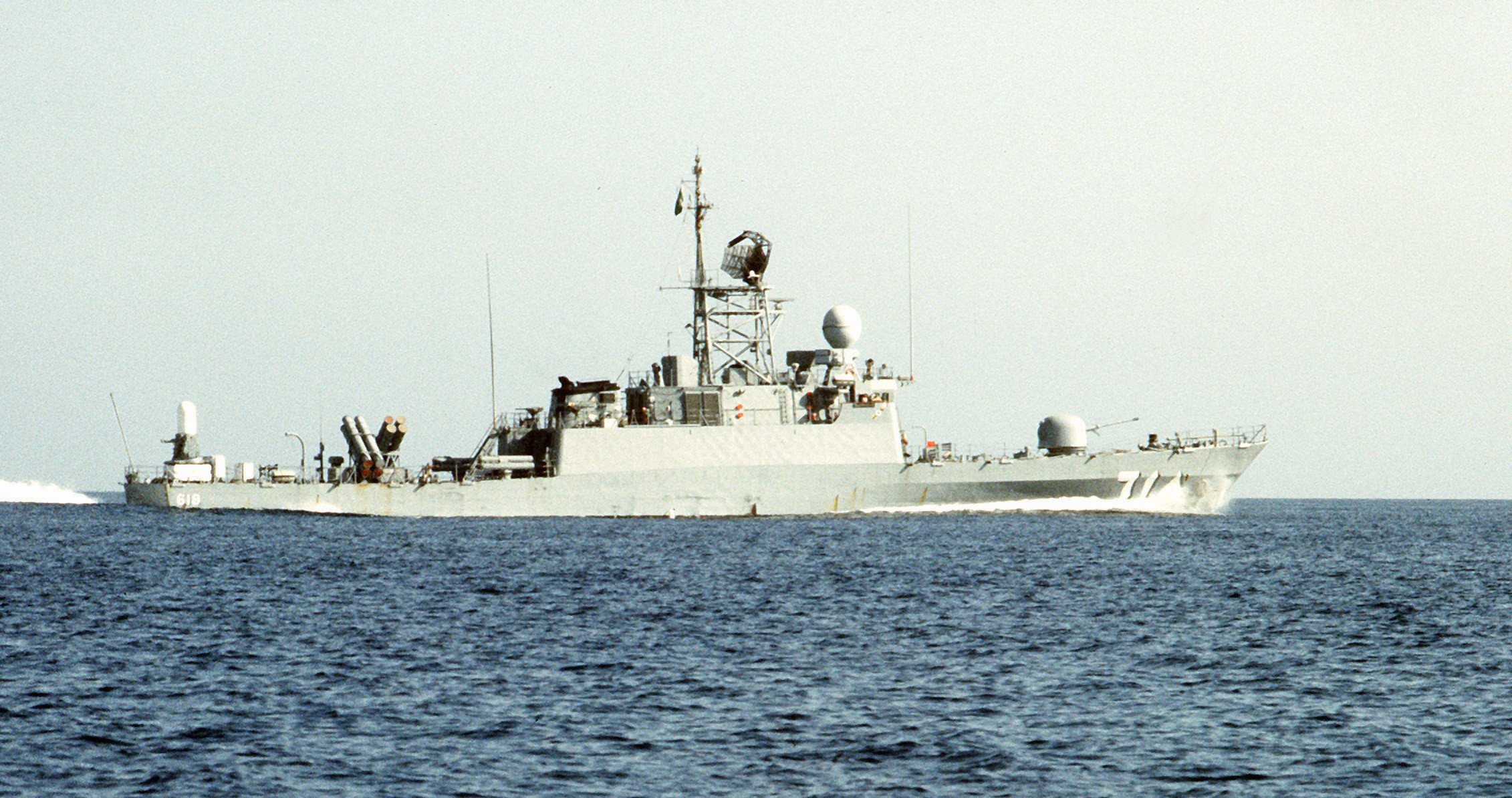
While not a primary air defense force, these ships add an important layer of protection against drones and cruise missiles targeting coastal infrastructure, according to Militarnyi.
UAE—compact but highly advanced defense system
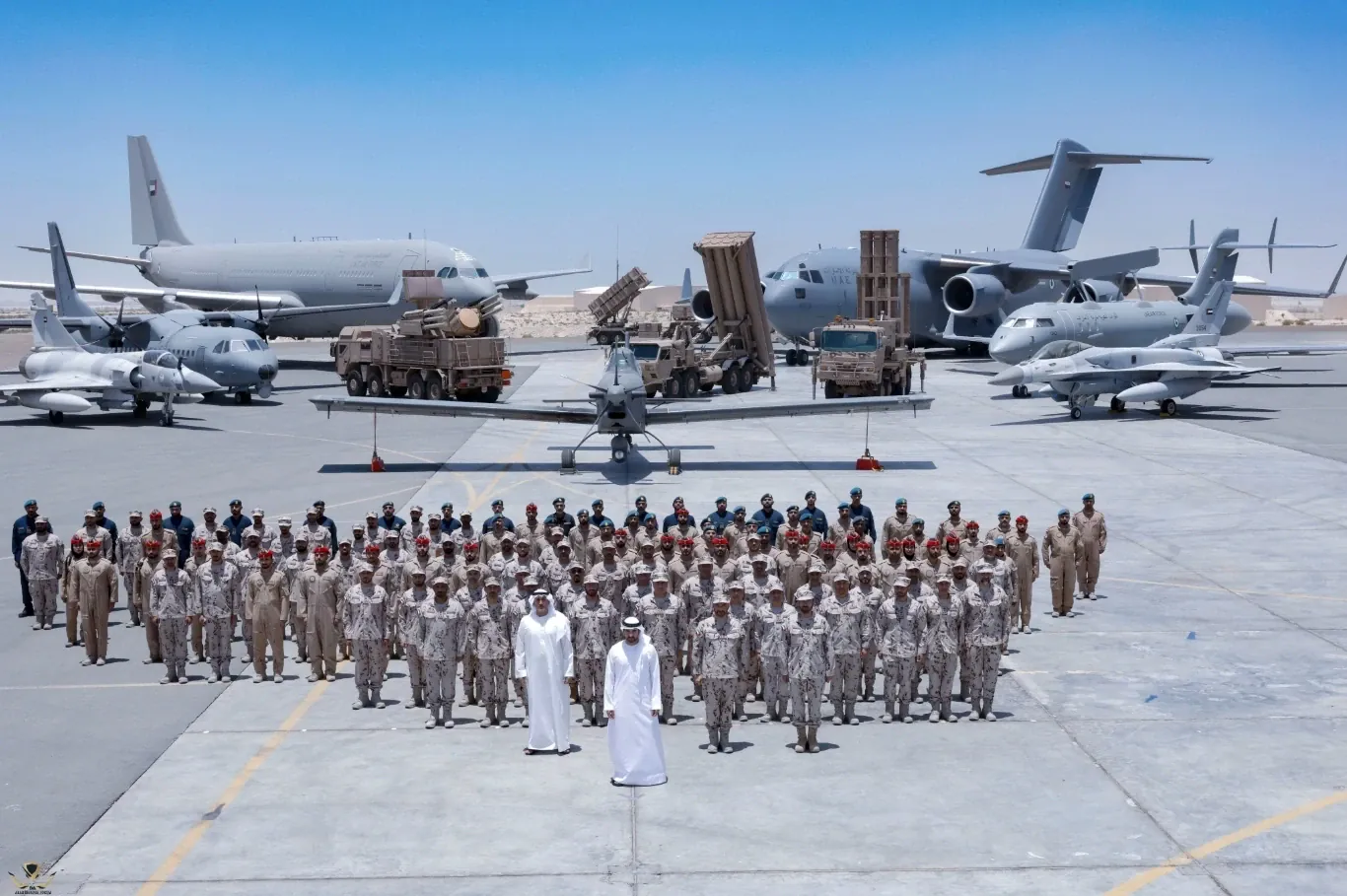
The United Arab Emirates has built the second-most capable air defense network in the region.
According to Militarnyi, it operates:
9 Patriot PAC-3 batteries;
THAAD systems;
additional missile defense systems, including South Korean Cheongung-II.
The UAE was the first country outside the US to deploy THAAD in an operational role.
Air Force capabilities
The UAE’s air force adds another powerful defensive layer:
55 F-16 Block 60 fighters
44 Mirage 2000-9 aircraft
80 Rafale fighters on order (deliveries expected from 2026)
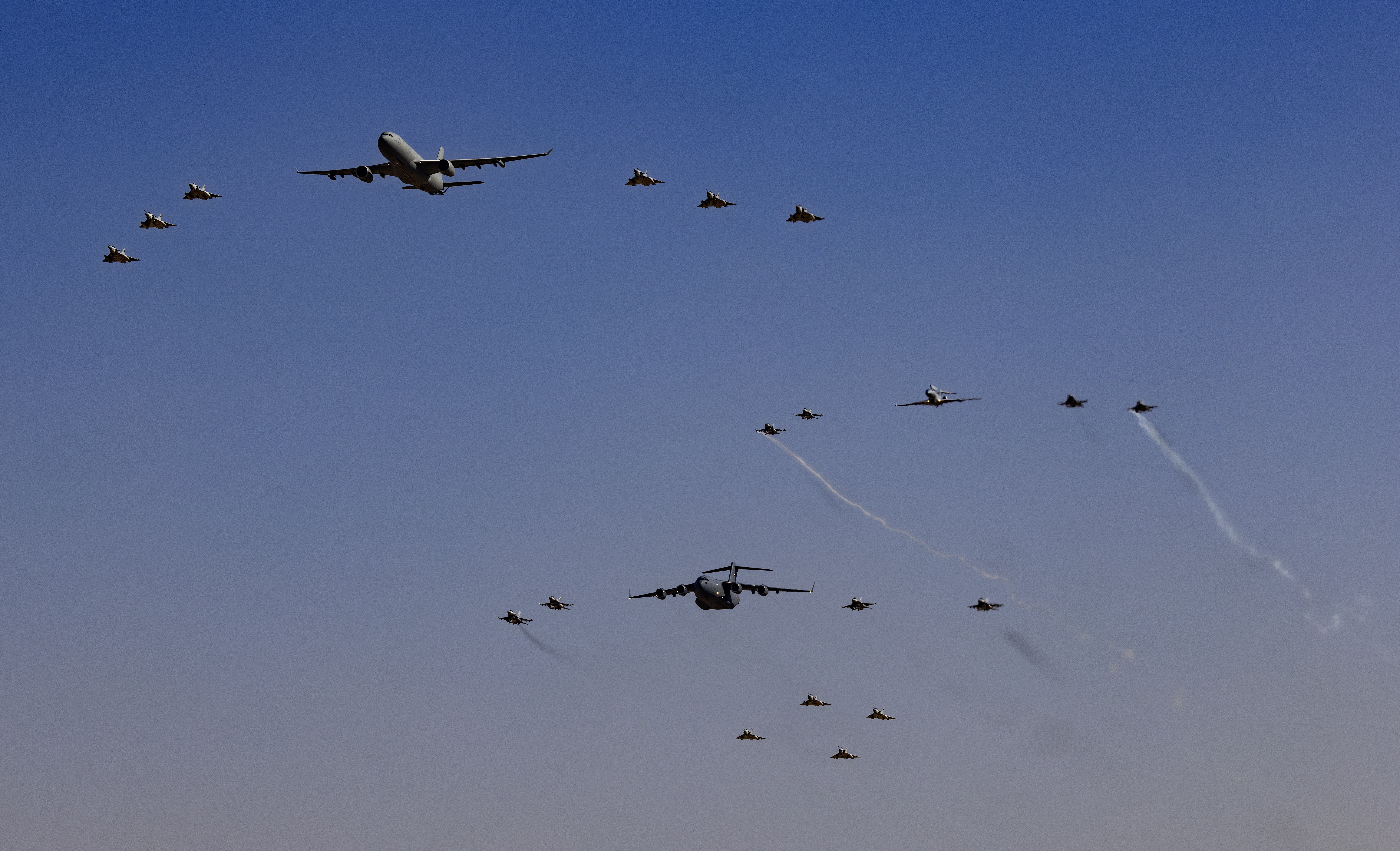
It also operates Global 6000 AEW aircraft, providing advanced airborne early warning capabilities.
Naval Forces and coastal defense
Although relatively small, the UAE Navy is modern and well-armed.
Its fleet includes:
Bani Yas-class corvettes with VL MICA air defense missiles;
Baynunah-class corvettes equipped with RIM-116 systems;
multiple patrol vessels capable of contributing to short-range air defense.
According to Militarnyi, these naval platforms play a key role in defending maritime infrastructure and shipping routes.
Qatar—small state, dense defense
Qatar has built one of the most concentrated air defense systems relative to its size.
According to Militarnyi, it operates:
10 Patriot PAC-3 batteries;
NASAMS systems;
advanced counter-drone systems, including FS-LIDS and Coyote interceptors.
Very intense work of Patriot air defense systems at Qatar’s Al Udeid Air Base against Iranian missiles. pic.twitter.com/AJQ1dEFWoq
— Special Kherson Cat 🐈🇺🇦 (@bayraktar_1love) February 28, 2026
Airpower density
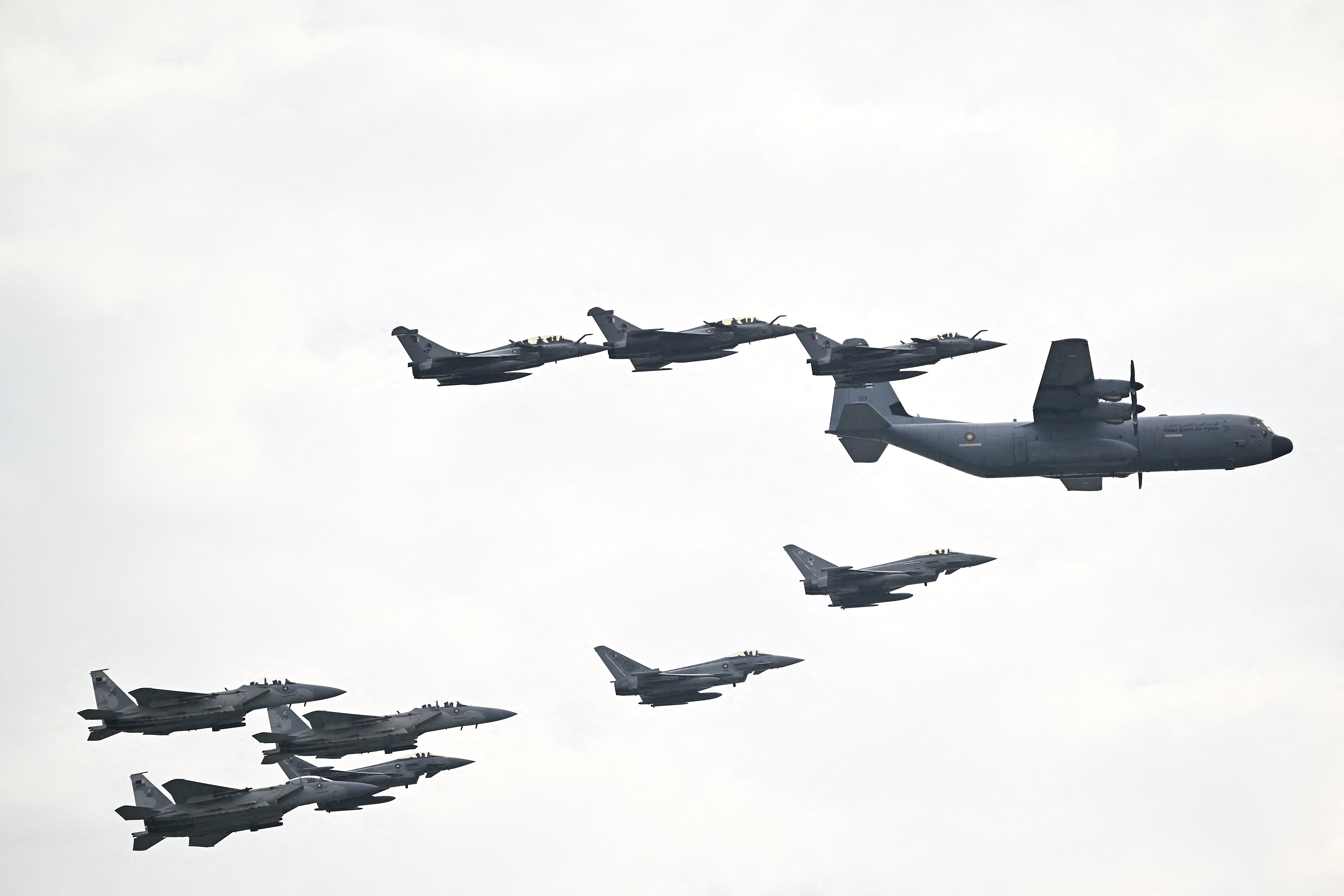
Qatar’s air force is one of the most heavily equipped per capita:
36 Eurofighter Typhoon;
36 F-15QA;
36 Rafale fighters.
Naval air defense role
Qatar’s navy also contributes significantly:
Doha-class corvettes equipped with Aster 30 missiles capable of intercepting both aerodynamic and ballistic targets;
Additional patrol vessels and missile boats supporting coastal defense.
Photo of the final (4th) #QatariEmiriNavy Al Zubarah-class (known also as Doha-class) corvette Sumaysimah (F-104) in La Spezia, Italy June, 2023. The same 3,200 ton corvette (FCX-30 design) is proposed by @Fincantieri for the @NavyGR corvette program (3+1), equipped with VL… pic.twitter.com/tjNvx1DVFF
— Naval Analyses (@D__Mitch) August 18, 2023
Kuwait and Bahrain—smaller but integrated
Kuwait fields:
8 Patriot PAC-3 batteries;
5 Hawk systems.
Its air force includes:
17 Eurofighter Typhoon (with more on the way);
27 F/A-18C/D fighters, with F/A-18E Super Hornet replacements expected.
❗️🇮🇷⚔️🇰🇼 - Video footage from the vicinity of Kuwait International Airport shows Kuwaiti air defense systems launching interceptors against incoming aerial threats amid ongoing Iranian missile and drone attacks on Gulf targets.
— 🔥🗞The Informant (@theinformant_x) March 24, 2026
Moments after the launch, a bright explosion… pic.twitter.com/SKmWEdvyGt
Bahrain, despite its size, operates:
Patriot systems and short-range defenses;
17 F-16C/D Block 40;
16 F-16V Block 70 fighters.
Its navy includes US-supplied frigates equipped with SM-1 missiles, providing limited but meaningful air defense capability.
🇧🇭An air defense forces base in #Bahrain has become a target of Iranian drones.#MiddleEast pic.twitter.com/PaXqifn5YE
— News.Az (@news_az) March 20, 2026
Weak link—mass drone warfare
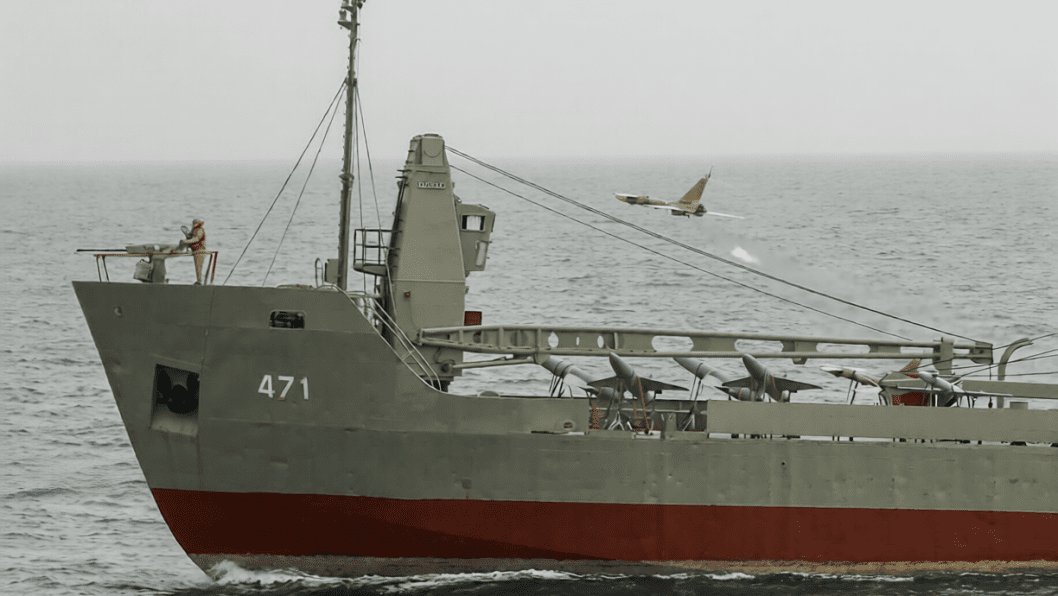
Despite the scale of these systems, Militarnyi highlights a critical vulnerability: mass drone attacks.
Even highly defended countries have struggled to intercept Iranian-designed drones, exposing gaps in short-range defense and response saturation.
The UAE has explored acquiring thousands of interceptor drones from Ukraine, while other countries in the region are considering similar measures.
Militarnyi stresses that the key limitation in prolonged conflict is not the number of systems, but the availability of interceptor missiles.
🇮🇷⚡️ Iran launches 82nd wave of “Operation True Promise 4,” targeting US bases in the Gulf
— WAR (@warsurv) March 26, 2026
The Islamic Revolutionary Guard Corps says kamikaze drones struck multiple US-linked sites, including areas near Arifjan, Al Kharj, and a supply depot.
Reported targets include:
▪️… pic.twitter.com/BxaKSAuNYG
What it means for US bases
The Gulf’s air defense network is essential for protecting US military installations across the region.
However, as Militarnyi notes, Iran’s ability to launch large-scale, multi-vector attacks—combining drones, cruise missiles, and ballistic missiles—raises the risk of overwhelming even layered defenses.
This has increased focus on integration, early warning, and counter-drone innovation.
A powerful shield—under pressure
The Gulf states have built one of the most sophisticated air defense systems in the world.
But as Militarnyi underscores, modern warfare—especially the rise of cheap, mass-produced drones—is exposing the limits of even the most expensive defensive networks.
The result is a stark reality: a heavily fortified region that remains vulnerable under the pressure of scale.
Earlier, reports emerged that Russia started delivering attack drones to Iran, marking a new phase in military cooperation between the two countries.
The deliveries began in early March—just days after US and Israeli strikes on Iranian targets—and are expected to be completed by the end of the month. The total number of drones transferred has not been disclosed.
The same report notes that Moscow and Tehran held covert negotiations immediately following the escalation in the Middle East. Western intelligence sources told Financial Times that while the exact models have not been officially confirmed, the systems are likely “Geran-2” drones—Russia’s domestically produced version of the Iranian-designed Shahed-136.
Discuss this article:
-9a7b3a98ed5c506e0b77a6663f5727c5.png)


-c439b7bd9030ecf9d5a4287dc361ba31.jpg "Photo of Katherina Popilnichenko")