- Category
- Latest news
Could Iran Hit the US With Shahed Drones? Analysts Warn NORAD Was Never Built for This
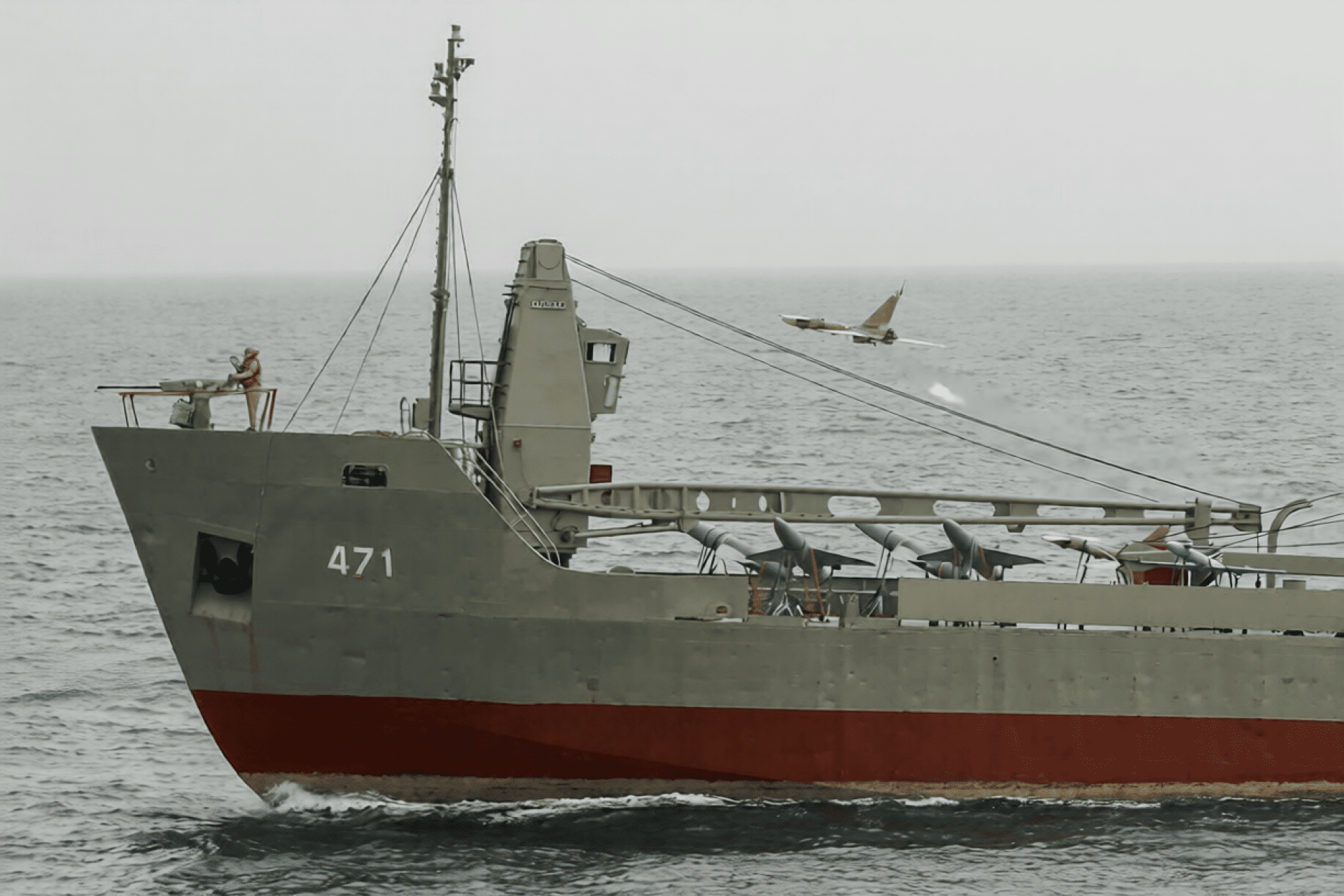
Despite possessing the world’s most advanced military and missile defense network, the United States could face unexpected challenges defending its own territory against an Iranian drone attack. Analysts say the issue stems from the structure of US homeland air defense systems, which were designed for very different threats.
 Prefer U24 Media on Google
- Authors


The scenario has drawn renewed attention after reports that US law enforcement agencies were warned about the possibility of an Iranian drone strike launched from a vessel off the American coastline, according to Ukrainian defense outlet Defense Express on March 12.
The warning was reportedly circulated by the FBI to local authorities, including police in California.
We bring you stories from the ground. Your support keeps our team in the field.
A scenario that is technically possible
Defense Express says such an attack would not be impossible from a technical standpoint.
Russia has already demonstrated that drones can be launched from vessels disguised within civilian shipping networks, including so-called “shadow fleet” operations.
Previously, reports emerged that Russia had begun placing former mercenaries and security personnel aboard vessels belonging to its shadow fleet, which transports Russian oil under sanctions.
Iran, meanwhile, has extensive experience concealing military launch systems inside civilian infrastructure.
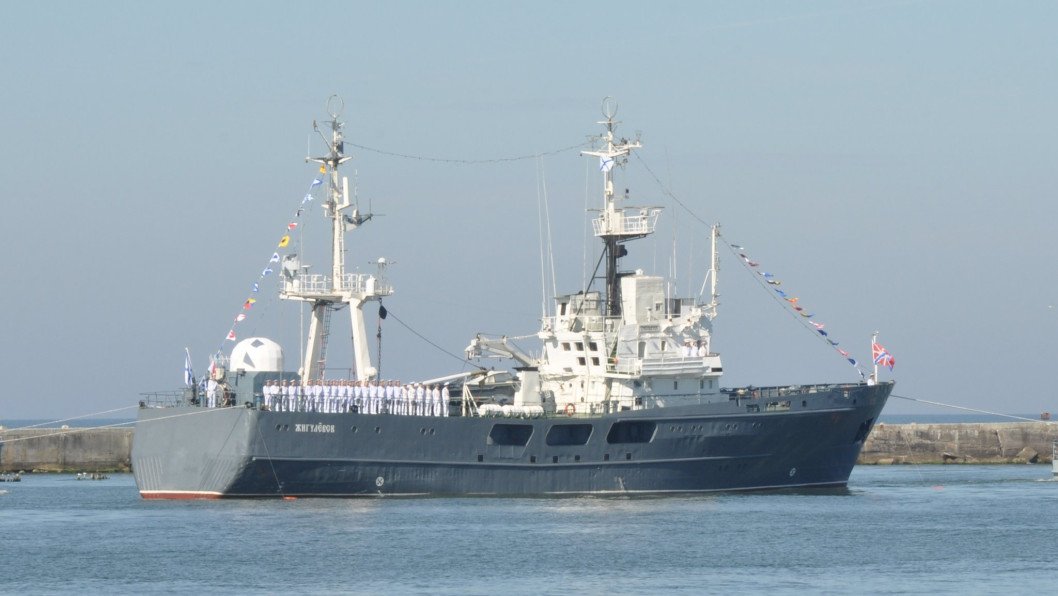
According to Defense Express, installing Shahed-type attack drones inside a standard maritime shipping container would not present a major technological challenge.
In practical terms, the only requirement for Iran would be to position such a launch platform within roughly 2,500 kilometers of the US coastline. From that point, the drones could theoretically reach targets on the American mainland.
The Iranian Army's naval force today launched what it calls a "drone carrier division".
— Kian Sharifi (@KianSharifi) July 15, 2022
Images released today show drones launched from the Soviet-era Kilo-class submarine Tareq, auxiliary ship Delvar (471), and landing ship Lavan (514). pic.twitter.com/j9kxegFq07
NORAD was built for a different kind of war
The real paradox lies in the structure of the US homeland air defenses.
As Defense Express notes, even though the US military operates the most powerful air force and one of the most advanced missile defense systems in the world, defending against low-flying drones presents a different challenge.
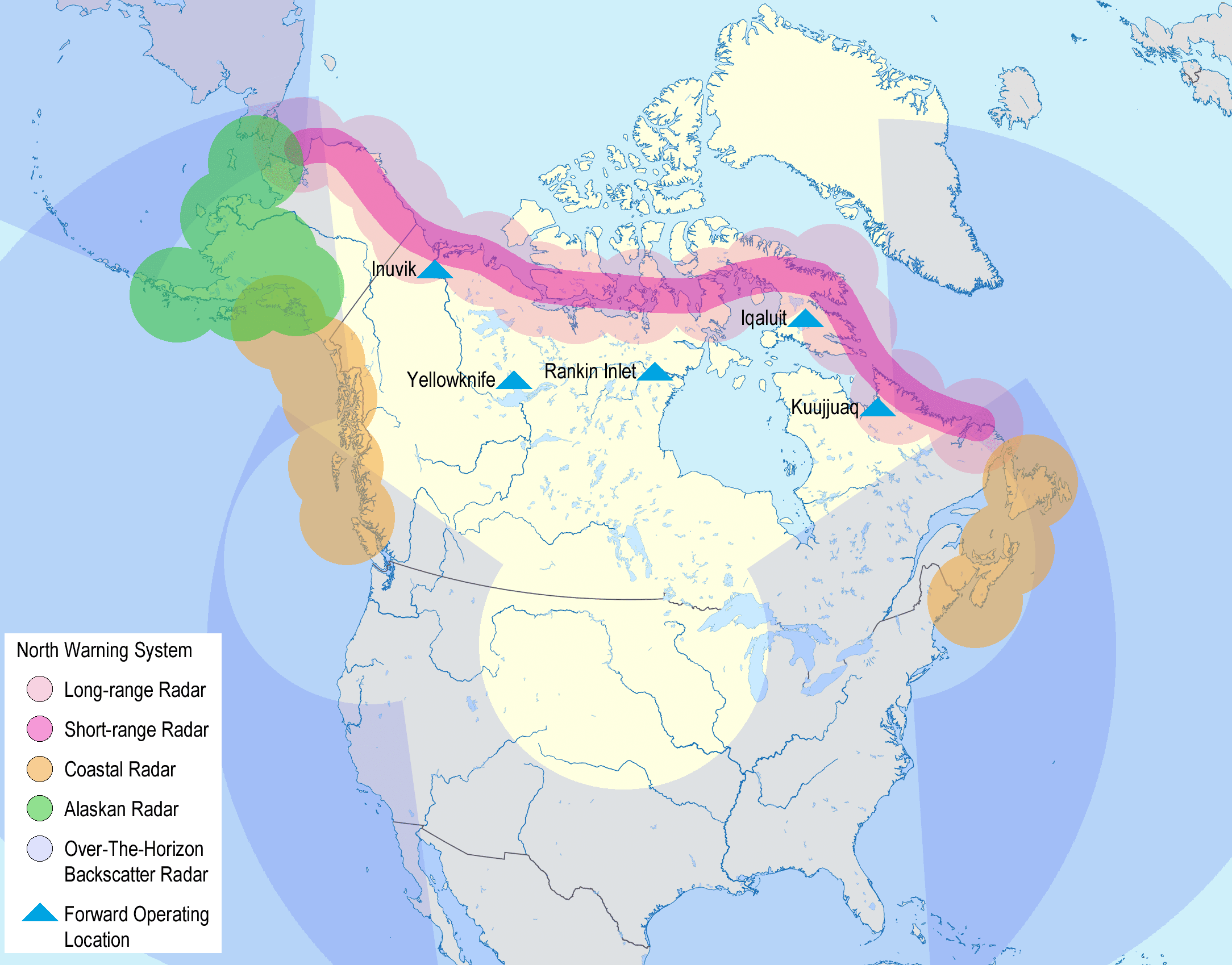
A 2022 study by the Center for Strategic and International Studies (CSIS) titled “North America Is a Region, Too” examined US air defense architecture and concluded that the system has serious gaps when dealing with low-altitude, hard-to-detect threats.
The system overseen by NORAD was originally designed during the Cold War to detect high-altitude bomber or missile attacks approaching from the north across the Arctic. Radar networks and sensors were therefore optimized to monitor threats coming over the North Pole rather than attacks approaching from the Atlantic or Pacific.
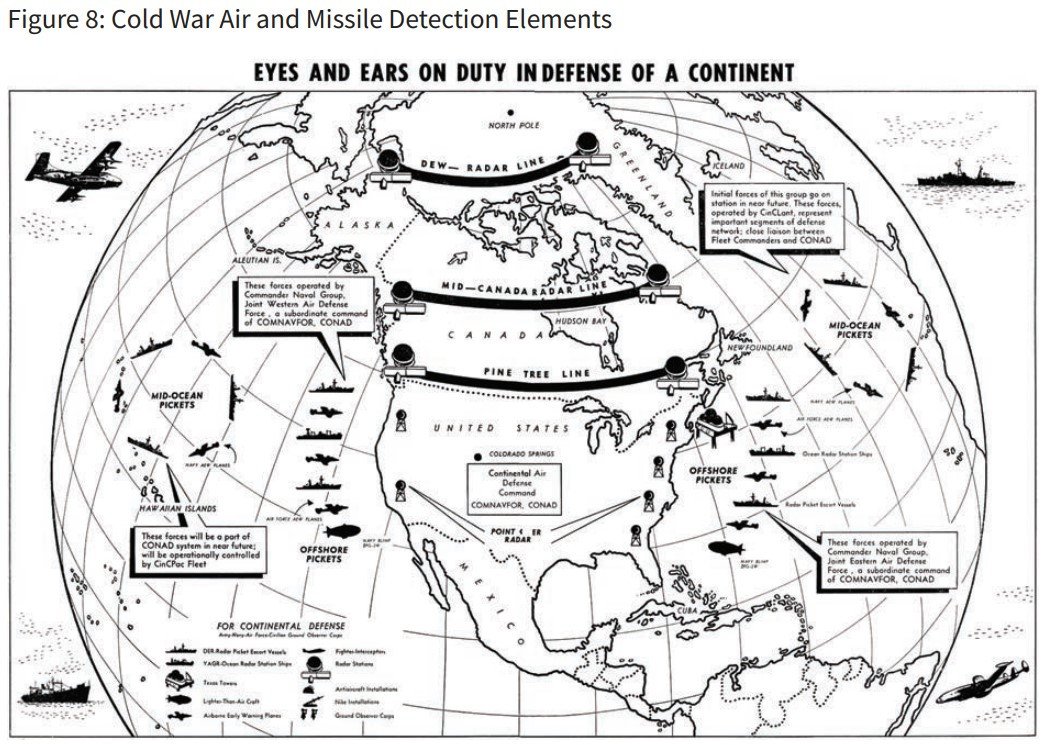
As a result, radar coverage is primarily oriented toward high- and medium-altitude targets, leaving potential gaps for low-flying objects such as drones.
Radar gaps inside the United States
Another major weakness highlighted by analysts is the lack of continuous radar coverage deeper inside the United States.
If a drone were able to bypass coastal radar stations and sensor networks in Canada, tracking it over the interior of the country could become extremely difficult.
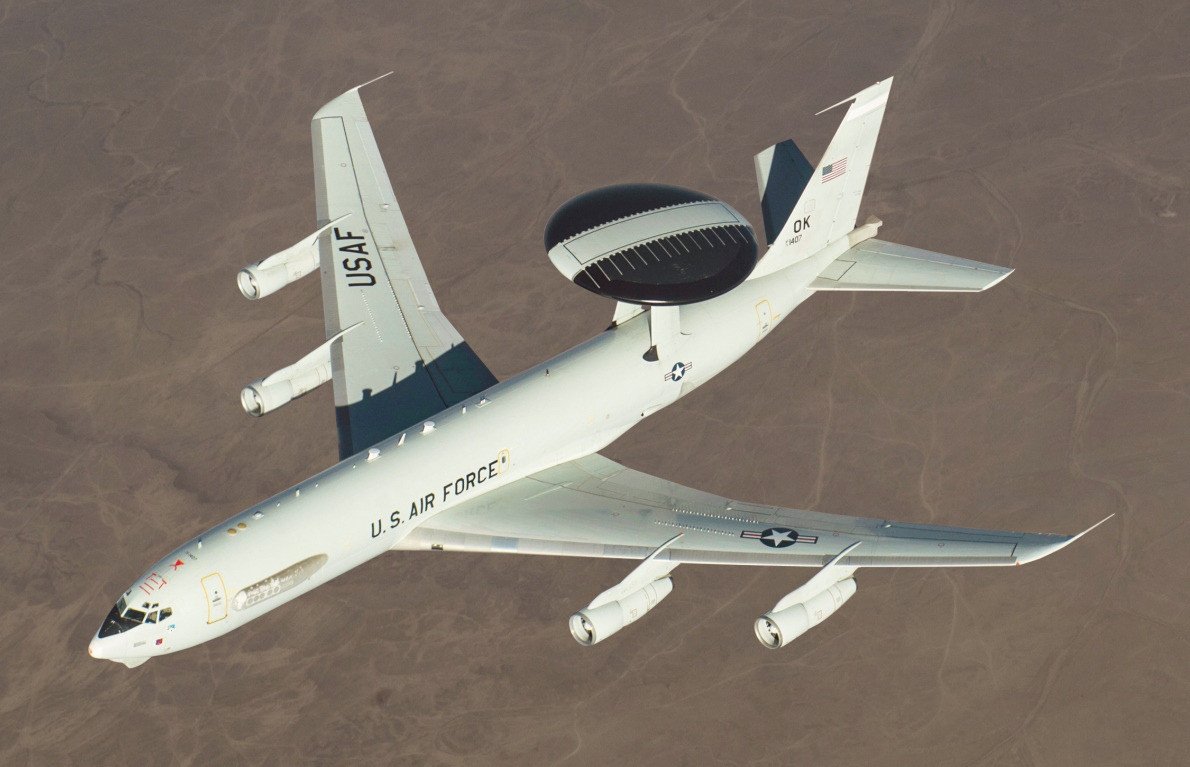
The current US defensive concept relies heavily on fighter aircraft guided by airborne early-warning aircraft (AWACS). However, the number of such aircraft has significantly declined.
At the end of the Cold War, the United States operated 34 E-3 Sentry AWACS aircraft. Today, that number has fallen to 16, with operational readiness averaging around 50 percent, meaning only about eight aircraft could be available at any given moment.
In fact, before recent tensions with Iran escalated, the United States reportedly deployed six AWACS aircraft to the Middle East, a move that underscored the scale of the anticipated operation in that region.
🇺🇸🇬🇧🇮🇷 The two U.S. Air Force E-3B/C Sentry Airborne Early Warning and Control aircraft landed at RAF Mildenhall. pic.twitter.com/XXiRTTrsoT
— Visioner (@visionergeo) February 17, 2026
A limited but shocking scenario
According to Defense Express, the US military currently lacks a dedicated ground-based drone defense system capable of continuously protecting rear-area infrastructure across the homeland.
Without effective early detection of low-altitude threats, intercepting drones quickly becomes far more difficult.
At the same time, analysts emphasize that even if Iran were technically capable of launching Shahed drones toward the United States from vessels, such attacks would likely remain limited in scale and unlikely to significantly affect the overall military balance.
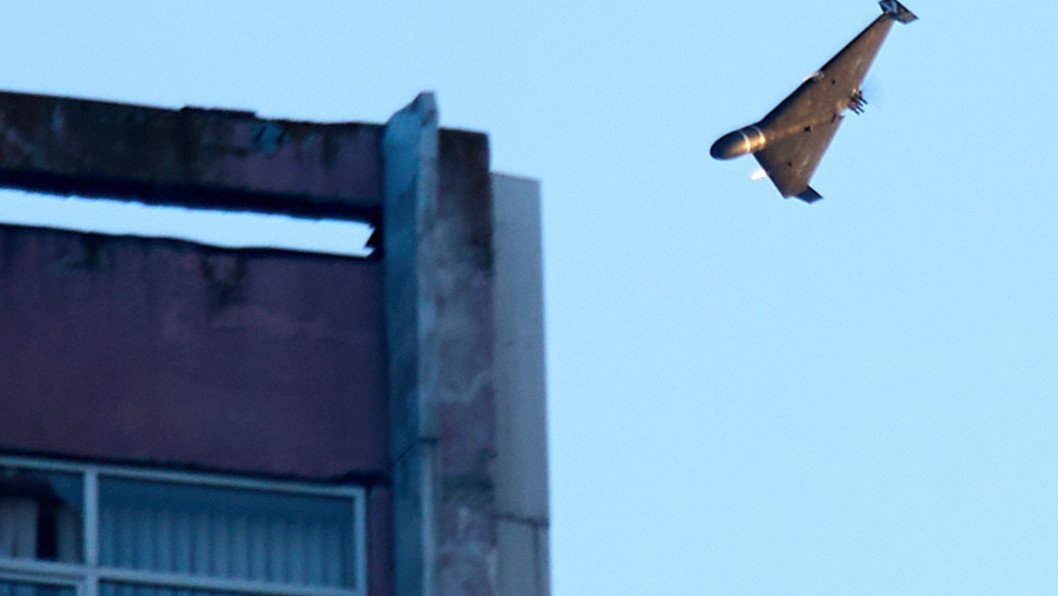
Nevertheless, even a single successful drone strike on US territory would represent a major shock for the American public and policymakers alike.
Earlier, reports emerged that Russia provided Iran with drone warfare tactics developed during the war against Ukraine, helping Iranian forces improve their ability to penetrate air defense systems in the Middle East.
Discuss this article:





-72b63a4e0c8c475ad81fe3eed3f63729.jpeg "Photo of Cyril Barabaltchouk")