- Category
- Latest news
Ukraine Offered a Shahed Drone Defense Plan—The US Rejected It, Then Came Back for Help
 Prefer U24 Media on Google
- Authors


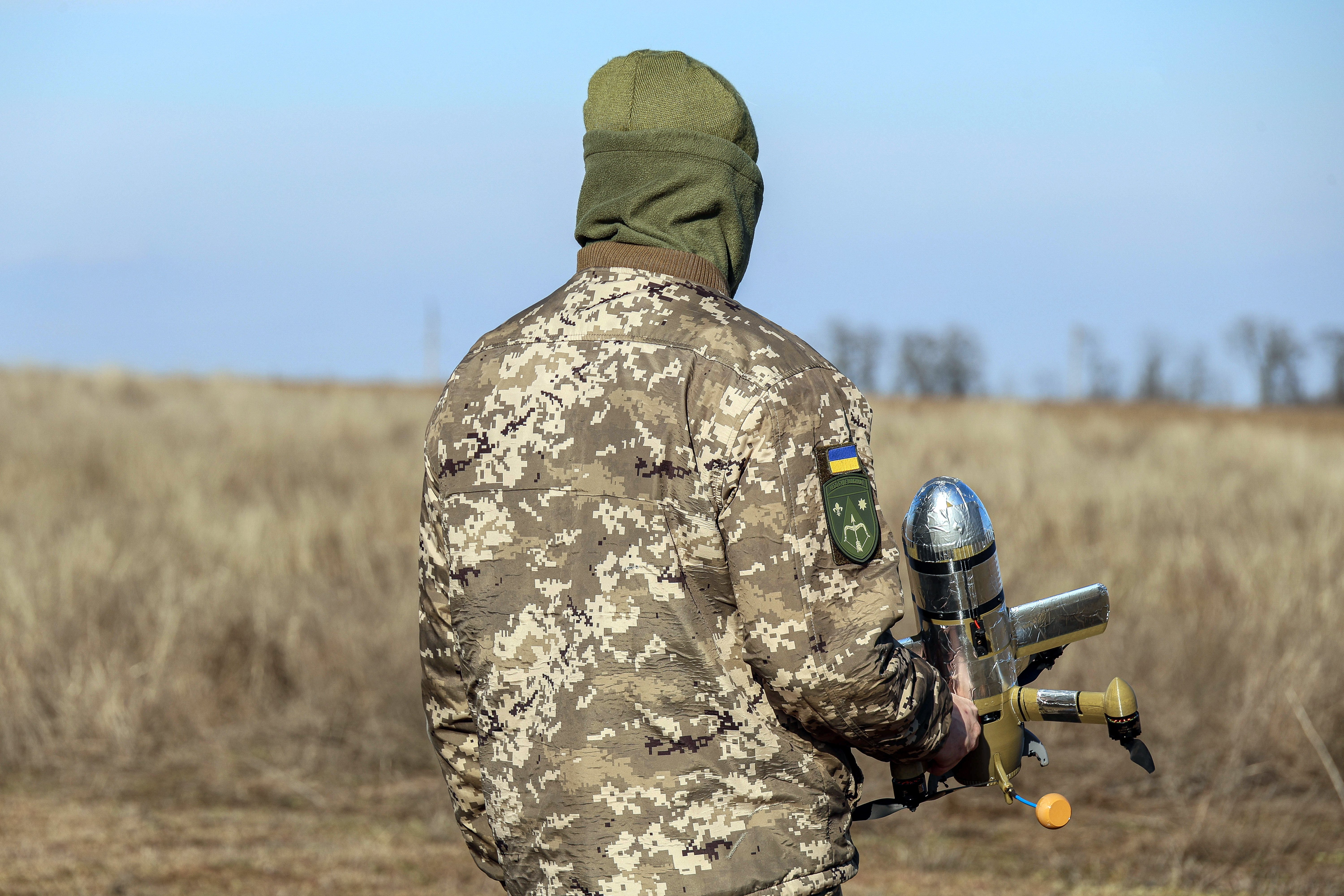
The United States declined a Ukrainian proposal nearly seven months ago to adopt battle-tested technology designed to intercept Iranian-made Shahed attack drones.
The proposal was later reconsidered after Iran launched a larger-than-expected wave of drone attacks during the current war in the Middle East.
We bring you stories from the ground. Your support keeps our team in the field.
According to Axios on March 10, Ukrainian officials had prepared a PowerPoint presentation explaining how Ukraine’s counter-drone systems could protect American forces and allied bases in the region.
The presentation was shown during a closed-door meeting at the White House on August 18, when Ukrainian President Volodymyr Zelenskyy offered interceptor drones and related technologies to US President Donald Trump.
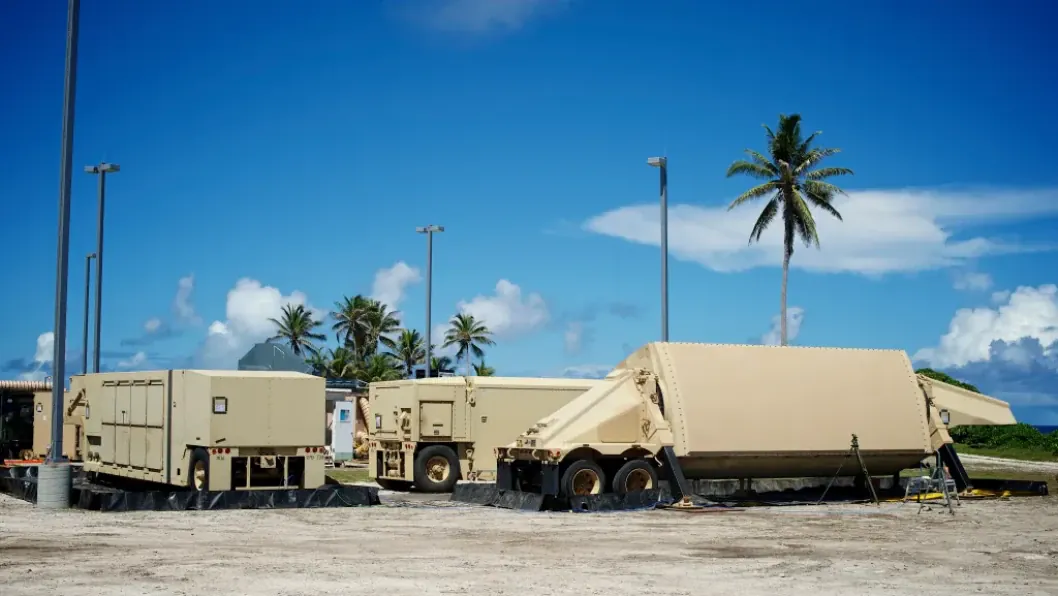
Trump administration chose not to pursue the proposal at the time. Two US officials told the outlet that the decision is now viewed internally as a significant tactical miscalculation following the start of US military operations against Iran on February 28.
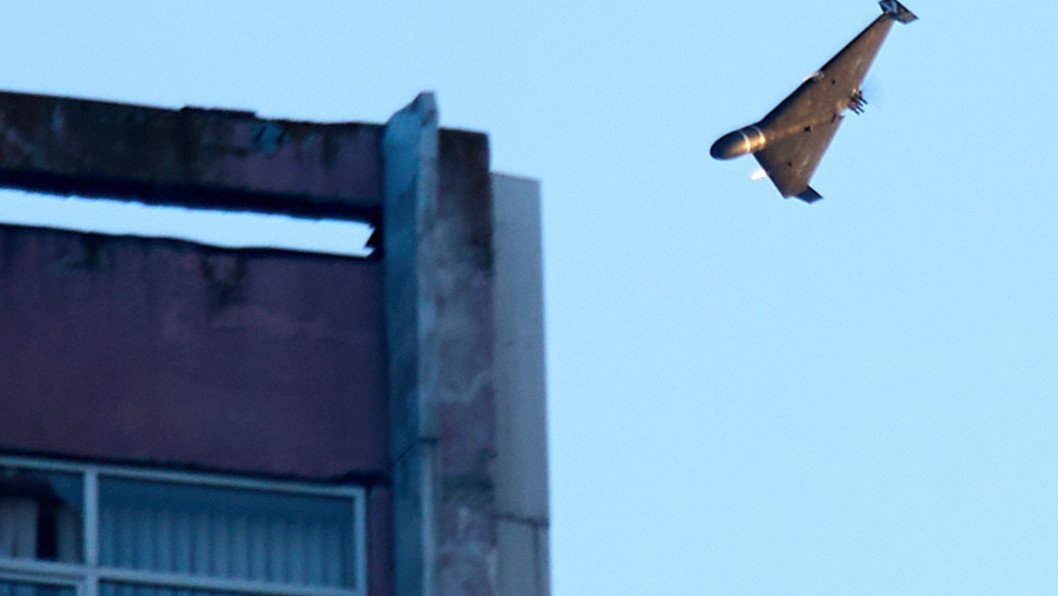
Cheap Iranian-designed Shahed drones have been linked to the deaths of seven US service members and have forced the United States and its regional partners to spend millions of dollars intercepting incoming drones.
“If there’s a tactical error or a mistake we made leading up to this [war in Iran], this was it,” a US official told Axios.
An Iranian one-way attack drone, likely a Shahed-136, filmed scoring a direct hit earlier Saturday on the U.S. Navy’s 5th Fleet Headquarters at Naval Support Activity Bahrain in Juffair, located in Manama, the capital of Bahrain. pic.twitter.com/O9AVD7DmzC
— OSINTdefender (@sentdefender) February 28, 2026
According to Axios, Ukraine has developed relatively inexpensive interceptor drones and additional sensor systems designed to counter Shahed-type one-way attack drones. Ukraine gained extensive experience defending against these drones after Russia began deploying large numbers of Iranian-designed systems, rebranded as “Geran,” during its full-scale invasion.
The presentation shown to US officials reportedly included a map of the Middle East and a warning that “Iran is improving its Shahed one-way-attack drone design.” Ukrainian officials also proposed creating “drone combat hubs” in Turkey, Jordan, and Persian Gulf countries hosting US military bases, combining interceptor drones with radar and detection systems to counter Iranian drones and those used by regional proxy groups.
“We wanted to build the 'drone walls' and all the things necessary like the radar, et cetera,” a Ukrainian official told Axios.
The proposal did not lead to immediate action, and some officials inside the administration reportedly dismissed the presentation. “We figured it was Zelenskyy being Zelenskyy. Somebody decided not to buy it,” a US official who saw the presentation told Axios.
According to Axios, the US formally asked Ukraine last week for assistance in countering Iranian drones as attacks intensified across the region.
Iranian Shahed drones are estimated to cost between $20,000 and $50,000 depending on the variant. Intercepting them with conventional missile systems can require significantly more expensive munitions, which has raised concerns among US and allied planners about the cost of defending against large-scale drone attacks.
Ukrainian interceptor drones were designed to offer a lower-cost alternative to missile-based air defense, an approach developed during Ukraine’s ongoing war with Russia.
Ukraine also structured the proposal as a potential industrial partnership aimed at expanding production. According to Axios, Ukrainian officials offered to share drone production technology and know-how with US manufacturers in exchange for investment that would allow production capacity to increase.
“Our problem was money. Our resources allowed us to produce only 50% of what we can produce. So we wanted the US to invest the other 50% and have a share of the production,” a Ukrainian official told Axios.
According to Axios, US officials acknowledge that earlier deployment of Ukrainian counter-drone technology could have reduced casualties and operational costs during the current conflict.
At the same time, Washington has been expanding its focus on drone warfare, with Pentagon officials increasingly examining lessons from Ukraine’s battlefield experience as demand grows for affordable counter-drone systems.
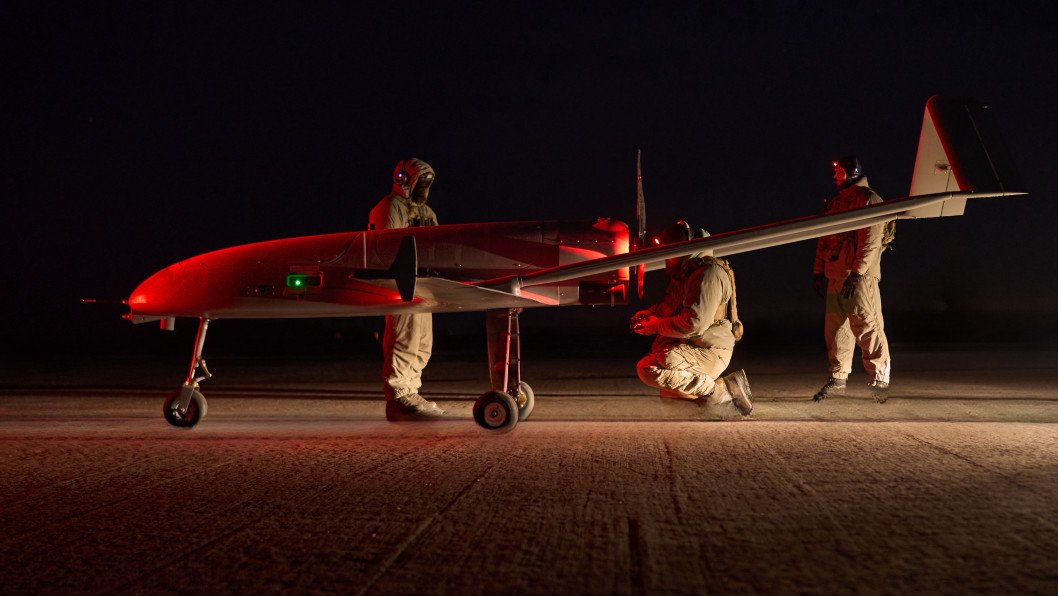
Against this backdrop, the US Army has begun deploying the Merops counter-drone system to the Middle East to intercept Iranian Shahed-type drones threatening American forces in the region. The system—built around the Surveyor interceptor drone—was previously tested against Russian-operated Shahed variants in Ukraine and is designed to provide a lower-cost alternative to expensive missile interceptors.
Discuss this article:
-9a7b3a98ed5c506e0b77a6663f5727c5.png)


-c439b7bd9030ecf9d5a4287dc361ba31.jpg "Photo of Katherina Popilnichenko")