- Category
- Latest news
Why a Russian Spy Ship Tried to Fly a Drone Toward France’s Nuclear Carrier Near NATO Waters
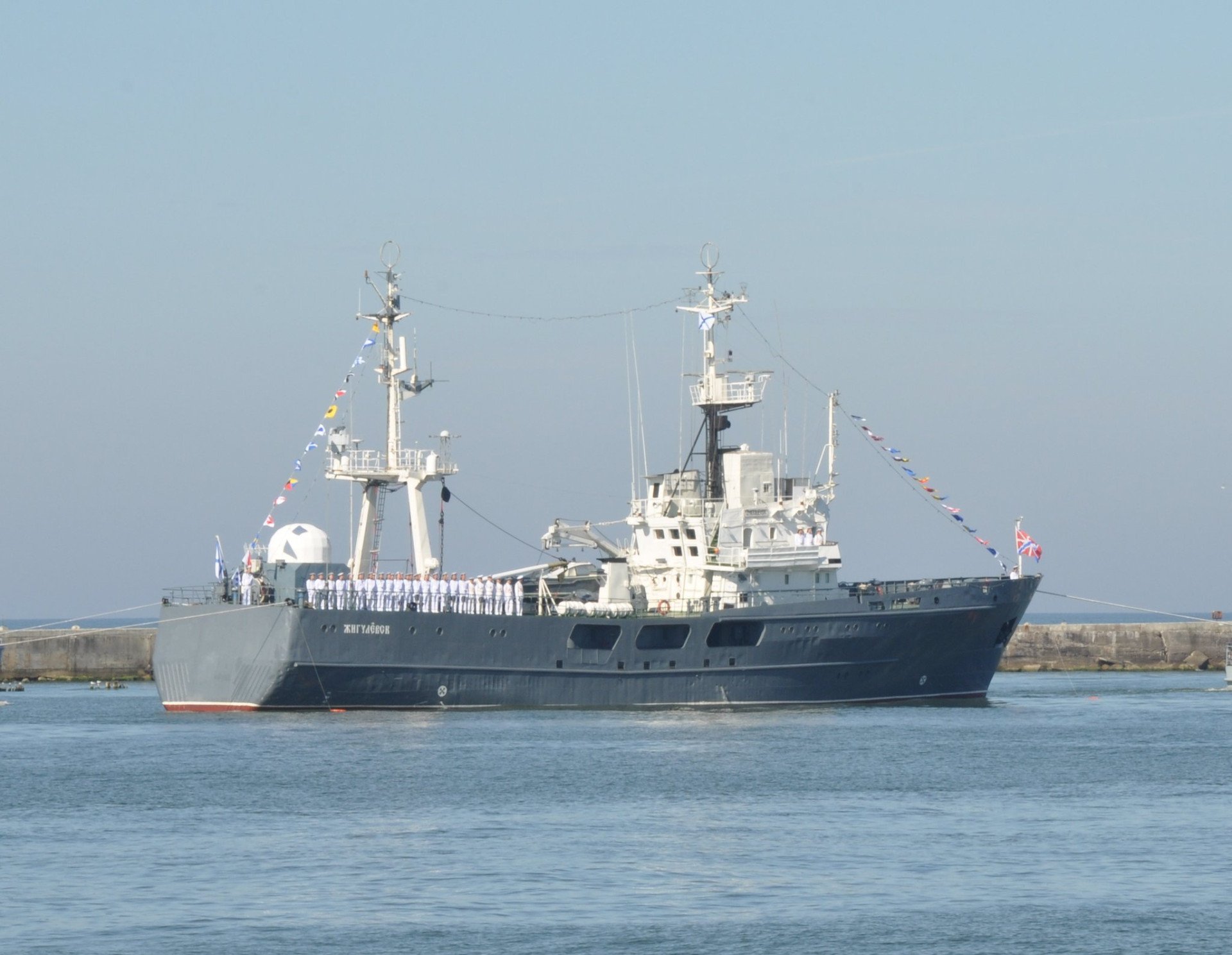
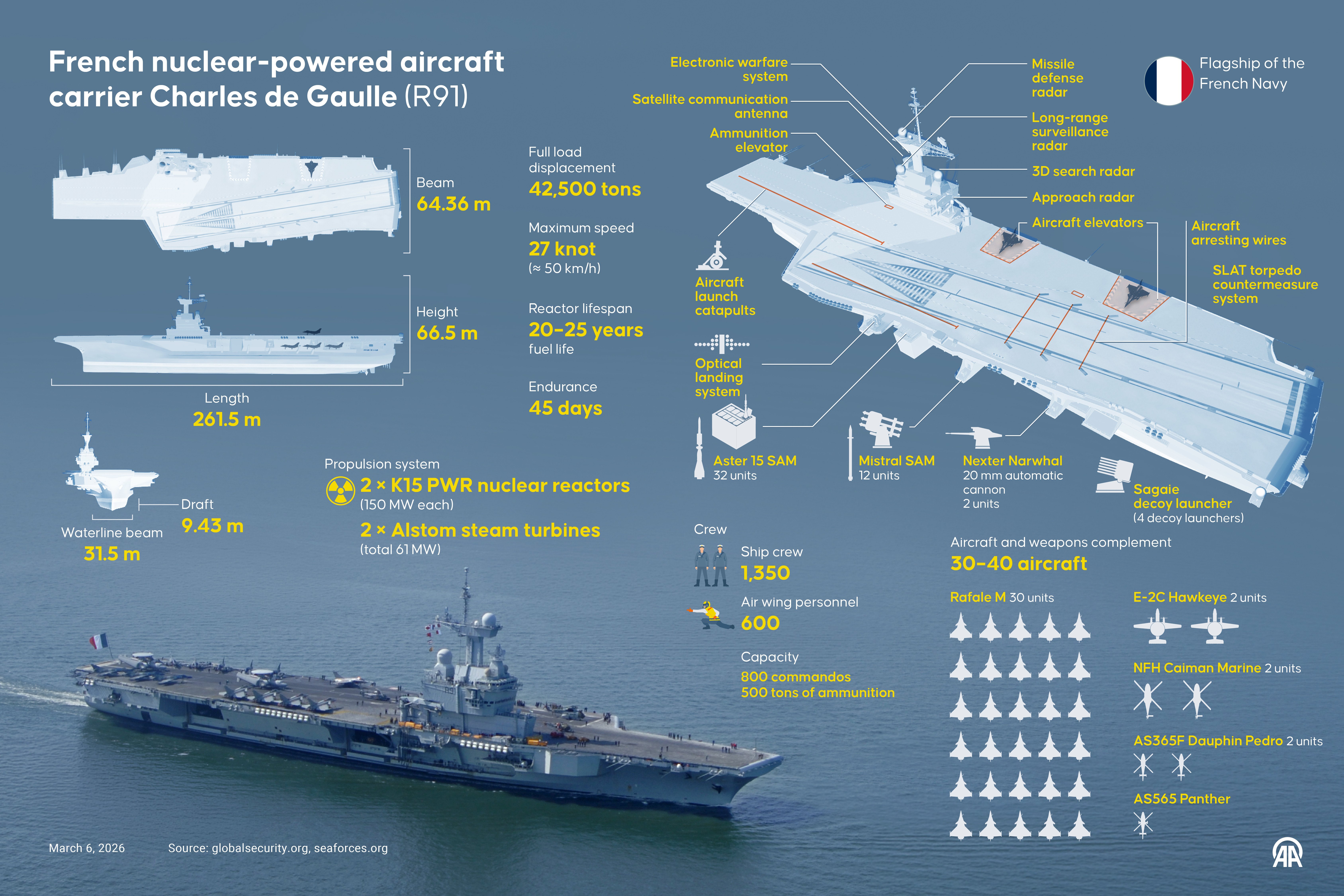
A Russian naval reconnaissance vessel launched a drone toward the French aircraft carrier Charles de Gaulle during an incident near Sweden in late February 2026, an episode that analysts say highlights evolving Russian tactics for intelligence gathering and provocation in European waters.
 Prefer U24 Media on Google
- Authors


The incident occurred on February 26, when the Russian ship Zhigulevsk, part of the Baltic Fleet, launched an unmanned aerial vehicle in the direction of the French carrier, which was docked in Sweden at the time, Defense Express wrote on March 8.
However, several technical aspects of the incident deserve closer attention, analysts noted.
We bring you stories from the ground. Your support keeps our team in the field.
One notable element is that Western military forces were able to quickly identify the source of the drone and neutralize it before it reached its target.
According to Defense Express, this may be one of the first known cases in which a reconnaissance drone launched during a surveillance attempt against Western military assets was both traced to its origin and intercepted in advance.
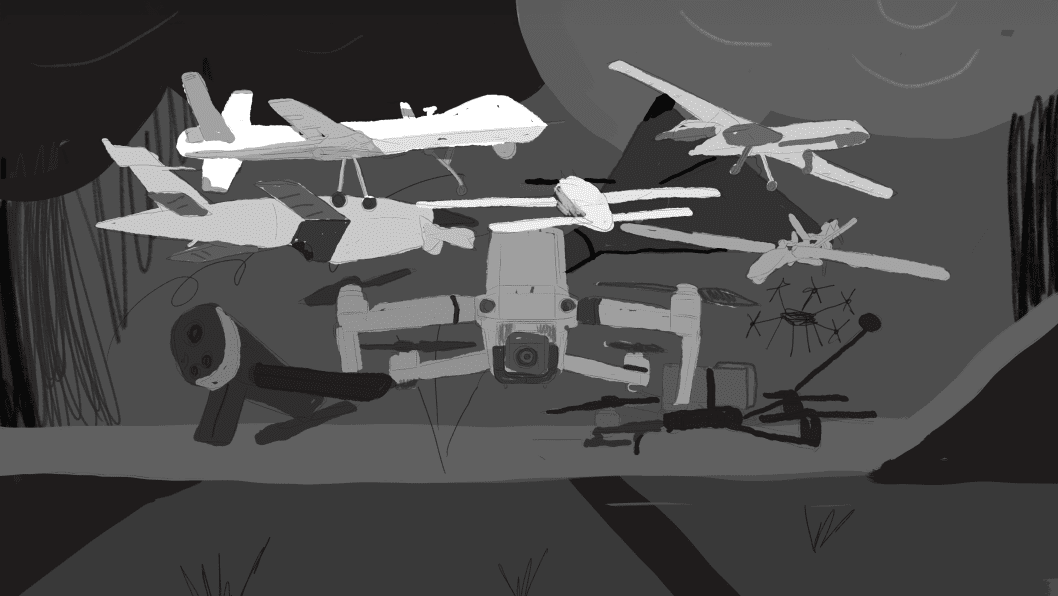
How far the drone flew and what type it may have been
The drone was reportedly launched after the Zhigulevsk entered Sweden’s 12-nautical-mile territorial zone, equivalent to about 22 kilometers from the coast. The UAV was neutralized roughly 7 miles (about 12 kilometers) from the location where the French carrier Charles de Gaulle was anchored.
At that distance, the drone could have been either a fixed-wing reconnaissance UAV such as the Orlan-10 or a smaller FPV-type drone, according to Defense Express.
The Russian ship behind the operation
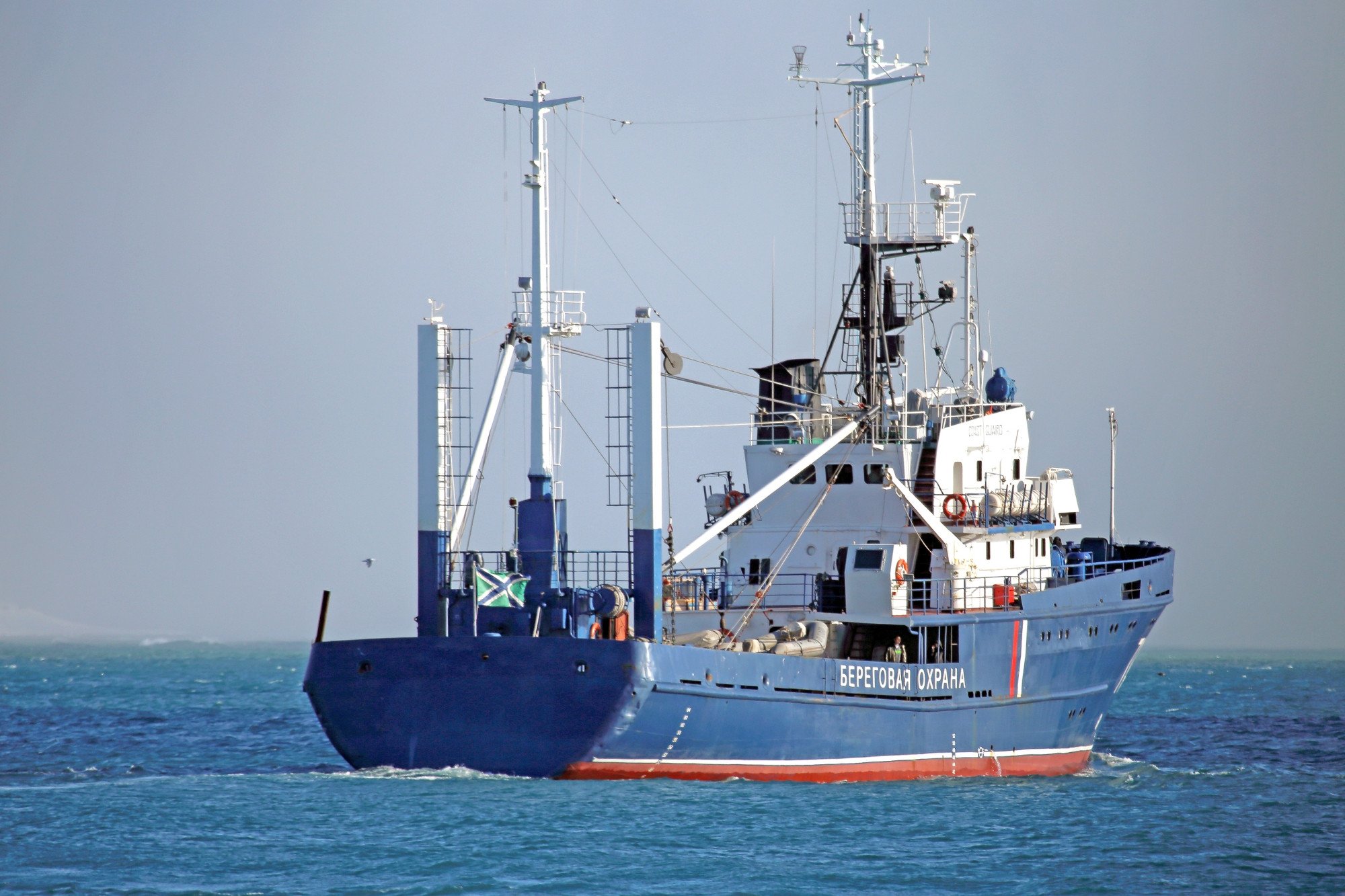
The Russian vessel involved in the incident, Zhigulevsk, belongs to the Project 503R class of reconnaissance ships.
The vessel has a hull length of 53.7 meters, a beam of 10.7 meters, and a full displacement of about 1,137 tons. Its operational endurance is estimated at up to 25 days, and it carries a crew of 24 personnel.
🇷🇺🇫🇷🇸🇪𝗥𝘂𝘀𝘀𝗶𝗮𝗻 𝗦𝗽𝘆 𝗦𝗵𝗶𝗽 𝗜𝗱𝗲𝗻𝘁𝗶𝗳𝗶𝗲𝗱 𝗮𝘀 𝗦𝗼𝘂𝗿𝗰𝗲 𝗼𝗳 𝗗𝗿𝗼𝗻𝗲 𝗟𝗮𝘂𝗻𝗰𝗵𝗲𝗱 𝗧𝗼𝘄𝗮𝗿𝗱 𝗙𝗿𝗲𝗻𝗰𝗵 𝗖𝗮𝗿𝗿𝗶𝗲𝗿 𝗖𝗵𝗮𝗿𝗹𝗲𝘀 𝗱𝗲 𝗚𝗮𝘂𝗹𝗹𝗲 𝗶𝗻 𝗦𝘄𝗲𝗱𝗲𝗻.
— OSINT Intuit™ (@UKikaski) February 27, 2026
The Swedish Armed Forces have confirmed that an unauthorized drone was… pic.twitter.com/b2B3IWN1sU
According to Defense Express, ships of this size could theoretically accommodate launch equipment for drones such as the Orlan-10.
The reconnaissance vessels of Project 503R were originally based on Project 503 “Alpinist” fishing trawlers, though the intelligence variants used by the Russian Navy can be distinguished by their characteristic gray naval paint scheme.
What the incident may reveal about Russian strategy
Taken together, the details suggest a carefully staged operation. A Russian reconnaissance vessel approached within roughly 22 kilometers of the Swedish coastline, launched a drone toward a major NATO naval asset, and the UAV was intercepted only about 12 kilometers from shore.
Defense Express suggests that Russia may have been experimenting with a new method of conducting drone reconnaissance from ships operating near European waters. Previously, various reports have linked unmanned aerial activity to vessels from Russia’s so-called “shadow fleet.”
-1d2bdffcadb40b9cfe33e2aa30cece08.jpg)
In this case, however, the drone was allegedly launched directly from a Russian naval ship, which could indicate a shift toward more overt intelligence operations at sea.
According to Defense Express, such aggressive reconnaissance activities near NATO territory could also serve as indicators of broader strategic preparations. Monitoring military infrastructure and response times is often considered a key step in planning larger military operations.
Earlier, reports emerged that Russia deployed aerostats equipped with surveillance equipment to monitor strategic energy infrastructure in northeastern Estonia near the NATO border.
Discuss this article:


-c439b7bd9030ecf9d5a4287dc361ba31.jpg "Photo of Katherina Popilnichenko")
-111f0e5095e02c02446ffed57bfb0ab1.jpeg "Photo of Roman Kohanets")
-72b63a4e0c8c475ad81fe3eed3f63729.jpeg "Photo of Cyril Barabaltchouk")