- Category
- Opinion
How the 2026 Iran War Is Reshaping Ukraine’s Strategic Choices
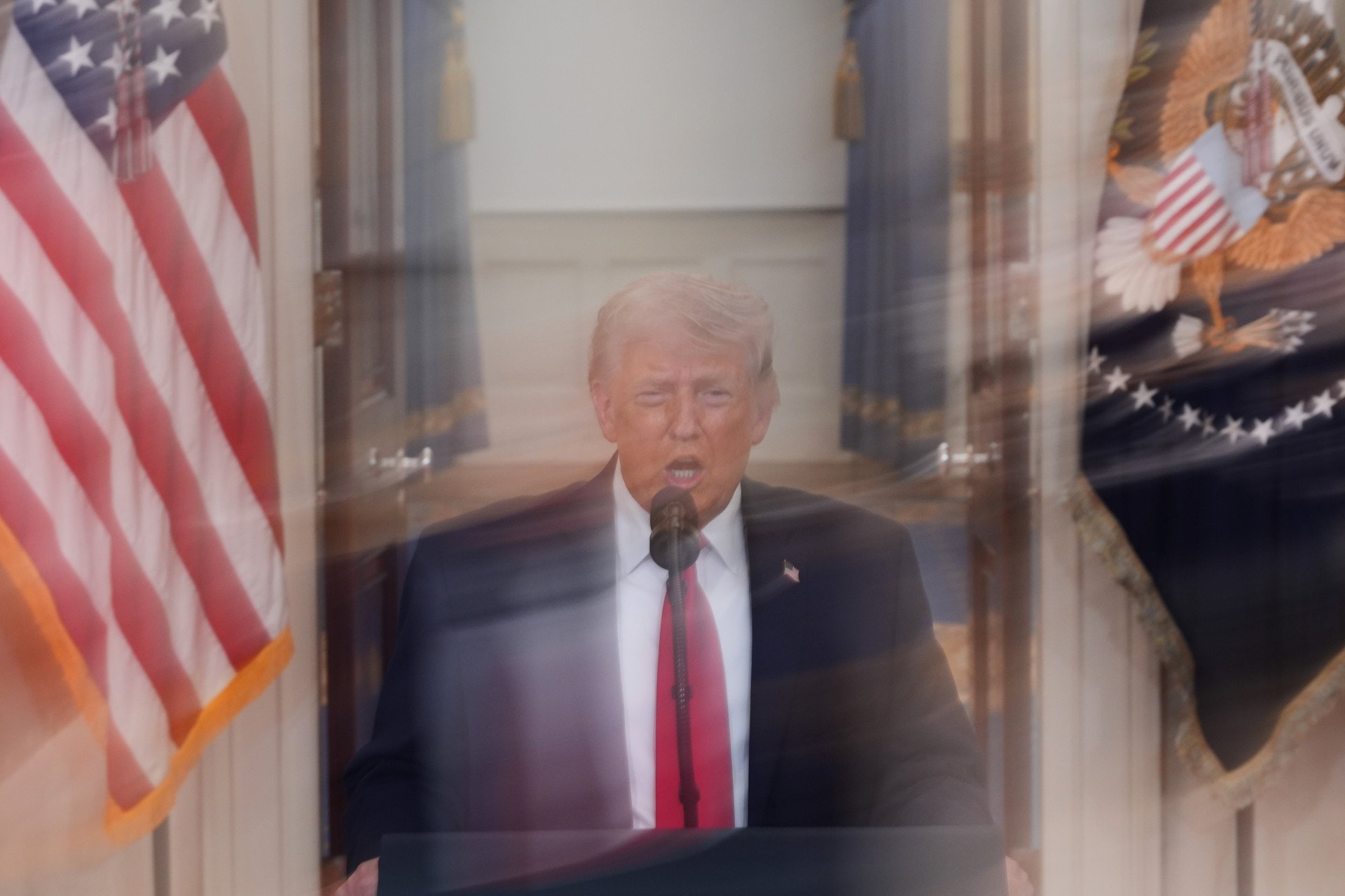
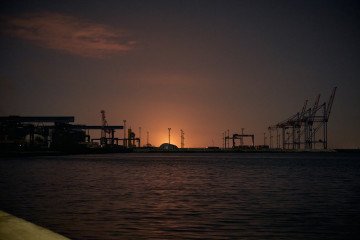
When the United States and Israel launched their strikes against Iran on 28 February 2026, the first question in Kyiv was not about Tehran's fate but about Washington's attention span. Could a superpower drawn into a third major conflict still find the arms, the money, and the resolve to keep Ukraine in the fight?
 Prefer U24 Media on Google
- Authors




Ukraine had spent almost four years at the top of the West's strategic agenda. The killing of Supreme Leader Khamenei, Iranian salvos across the Gulf, and a choke-hold on the world's most vital oil corridor have done what Russian missiles alone could not: driven Ukraine to the back of the queue. Political attention is a form of power—it generates budgetary commitments, sustains legislative coalitions, and keeps difficult decisions on the table. Russia read the moment immediately, continuing to bombard Ukrainian energy infrastructure without pause, confident that Western eyes were pointed elsewhere.
We bring you stories from the ground. Your support keeps our team in the field.
A peace process on life support
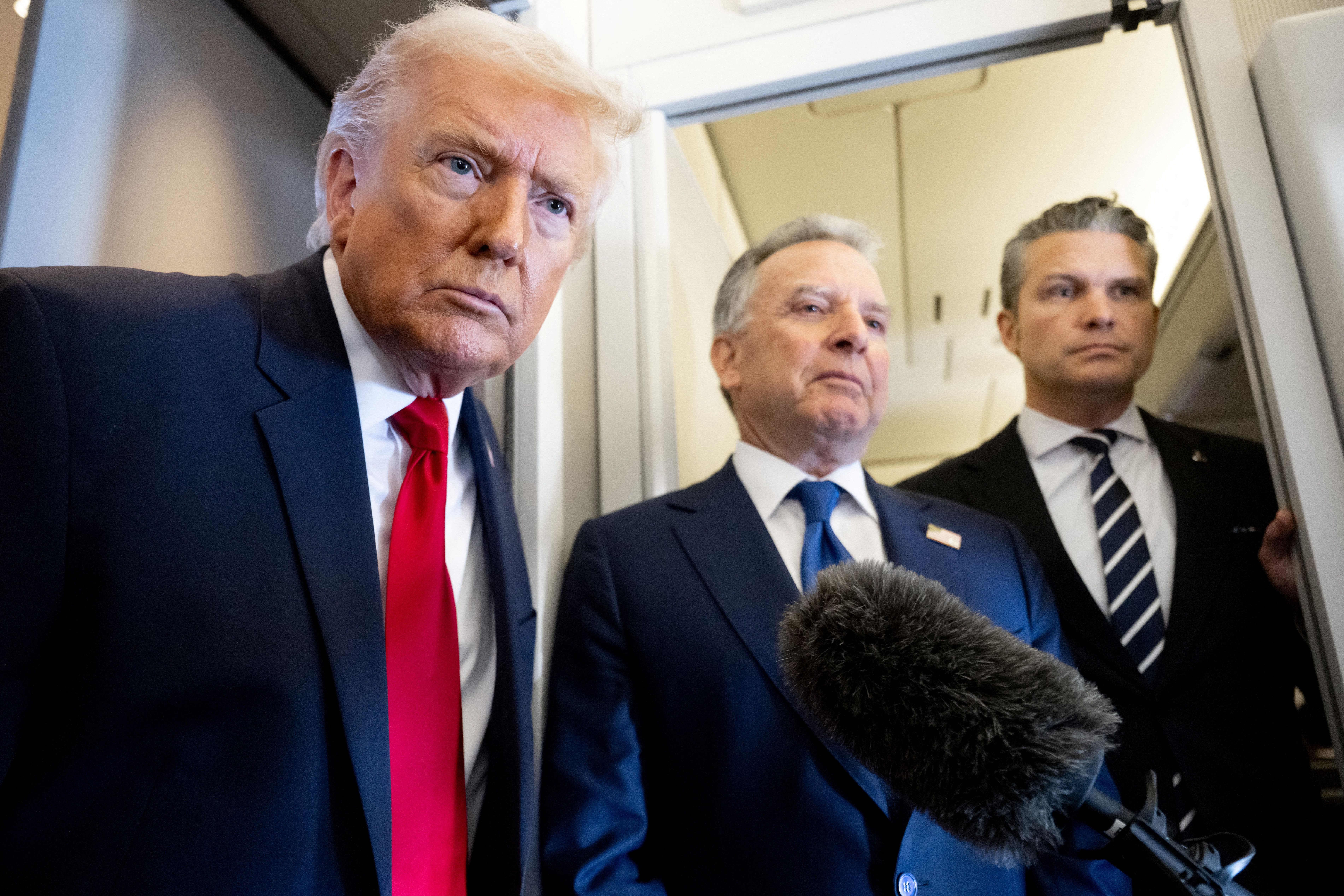
The Iran war has knocked the already fragile Ukraine peace process sideways. Before the bombs fell on Tehran, the Trump administration was running two diplomatic tracks—nuclear talks with Iran and US-brokered negotiations between Kyiv and Moscow. That juggling act has collapsed. Special Envoy Steve Witkoff is consumed by the Iranian crisis; Gulf airspace closures have rendered Abu Dhabi unusable as a venue. More damaging is the shift in Moscow's calculus. The Kremlin has concluded that an America pulled toward the Middle East is less able to enforce consequences if Russia stalls. Senior British intelligence had already indicated that Putin had no genuine intention of agreeing to terms Ukraine could live with; the Iran campaign hands him a further excuse for delay. An informal July 4 ceasefire deadline once quietly circulating in the administration now seems more aspirational than ever.
Two wars, one stockpile
The arithmetic of arms is equally sobering. In the opening phase of the Iran operation, US Central Command struck close to 2,000 targets, expending over 2,000 munitions. The systems involved some that are highly relevant for Ukraine’s defenses—like PATRIOT interceptors and JDAM bombs. American air defense factories, already running under emergency orders, will race to replenish Iran-theatre stocks first, and it will not be done quickly. In an administration where Undersecretary Colby and Defense Secretary Hegseth had already frozen a Ukraine shipment once, the appetite for another pause will be objectively easier to justify by every new week of the conflict in the Gulf. European partners are doing what they can through the EU SAFE instrument and bilateral deliveries, but none of these schemes can substitute American munition deliveries. Neither in volumes, nor in timeframes that matter for battles being fought today.
An interceptor market nobody wanted
Ukraine has built, through four years of trial and devastation, one of the most sophisticated layered air-defense networks ever fielded in wartime. That network is now caught in a squeeze unrelated to battlefield performance. More Patriot interceptors were reportedly fired against Iranian missiles in the first days of the US-Israel operation than Ukraine has used in its entire war with Russia. The bottleneck in modern air defense is not technology but throughput.
Ukraine needs roughly 60 PAC-3 interceptors each month to hold the line, while the same limited pool must stretch across Ukraine, the Middle East, and, to a considerable extent, European NATO rearmament. One unexpected dividend: Ukraine's mastery of counter-drone warfare has made Kyiv an adviser of choice for Gulf states facing Iranian UAV swarms—genuine leverage, but only if converted into firm resupply commitments.

Moscow's unexpected gift
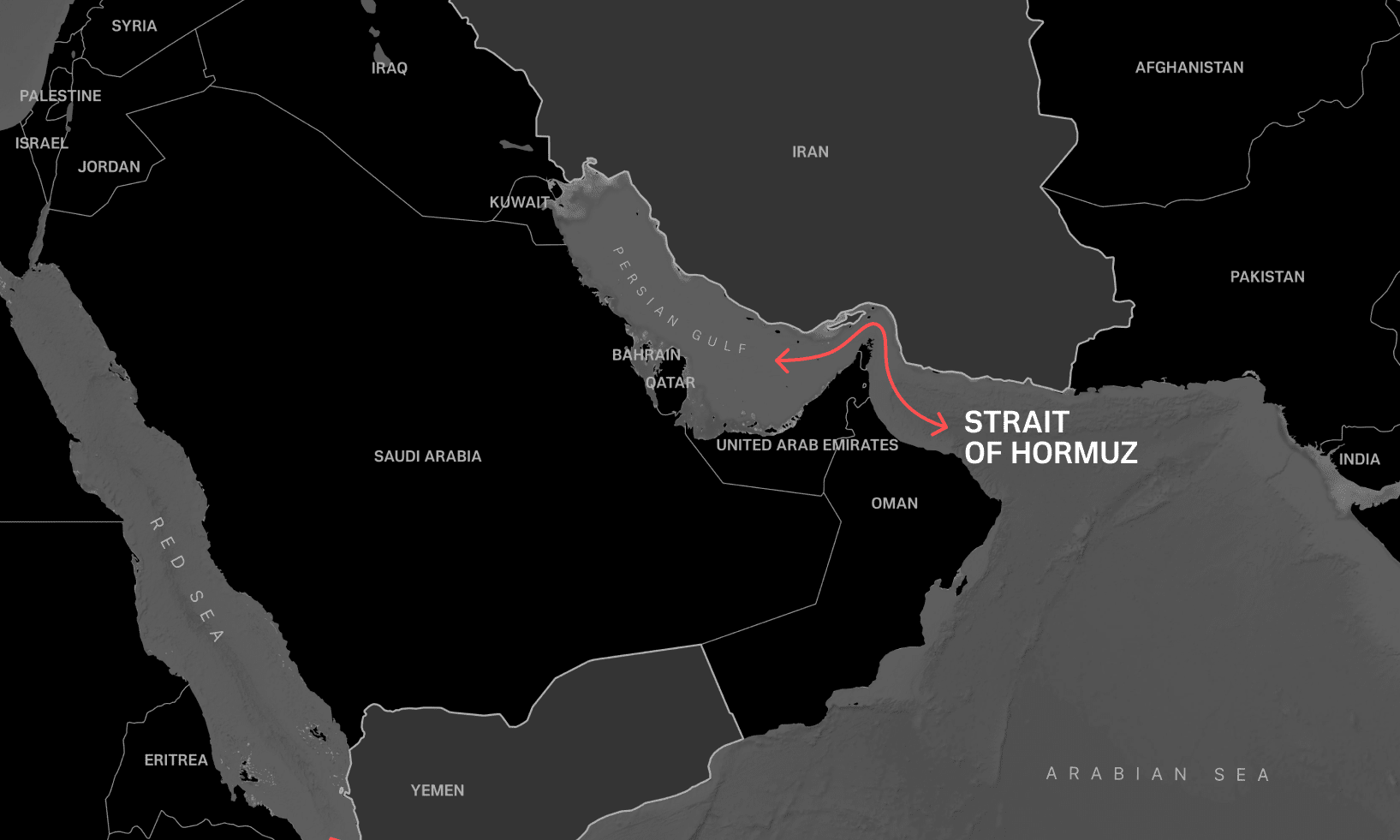
Of all the ways the Iran war damages Ukraine, the least scrutinized may prove the most durable. The Revolutionary Guards' blockade of the Strait of Hormuz has unleashed an energy shock not seen since 1979. Brent crude has broken through $82 a barrel and may press toward $100. Moscow built its 2026 budget on a Urals price of $59; each additional $5 per barrel adds an estimated $6 billion to Kremlin revenues. China and India—their Gulf supply severed—are abandoning the purchasing restraint they showed under American pressure and rushing back to Russian crude. A US military action against a Russian ally has, through a twist of energy market logic, become a subsidy to Russia's war effort.
Looking ahead
The war in Iran is not a pure loss for Ukraine. If the campaign succeeds in gutting Iranian drone and missile production, Russia will find it harder to sustain the technological partnership underpinning its long-range strikes—though Moscow's aggressive domestic Shahed production limits any immediate relief. Long-term gains do nothing, however, for a country that must survive the next twelve months. Russia's war chest is growing in the near term, even if sanctions, inflation, and widening deficits will test its sustainability, its diplomacy stiffening, and the Western support system Ukraine relies on is straining at precisely the moment it is needed most. Treating Iran and Ukraine as separate files—one urgent, one manageable—would be a strategic error of the first order. The Iran crisis has not rewritten the logic of European security. It has compressed the timeline for getting it right.
Discuss this article:
-4a56a6b482ec132402c16ef6fcabf9a2.png)


-f3430f0449615e9897dff835086ac204.jpg "Ukraine Broke With a Soviet-Era Military System and Rebuilt It Around the Soldier")
-e126c16a85d580738cf2d57e760b80a3.jpeg "Photo of Vladyslav Greziev")