- Category
- Latest news
“Eight Missile For One Drone?” Ukrainian Instructors Shocked By US Drone Defense Tactics
 Prefer U24 Media on Google
- Authors


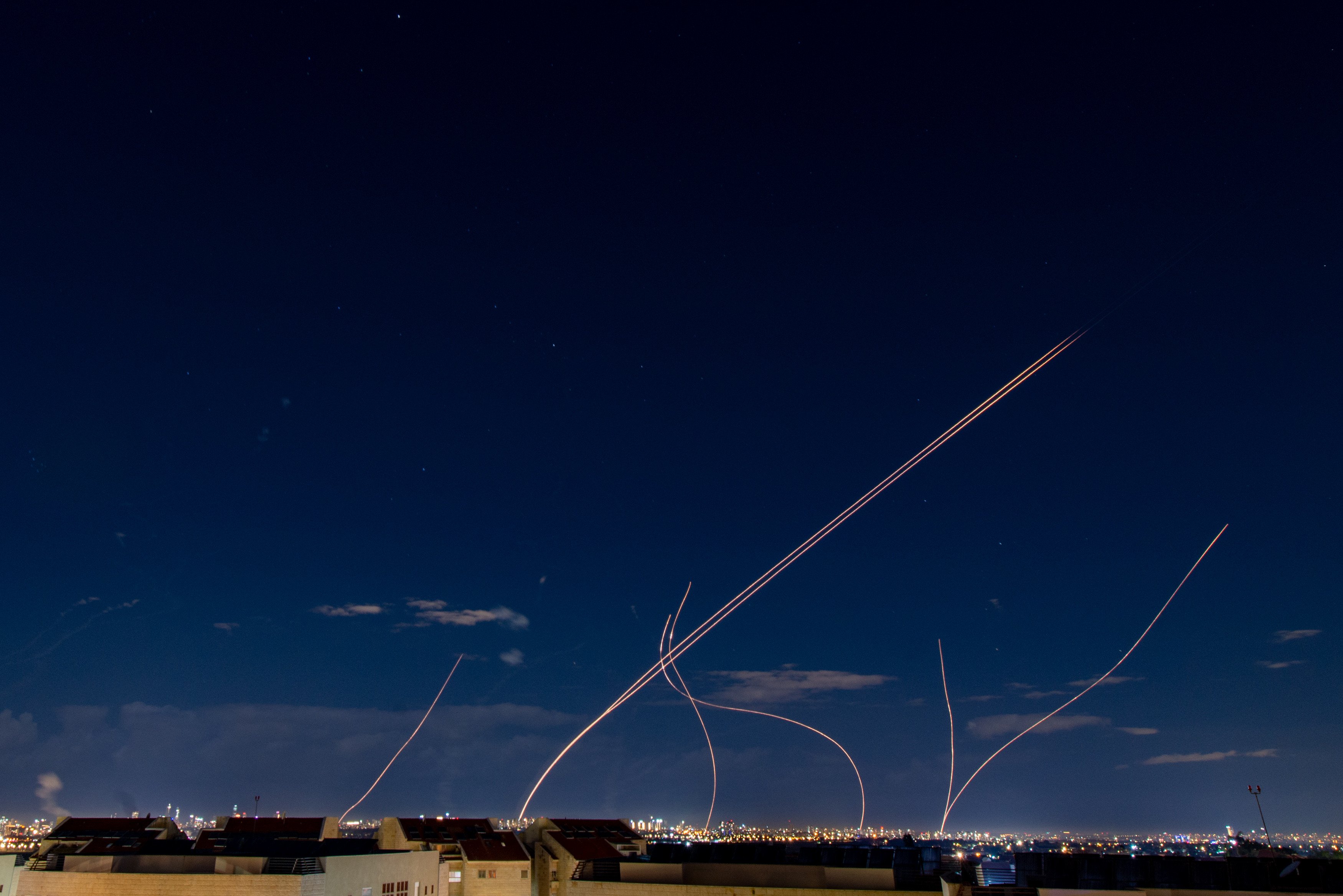
Ukrainian air defense specialists deployed to the Middle East to assist in countering Iranian-made Shahed-type drones have raised concerns about how US and Gulf forces are conducting interceptions.
We bring you stories from the ground. Your support keeps our team in the field.
According to The Times on March 18, the deployment followed a request from US Central Command, with around 200 Ukrainian personnel sent to Kuwait, Qatar, the United Arab Emirates, and Saudi Arabia to provide advisory support on countering drones and missiles.
Despite public skepticism from US President Donald Trump regarding Ukraine’s role, Ukrainian teams were integrated into regional defense efforts.
Not quite sure what Patriot is doing in Dubai. pic.twitter.com/f7xc2JbQIk
— OSINTWarfare (@OSINTWarfare) March 18, 2026
Ukrainian officers cited by The Times said they were surprised by the interception methods used by US and allied forces. One senior Ukrainian air force officer told the outlet that Gulf operators had reportedly launched up to eight Patriot interceptor missiles at a single aerial target, with each missile costing over $3 million.
The same source also described instances where SM-6 missiles, estimated at around $6 million each, were used to destroy Shahed drones with an approximate cost of $70,000.
According to The Times, Ukrainian personnel contrasted this with their own operational approach, which typically relies on one or two missiles even against more complex threats such as ballistic targets. The report notes that Ukraine has refined its interception tactics over several years of large-scale combat, focusing on cost-efficiency and probability of kill.
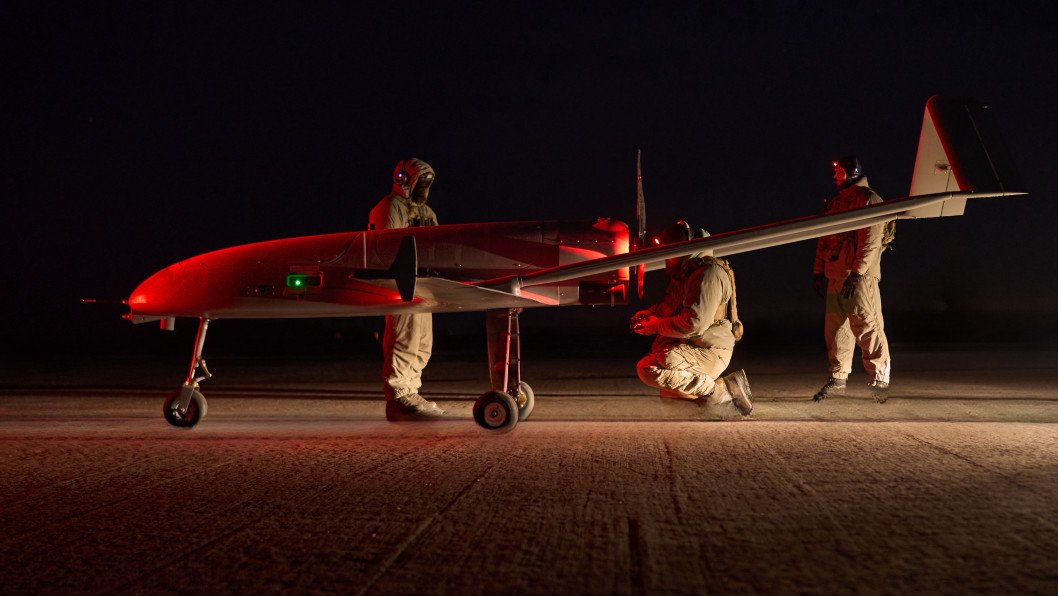
The Ukrainian side also raised concerns about deployment practices. According to The Times, air defense systems in the Gulf were sometimes left operating in automated mode while crews sought cover, whereas Ukrainian operators remain actively engaged in manual control.
A Ukrainian officer quoted by the publication said, “I don’t understand what they had been doing, what they have been looking at for the four years we’ve been fighting.”
The report further highlights differences in survivability practices. Ukrainian forces have prioritized mobility and concealment of radar systems, frequently relocating assets to avoid detection. In contrast, according to The Times, some US-operated or allied radar systems in the region remained stationary for extended periods and were visible in open-source satellite imagery.
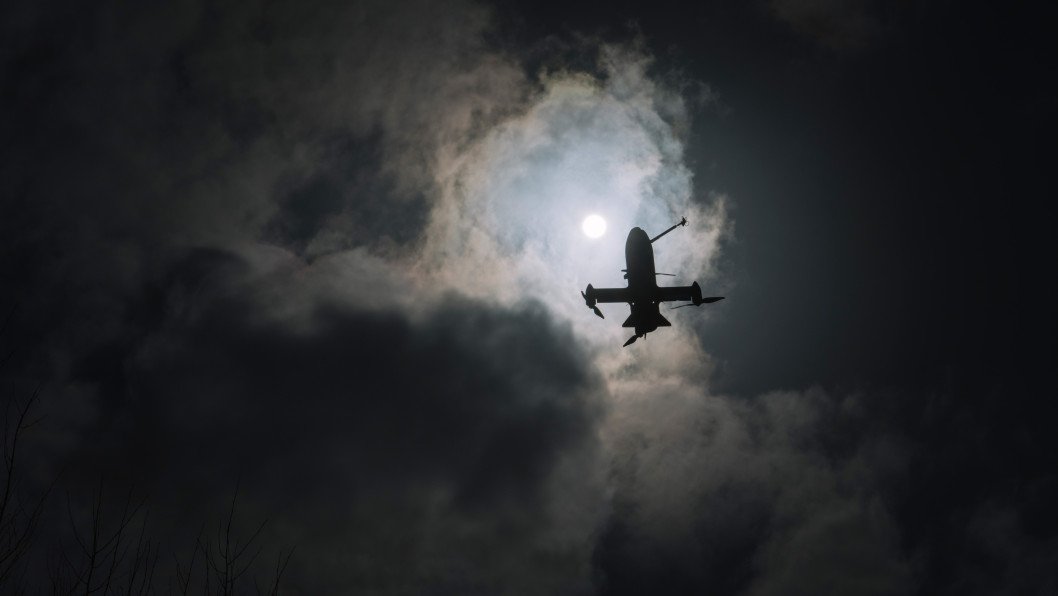
A Ukrainian officer cited by The Times described a case in which three Shahed drones struck high-value radar systems that had remained in fixed positions for months, including an AN/FPS-132 early warning radar estimated at approximately $1 billion and an additional air defense radar valued at around $300 million.
“For two months they stood in exactly the same place. Then the Shaheds flew in. Three Shaheds costing around $70,000 each. And that was it,” the officer said.
According to The Times, Ukrainian personnel also pointed to incidents of misidentification, including a case on March 1 in which US F-15E aircraft were reportedly downed by allied air defense systems in Kuwait. Ukrainian officers described the event as avoidable and linked it to operational procedures and coordination gaps.
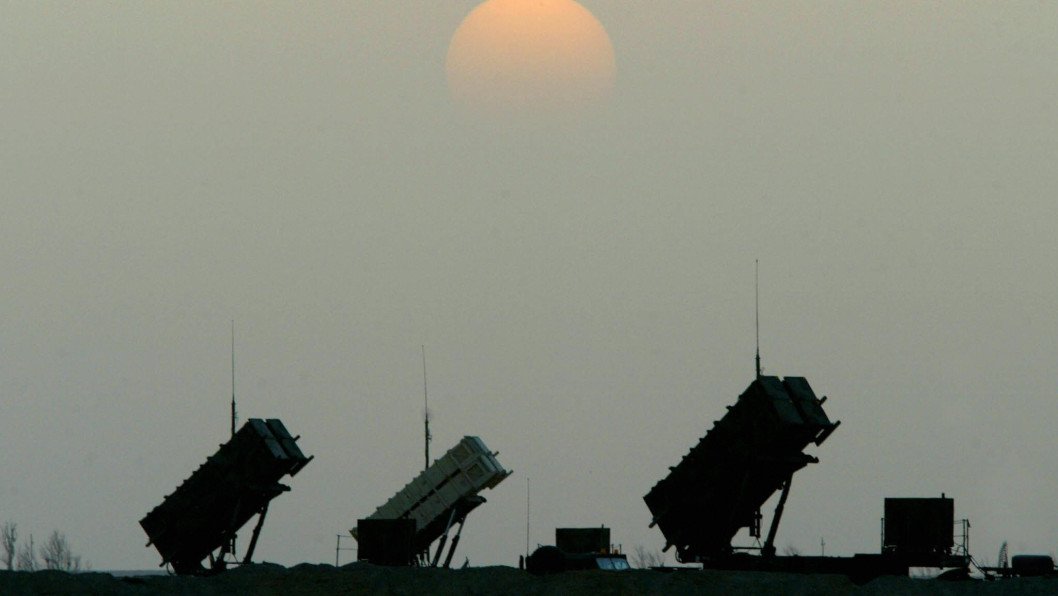
The article notes that Ukraine has developed a multi-layered air defense system combining Soviet-era and NATO platforms, along with electronic warfare, aviation assets, interceptor drones, and mobile ground-based systems. Ukrainian experience includes more than 44,000 intercepted Shahed-type drones since the start of Russia’s full-scale invasion.
Analysts cited by The Times, including Justin Bronk of the Royal United Services Institute, said Ukraine has become one of the global leaders in air defense command and control, particularly in adapting systems under combat conditions.
At the same time, the report notes that the US continues to scale its own drone interception capabilities, including programs tested in Ukraine.
🇮🇷🇺🇸🇶🇦 Iranian strikes are pushing Patriot defenses to their limits at Qatar’s Al Udeid Air Base pic.twitter.com/aSybSUU0aM
— WAR (@warsurv) March 1, 2026
According to The Times, Ukrainian personnel believe their operational experience—particularly in cost-effective interception, system mobility, and integration of diverse technologies—could provide practical lessons for US and allied forces operating in environments where low-cost drone threats are increasing in scale.
Earlier, the US Department of Defense acknowledged Ukraine’s global lead in combat-ready and scalable drone production, as it moves forward with its $1 billion Drone Dominance program aimed at deploying over 200,000 drones. US officials noted that Ukraine has set a benchmark in adapting low-cost drones for battlefield use, while American efforts focus on reducing unit costs and expanding domestic production.
Discuss this article:
-4a56a6b482ec132402c16ef6fcabf9a2.png)


-c439b7bd9030ecf9d5a4287dc361ba31.jpg "Photo of Katherina Popilnichenko")