- Category
- Latest news
Iran Strikes Cripple 17 Percent of Qatar LNG Capacity and Trigger 20 Billion Dollar Loss
 Prefer U24 Media on Google
- Authors

-72b63a4e0c8c475ad81fe3eed3f63729.jpeg "Photo of Cyril Barabaltchouk")
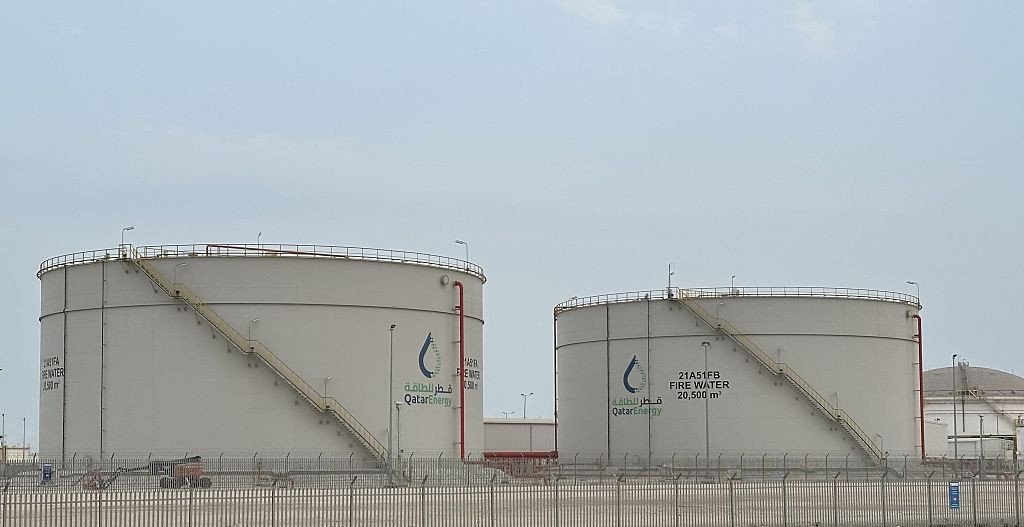
Iranian strikes have crippled 17% of Qatar’s liquefied natural gas (LNG) export capacity, resulting in an estimated $20 billion in lost annual revenue, QatarEnergy’s CEO Saad al-Kaabi told Reuters in an interview on March 19.
The unprecedented attacks, which occurred during the month of Ramadan, targeted the Ras Laffan production hub, damaging two of Qatar’s 14 LNG trains and a gas-to-liquids (GTL) facility. Al-Kaabi stated that repairs will sideline 12.8 million tons of LNG per year for the next three to five years.
We bring you stories from the ground. Your support keeps our team in the field.
“I never in my wildest dreams would have thought that Qatar and the region would be in such an attack, especially from a brotherly Muslim country in the month of Ramadan, attacking us in this way,” al-Kaabi told Reuters.
The fallout has forced the state-owned giant to declare force majeure on long-term contracts with Italy, Belgium, South Korea, and China. US energy major ExxonMobil, a partner in the damaged LNG trains, and Shell, a partner in the GTL facility, are both facing significant operational impacts.
Beyond gas, the strikes have gutted other critical exports: condensate shipments are expected to drop by 24%, while helium output—vital for South Korean chipmakers—will fall by 14%.
The scale of the destruction has reportedly set the region’s energy infrastructure back by 10 to 20 years. Construction on the massive North Field expansion project has been halted and could be delayed by more than a year, according to Reuters.
Addressing the wider conflict, al-Kaabi emphasized that the region should not be a target in the ongoing hostilities between Iran and Israel. “Everybody in the world, whether it’s Israel, whether it’s the US, whether it’s any other country, everybody should stay away from oil and gas facilities,” he warned.
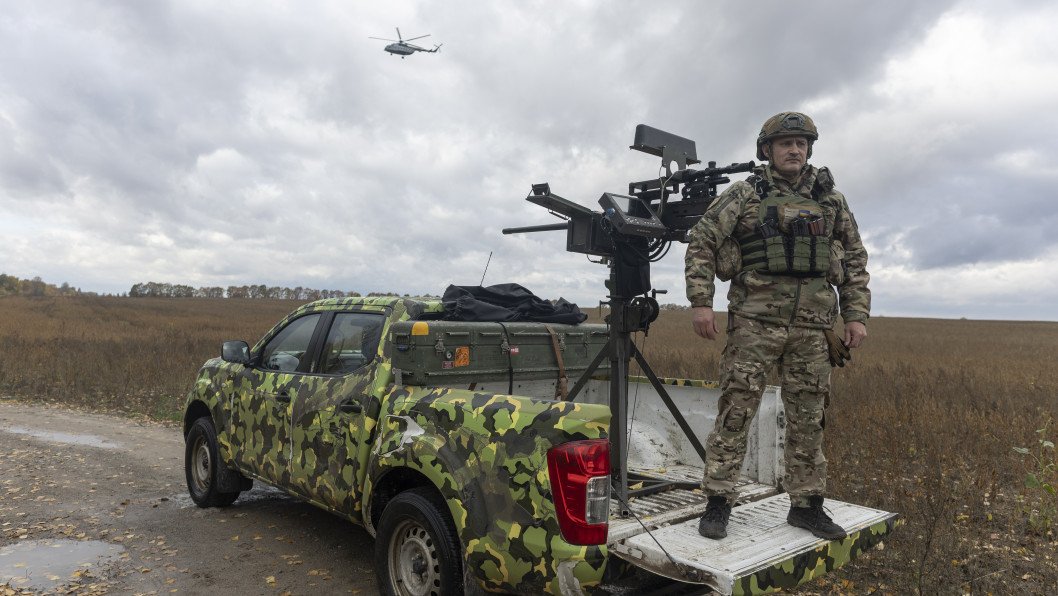
By 2026, the military partnership between Russia and Iran evolved into a strategic merger where Moscow provided advanced combat aviation and air defense systems in exchange for a continuous supply of Shahed drones and ballistic missiles. This relationship integrated the military industrial bases of both nations, allowing Tehran to utilize Russian-refined drone tactics to cripple Gulf energy hubs.
Currently, as the Kremlin and Tehran synchronize their efforts to challenge Western maritime security, this axis has effectively turned once-stable commercial shipping lanes into active flashpoints on a global scale.
Discuss this article:





-c439b7bd9030ecf9d5a4287dc361ba31.jpg "Photo of Katherina Popilnichenko")