- Category
- Latest news
Iran Imposes $2M Toll on Select Ships in Strait of Hormuz
 Prefer U24 Media on Google
- Authors

-72b63a4e0c8c475ad81fe3eed3f63729.jpeg "Photo of Cyril Barabaltchouk")
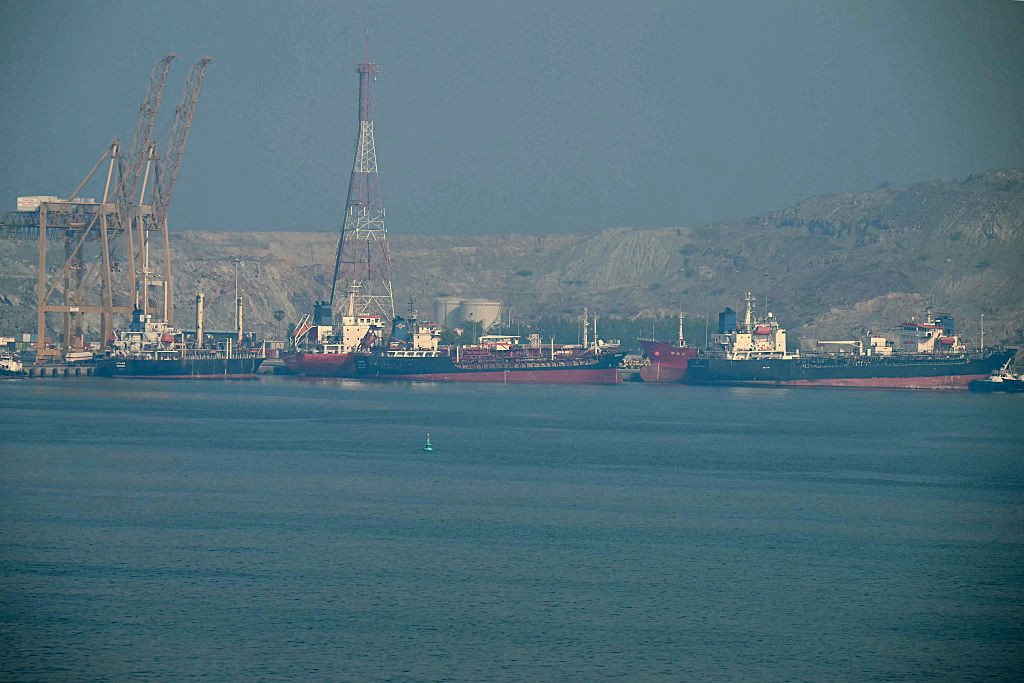
Iran is allowing a select group of vessels to use its territorial waters to traverse the Strait of Hormuz, the Financial Times (FT) reported on March 20.
Shipping executives believe the move is intended to demonstrate Tehran’s absolute control over the world’s most critical energy artery. At least eight vessels—including tankers and bulk carriers from India, Pakistan, and Greece—executed an unusual route around Larak Island this week, according to analysis of transponder signals.
We bring you stories from the ground. Your support keeps our team in the field.
One operator reportedly paid a $2 million fee to Tehran in exchange for safe passage, effectively turning the waterway into a private toll zone, FT wrote.
This development follows a 96% collapse in passages through the strait since the outbreak of the US-Israel conflict with Iran, which has left roughly 3,200 ships stranded across the Gulf. The “new regime” for the strait appears to favor nations with close diplomatic or economic ties to the Islamic Republic.
At least nine Chinese tankers linked to the state-owned COSCO group are currently amassing north of Abu Dhabi, apparently awaiting authorized transit. Analysts told FT that because intensive US strikes have neutralized most of Iran’s radar and lookout infrastructure, forcing ships close to the coastline allows the Iranian navy to manually identify and vet vessels as they pass.
The selective reopening comes as global energy markets reel from a prolonged “energy shock.” Oil prices briefly jumped to almost $119 per barrel on March 19 after a strike on Qatar’s Ras Laffan gas complex pushed European gas prices up by 30%. By granting passage only to specific partners, Tehran is attempting to leverage its maritime position to escape diplomatic isolation and pressure the Trump administration, according to FT.
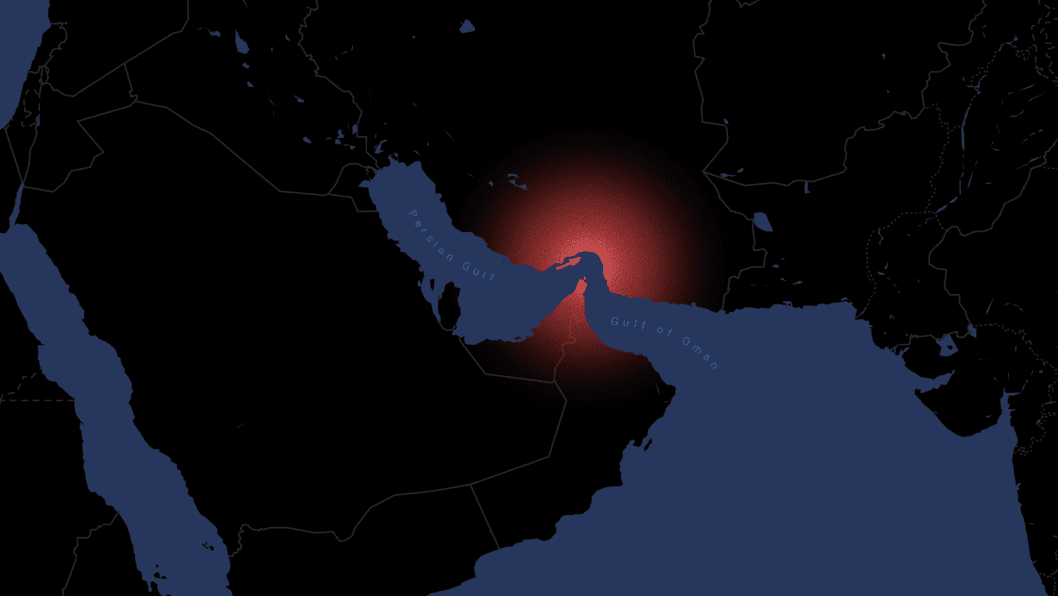
Industry experts said to FT that Iran is modeling its strategy after the Houthi rebels' Red Sea tactics, where ships must effectively request permission for transit. While the flow of vessels remains low, former Iranian officials indicate the goal is to permanently upgrade Tehran’s regional influence from a sanctioned pariah to a powerful gatekeeper of the world’s oil supply.
European nations recently initiated preliminary discussions with Tehran to secure a permissive environment for energy shipments and avoid further escalation. Currently, as the blockade severs a critical artery for 25% of the world’s oil production, the US and its allies are coordinating a massive release of strategic petroleum reserves to stabilize failing global markets.
This diplomatic outreach continues as Iran maintains a de facto closure of the waterway, driving up fuel and fertilizer costs for the most vulnerable import-reliant states.
Discuss this article:
-4a56a6b482ec132402c16ef6fcabf9a2.png)


-c439b7bd9030ecf9d5a4287dc361ba31.jpg "Photo of Katherina Popilnichenko")