- Category
- Latest news
Russia Was Cashing In on Soaring Oil Prices—Until Ukraine Struck Its Energy Lifeline
 Prefer U24 Media on Google
- Authors


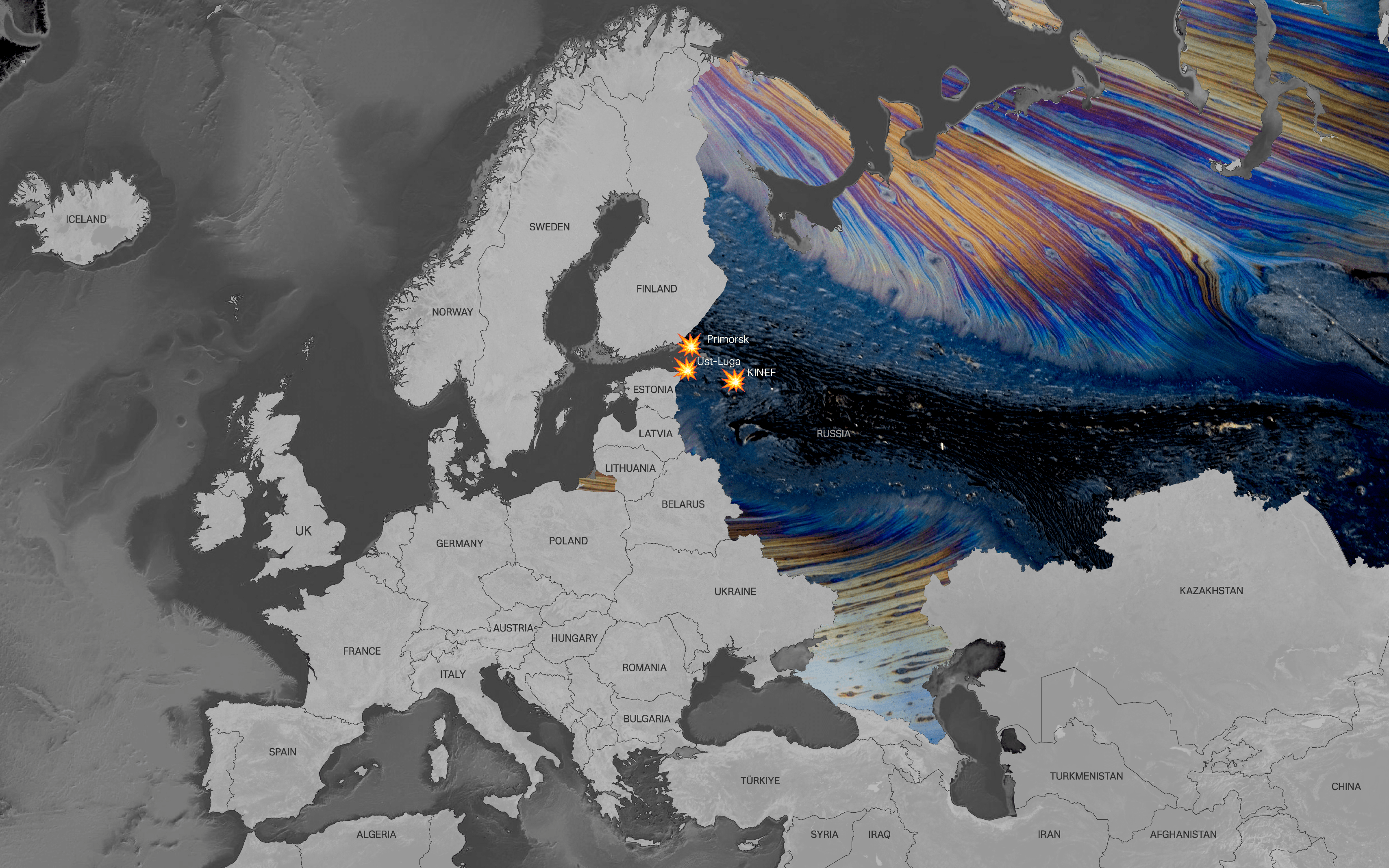
Ukraine has intensified long-range strikes on Russia’s oil infrastructure, disrupting a key source of revenue for the Kremlin at a time when global energy demand linked to the Iran war had significantly increased Moscow’s earnings.
We bring you stories from the ground. Your support keeps our team in the field.
According to The Telegraph on March 27, Ukrainian drone operations targeted major oil export facilities, including the Ust-Luga terminal on the Baltic Sea, causing large-scale fires and damage to storage and loading infrastructure.
The report states that the strike followed a long-range drone flight that penetrated multiple layers of Russian air defense before hitting the site.
Ukraine Strikes Deep Inside Russia, Targets Key Oil Infrastructure Over 1,000 km In
— Washington Eye (@washington_EY) March 25, 2026
Major Baltic export terminal and Ufa refinery hit in long-range attacks as frontline clashes surge, signaling intensified escalation with no slowdown in sight #WashingtonEye pic.twitter.com/nZv2WLuyVQ
The attacks come as Russia had begun benefiting financially from the ongoing Iran war. Following the escalation involving the US and Israel, Russia’s oil and gas revenues rose sharply, reaching approximately $760 million per day, or nearly $24 billion in March alone.
However, Ukrainian strikes have begun to affect this revenue stream. According to The Telegraph, citing a Reuters report, around 40 percent of Russia’s oil export capacity was disrupted during the week due to attacks on infrastructure and logistical bottlenecks.
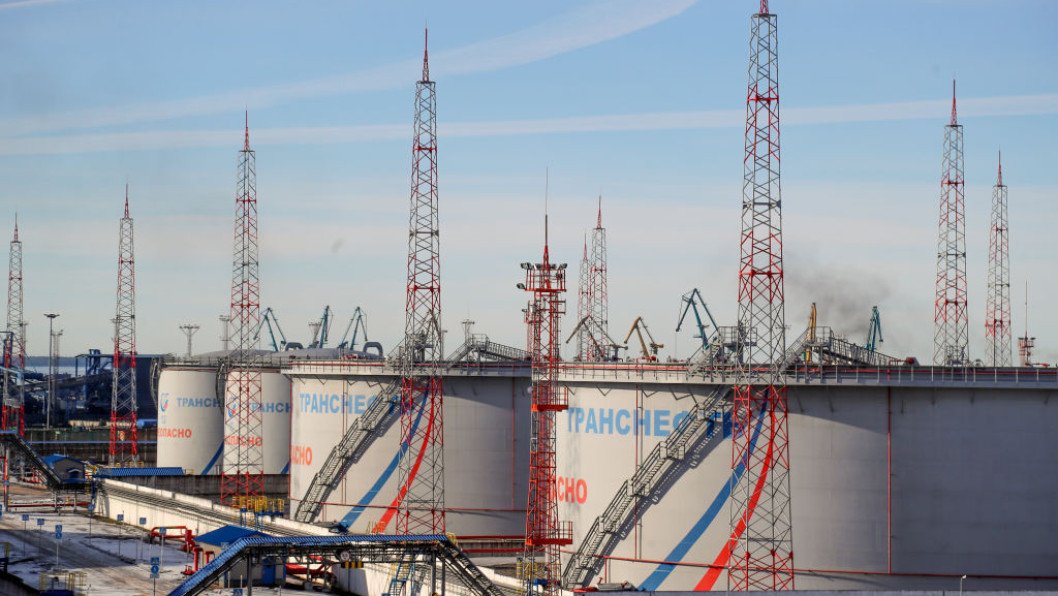
Further details reported by The Telegraph indicate that key export hubs, including Ust-Luga and Primorsk, which together handle up to 1.7 million barrels per day, were forced to suspend operations following drone strikes. Satellite imagery reviewed after the attacks showed extensive damage, including destroyed storage tanks and ongoing fires.
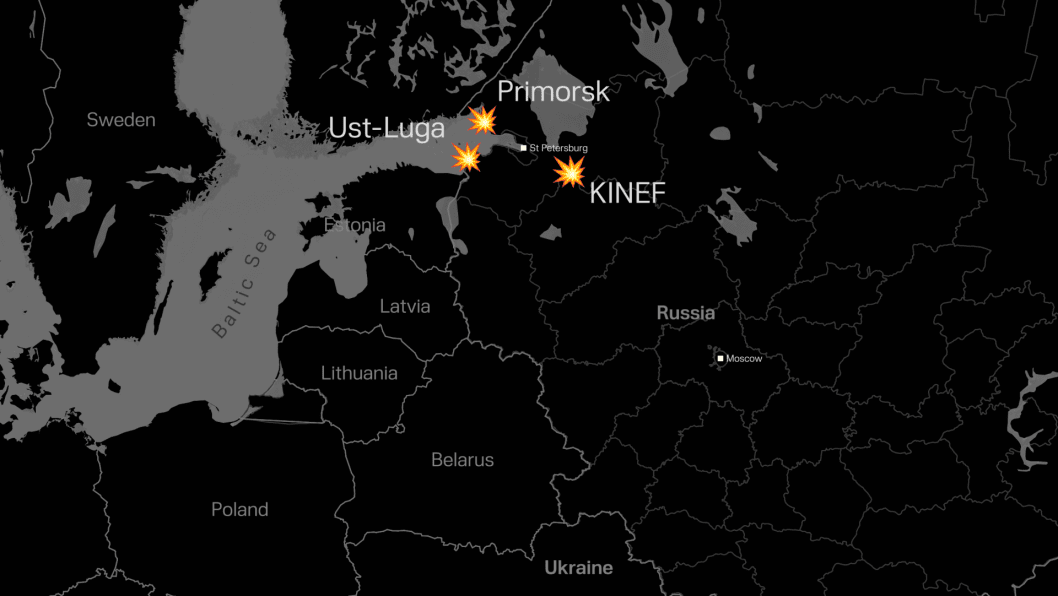
Additional strikes targeted refining capacity inside Russia. Ukrainian forces confirmed an attack on the Kirishi refinery near St. Petersburg, which processes approximately 350,000 barrels per day, or 6.6 percent of Russia’s total refining output.
The report also states that Ukrainian operations extended beyond fixed infrastructure. A marine drone reportedly struck a sanctioned tanker near the Bosphorus Strait carrying approximately one million barrels of crude oil from Russia.
According to The Telegraph, Ukraine has conducted more than 40 deep strikes inside Russia in the first two months of 2026, primarily targeting oil and gas infrastructure—double the rate recorded in 2025.

The article notes that Ukraine has expanded its targeting strategy beyond refineries to include the broader oil system, including transport and export networks. According to The Telegraph, citing strategic policy expert Maksym Beznosiuk, this approach is designed to limit Russia’s ability to convert higher global oil prices into increased military spending.
At the same time Russia’s economy remains under pressure. Prior to the Iran war, oil and gas revenues had declined by 47 percent year-on-year, while the national budget deficit had already reached 91 percent of its annual target.
The financial strain has led to internal measures, including reported discussions between Russian leadership and business elites about additional contributions to support defense spending.
In terms of capabilities, The Telegraph reports that Ukraine is relying on domestically produced long-range strike drones, including the FP-1 model, which can carry warheads weighing up to 120 kilograms and reach distances of nearly 1,000 miles. These systems are produced at relatively low cost and are used in a significant share of deep strikes inside Russia.
Earlier, according to OSINT group Exilenova+ on March 25, a Russian Arctic patrol vessel under construction at the Vyborg Shipyard in the Leningrad region was reportedly damaged in a drone strike, leaving the ship listing and colliding with a nearby vessel.
Images from the scene suggest possible hull damage to the ice-class Project 23550 ship, believed to be the Purga, a platform intended for Arctic operations as part of Russia’s FSB Coast Guard fleet.
Discuss this article:
-9a7b3a98ed5c506e0b77a6663f5727c5.png)


-c439b7bd9030ecf9d5a4287dc361ba31.jpg "Photo of Katherina Popilnichenko")