- Category
- World
Russian Protest Potential Reaches Highest Level in Nearly Two Years
 Prefer U24 Media on Google
- Authors

-72b63a4e0c8c475ad81fe3eed3f63729.jpeg "Photo of Cyril Barabaltchouk")
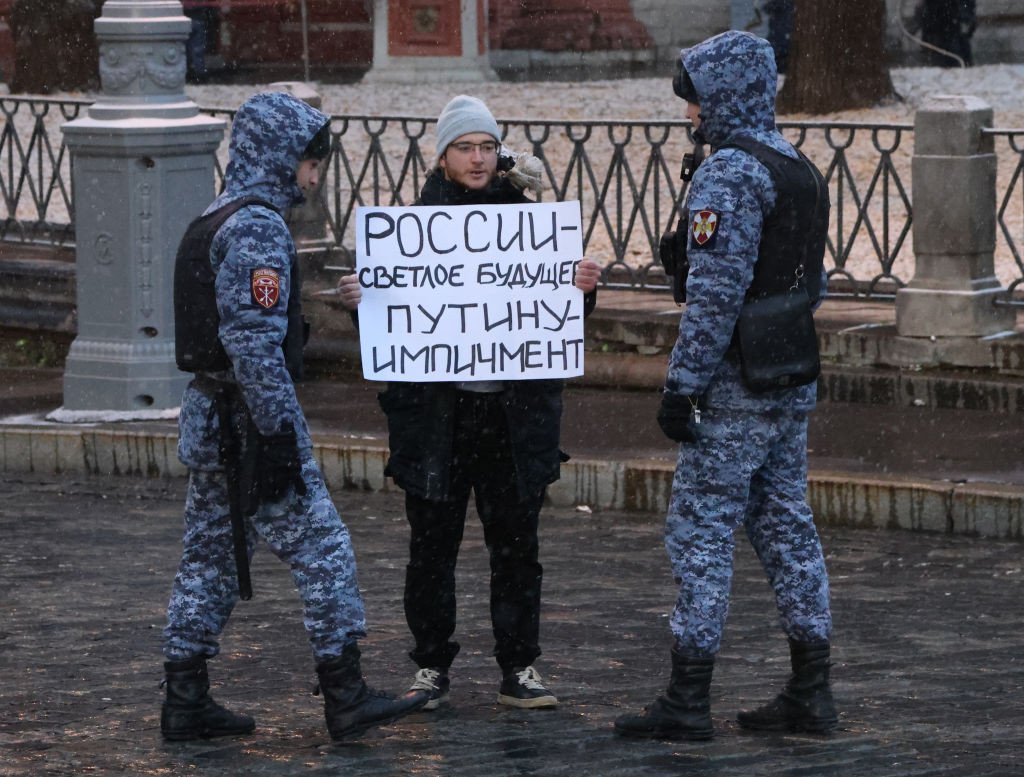
Protest potential in Russia has reached its highest level in nearly two years, according to a recent survey conducted by the independent Levada Center, Agentstvo reported on May 14.
The April poll revealed that 20% of Russian respondents believe mass demonstrations against declining living standards are possible, while 14% consider protests with political demands likely. These figures represent an increase of 4 and 3 percentage points, respectively, compared to the previous survey conducted in November 2025. According to Agentstvo, both metrics mark the highest levels recorded since July 2024.
We bring you stories from the ground. Your support keeps our team in the field.
The drop in living standards is largely driven by a contracting civilian economy and the rapid erosion of purchasing power, according to United24 Media. As the Kremlin prioritizes record military spending, everyday citizens are absorbing the impact of real inflation and aggressive fiscal policies—including a recent value-added tax hike to 22%—which have wiped out nominal wage gains and forced widespread cutbacks on basic goods and services.
When asked about personal involvement, 12% of respondents indicated they would participate in political protests if they occurred, representing a 1 percentage point increase. Conversely, the number of individuals willing to join economic protests decreased slightly by 1 percentage point to 16%.
Despite the recent uptick, overall protest sentiment remains well below pre-invasion levels. Agentstvo noted that in February 2022, 29% of citizens believed protests were possible, with 23% ready to participate in economic demonstrations. In January 2021, coinciding with the return of opposition leader Alexei Navalny, 43% anticipated economic protests and 45% expected political rallies.
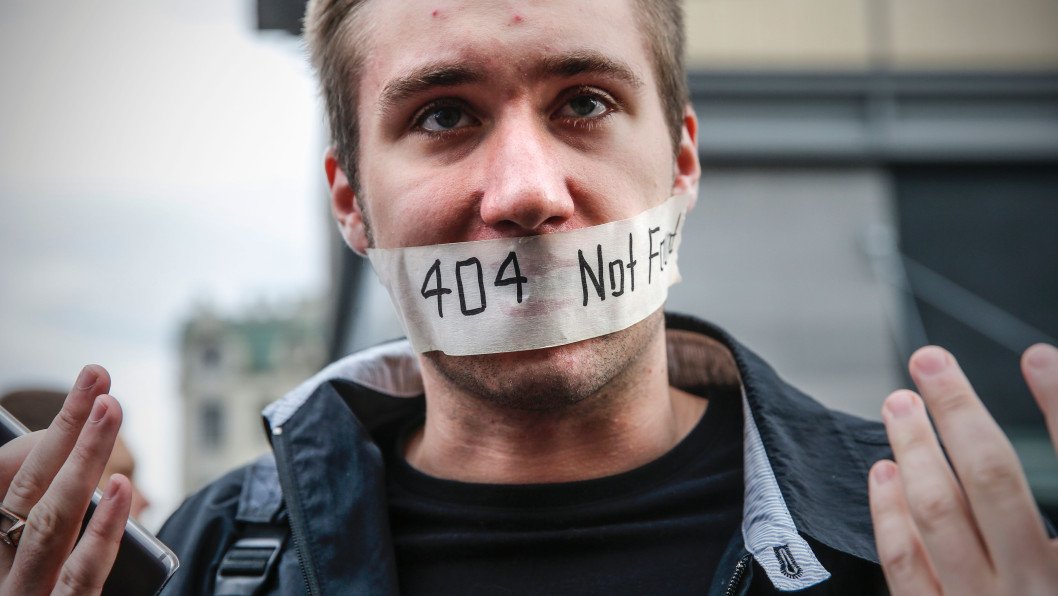
The recent rise in protest potential aligns with broader domestic trends inside the Russian Federation. Agentstvo noted that the growing discontent coincides with falling government approval ratings, which have been documented by both the independent Levada Center and state-aligned pollsters such as VCIOM and FOM.
The surge in protest sentiment correlates with a sustained collapse in government approval ratings across Russia. According to recent polling by the state-owned Russian Public Opinion Research Center (VCIOM), Russian leader Vladimir Putin’s approval rating has steadily declined to 66.7%, marking its lowest level since the beginning of the full-scale invasion of Ukraine in early 2022.
In open polls, public trust in the Russian leader plummeted to 29.5%, while approval for the ruling United Russia party, the State Duma, and the federal government all hit record wartime lows. The mounting public frustration is largely attributed to a combination of declining living standards and deeply unpopular domestic crackdowns, including the recent blocking of Telegram, widespread restrictions on VPN usage, and increasing state-mandated internet shutdowns.
Discuss this article:

-c439b7bd9030ecf9d5a4287dc361ba31.jpg "Photo of Katherina Popilnichenko")
-111f0e5095e02c02446ffed57bfb0ab1.jpeg "Photo of Roman Kohanets")