- Category
- Latest news
Record 7-Year Low for Putin’s Approval Rating After Telegram and VPN Blocks
 Prefer U24 Media on Google
- Authors

-c439b7bd9030ecf9d5a4287dc361ba31.jpg "Photo of Katherina Popilnichenko")
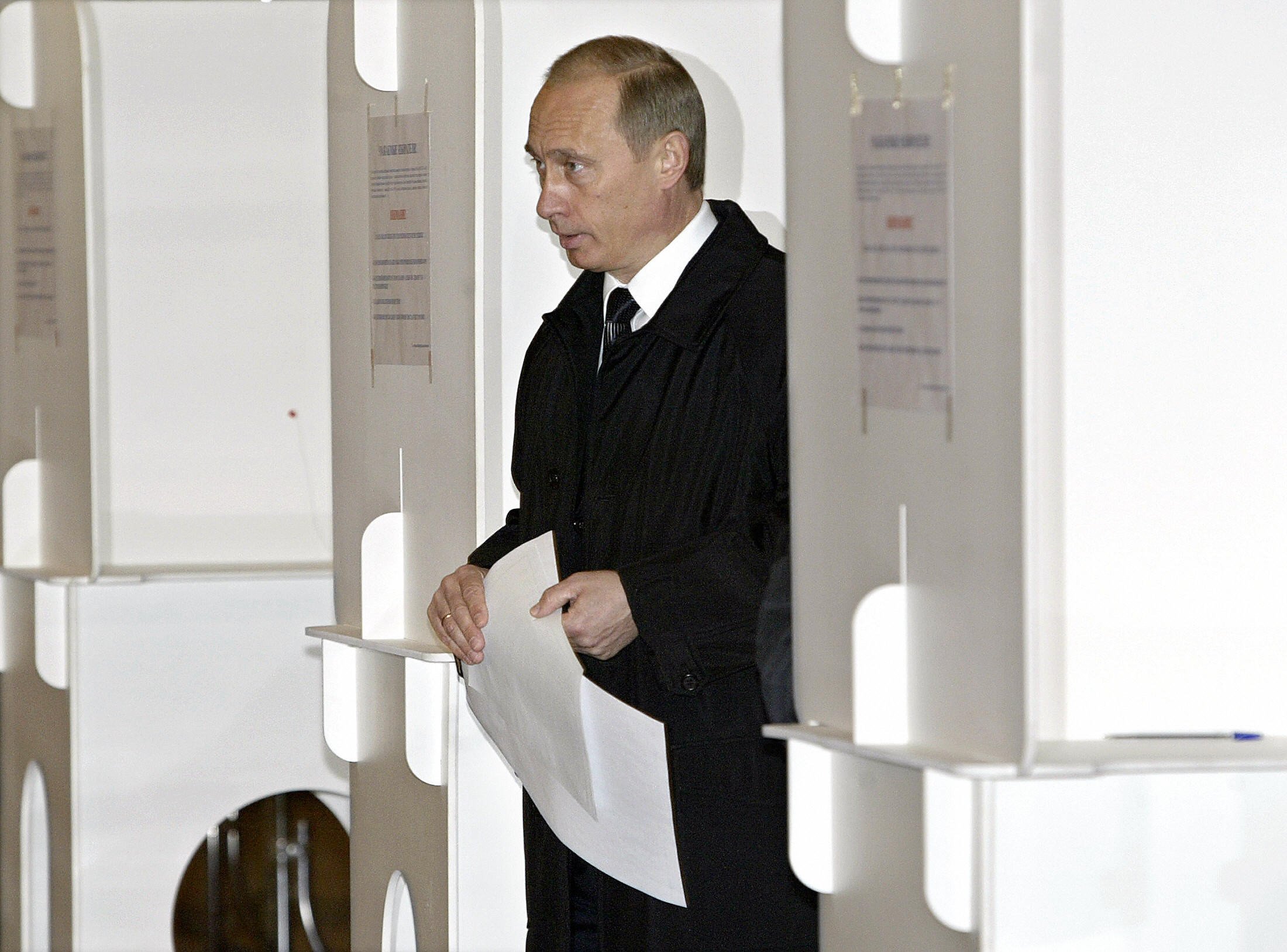
Russian Leader Vladimir Putin is experiencing a significant decline in public trust following a series of aggressive moves to block Telegram and VPN services, according to The Moscow Times on April 3.
We bring you stories from the ground. Your support keeps our team in the field.
Recent data from the Public Opinion Foundation (FOM) shows that the share of Russians who trust Putin fell by 5 percentage points in a single week, dropping from 76% to 71%.
This survey, conducted between March 27 and 29, represents the sharpest decline recorded by the foundation since at least 2019. Meanwhile, the number of people who say they "rather do not trust" the leader rose from 13% to 17%.
The drop in approval is not limited to the leader himself. Ratings for the Russian government and Prime Minister Mikhail Mishustin also fell by approximately 2 percentage points.
Political party ratings reflect a similar trend with the ruling United Russia party lost 3 percentage points, falling to 38%. The Liberal Democratic Party (LDPR) dropped to 9%, while the Communist Party (CPRF) remained at 8%.

In contrast, the New People party saw a slight increase to 6%. Sociologists have also noted a rise in protest expectations, with more respondents believing that many people would participate if demonstrations were to occur.
Data from the Russian Public Opinion Research Center (VCIOM) supports these findings. According to their March reports, Putin's approval rating fell to 70.1% within a week, while trust levels dipped to 75%. Since the start of the year, total trust has decreased by 4.3 percentage points.
At the same time, the number of people who disapprove of Putin’s actions grew from 14.8% in January to 18.3% in March. Support for the United Russia party also saw a decline, reaching 29.3%.
By the spring of 2026, the Open Observatory of Network Interference (OONI) reported that 80% of the service was blocked. Mikhail Oseevsky, the head of Rostelecom, confirmed that Telegram traffic on the T2 network has fallen tenfold.
Internet shutdowns have been occurring across Russia since May 2025. Monitoring projects report that authorities regularly implement shutdowns in 62 regions, while 72 regions have adopted "white lists" of approved websites.
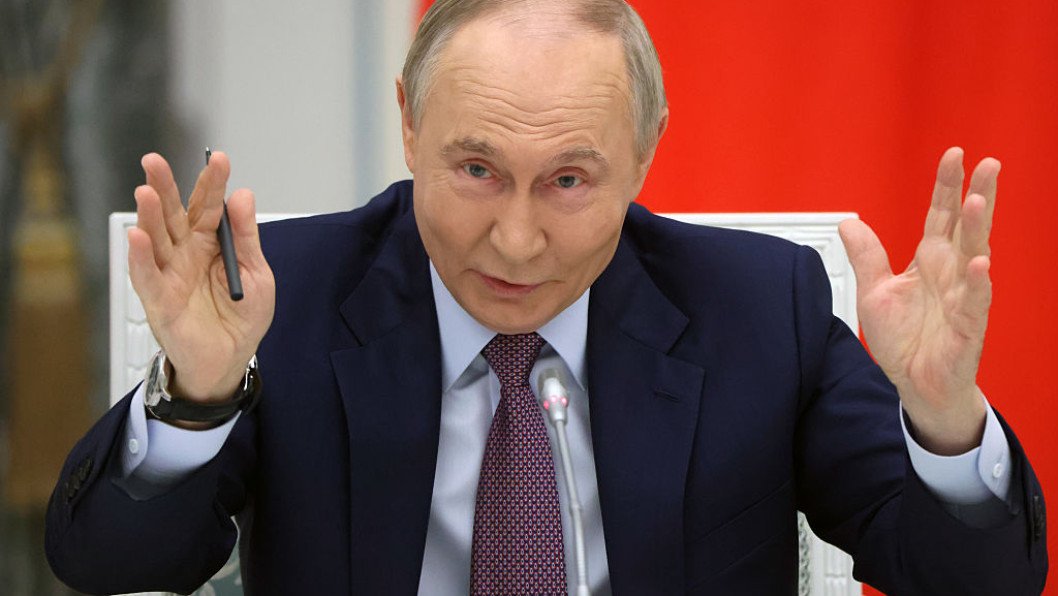
The Ministry of Digital Development is currently introducing new measures to stop people from bypassing these blocks. This includes a ban on mobile operators allowing users to top up Apple ID balances through phone accounts, which makes it harder to pay for VPN services.
On April 2, 2026, reports emerged that the Russian government had ordered the country’s largest digital platforms to join an active effort to block VPN services. During a meeting held on March 30, the Ministry of Digital Development instructed more than 20 major companies, including Sberbank and Yandex, to prevent users from accessing their resources via these bypass tools.
Authorities provided these businesses with a list of banned VPNs and required them to report any newly discovered services to the state regulator, Roskomnadzor. Companies that failed to comply faced severe consequences, such as the loss of IT accreditation and tax benefits.
Discuss this article:
-9bd5e1532102621f8fb1c4ba871a3171.png)


-72b63a4e0c8c475ad81fe3eed3f63729.jpeg "Photo of Cyril Barabaltchouk")

-111f0e5095e02c02446ffed57bfb0ab1.jpeg "Photo of Roman Kohanets")
-16dbd023ff153d76e58b1840fd2f3f28.jpg "Ukrainian freediver Nataliia Zharkova. (Source: @nat_freediver/Instagram)")