- Category
- Latest news
Russia Forces Tech Giants Into Nationwide VPN Crackdown Amid Rising Digital Repression
 Prefer U24 Media on Google
- Authors

-c439b7bd9030ecf9d5a4287dc361ba31.jpg "Photo of Katherina Popilnichenko")

The Russian government has ordered the country’s largest digital platforms to join an active effort to block VPN services.
During a meeting on March 30, the Ministry of Digital Development instructed more than 20 major companies to prevent users from accessing their resources via these bypass tools, according to RBC on April 2.
We bring you stories from the ground. Your support keeps our team in the field.
The list of involved businesses includes names such as Sberbank, Yandex, VK, Wildberries, Ozon, and several others across the retail, finance, and media sectors.
Authorities have provided these companies with a list of banned VPNs and a manual on how to identify and block them. Furthermore, these businesses are now required to report any newly discovered VPN services to the state regulator, Roskomnadzor.
The government decided to involve the private sector due to the widespread use of tools that allow citizens to bypass internet restrictions.
Companies that fail to follow these new rules face severe consequences, including the loss of their IT accreditation and tax benefits. Their services may also be removed from official "white lists" and deleted from the list of software that must be pre-installed on devices sold in Russia.
By April 15, a government decree is expected to be finalized to allow for the testing of these platforms to ensure they are no longer accessible through unauthorized VPNs.
While most companies reported that they are technically capable of implementing these restrictions, many noted that it would require significant adjustments.

Industry experts warned concerns about the difficulty of distinguishing between corporate VPNs used for business and those used by the general public.
There are also fears that these domestic restrictions might give an advantage to foreign services that do not have to follow these specific Russian laws.
A source within the Ministry of Digital Development claimed that these measures are intended to prevent more extreme actions, such as criminal charges for using VPNs.
The crackdown began in late March, with authorities also targeting payment methods for bypass tools. On April 1, mobile operators were instructed to block the ability to top up Apple ID accounts via phone bills and were encouraged to set a monthly data limit of 15 gigabytes for traffic used through VPNs.
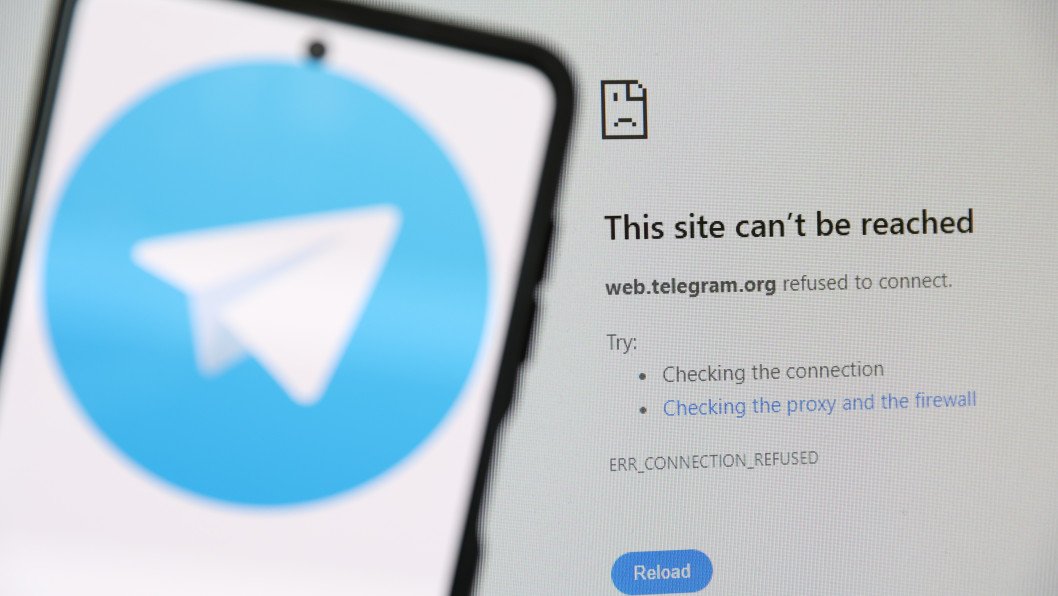
Recent data shows that interest in VPNs among Russians has reached its highest level in five years. This surge followed recent disruptions to messaging platforms like Telegram and WhatsApp.
While some reports suggest these orders came directly from the Kremlin, official spokespeople have stated they are unaware of such specific instructions.
On March 28, the Russian Ministry of Digital Development considered new measures to penalize the use of VPN services during a meeting with telecommunications operators and tech companies.
Minister of Digital Development, Communications and Mass Media Maksut Shadayev discussed the implementation of fees and administrative fines for citizens who used tools to bypass internet restrictions.
The ministry also urged major digital platforms and retailers to restrict users who accessed their resources via VPNs, with some sources suggesting these policies were set to begin on May 1.
To enforce these rules, companies utilized scoring systems to identify VPN usage by analyzing IP reputations and browser data, though experts noted that achieving total accuracy remained difficult.
Discuss this article:
-9a7b3a98ed5c506e0b77a6663f5727c5.png)




-111f0e5095e02c02446ffed57bfb0ab1.jpeg "Photo of Roman Kohanets")



-72b63a4e0c8c475ad81fe3eed3f63729.jpeg "Photo of Cyril Barabaltchouk")