- Category
- Latest news
Putin’s Approval Rating Falls to Lowest Level Since 2022 Amid Ongoing Repression and War Impact
 Prefer U24 Media on Google
- Authors


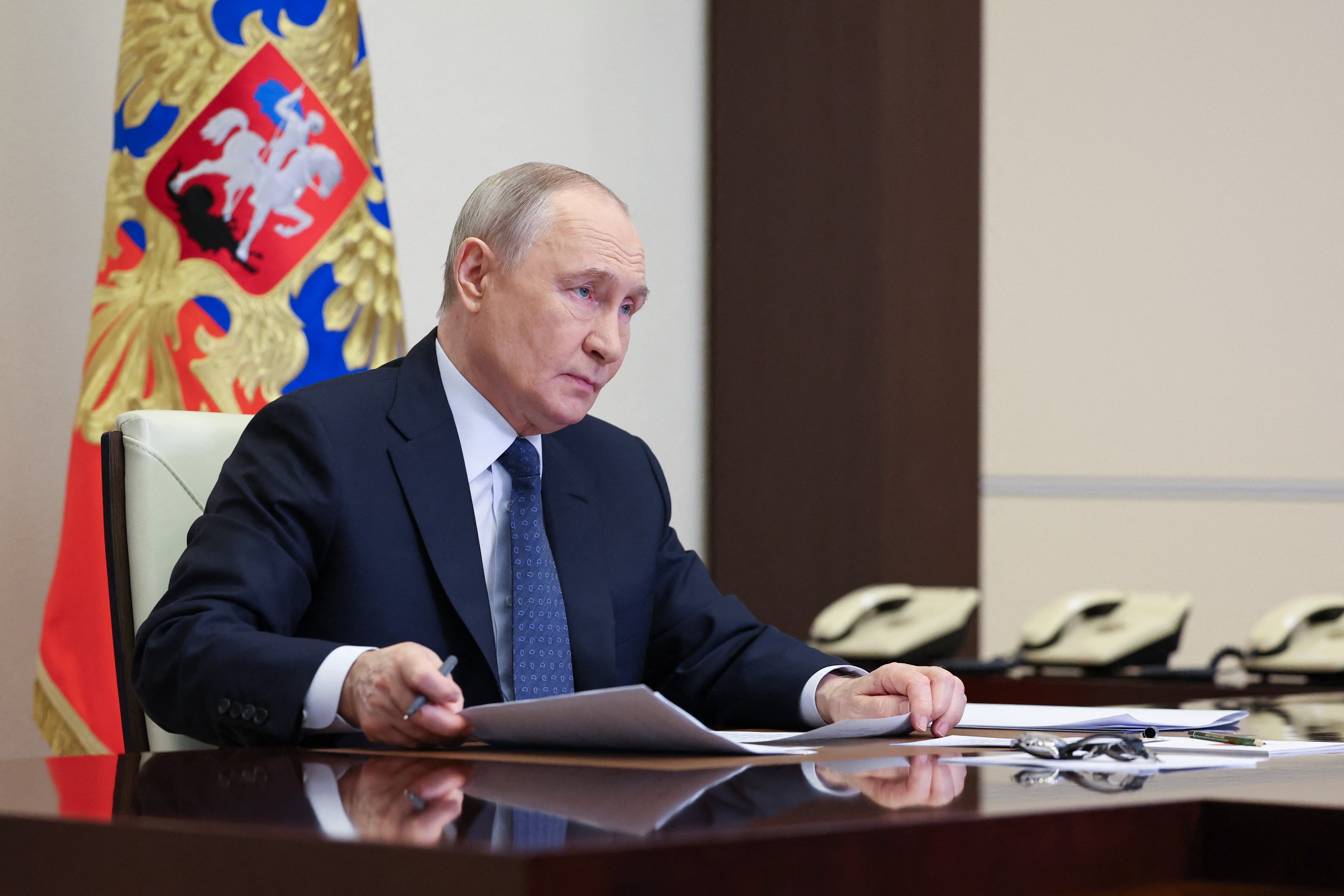
Russia’s official sociologists continue to track a significant decline in President Vladimir Putin’s approval ratings, as reported by The Moscow Times on April 10, citing state polling agency VTsIOM .
The downward trend has been attributed to ongoing government actions such as blocking Telegram, cracking down on VPN usage, and increasing internet shutdowns.
We bring you stories from the ground. Your support keeps our team in the field.
In the week ending April 5, Putin’s approval rating fell to 67.8%, marking its lowest level since February 20, 2022, according to VTsIOM’s findings. Over the past week, Putin’s rating dropped by 2.3 points, and over the last month, it has decreased by 4.9 points.
Since the end of 2023, his approval has dropped by 10 points. Furthermore, other key government ratings saw declines, with approval for the government standing at 40.3%, the State Duma at 41.7%, and the Federation Council at 41.8%—all marking their lowest levels since the beginning of Russia’s invasion of Ukraine.
In an open poll conducted by VTsIOM, in which respondents were asked to name the politicians they “trust” or “distrust,” Putin’s trust rating plummeted to 29.5%, the lowest level since the war began. This represents a sharp decline from the peak of 48.8% in March 2024, down by more than a third.
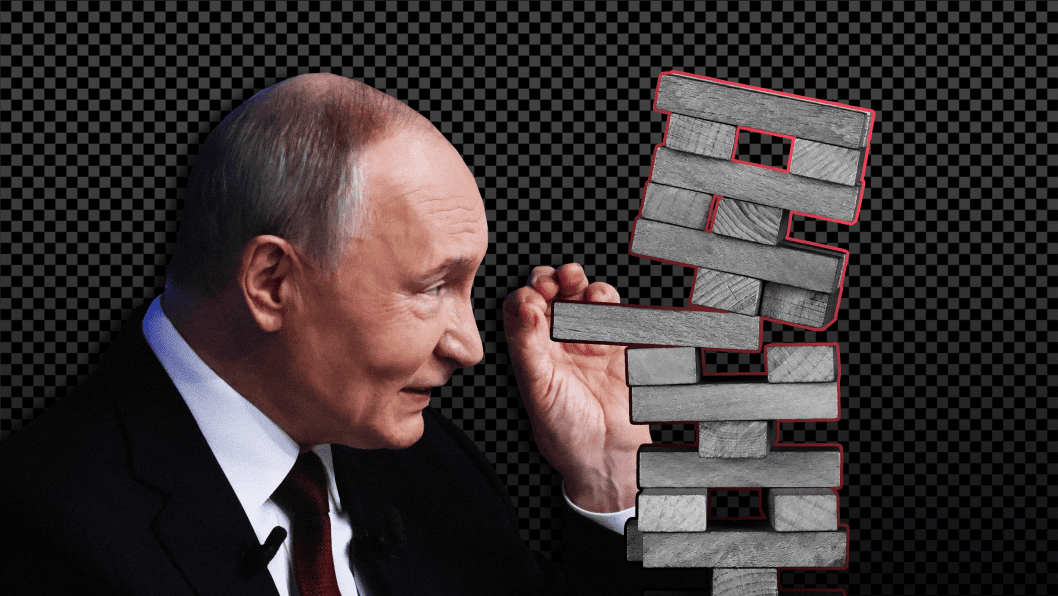
Political analyst Abbas Gallyamov, cited by The Moscow Times, noted that, back in 2015, trust in Putin had reached 71%, but this figure has since halved. He added that the publication of such data may soon cease altogether, given the increasingly negative trend.
Experts point out that the official approval ratings, which VTsIOM tends to maintain near 70%, are not an accurate reflection of public support. Instead, they are seen as a measure of fear, showing the number of people who are willing to express their dissatisfaction with the president despite the potential consequences. Research suggests that this number is increasing, with more individuals willing to voice their concerns about Putin’s leadership.
Several factors contribute to the shift in public opinion. These include the persistent restrictions on communication services like messaging apps and the internet, unfulfilled expectations for a deal between the US and Russia over Ukraine, and the growing toll of the war, which continues to impact Russia’s economy. Gülnaz Sharafutdinova, Director of the Russia Institute at King’s College London, noted that the war’s economic repercussions are becoming increasingly apparent.
Sociologist Konstantin Gaaze, a former government advisor, highlighted the expanding role of the state in the everyday lives of Russians, citing trends such as internet blackouts and growing restrictions.
“The war is infiltrating deeper into the heart of European Russia. Drones, strikes on oil refineries—these things accumulate over time,” Gaaze explained.
Sociologist Elena Koneva described the current state of Putin’s support as a “giant snowball,” slowly melting. “It won’t collapse immediately; it melts, melts, and melts,” she said.
“This is a gradual, truly significant shift. This is the first sign, and it cannot be stopped by further repression—there are too many reasons behind it.”
Russian leader Vladimir Putin is facing a marked decrease in public trust, following a series of actions aimed at blocking services such as Telegram and VPNs, as his trust rating has dropped by 5 percentage points in just one week, falling from 76% to 71%, according to recent data from the Public Opinion Foundation.
Discuss this article: