- Category
- World
Russia Gives Putin Power to Send Troops Into Countries Arresting Russians. Here’s What That Means
 Prefer U24 Media on Google
- Authors


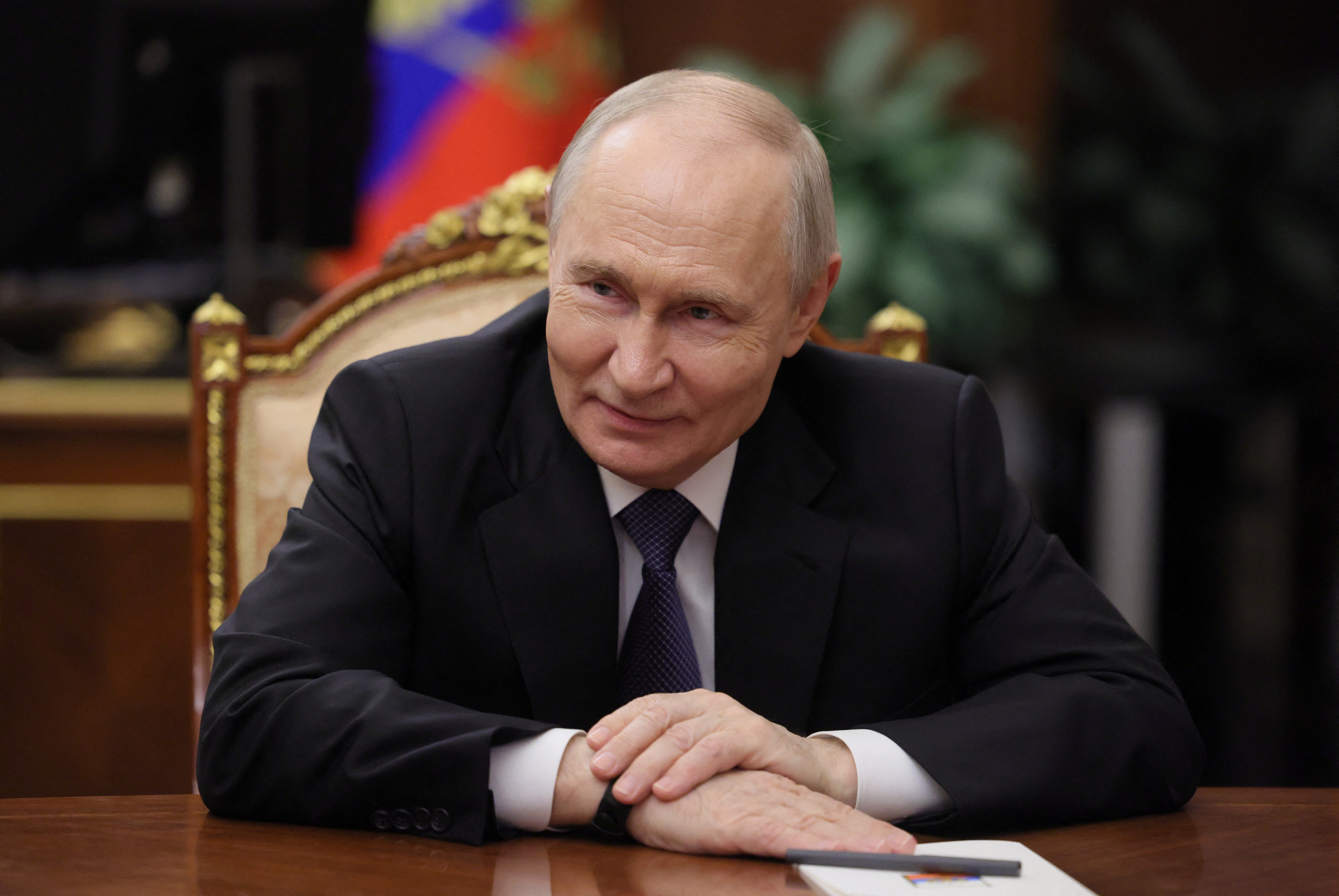
Russia’s State Duma has approved legislation allowing Russian leader Vladimir Putin to deploy Russian military formations abroad to “protect Russian citizens from foreign or international legal prosecution.”
We bring you stories from the ground. Your support keeps our team in the field.
The bill introduces amendments to Russia’s laws “On Defense” and “On Citizenship” and has now been forwarded to the Federation Council, Russia’s upper chamber of parliament. If approved by senators and signed by Putin, the law will enter into force 10 days after official publication.
According to Russian outlet Meduza, the new legislation significantly broadens the president’s authority to use Russian armed forces outside the country by removing previous limitations tied to specific missions approved by parliament.
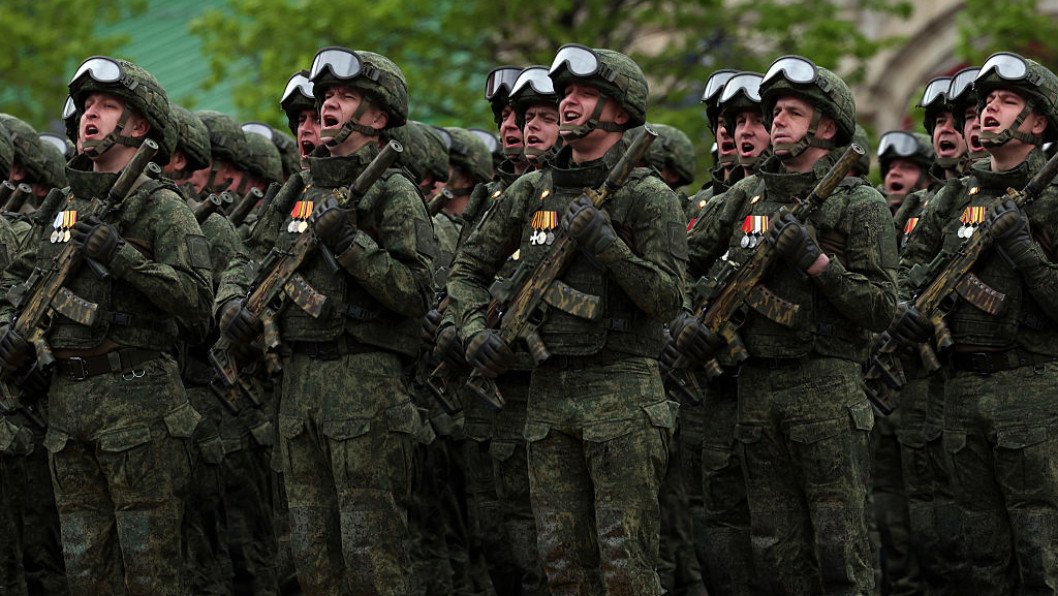
Under existing Russian law, the Federation Council formally authorizes the use of the Armed Forces abroad. Previous approvals allowed military deployments for narrowly defined purposes, including responding to attacks on Russian troops stationed overseas, defending allied states, protecting Russian citizens from armed attacks abroad, and combating piracy.
The newly approved amendments would allow Putin to independently determine the purpose of overseas military deployments, as well as the size, operational area, and duration of such missions.
According to Meduza, the Russian government argues that protecting citizens from foreign criminal prosecution constitutes use of the military “not for its intended purpose,” requiring explicit authorization under federal law.
The legislation states that military force could be used in cases where a foreign or international court has already issued a legal decision against a Russian citizen, including arrest warrants or other forms of prosecution. The text also references “other persecution,” though it does not define the term further.
The law specifies that such measures cannot be applied against courts or legal bodies in which Russia formally participates.
This provision appears to exclude institutions such as the International Court of Justice or the International Tribunal for the Law of the Sea, while potentially leaving open the possibility of action related to the International Criminal Court or a future special tribunal on Russia’s war against Ukraine.
The International Criminal Court issued arrest warrants for Putin and Russian Children’s Rights Commissioner Maria Lvova-Belova in 2023 over the unlawful deportation of Ukrainian children.
Earlier, President Volodymyr Zelenskyy warned that Russia may be preparing new military operations using Belarusian territory, potentially targeting northern Ukraine or a NATO member state. According to Zelenskyy on May 15, Moscow has intensified talks with Belarusian leader Alexander Lukashenko in an effort to draw Minsk more directly into the war.
Discuss this article:
-9a7b3a98ed5c506e0b77a6663f5727c5.png)

-c439b7bd9030ecf9d5a4287dc361ba31.jpg "Photo of Katherina Popilnichenko")
-72b63a4e0c8c475ad81fe3eed3f63729.jpeg "Photo of Cyril Barabaltchouk")