- Category
- Business
Russians Pull More Than $13 Billion in Cash Out of Banks as Withdrawals Hit 30-Year Record
 Prefer U24 Media on Google
- Authors


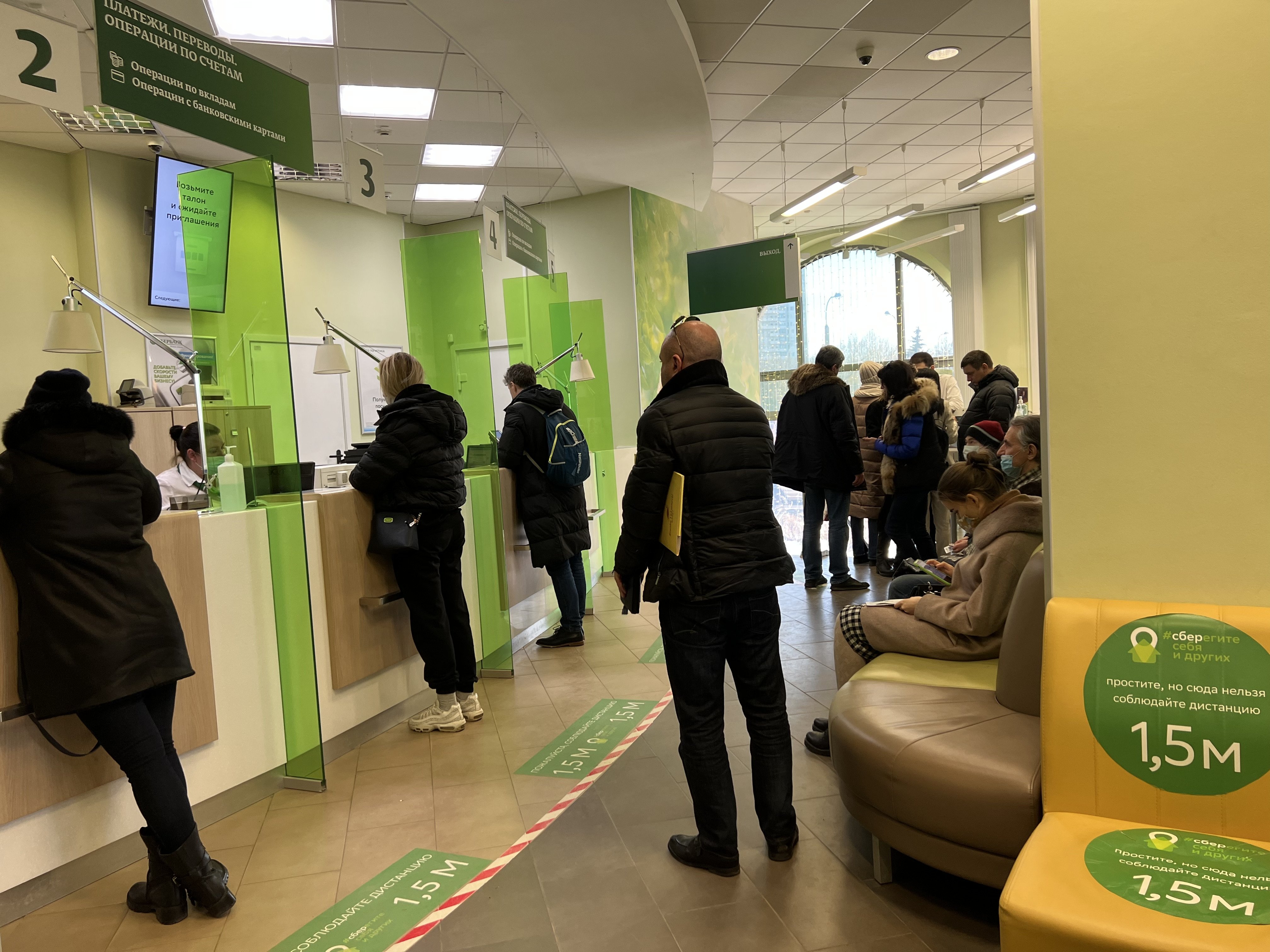
The volume of cash circulating in Russia increased by 381.2 billion rubles in May, marking the largest rise for that month since records began in 1995.
We bring you stories from the ground. Your support keeps our team in the field.
According to RBC, citing data from Russia’s Central Bank, the increase follows a broader trend of rising demand for physical cash throughout 2026. Cash in circulation grew by 678.7 billion rubles ($8.5 billion) in April and by 301.1 billion rubles ($3.8 billion) in March.
Since the beginning of the year, the total amount of cash outside the banking system has increased by approximately 1.09 trillion rubles ($13.6 billion).
RBC reported that the pace of cash withdrawals is the highest recorded for the January–May period since the COVID-19 pandemic, when Russian households and businesses withdrew around 1.39 trillion rubles ($17.4 billion) from the banking system during the first five months of 2020.
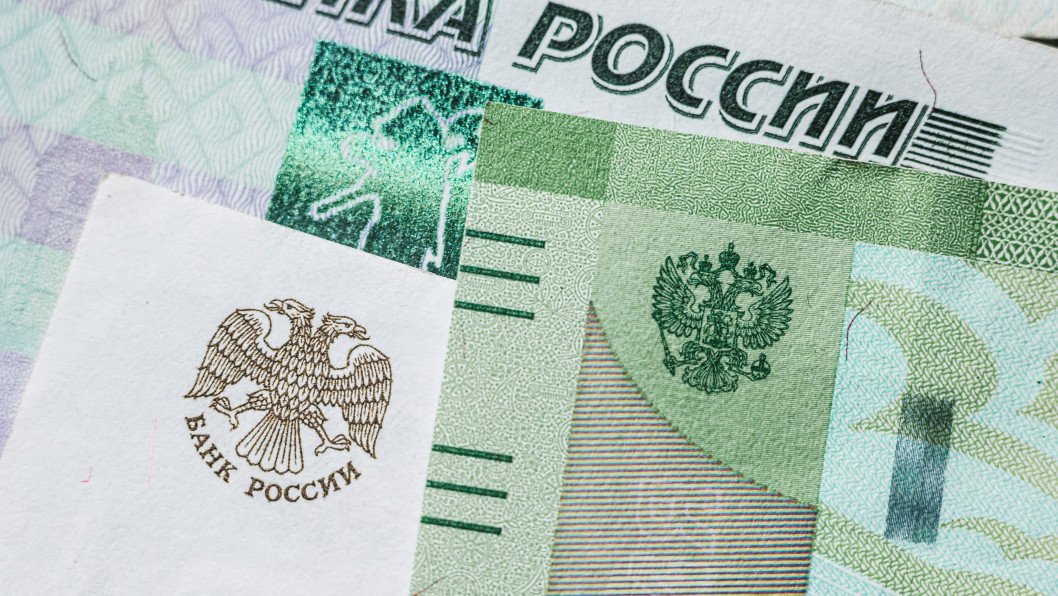
According to RBC, analysts attribute the growing demand for cash to a combination of economic and operational factors. Natalia Milchakova, a leading analyst at Freedom Finance Global, said uncertainty surrounding both geopolitical and macroeconomic conditions has encouraged individuals to keep more funds readily available for immediate spending.
RBC also reported that internet disruptions affecting access to online banking services and digital payments may be contributing to the trend. At the same time, lower interest rates have reduced the attractiveness of bank deposits, potentially encouraging households to hold more money in cash.
Milchakova stated that a growing preference for cash could also indicate that portions of Russia’s small and medium-sized business sector are increasingly operating outside the formal economy.
Russia’s largest lender, Sberbank, has also linked rising cash demand to concerns about financial monitoring and taxation. First Deputy Chairman Alexander Vedyakhin previously said some customers are concerned that transfers between individuals could attract additional scrutiny from authorities.
-f9dfe5a91bdeceaca1da449afa83ddd6.png)
The increase in cash withdrawals comes as Russia’s Central Bank expands oversight of cash transactions. Beginning June 1, banks were instructed to strengthen monitoring of cash withdrawals through ATMs and identify potentially unusual activity, including large withdrawals after long periods of inactivity or multiple transactions conducted within a short timeframe.
According to RBC, financial institutions have also been directed to apply enhanced scrutiny to large cash deposits. Banks may request documentation regarding the origin of funds from customers who deposit more than 5 million rubles ($62,500) within 30 days or conduct at least 10 deposits exceeding 100,000 rubles ($1,250) each during the same period. Additional attention is required when a significant share of deposited funds is transferred abroad shortly afterward.
Earlier, Moscow residents reported being unable to access public toilets in the city center after mobile internet restrictions disrupted cashless payment systems. According to Ostorozhno, Novosti, the outages prevented payment terminals from functioning and, in some cases, stopped restroom doors from unlocking.
Discuss this article:
-9a7b3a98ed5c506e0b77a6663f5727c5.png)

-5f84711170d2769c4cda67ca2bebf5d2.jpg "Carpathian 8 Summit: Ukraine Leads Push for Security & Regional Growth")


-111f0e5095e02c02446ffed57bfb0ab1.jpeg "Photo of Roman Kohanets")
-4258f90da45ed571f27851d158610665.jpeg "Photo of Valeriya Ionan")
-92cc3cc3704a042ef4f32eb51a51081d.png "Activitis Builds Fintech Infrastructure for Ukrainian Business During Wartime")
-29a1a43aba23f9bb779a1ac8b98d2121.jpeg "Photo of Illia Kabachynskyi")