- Category
- Latest news
Moscow Internet Crackdown Leaves Residents Unable to Pay—Even For Toilets
 Prefer U24 Media on Google
- Authors


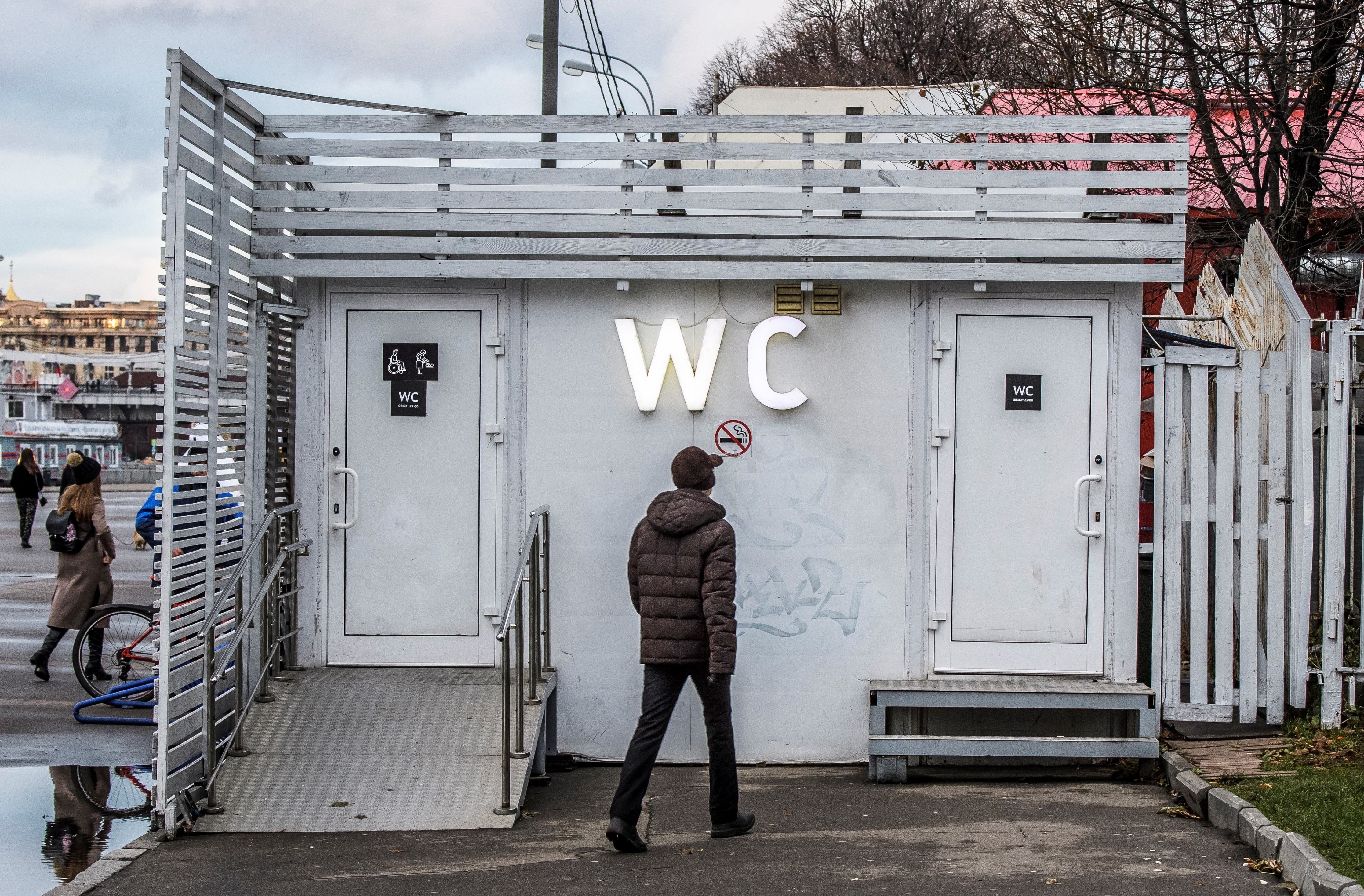
Residents of Moscow have reported difficulties using public toilets in the city center due to mobile internet disruptions that prevent cashless payments, according to the outlet Ostorozhno, Novosti on March 23.
The problems began about a week ago, with users saying that in several public toilets it has become impossible to pay by card or unlock the cabin.
We bring you stories from the ground. Your support keeps our team in the field.
“Public toilets in the city are a nightmare, especially with cashless payment. I try not to drink before going out, or I use the MCC if it becomes urgent,” one Moscow resident told the outlet.
Another woman said she was unable to pay for access while walking along Tverskaya Street, adding that “even going to the bathroom becomes a task with an asterisk.”
The company ORK, which operates the city’s public toilets, confirmed the disruptions and said the problems are occurring mainly in central districts where mobile internet access is restricted. According to the company, payment terminals rely on network connectivity, and when the connection is limited, card payments fail and the doors cannot be opened.

According to Ostorozhno, Novosti, ORK said it is currently working to connect the payment systems to so-called internet “white lists,” which would allow the equipment to function despite restrictions.
“For the entire past week, active work has been underway with the contractors who installed the payment system, as well as directly on the issue of connecting to the ‘white lists,’” the company said.
According to ORK, a typical public toilet used to be visited by around 20 people per day, but in recent days the number has dropped to about two. Technicians have inspected the equipment and found it functioning normally, with the company attributing the failures to connectivity limits imposed by telecom operators.
-952d34be34ef094f604e0472e861f3d9.jpg)
In a related development, more Russians are again searching for ways to leave the country as mobile internet shutdowns and economic uncertainty intensify.
According to data from Google Trends cited by Verstka, migration-related search queries have sharply increased, reversing the decline that had continued since early 2023.
Interest in emigration had gradually fallen after the mobilization announced in September 2022. By February 2025, the number of searches for phrases such as “how to leave Russia” was noticeably lower than a year earlier. However, a new rise in such queries began in late 2025 and has continued into early 2026.
Discuss this article:





-c439b7bd9030ecf9d5a4287dc361ba31.jpg "Photo of Katherina Popilnichenko")