- Category
- World
Russian National Guard and Police Patrol Gas Stations Amid Extreme Fuel Shortages
 Prefer U24 Media on Google
- Authors

-72b63a4e0c8c475ad81fe3eed3f63729.jpeg "Photo of Cyril Barabaltchouk")
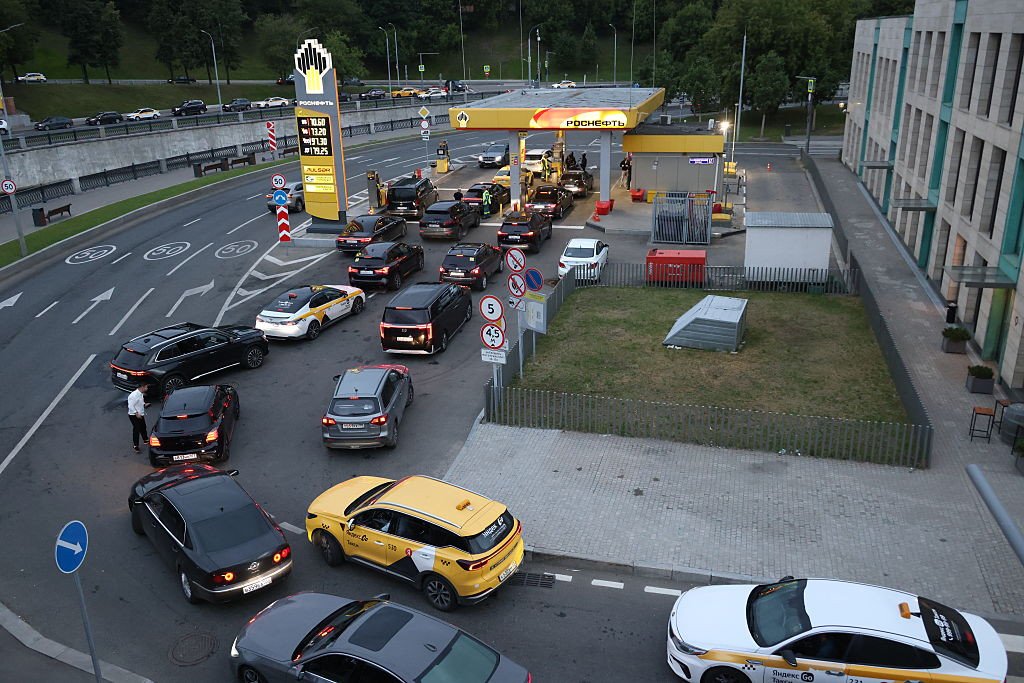
Russian police and National Guard units have begun patrolling gas stations in the Irkutsk region to manage severe queues and prevent panic buying, The Moscow Times reported on June 29.
Following the introduction of a regional state of high alert due to gasoline deficits, officers are directing traffic to specific pumps, fencing off station perimeters, and enforcing a strict ban on filling external canisters.
We bring you stories from the ground. Your support keeps our team in the field.
Russian state media claimed that the deployment reduced station wait times to two or three hours, down from previous delays that lasted between nine and twelve hours. Personnel from the Irkutsk mayor’s office and the Economic Crime Department are also participating in the patrols to stop unauthorized fuel collection.
Security forces are detaining individuals attempting to resell gasoline online at speculative prices, registering four such cases within a single 24-hour period. In one instance, authorities arrested a 20-year-old Irkutsk resident who was offering fuel on an online platform for 250 rubles ($3.22) per liter. Police seized dozens of canisters from the individual, who planned to fill them at a local station before reselling the fuel. Motorists caught violating the canister ban face administrative fines ranging from 1,000 rubles ($12.8) to 30,000 rubles ($385.8).
“The fuel situation in the city remains tense,” stated Irkutsk Region Vice-Mayor Sergey Gavrin, noting that almost every driver is attempting to purchase extra gasoline in reserve, which slows down the lines. Gavrin confirmed that law enforcement will maintain a 24-hour presence at the stations to monitor compliance.
The local restrictions match a wider trend, as six Russian regions have implemented emergency fuel rationing earlier this month to prioritize emergency services and prevent market speculation.
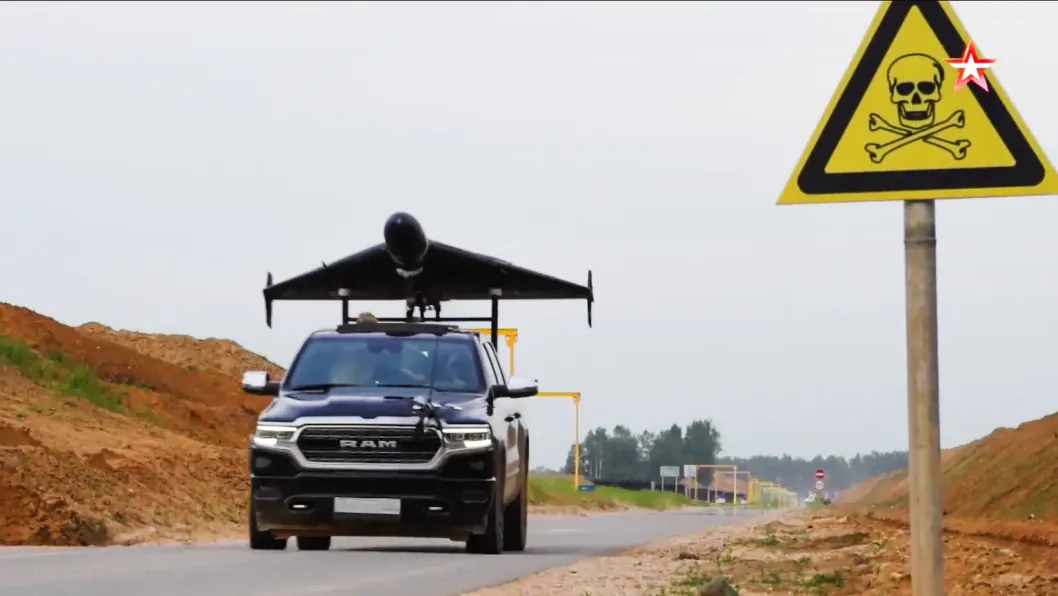
General fuel shortages have also spread across more than 50 Russian regions after Ukrainian drone strikes knocked out roughly a quarter of Russia’s national refining capacity. Most affected areas have now banned canister sales and capped individual vehicle purchases between 20 and 40 liters.
Discuss this article:


-111f0e5095e02c02446ffed57bfb0ab1.jpeg "Photo of Roman Kohanets")
-c439b7bd9030ecf9d5a4287dc361ba31.jpg "Photo of Katherina Popilnichenko")