- Category
- World
Sberbank Admits Russian Banks Lack Money to Finance Putin's Budget Deficit
 Prefer U24 Media on Google
- Authors

-c439b7bd9030ecf9d5a4287dc361ba31.jpg "Photo of Katherina Popilnichenko")
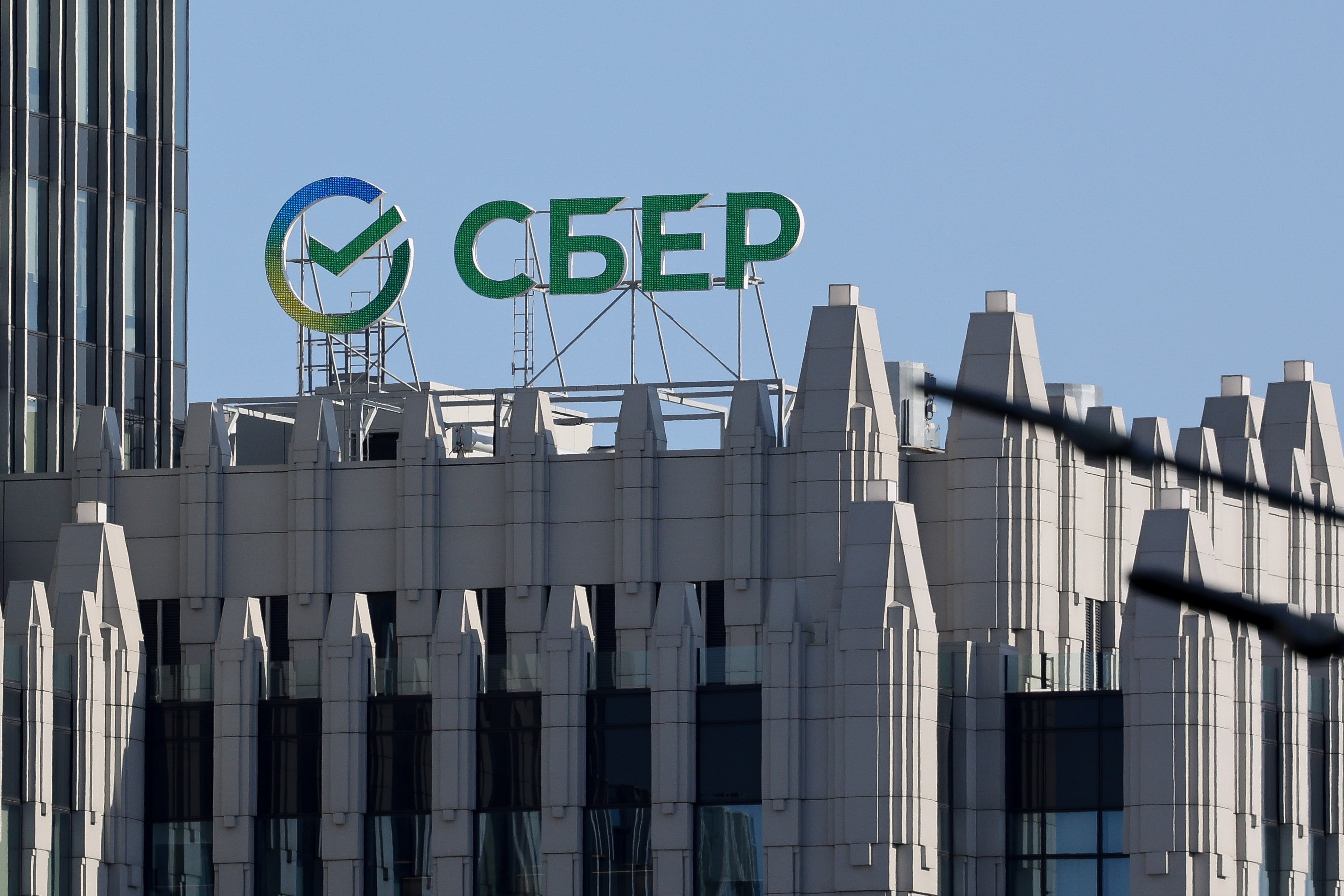
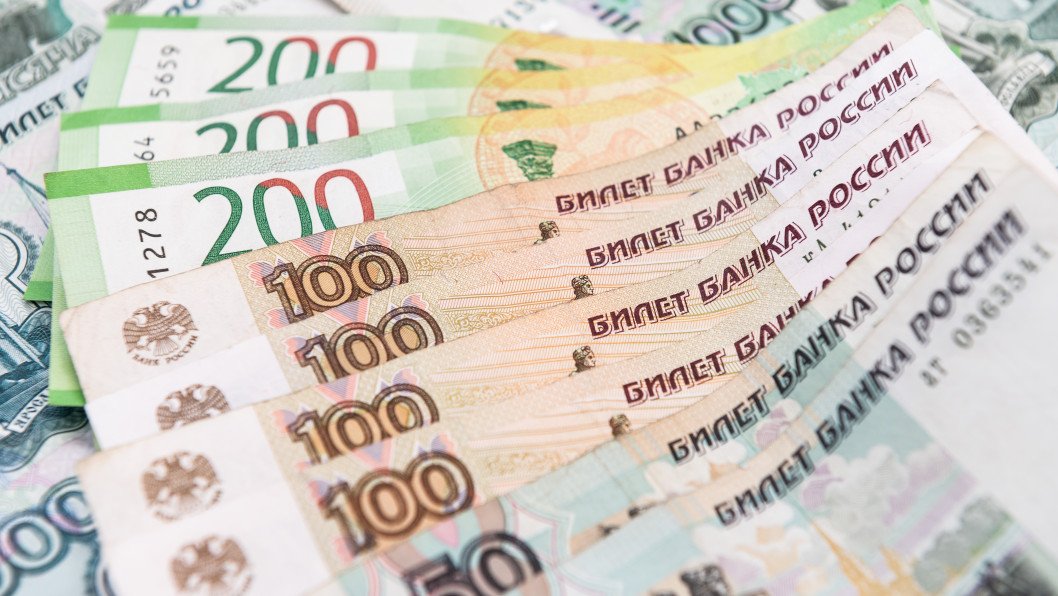
Russian banks lack sufficient ruble liquidity necessary to purchase federal loan bonds, which the Ministry of Finance uses to cover Putin's state budget deficit.
The need for bank financing comes after Russia's budget deficit reached 5.7 trillion rubles ($71.8 billion) in the first half of the year, amid higher-than-planned defense spending, according to The Moscow Times on July 31.
We bring you stories from the ground. Your support keeps our team in the field.
Taras Skvortsov, vice president and financial director of Sberbank , reported this situation, noting that cash outflow from banks reached about 2 trillion rubles ($25.2 billion) since the beginning of the year. This drain caused a significant liquidity deficit in the banking system.
Spending on Russia’s full-scale invasion of Ukraine this year could turn out to be 4 to 5 trillion rubles ($50.4 billion to $63 billion) higher than the plan. To finance them, the Ministry of Finance needs 2 to 3 trillion rubles ($25.2 billion to $37.8 billion) of additional loans, Bloomberg sources reported in June.
In the initial budget plan, the Ministry of Finance allocated market loans of 4.4 trillion rubles ($55.4 billion).
However, in July it was forced to suspend state debt auctions as OFZ prices collapsed, yields jumped, and banks that bought government securities received 200 billion rubles ($2.52 billion) of losses on negative revaluation.

In the budget-2026 law, the Ministry of Finance laid down a reduction of the deficit to 3.8 trillion rubles ($47.9 billion). But in reality, it could exceed this limit twofold, reaching 6.5 to 7.5 trillion rubles ($81.9 billion to $94.5 billion), Gazprombank analysts estimate.
According to their forecast, budget expenses will exceed the level laid down in the law by 3 to 4 trillion rubles ($37.8 billion to $50.4 billion).
Since the beginning of the year, the Central Bank poured 2.3 trillion rubles ($29 billion) of additional loans into the banking system, and the total debt of credit organizations to the regulator reached 6 trillion rubles ($75.6 billion).
In the second half of the year, the economy may enter a recession, and this will lead to a shortfall of 600 to 800 billion rubles ($7.56 billion to $10.08 billion) of value-added tax, as well as profit tax and personal income tax.
Skvortsov stated, as cited by Reuters: “Today banks only have funds to lend to clients — that is their main business, and OFZs can be bought when, all the more without a special premium, you have free liquidity and you are confident in it. But today the situation is the opposite.” According to Skvortsov, “all hope” is now on “some support from the Central Bank.”
The budget gap will most likely start growing again already in the autumn, considers Ilya Sokolov, leading researcher of the Financial University under the Government.
Oil and gas revenues, despite the growth of oil prices, suffer from subsidies to oil refineries damaged by drones, and the risks of a shortfall in non-resource revenues are increasing, considers Sokolov.
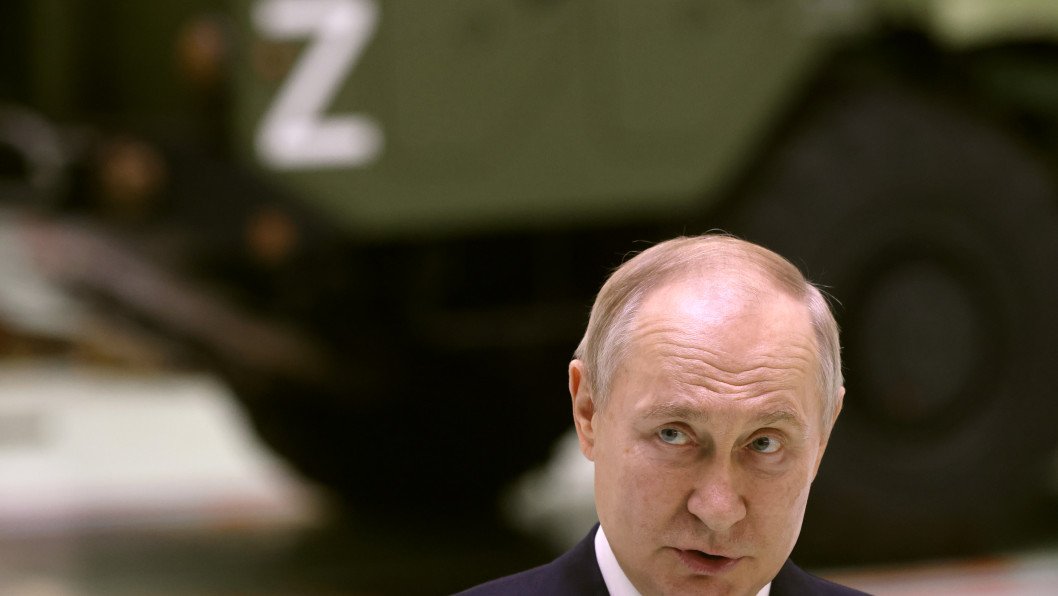
During the first nine months of 2025, Russia spent $146.4 billion from its budget on military expenditures—four times more than in 2021—which accounted for 39% of total government spending.
Meanwhile, the federal budget deficit grew to $69.8 billion in 2025, prompting the Kremlin to cover its widening fiscal gap by requiring state-controlled banks to purchase $87 billion in federal loan bonds backed by Central Bank liquidity.
Discuss this article:
-4a56a6b482ec132402c16ef6fcabf9a2.png)