- Category
- Latest news
Russian Billionaire Deripaska Proposes 12-Hour Workday to Save Economy
 Prefer U24 Media on Google
- Authors

-72b63a4e0c8c475ad81fe3eed3f63729.jpeg "Photo of Cyril Barabaltchouk")
Russian billionaire Oleg Deripaska has proposed that citizens adopt a 12-hour, six-day work week to accelerate the country’s economic transformation, The Moscow Times reported on March 30, 2026.
Writing on his social media channels, the industrial tycoon argued that Russia’s resources are limited and that the only way to navigate the current global crisis is through a radical increase in labor. Deripaska suggested a grueling “8-to-8” schedule—working from 8 AM to 8 PM, including Saturdays—claiming that this shift is necessary for the survival of the national economy.
We bring you stories from the ground. Your support keeps our team in the field.
“We don’t have many resources. To be more precise, only one, and it is related to our national characteristic: in difficult moments, we know how to gather ourselves and work more,” Deripaska wrote. He emphasized that the faster the country transitions to this new schedule, the sooner it will pass through the ongoing transformation.
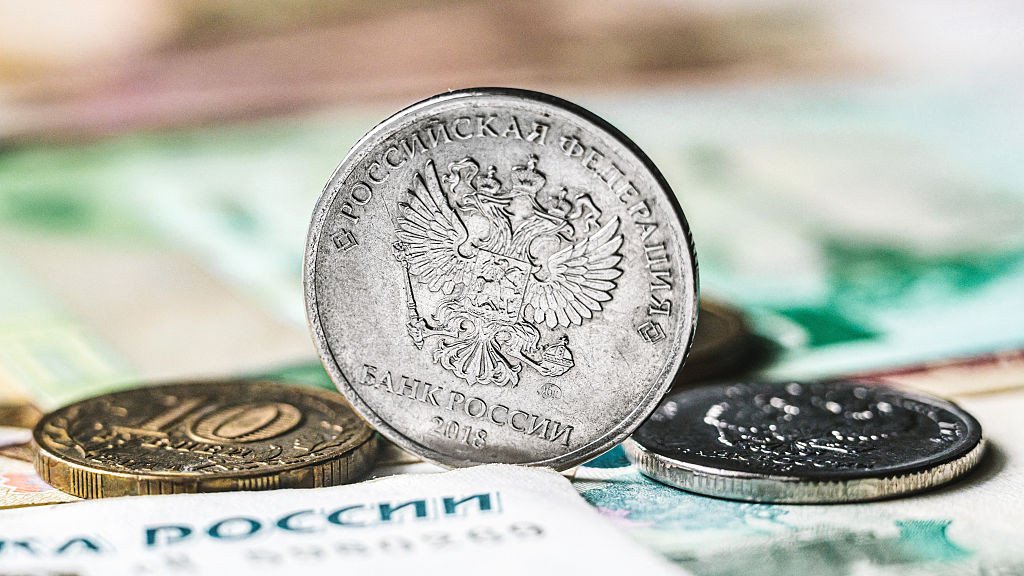
Deripaska characterized the current situation not as a standard economic crisis, but as a “deep transformation” that has changed the world for all countries. He criticized Russia’s Central Bank and its macroeconomic policies, blaming high interest rates and the “vain strengthening of the ruble” for stifling investmen, according to The Moscow Times.
Furthermore, he noted that the domestic investment climate, both national and foreign, had already been undermined by the security forces' dismantling of legal institutions.
-5fd29ada6cceba1537fd414500eb4165.jpg)
The billionaire also addressed the impact of the ongoing conflict in the Middle East, specifically the war involving Iran. Despite the resulting surge in global prices for oil, gas, and fertilizers, Deripaska warned that the war “will not bring anything good to Russia.”
The Moscow Times wrote that he had predicted that high energy prices would trigger a prolonged global economic slowdown, which would inevitably hit the Russian economy. To counter these shocks, he previously called for the ruble to be weakened to 105 per dollar and for the key interest rate to be slashed to 6 percent.
According to Deripaska’s estimates, the combination of high interest rates and a strong ruble has already cost the federal budget over 16 trillion rubles ($196.6 billion). He argued that the strengthening of the ruble below 80 per dollar in previous years deprived export industries of their competitiveness.
By demanding a longer work week and a massive shift in monetary policy, Deripaska is signaling that the Russian private sector is feeling the extreme strain of global isolation and the secondary effects of regional wars.
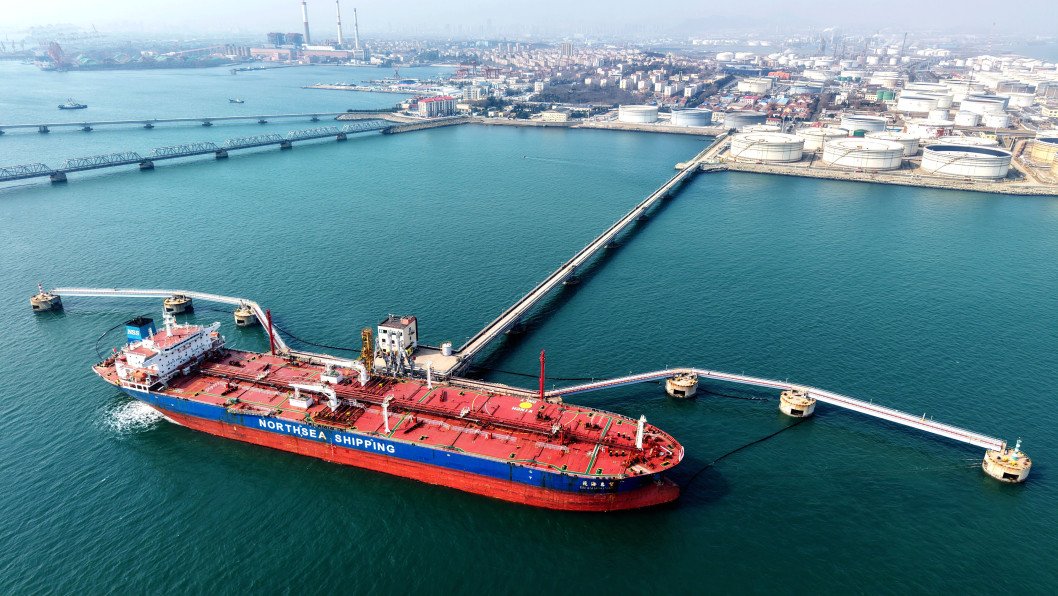
The economic strain described by Deripaska is being intensified by the disruptions to Russia’s most vital revenue stream: its oil exports. While the billionaire calls for internal labor shifts, external pressures are mounting as Ukrainian drone strikes successfully paralyze major Russian energy hubs.
A recent campaign targeting Baltic Sea ports has already forced Russian producers to warn buyers of indefinite export halts, potentially freezing up to 40 percent of the country’s oil exports. This loss of export capacity, combined with the “deep transformation” Deripaska warns of, is creating a perfect storm for the Russian federal budget.
Discuss this article: