- Category
- World
Russian Northern Fleet Deploys Anti-Drone Nets Over Submarines
 Prefer U24 Media on Google
- Authors

-c439b7bd9030ecf9d5a4287dc361ba31.jpg "Photo of Katherina Popilnichenko")
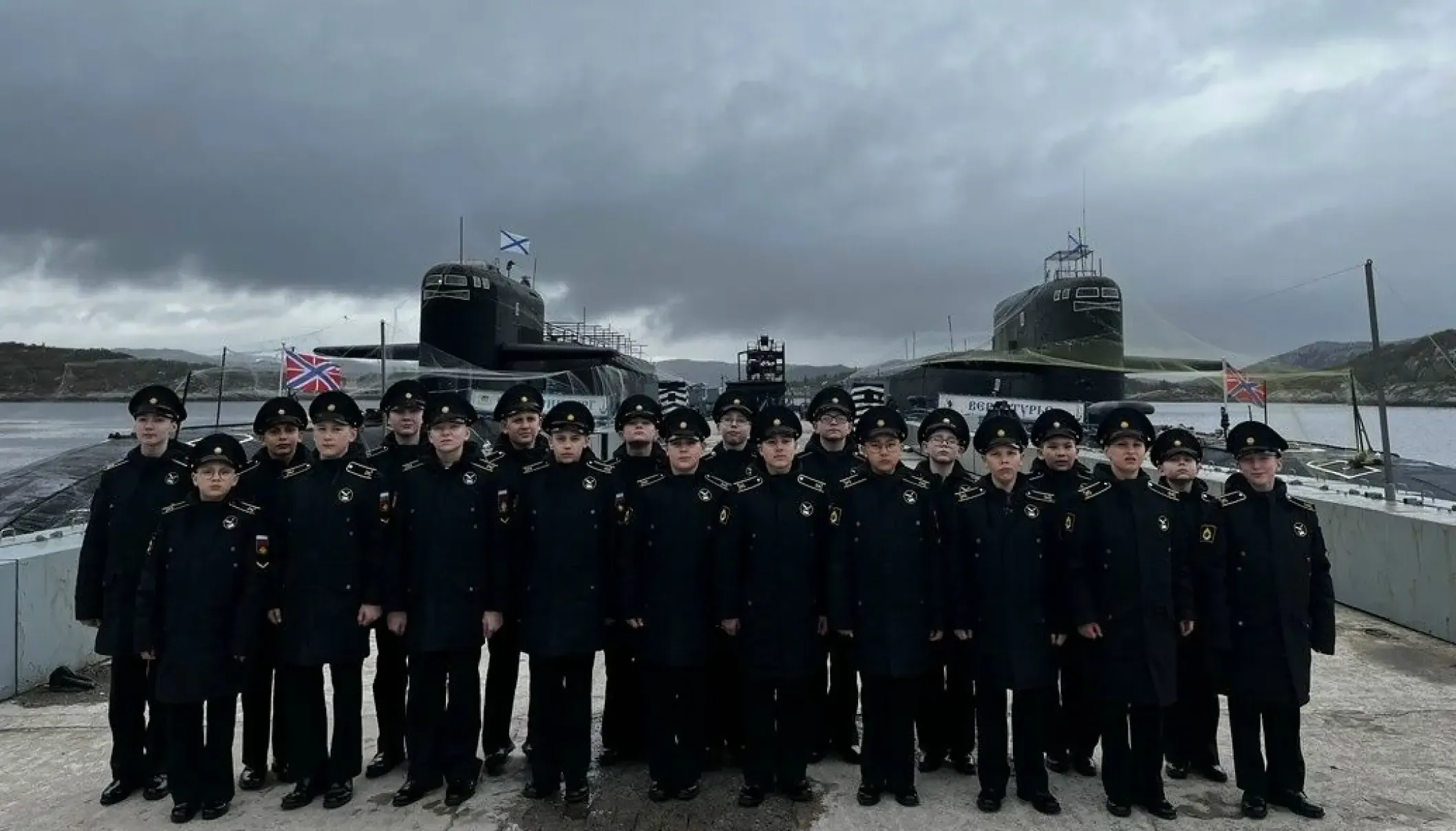
The Russian Northern Fleet has installed anti-drone netting over its nuclear-powered submarines at the Gadzhievo naval base on the Barents Sea, marking the first time such defensive measures have been observed at this strategic Arctic location.
The imagery, which was briefly published by the Nakhimov Naval School in Murmansk before being removed, reveals two submarines equipped with these protective structures covering critical areas, including missile compartments and sonar systems, according to The Barents observer on June 2.
We bring you stories from the ground. Your support keeps our team in the field.
This move follows a series of successful long-range drone operations against Russian military infrastructure since the beginning of Russia’s full-scale invasion of Ukraine, suggesting heightened concern for the security of Moscow’s most valuable nuclear assets.
The defensive netting covers the bow of the submarines, including the torpedo tubes, as well as the conning tower and the missile hatch. It is currently unclear if the stern sections of the vessels have received similar coverage. While Ukrainian forces have successfully struck ships in the Black Sea and manufacturing facilities in Saint Petersburg, this is the first report of such defensive measures appearing at a base in the Arctic region.
Military analysts observe that the design of the nets appears intended to stop smaller quadcopters rather than heavy-duty drones capable of carrying large explosive payloads. The timing suggests a reaction to previous incidents, most notably the June 1, 2025, operation at the Olenya airbase.

As reported by The Barents observer, during that strike, which destroyed four strategic bombers and damaged four others, attackers utilized drones hidden within a commercial vehicle to bypass regional security.
Kristian Åtland, a senior researcher at the Norwegian Defense Research Institute, noted the significance of these installations. "Presumably, the purpose of these nets is to protect such assets against attacks by Ukrainian FPV drones," Åtland stated after reviewing the evidence. He added that Russia has previously deployed similar protections for Borey-class submarines at the Rybachiy base on the Kamchatka Peninsula, located roughly 7,400 kilometers from Ukraine.
Åtland suggests that these installations likely represent a broader precautionary strategy rather than a response to an immediate, localized threat.
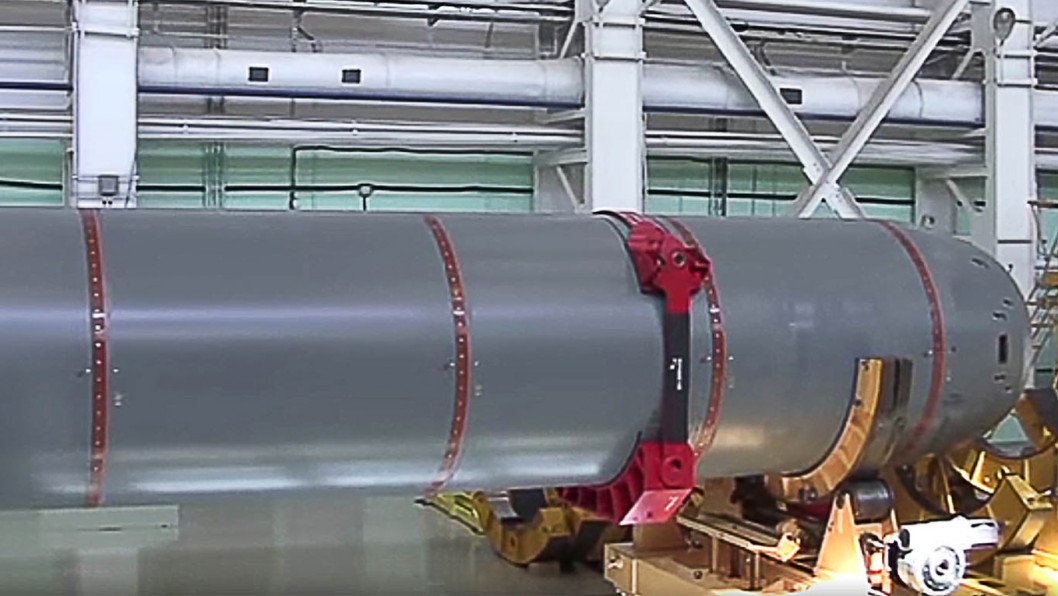
The imagery from Gadzhievo also shows at least one decommissioned vessel, the K-84 Yekaterinburg, which has been in storage since 2020 and is not considered an active combat asset. Meanwhile, surveys of other naval facilities in the region, including the port of Severomorsk, show no similar netting on surface warships.
Russian efforts to reinforce their patrol fleet follow recent Ukrainian drone strikes against similar coastal vessels. Ukraine’s Unmanned Systems Forces have recently struck a Russian Project 10410 patrol ship in the Caspian Sea port of Kaspiisk, located roughly 1,000 kilometers from Ukrainian-controlled territory.
Footage of the attack showed a strike drone hitting the vessel’s stern near its AK-630 automatic artillery mount, which appeared to be actively firing at the time. The successful strike spotlights the vulnerability of Russian border vessels to unmanned aerial systems, even when their standard air-defense cannons are engaged.
Discuss this article: