- Category
- World
Russian Crude Exports Hit Post-2022 Highs Following Refinery Strikes
 Prefer U24 Media on Google
- Authors

-c439b7bd9030ecf9d5a4287dc361ba31.jpg "Photo of Katherina Popilnichenko")
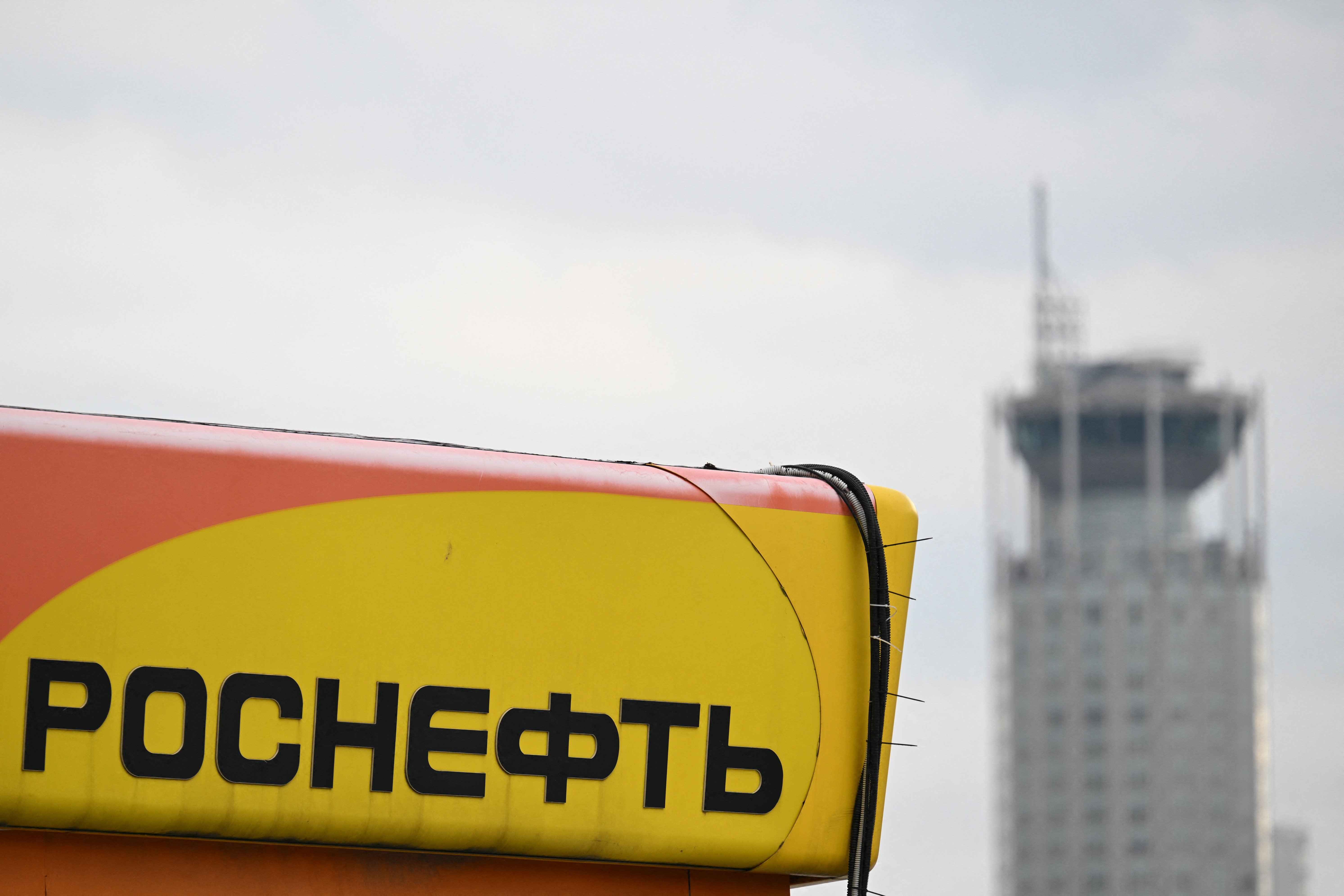
Russia is currently exporting record volumes of crude oil, reaching levels unseen since the start of Russia’s full-scale invasion of Ukraine in 2022.
Shipments since the beginning of the year have averaged 3.46 million barrels per day, an increase of approximately 120,000 barrels per day compared to 2025, according to Bloomberg on June 2.
We bring you stories from the ground. Your support keeps our team in the field.
This surge in exports follows intensified Ukrainian drone strikes on Russian oil infrastructure, which have forced refineries to scale back processing, effectively diverting more raw crude to the global market.
The most recent data covering the four weeks leading up to May 31 shows average daily shipments of 3.64 million barrels. While this is slightly lower than the 3.68 million barrels recorded in the previous 28-day period, the figures remain historically high.
As reported by Bloomberg, the sustained volume of these exports, combined with rising global oil prices driven by instability near the Strait of Hormuz, has pushed the total value of Russian oil shipments to levels not observed since the initial months of Russia’s full-scale invasion of Ukraine.
The Russian refining sector has faced significant pressure, with processing rates hitting a 16-year low in May. This disruption has prompted Moscow to implement stricter export controls on refined products, such as jet fuel and gasoline, to safeguard domestic supply. Meanwhile, the volume of Russian oil currently in transit at sea has climbed to 124 million barrels, marking a 25% increase from the lows seen in mid-April.

India remains a central destination for these flows. Purchases by Indian refiners rose significantly following disruptions to Middle Eastern oil supplies earlier this year.
Bloomberg’s data shows, imports to the region averaged 1.76 million barrels per day in May, a 63% increase compared to February. Overall, Russian shipments to Asian buyers reached 3.52 million barrels per day over the four-week period ending May 31.
The European Union moved to intensify economic pressure on Russia by preparing its 21st sanctions package, which included a proposal to temporarily freeze the price cap on Russian oil at $44.10 per barrel.
Officials sought to prevent Moscow from profiting from the global surge in oil prices caused by the war in Iran, which threatened to push the cap to at least $65 per barrel during the July review.
Beyond the oil cap, the commission worked to target third-country institutions that facilitated sanctions circumvention and aimed to extend restrictive measures to vessels transporting liquefied natural gas.
Discuss this article:
-4a56a6b482ec132402c16ef6fcabf9a2.png)