- Category
- World
Ukrainian Drone Attacks Push Russia Toward Five-Month Jet Fuel Export Ban
 Prefer U24 Media on Google
- Authors

-111f0e5095e02c02446ffed57bfb0ab1.jpeg "Photo of Roman Kohanets")
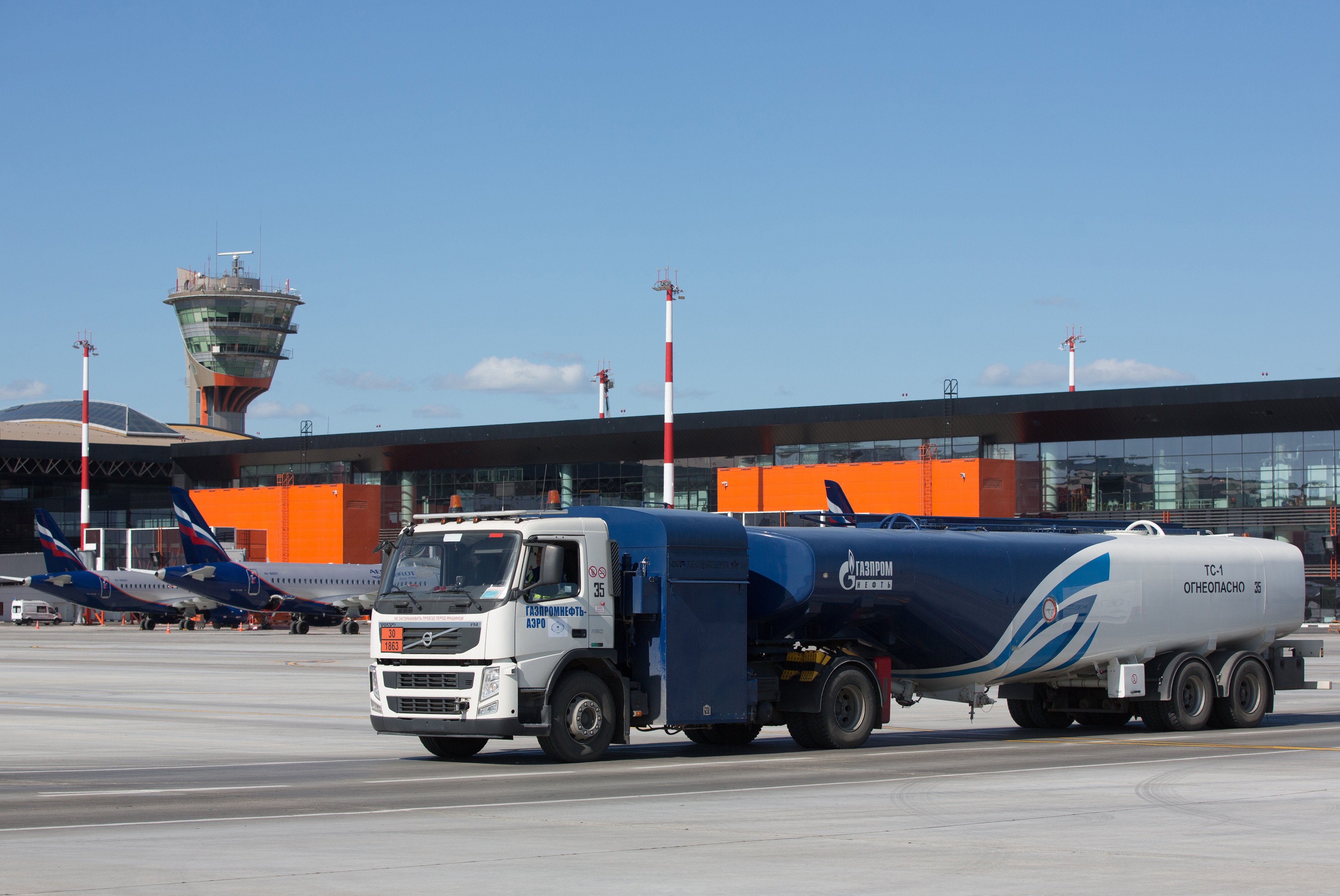
Russia has banned exports of aviation kerosene for five months, citing the need to stabilize its domestic fuel market, on June 1.
The Russian government set out the measure in a statement on its official website, with the moratorium running from June 1 through November 30
We bring you stories from the ground. Your support keeps our team in the field.
.
The ban applies to jet-engine fuel, including volumes purchased through exchange trading. Several categories were exempted, among them fuel already loaded in aircraft tanks for journeys underway and kerosene batches under customs procedures before the order takes effect.
Deliveries made "within the framework of intergovernmental agreements" remain permitted, according to the statement.
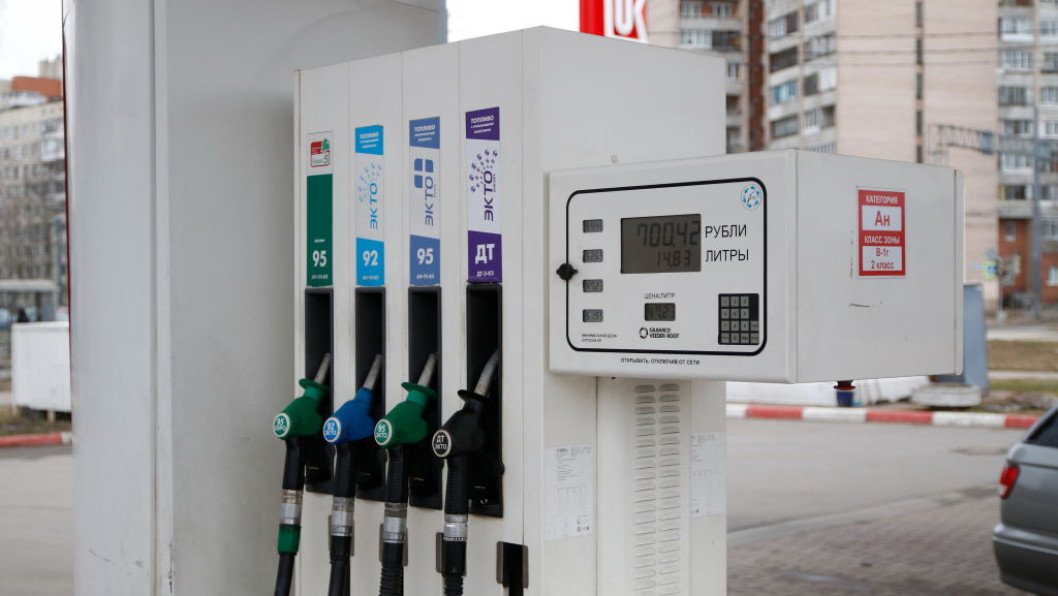
It is Moscow's second fuel-export ban in two months. On April 2, the Cabinet of Ministers barred gasoline exports by producers through the end of July. Officials pointed to high seasonal demand, agricultural field work, and rising global oil prices linked to tensions in the Middle East.
The export curbs come as Ukrainian long-range strikes continue to batter Russia's refining sector. Reuters reported that drone attacks have forced nearly all of central Russia's largest refineries to halt or sharply cut fuel output. President Volodymyr Zelenskyy stated on May 1 that the strikes had inflicted at least $7 billion in damage on Russia's oil industry since the start of 2026.
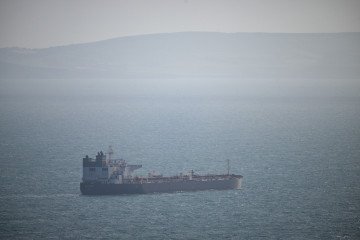
Russia's fuel exports had already buckled before the new restrictions took hold. Seaborne shipments of refined products slid to their lowest level in months by April, dropping nearly 10 percent from March and 17 percent from a year earlier. Loadings from the country's Baltic ports fell by roughly a third after late-March strikes set ablaze fuel storage tanks.
Discuss this article:
-9a7b3a98ed5c506e0b77a6663f5727c5.png)

-c439b7bd9030ecf9d5a4287dc361ba31.jpg "Photo of Katherina Popilnichenko")
-72b63a4e0c8c475ad81fe3eed3f63729.jpeg "Photo of Cyril Barabaltchouk")