- Category
- War in Ukraine
Russian Drone Burns Down 300-Year-Old Wooden Church in Kherson Region
 Prefer U24 Media on Google
- Authors


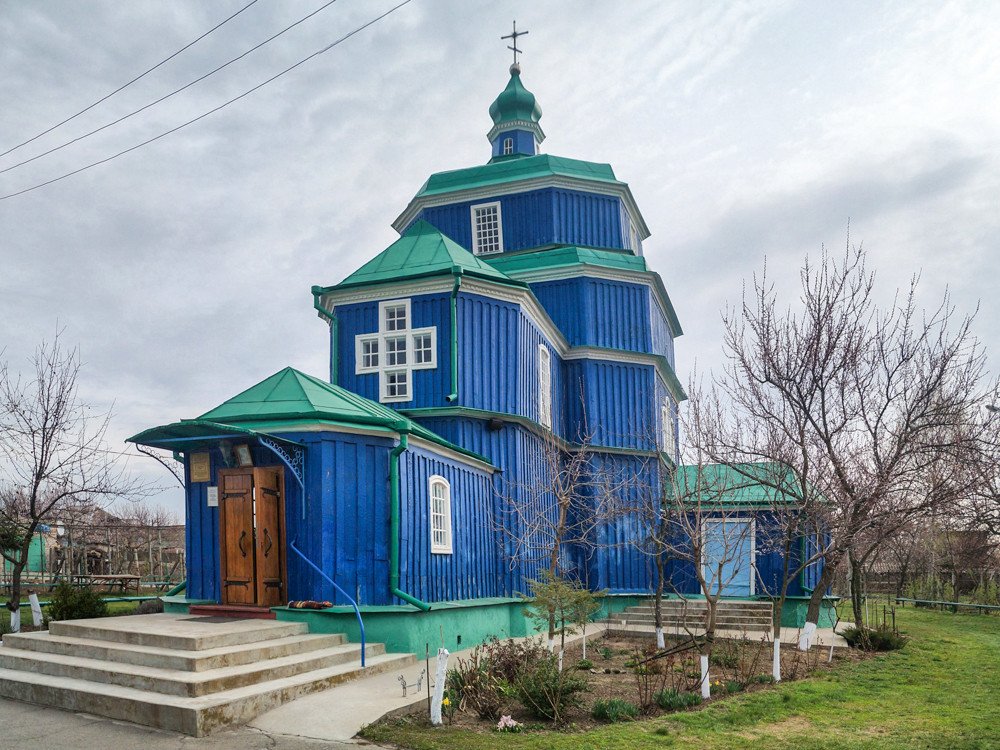
A Russian drone strike destroyed St. Vvedenska Church in Beryslav, Kherson region, on August 2, burning down the nearly 300-year-old wooden landmark, one of Ukraine's nationally protected architectural monuments, Kherson-based outlet Most reported.
We bring you stories from the ground. Your support keeps our team in the field.
Built in 1726, the church had remained one of the few religious heritage sites in the liberated part of the Kherson region. It had avoided significant damage despite repeated Russian attacks since Ukraine regained control of the area's right bank in late 2022.
Constructed from oak, the church was notable for being built without the use of metal nails, with its wooden framework held together entirely by wooden pegs. It was regarded as a rare example of Zaporizhian ecclesiastical architecture and belonged to the Middle Dnipro architectural tradition.
The church's history dates back to the 18th century. In 1785, Poltava Cossacks transported the dismantled structure by boat along the Dnipro River from Perevolochna to the Kyzikermen Fortress, which later became the city of Beryslav.
Originally consecrated in honor of the Resurrection of Christ, the church was relocated to the Vvedenske Cemetery in 1853 and rededicated to the Entry of the Most Holy Theotokos into the Temple, according to Most.
During the Soviet era, the church was closed and repurposed as a warehouse. At one point, authorities planned to dismantle it for firewood. Religious services resumed during World War II.
In 2023, the Beryslav City Military Administration appealed to Ukraine's Ministry of Culture to return the historic monument to state ownership. However, the issue remained unresolved before the church was destroyed.
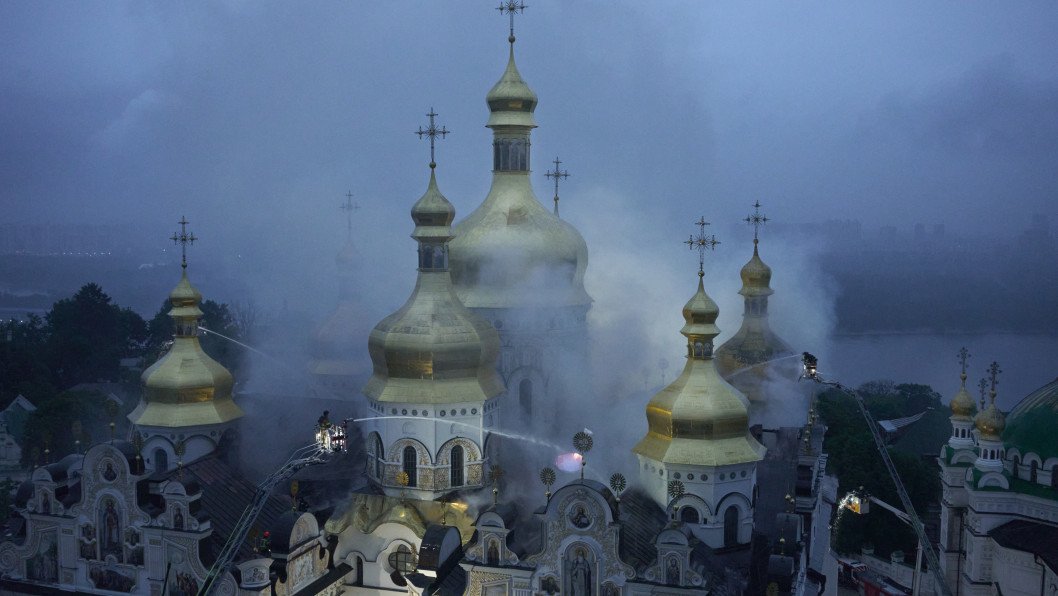
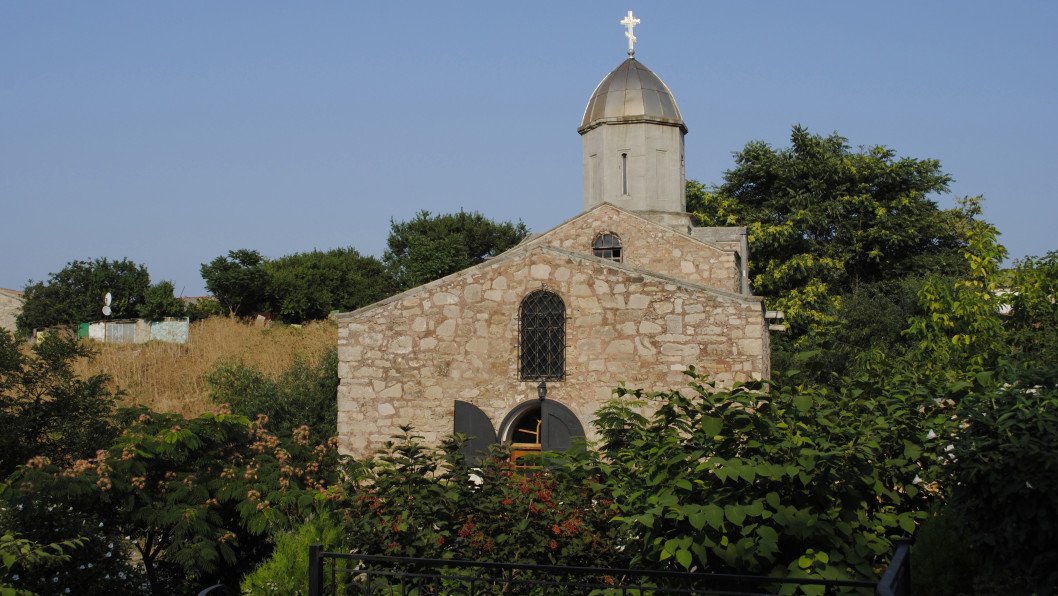
Separately, Russian occupation authorities in temporarily occupied Crimea have scaled back the protected boundaries of a medieval archaeological site in Sevastopol. The move is intended to make way for a luxury hotel project reportedly connected to Russian billionaires Boris and Arkady Rotenberg, longtime associates of Russian leader Vladimir Putin.
To formally exclude the site from the protected heritage zone, archaeologists carried out excavations across 245 square meters, including 211 square meters within the officially designated protected area.
Discuss this article:


-80134f2dc17b4a887d01513a1c7bc929.png "Illustration of Russian military infrastructure targeted by Ukrainian strikes in temporarily occupied eastern Ukraine. (Source: General Staff of the Armed Forces of Ukraine)")