- Category
- War in Ukraine
Ukraine Changed the Battle for Crimea. Russia Is Running Out of Ways In
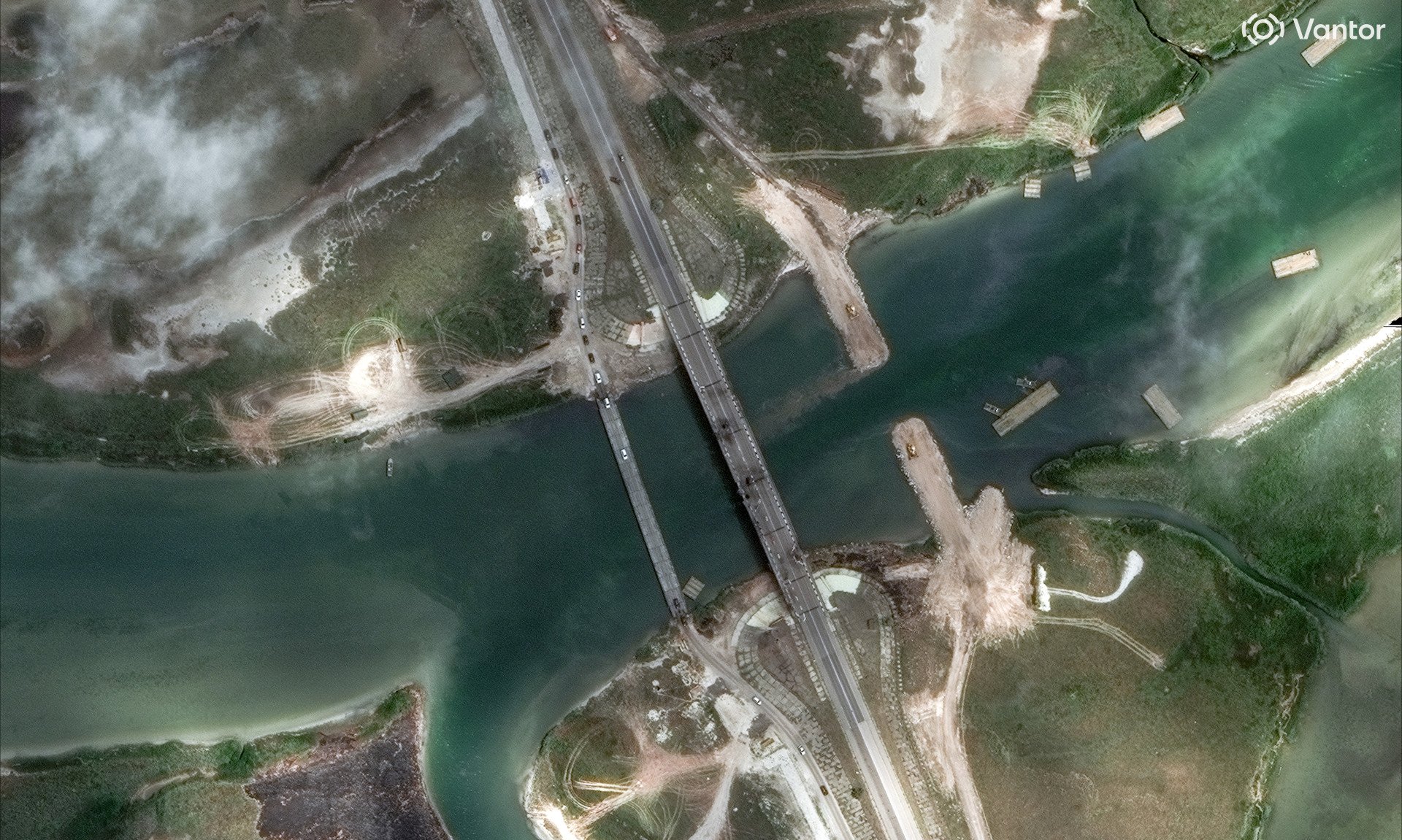
From military facilities to shadow-fleet oil tankers, bridges, and logistics vehicles, Ukraine is now consistently striking targets in Crimea and further isolating the peninsula from Russia.
 Prefer U24 Media on Google
- Authors

-605be766de04ba3d21b67fb76a76786a.jpg "Joseph Place")
Since June 2026, Ukraine has ramped up its strikes on strategic targets in Crimea. In 2024, on Red Square, Putin said that Crimea is often referred to as an “unsinkable aircraft carrier’, and that it had returned home to harbor. Now, Ukraine has begun to sink it. By striking military bases, air defense, bridges, ships, and vehicles, it is increasingly becoming cut off from Russia due to a targeted operation mostly involving drones.
We bring you stories from the ground. Your support keeps our team in the field.
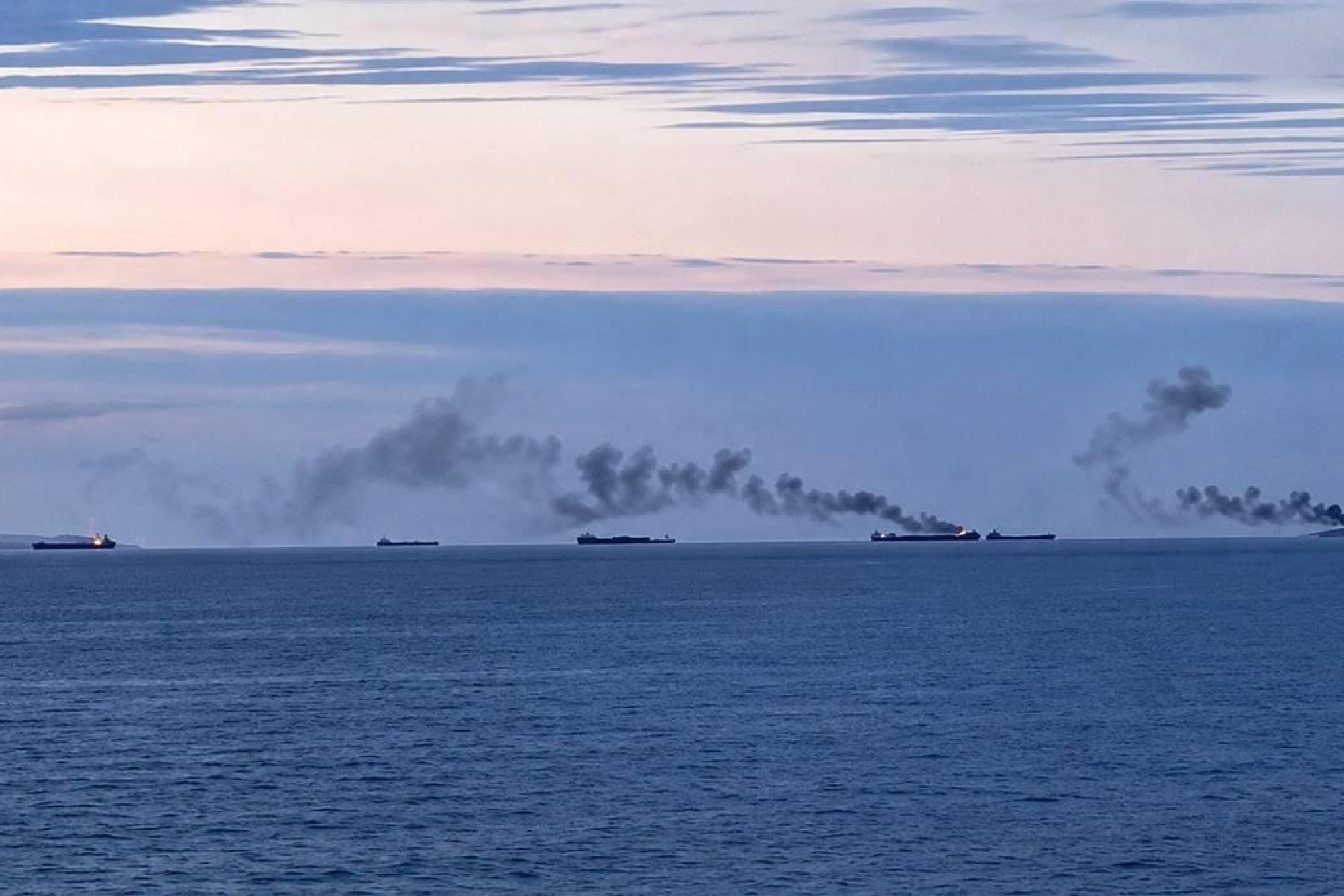
On July 11, 2026, Russia temporarily suspended passage through the Don-Azov Shipping Canal, a vital lifeline for Russian shipping, further isolating Crimea not only by land but also by sea. This is a direct result of a massive increase in strikes by Ukraine on oil-related vessels. For example, 90 ships were hit within 1 week by July 12. Within two weeks, all shipping through Kerch decreased by 75%.
The attacks on fuel infrastructure have had a significant effect on the occupation. Recently, the so-called head of Crimea, Sergey Aksyonov, stated on Telegram that the authorities were taking steps to address various crises, particularly fuel shortages. However, hundreds of locals flooded the comments with complaints, such as:
Dear Sergey Valeryevich (governor), turn off the TV and take a drive around Crimea. You don't have a fuel shortage, so go see for yourself what is really happening! Don't believe your subordinates who keep telling you everything is fine. The situation is truly dire.
This demonstrates the impact Ukraine is having on the occupation, and the government cannot handle it.

Of course, not all residents will see the situation the same way, even if they are affected by it. Addressing Ukrainians living in occupied Crimea, Robert “Magyar” Brovdi, commander of Ukraine’s Unmanned Systems Forces, acknowledged the disruption caused by Ukrainian strikes: “Please excuse the constant anxiety, closed bridges/roads, darkness, silence, and stress.” He urged residents to stay away from military facilities, share the coordinates of Russian military positions, and be cautious, warning that falling drone debris could be dangerous.
These attacks are part of a strategic, planned campaign that shows no signs of slowing down. The pattern of strikes illustrated where Ukraine has concentrated its efforts, how many strikes on strategic targets within Crimea took place, and how Ukraine is now achieving dominance over the peninsula and fulfilling the goal the Defense Ministry has described as making “Crimea an island.”
Where has Ukraine hit in Crimea?
Ukraine has been striking military and other strategic targets in Crimea since 2022, like the Kerch Bridge, the Russian flagship the Moskva, and the Saky airbase. Over time, targeted attacks on military targets grew, such as the Sevastopol shipyard, other naval vessels and docks, and then increased attacks hit bases, missile launch sites, more ships, and air defense, entirely undermining naval dominance in the Black Sea. 2025 saw the underwater strike on the Crimean bridge and further attacks, but nothing like what was seen in 2026.
In 2026, Ukraine conducted widespread, sustained attacks on all kinds of Russian military and industrial infrastructure. This has accompanied the other deep strikes across Russia itself as Ukraine’s capabilities have rapidly increased.
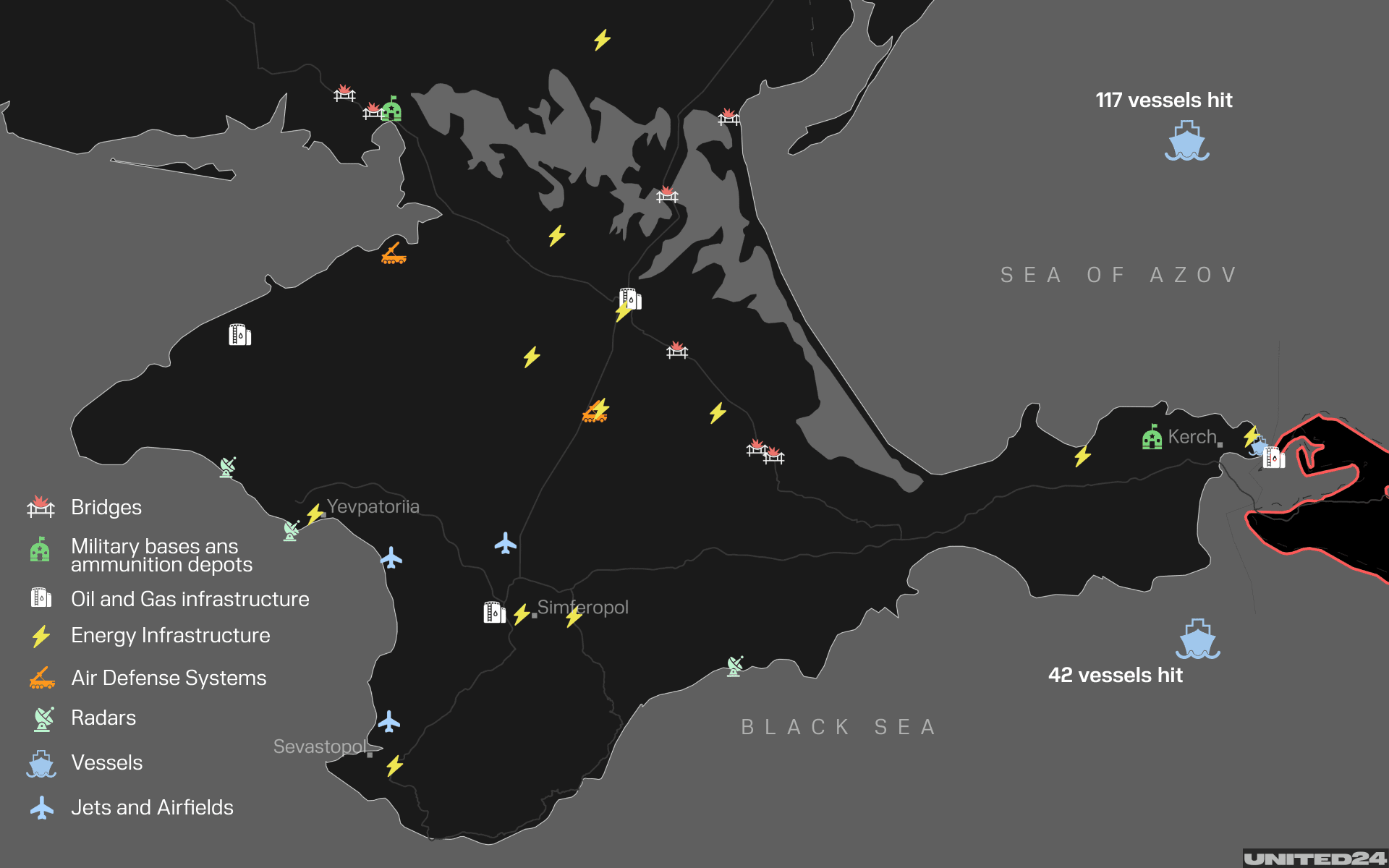
Not only has shipping been disrupted and fuel supplies hit, but military targets, such as air defenses, bases, and logistics and infrastructure, have been hit as well. In addition, trucks are being hit at an unsustainable rate, which could eventually lead to a breaking point.
Road and railway bridges have been destroyed across the peninsula, leaving the Kerch Bridge as the sole major remaining transportation route. This has cut Crimea off from the occupied territories in the Kherson region, weakening the control over the entire southern direction.
In July 2026, the focus shifted to ships in and around Crimea. This has culminated in a massive decrease in shipping and the aforementioned closure of the Azov-Kerch strait. Shipping in the Sea of Azov has dropped by 67% overall, according to some OSINT estimates.
105 Russian ships had been hit on July 13 in a single eight-day period. Ukraine is making commercial and military shipping around Crimea untenable for Russia.
📍Based on SAR imagery, I compared the number of Russian vessels in the Sea of Azov before the operation and after it.
— Oko Gora (@oko_gora_tg) July 13, 2026
🟠Before (06 Jul) – 132 vessels;
🟠After (12 Jul) – 43 vessels (−67%).
Judging by the signatures of the detected objects, the number of tankers and bulk… pic.twitter.com/rpuGlnNgbB
A timeline of Ukraine’s attacks on Russia’s military targets in Crimea
Notable attacks in the summer of 2026:
7 June — Semykolodezianska oil depot; Feodosia marine oil terminal
7–9 June — Chonhar Bridge
21 June — Kerch Strait: TES-Terminal-1 oil depot; Port Kavkaz; Kerch Bridge air-defence positions
24 June — Hvardiiske airfield, railways, and rail infrastructure
21/22 June — Crimea-wide fuel and power disruption
25 June — Multiple substations across the peninsula
25 June — Naval support vessels, Kerch-area Nebo and Skala-M radar systems
27–28 June — Railway bridge near Ichki
29–30 June — Azovske road bridge; Ichki railway bridge; Kurmanske and Dzhankoi electrical substations
3 July — Krasnogvardeysky Canal railway bridge; Artemivka EW station; Sevastopol electronic intelligence unit
5–6 July — Sea of Azov tankers; Kerch oil depot; Nebo-U radar; S-400 positions
7 July — Sea of Azov shadow fleet tankers
8 July — Crimea-wide fuel shortage and increasing energy problems
9 July — Sea of Azov tankers; tugboat; dry-cargo ship
10 July — Shipping halted after strikes on shipping near the Don–Azov channel
10 July — Power outages increase due to strikes on energy infrastructure
11 July — 28 tankers and vessels struck; occupied Crimea and southern occupied territories
12 July — Azov–Black Sea Canal tanker
13 July — Kerch Strait; Azov–Don channel closed
13 July — Russian underground logistics facility near Armyansk
14 July — Balaklava Thermal Power Plant
15 July — 20 shadow fleet vessels overnight
15 July — Special forces and local partisans attacked the Balaklava Thermal Power Plant
16 July — Su-24m bomber on Saky airfield with an upgraded hornet drone
17 and 18 July — Ukraine hits two FSB patrol ships
20 July — 11 vessels, as well as energy hubs, and substations
The increased frequency of attacks is unmistakable. There are no signs of them slowing down. If this continues, Russia will keep struggling to use Crimea to attack Ukraine, resupply the southern axis (as it is now cut off), and may even lose its control over the peninsula where the invasion of Ukraine began in 2014.
Why are Ukraine’s attacks intensifying?
Ukraine has deliberately targeted military sites in Crimea and the Russian ships in the Black Sea and Sea of Azov to weaken Russian capabilities in the region, and also undermine the idea of “Fortress Crimea.” The increase in the frequency and volume of strikes, however, is due to innovations in drone technology and manufacturing.
As Ukraine has massively boosted its own manufacturing, with the help of its foreign partners investing in this area, it can produce large volumes of Middle Strike drones. With increasing collaboration between different partners, further investment, and continued manufacturing, Ukraine will be able to continue its drone strikes against Russia’s military-industrial complex, whether in Crimea or beyond.
Discuss this article:



-80134f2dc17b4a887d01513a1c7bc929.png "Illustration of Russian military infrastructure targeted by Ukrainian strikes in temporarily occupied eastern Ukraine. (Source: General Staff of the Armed Forces of Ukraine)")