- Category
- Latest news
How Ukraine Broke Russia’s Black Sea Fleet—Ship by Ship, Strike by Strike
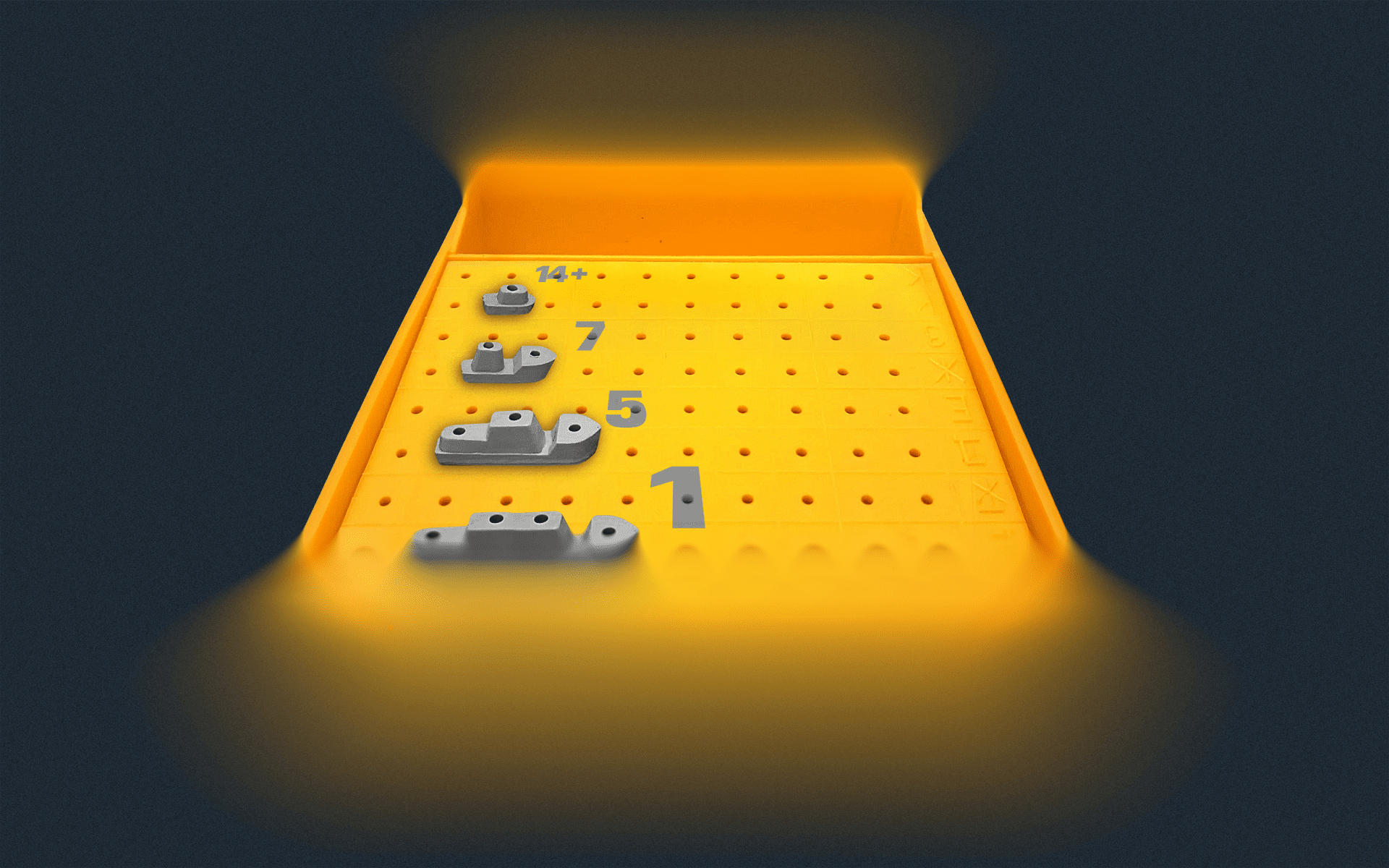
Ukraine has achieved what seemed improbable even in military theory: without a conventional navy, it has systematically eroded the offensive power of a far stronger maritime power—in waters long treated as its own backyard.
 Prefer U24 Media on Google
- Authors


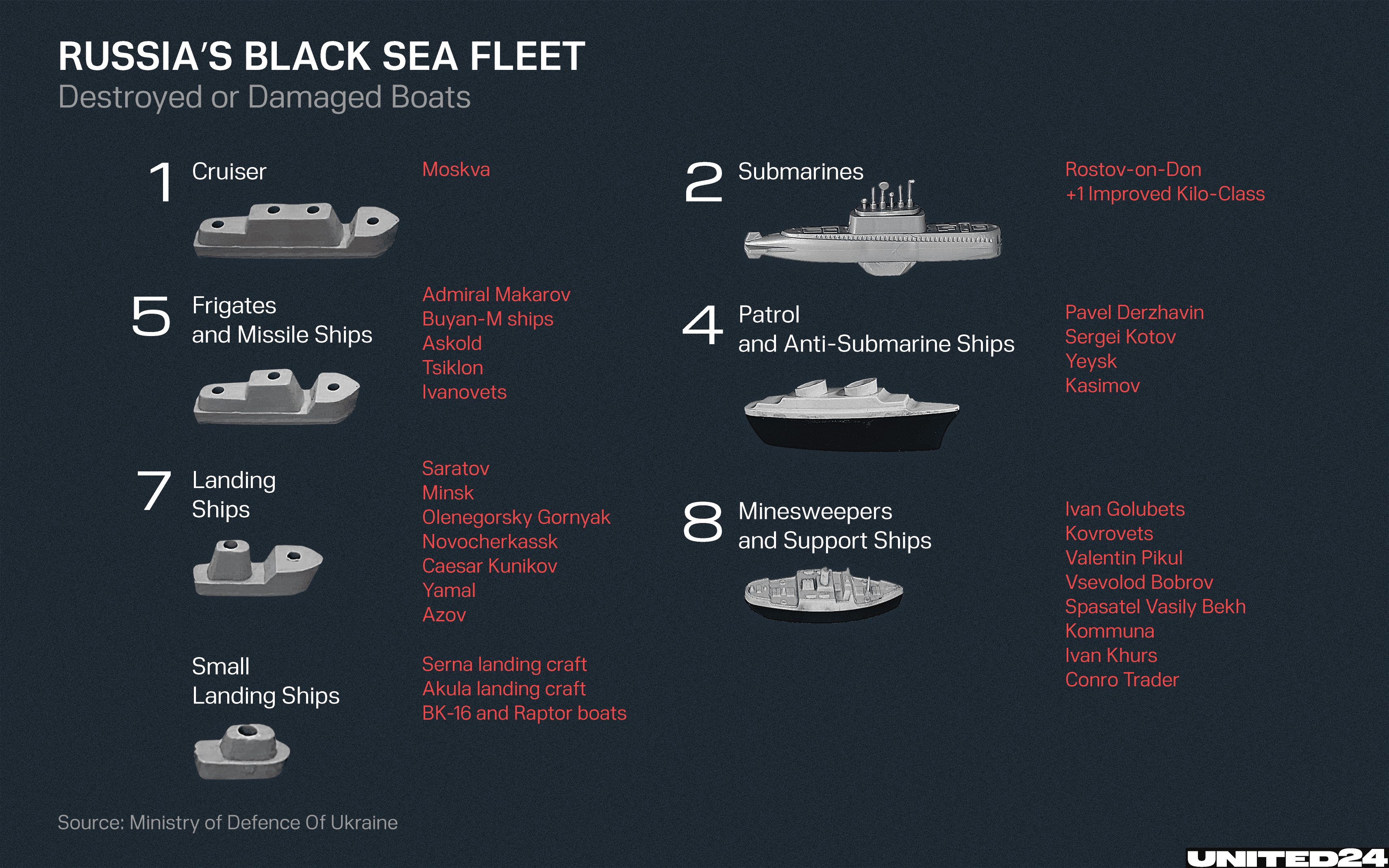
According to Ukraine’s Defense Ministry, by early 2026, roughly 30% of Russia’s Black Sea Fleet had been destroyed or seriously damaged—the result of a relentless campaign of missiles, drones, mines, and deep strikes that turned the Black and Azov seas into high-risk zones for any Russian warship, the Ministry reported on April 17.
We bring you stories from the ground. Your support keeps our team in the field.
Here is a comprehensive look at how Ukraine systematically identified, targeted, and crippled Russia’s Black Sea Fleet—ship by ship, across every layer of its naval power.
Saratov—the first shock
The first major crack in Russia’s naval posture came on March 25, 2022, when the large landing ship Saratov was destroyed in occupied Berdiansk.
Ukraine used a Tochka-U ballistic missile in what became a rare and highly consequential strike on a naval target inside port infrastructure.
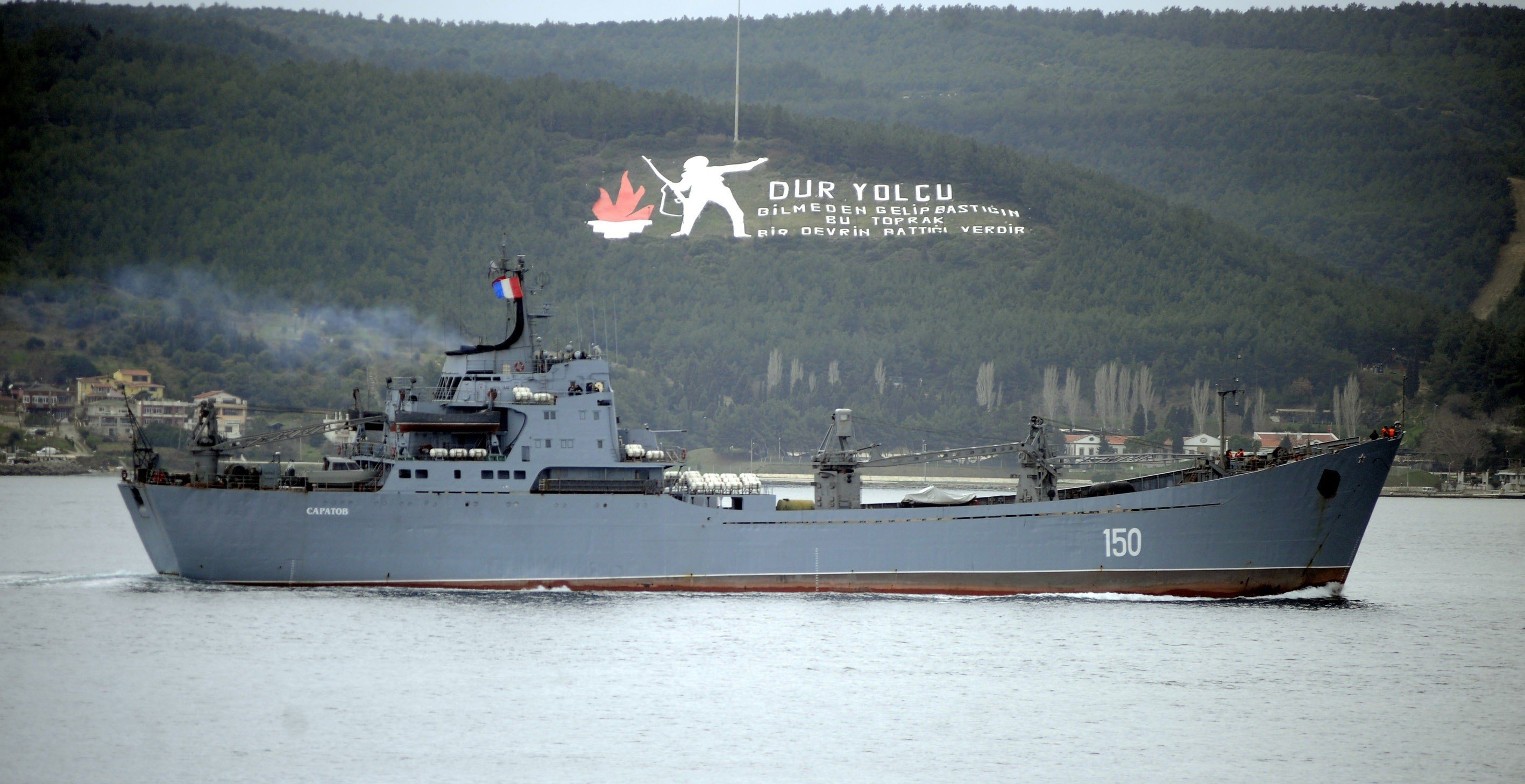
The blast also damaged two other vessels, Novocherkassk and Caesar Kunikov, which managed to pull away while burning.
More importantly, the destruction of Saratov disrupted Russian plans for an amphibious push in southern Ukraine and delivered the first clear sign that Moscow’s fleet was not operating in a sanctuary.
The remains of the Saratov Project 1171 large landing ship in Berdyansk that was destroyed by a Tochka-U strike on March 24. https://t.co/vTQ4gPU6iK pic.twitter.com/ugqCz8jGmB
— Rob Lee (@RALee85) July 1, 2022
Moskva—the flagship loss that changed the war at sea
If Saratov was the opening blow, the sinking of the missile cruiser Moskva on April 13, 2022, was the strategic rupture. Hit by Ukrainian Neptune anti-ship missiles near Snake Island, the flagship of Russia’s Black Sea Fleet sank the following day while under tow.
The loss went far beyond symbolism. Moskva had served as a key air-defense umbrella for Russian naval forces in the Black Sea, using its S-300F system to help shield the fleet from air attack.
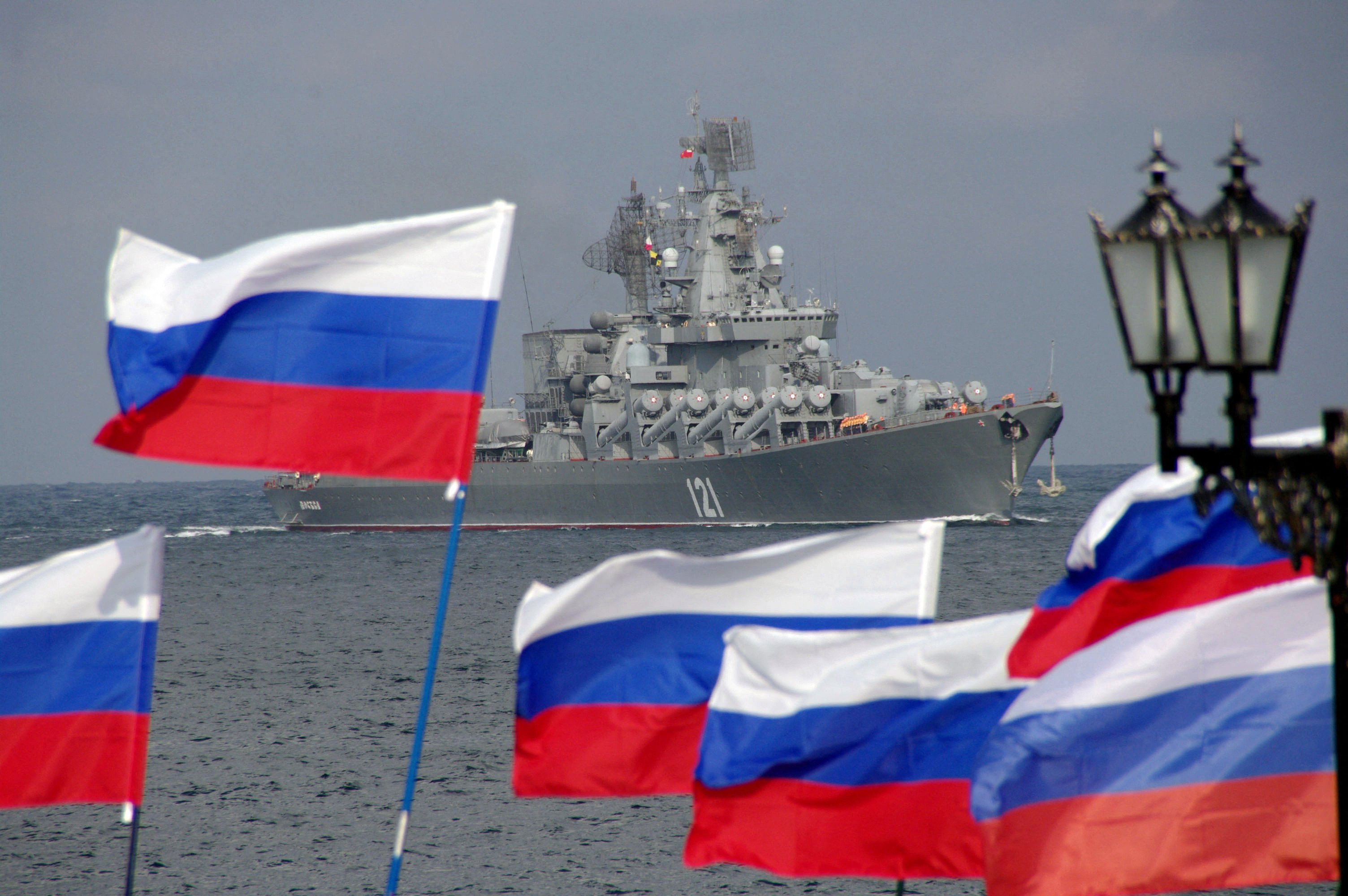
Once that cover disappeared, Russian vessels became far more vulnerable to Ukrainian aircraft and drones.
The sinking also helped set the conditions for the eventual liberation of Snake Island and the opening of the grain corridor. It was also the first sinking of a warship of that class since 1982.
4 years ago today, Ukraine’s Neptune missiles made history.
— UNITED24 Media (@United24media) April 13, 2026
The sinking of Russia's Moskva marked the first time missile cruiser was destroyed in modern warfare. pic.twitter.com/zjXUVsd5pW
Snake Island became a ship graveyard
The battle around Snake Island exposed the growing vulnerability of Russia’s fleet in the northwestern Black Sea.
On May 7, 2022, Ukrainian Bayraktar TB2 drones struck a Project 11770 Serna landing craft that was attempting to deliver a Tor air-defense system to the island.
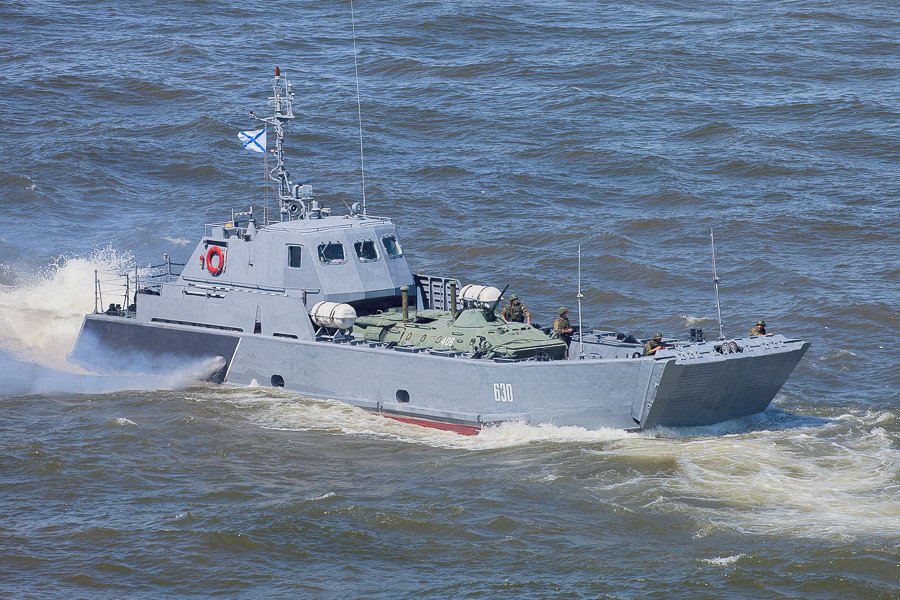
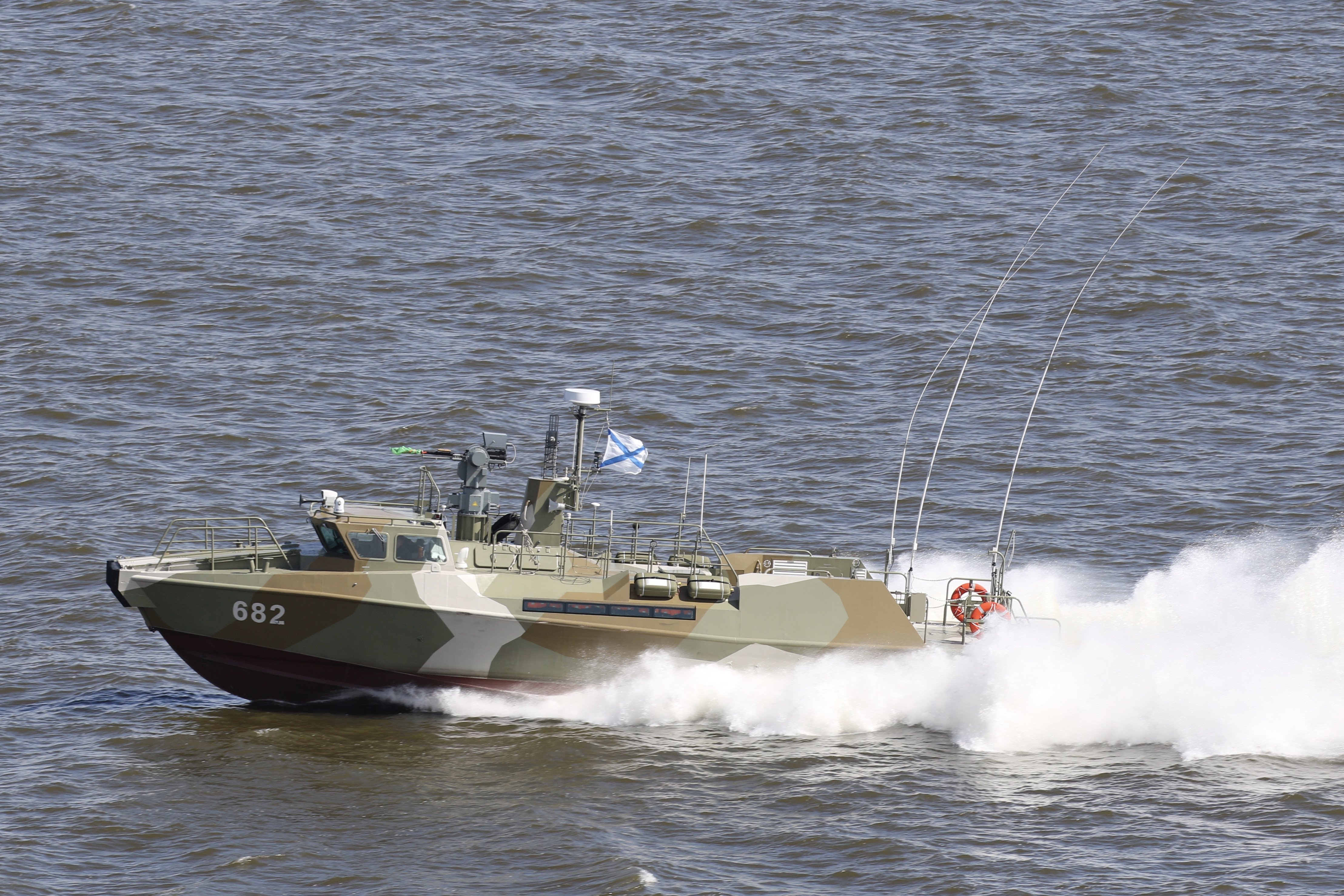
Two Project 03160 Raptor assault boats operating nearby were also hit. That mattered because the destruction of the Serna and the loss of the Tor system stripped the Russian garrison of badly needed local air defense, while the damage to the Raptors reduced Moscow’s ability to resupply or evacuate personnel quickly.
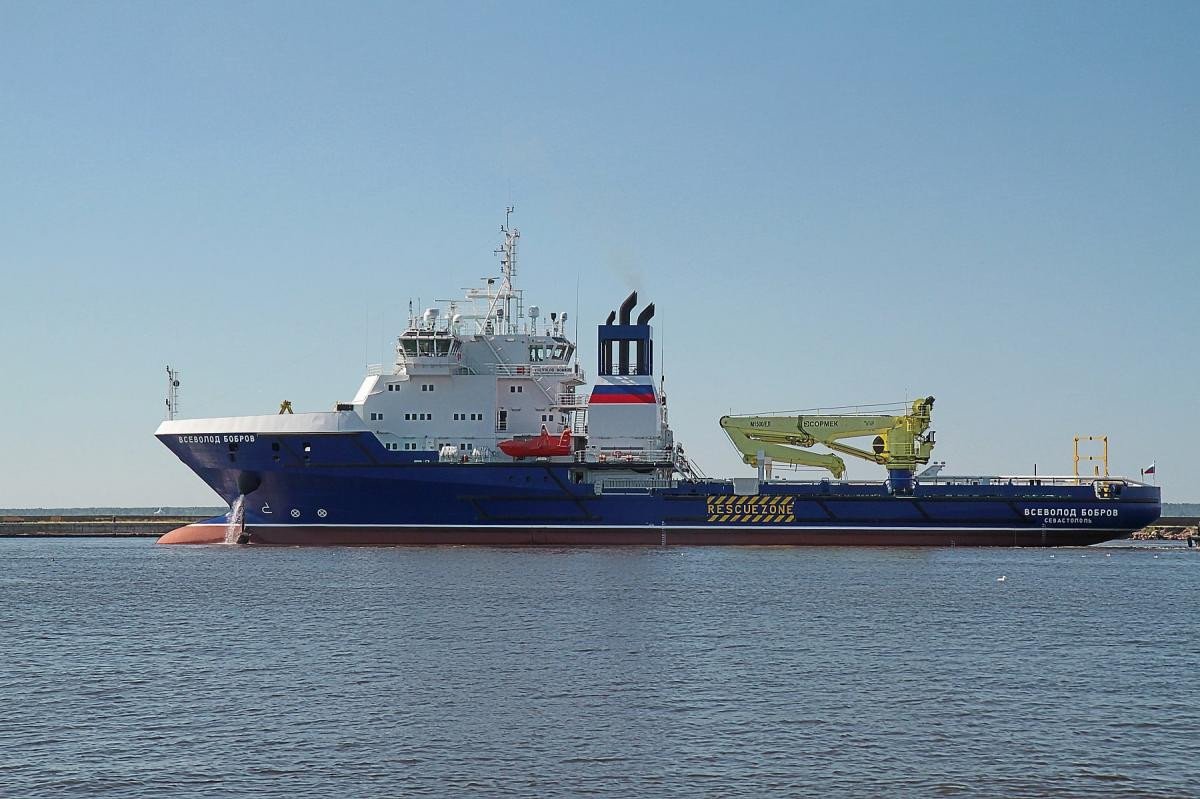
A few days later, on May 12, the support vessel Vsevolod Bobrov was hit near Snake Island. One of the newest ships in the Russian fleet, it suffered a major fire and serious damage. Even though it did not sink, the strike complicated Russia’s ability to move heavy equipment and air-defense systems to the island.
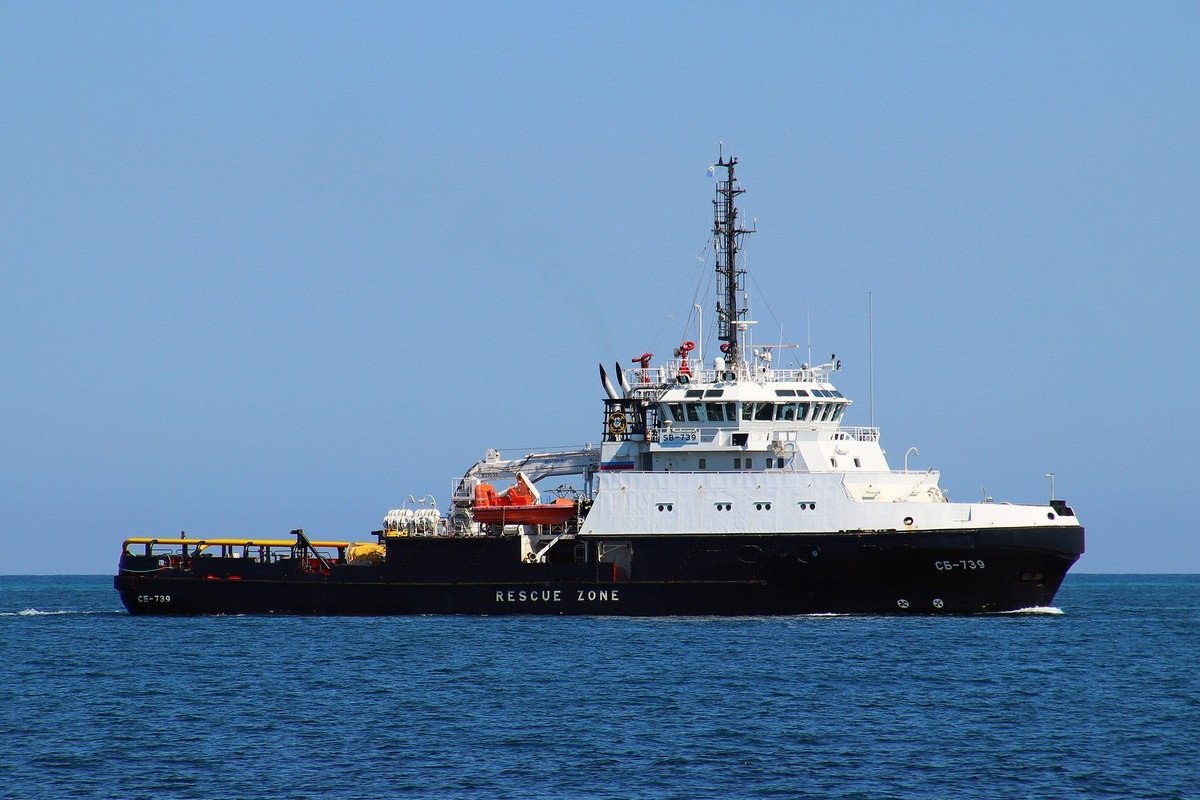
On June 17, 2022, the tug Spasatel Vasily Bekh was struck while carrying personnel, ammunition, and a Tor system to Snake Island. That attack effectively severed the logistics artery feeding the garrison.
Once Russia concluded that support ships could be destroyed before arrival, its position on the island became untenable, and Moscow was eventually forced to withdraw.
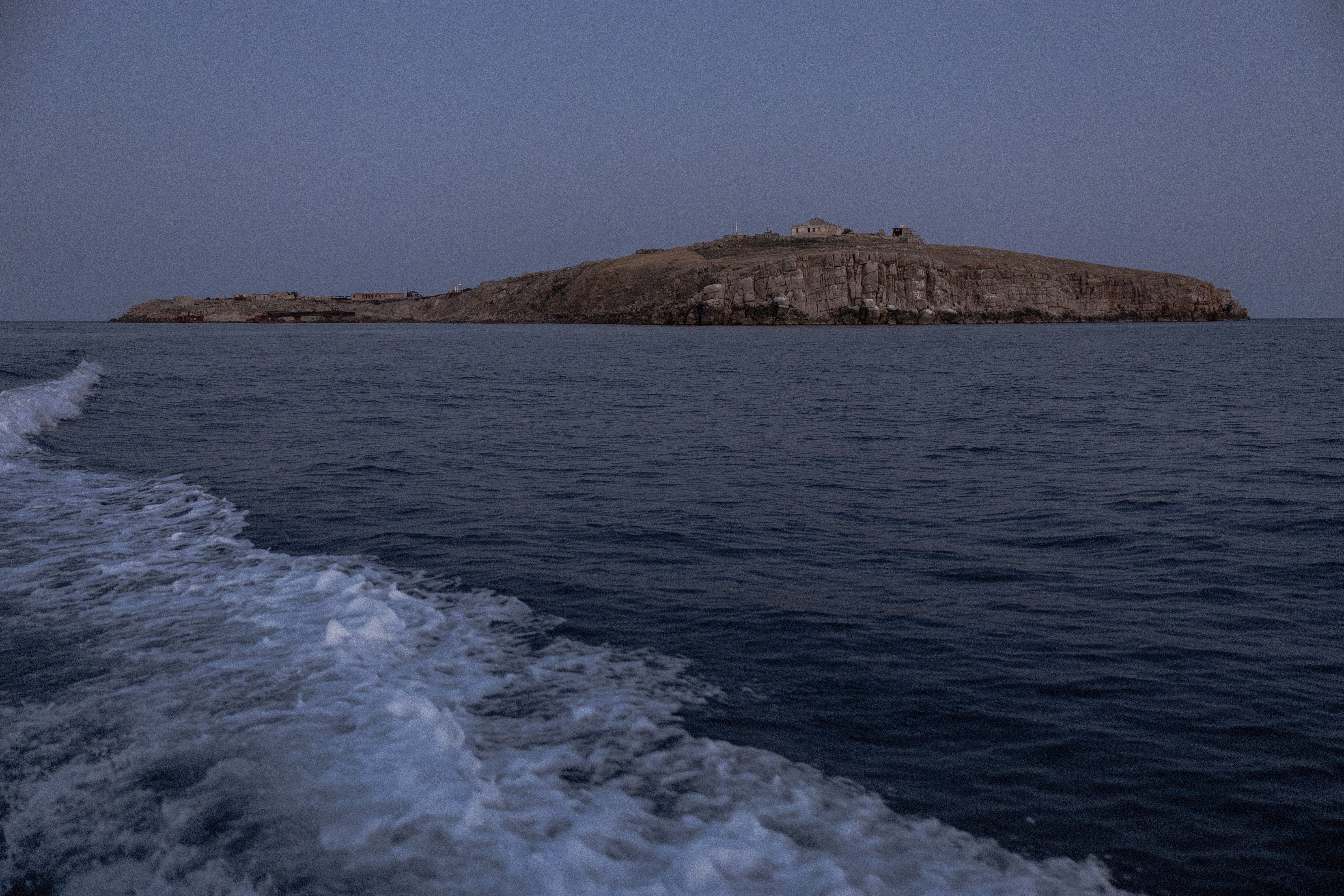
Admiral Makarov—the fleet’s replacement flagship under pressure
After Moskva was lost, the frigate Admiral Makarov emerged as one of the most important surviving Russian warships in the Black Sea. That made it an obvious target.
The first known strike came during Ukraine’s landmark drone attack on Sevastopol Bay on October 29, 2022, when the ship reportedly suffered damage to its side and radar systems.
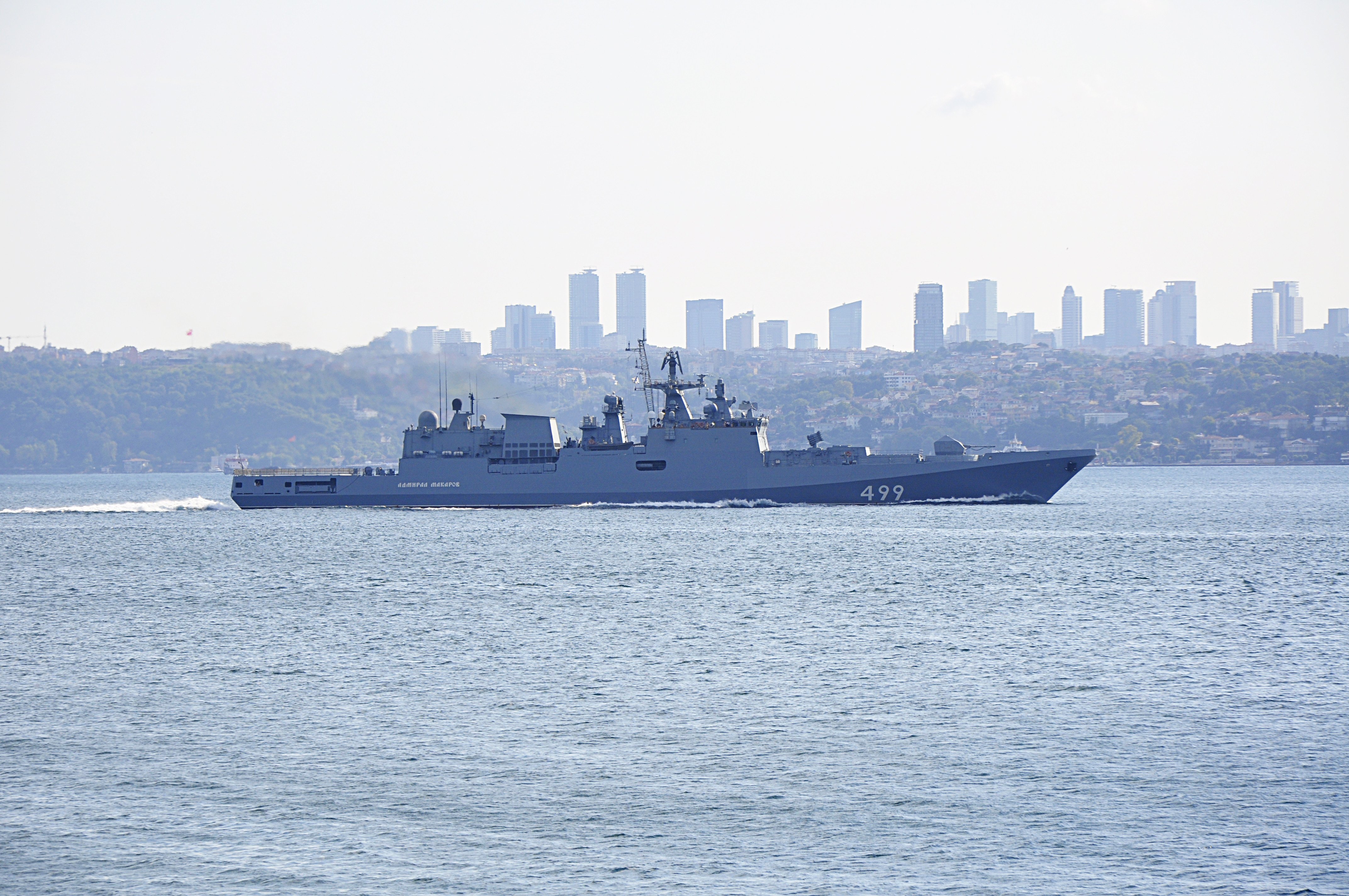
The second came on April 6, 2026, during a combined strike on Novorossiysk, where the vessel was said to have suffered critical damage to its superstructure and Kalibr launch systems.
For Russia, damage to Admiral Makarov cut especially deep because the frigate was one of the fleet’s most technologically capable surface combatants, equipped with both Shtil-1 air defense and Kalibr cruise missiles.
Ukrainian strike with an FP-2 OWA-UAV targets a Russian Admiral Grigorovich-class frigate Admiral Makarov shortly after it fires a 9M317M SAM missile in the area of the Novorossiysk Naval Base in southern Russia.
— Status-6 (War & Military News) (@Archer83Able) April 6, 2026
The attack took place last night. pic.twitter.com/9lilCRecDq
When Sevastopol stopped being safe
The war at sea changed again when Ukraine proved it could hit Russian naval assets inside Sevastopol itself.
During the October 29, 2022, drone assault, the minesweeper Ivan Golubets was also damaged, with direct impact and subsequent fire reported aboard the vessel. Damage to its radar and minesweeping systems weakened Russia’s ability to clear safe approaches for its own missile carriers.
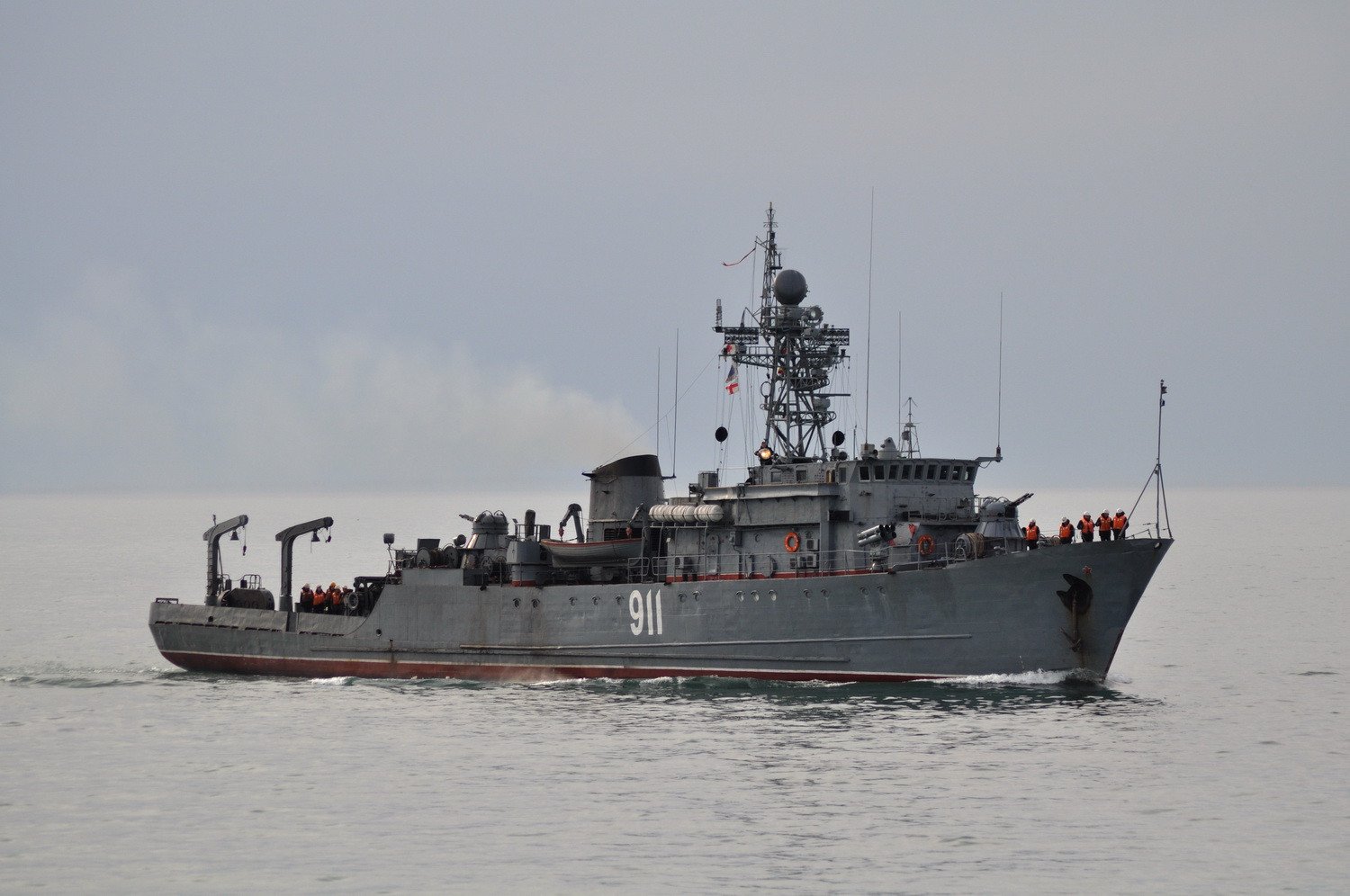
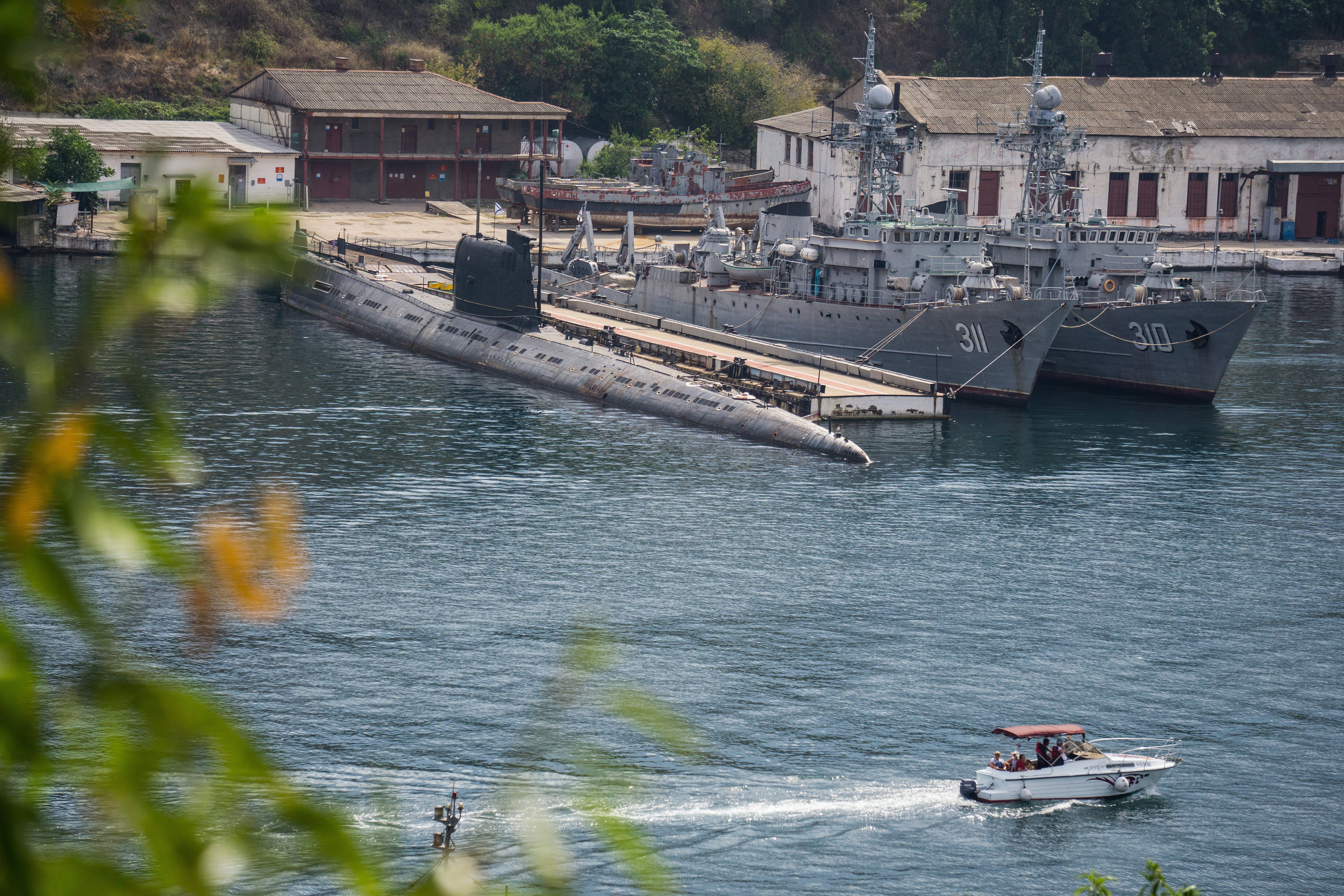
That pattern only intensified in 2023. On September 13, 2023, Ukraine struck the dry dock at Sevmorzavod in Sevastopol, damaging the landing ship Minsk and the submarine Rostov-on-Don.
Minsk suffered devastating internal and structural damage, while Rostov-on-Don—a Kalibr-launching submarine—took direct hits through its hull. The strike was strategically important because it demonstrated that even heavily protected repair facilities in Sevastopol could no longer guarantee survival.
⚡️The 🇷🇺Russian publication TASS, with reference to its "sources in the defense-industrial complex", announces the completion of the dock repair of the Rostov-on-Don submarine, which was hit by 🇺🇦Storm Shadow missiles on September 13.
— 🪖MilitaryNewsUA🇺🇦 (@front_ukrainian) July 17, 2024
Repair of the submarine continues afloat. pic.twitter.com/Jb8OyV4Sna
On October 11, 2023, the patrol ship Pavel Derzhavin hit a Ukrainian sea mine outside Sevastopol. Two days later, while attempting to move, it was attacked again by a maritime drone and forced into extended repairs.
That sequence showed Ukraine was beginning to combine mining with follow-on drone attacks in a layered naval campaign.
In Crimea, the MRK project 21631 "Buyan-M" - a small missile ship - from which Russia fires at Ukraine, recently exploded and is smoking.
— Devana 🇺🇦 (@DevanaUkraine) October 13, 2023
Updated:
The SBU, together with the Armed Forces Navy, attacked the cruise missile carrier "Buyan" and the ship "Pavel Derzhavin" thanks to… pic.twitter.com/rcAx3OXyMb
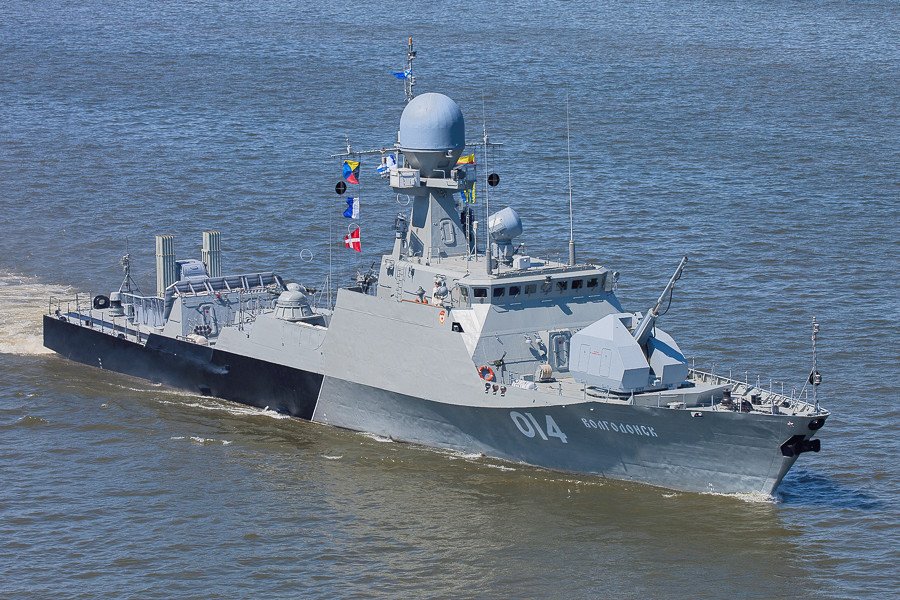
On October 13, 2023, a Project 21631 Buyan-M missile ship was reportedly damaged during another operation involving naval drones with experimental weapons.
Since Buyan-M ships are among the most active Kalibr launch platforms in Russia’s strike campaign against Ukraine, even partial losses in this class mattered.
Askold and the blow to Russia’s naval modernization
On November 4, 2023, Ukraine struck the brand-new missile corvette Askold at the Zaliv shipyard in Kerch. The Project 22800 Karakurt vessel had not even officially entered service, yet the attack left major damage to the hull and missile-launch area.
That strike mattered because it was not just an attack on a ship—it was a hit on Russia’s naval modernization program in Crimea. It also showed that Kerch, the eastern edge of occupied Crimea and a location long assumed to be relatively safer, was also within Ukrainian reach.
Footage showing Ukrainian Storm Shadow cruise missile hits on Russian Karakurt-class small missile corvette Askold on Zaliv shipyard in Kerch after pic.twitter.com/7jlUfbBEM8
— Clash Report (@clashreport) November 6, 2023
Fast landing craft losses erode Russian coastal mobility
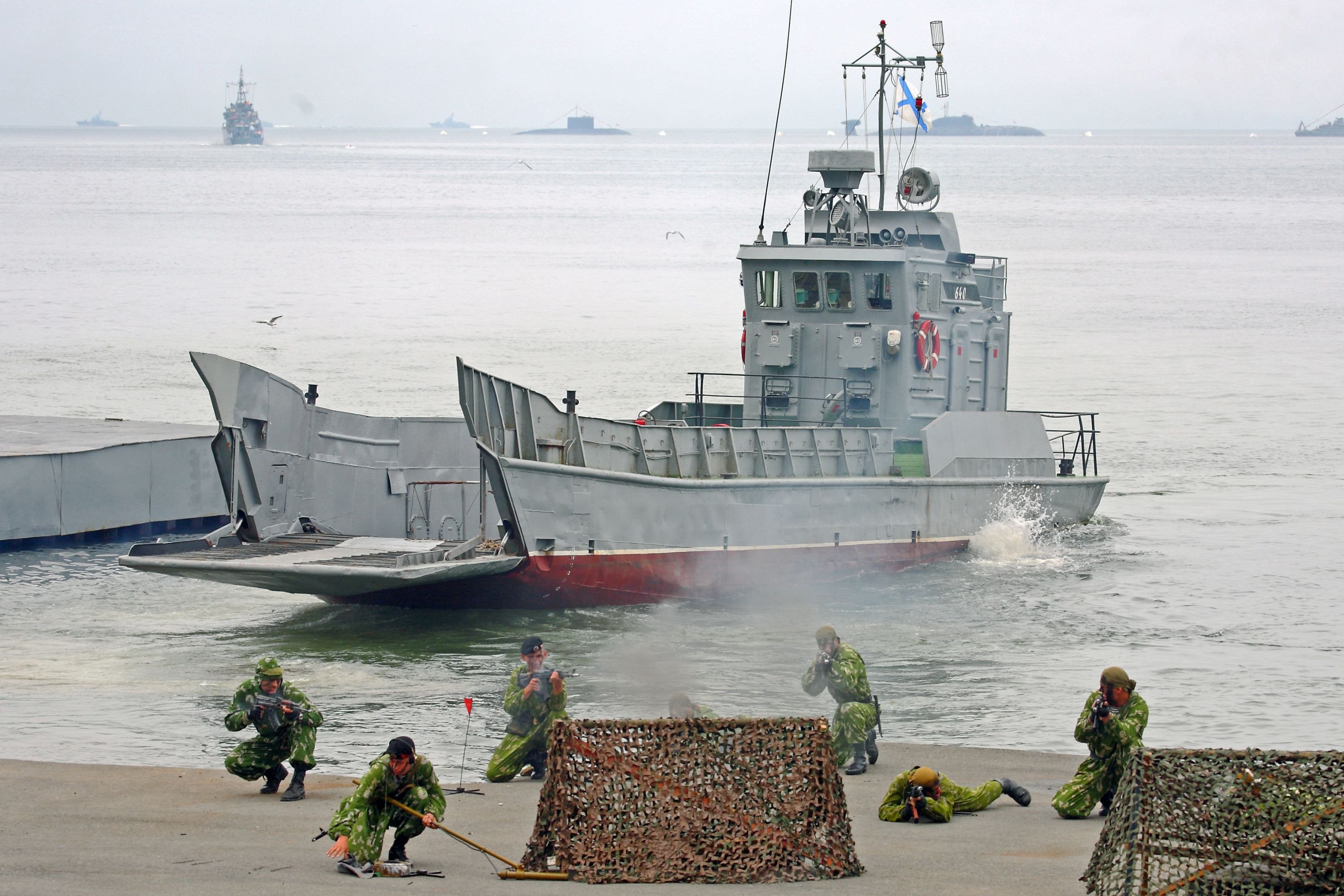
On November 10, 2023, Ukrainian sea drones struck two Russian landing craft near Vuzka Bay in occupied Crimea—one Serna-class boat and one Akula-class boat. Both were reportedly carrying crew and armored vehicles, including BTR-82s, when they were hit near the pier.
For Russia, those losses undercut one of the fleet’s more practical advantages: the ability to move troops, light armor, and short-range air-defense systems quickly along difficult coastal sectors.
Novocherkassk—a port explosion with strategic consequences
On December 26, 2023, the large landing ship Novocherkassk was hit by cruise missiles in the port of Feodosia. The resulting explosion was so large that it strongly suggested a major onboard detonation. Ukrainian intelligence later indicated the ship may have been carrying Shahed-type strike drones.
The loss had serious practical consequences. After Novocherkassk, Russia sharply reduced the use of large landing ships in Crimean ports for fear of similar strikes. That, in turn, complicated maritime supply routes to occupied territories.
This is how the Ship was before it was destroyed pic.twitter.com/GKpu7Oy47H
— 🪖MilitaryNewsUA🇺🇦 (@front_ukrainian) December 26, 2023
Ivanovets and Caesar Kunikov—sea drones become ship killers
On January 31, 2024, the missile boat Ivanovets was destroyed near Lake Donuzlav. Ukrainian sea drones first disabled the ship, then struck again, triggering a catastrophic explosion that likely involved the vessel’s Moskit anti-ship missiles.
Since Russia had only three such ships in the Black Sea Fleet, the loss was militarily significant.
— 🪖MilitaryNewsUA🇺🇦 (@front_ukrainian) February 1, 2024
Two weeks later, on February 14, 2024, the landing ship Caesar Kunikov was destroyed near Alupka in Ukrainian territorial waters.
Sea drones attacked from both sides, breaching the hull until the ship capsized and sank. At the time, the vessel was reportedly being used primarily as a military transport platform.
— 🪖MilitaryNewsUA🇺🇦 (@front_ukrainian) March 6, 2024
Sergei Kotov—built for security, could not save itself
On March 5, 2024, the patrol ship Sergei Kotov—one of the newer vessels in the Black Sea Fleet—was destroyed near the Kerch Strait in a swarm-style sea drone attack. The ship took multiple hits and sank.
Its loss was especially embarrassing for Russia because the Project 22160 patrol ships had been presented as useful platforms for patrol, security, and anti-sabotage missions.
Yet Sergei Kotov failed to defend itself against precisely the kind of asymmetric threat it should have been helping counter.
+1 russian ship was upgraded to a submarine.
— Defense of Ukraine (@DefenceU) March 5, 2024
Tonight, the special unit of the @DI_Ukraine "Group 13" attacked the patrol ship of the russian Black Sea Fleet, "Sergei Kotov," worth $65 million.
As a result of the attack by Magura V5 naval drones, the russian ship of project… pic.twitter.com/smZ1H1Ekp6
Yamal, Azov, and Ivan Khurs
Ukraine’s large combined strike on Sevastopol on March 24, 2024, damaged two Project 775 landing ships, Yamal and Azov, as well as the intelligence ship Ivan Khurs.
Yamal reportedly suffered severe damage and a heavy list. Azov was hit near the stern.
Photos of the large landing craft "Azov" and "Yamal" for March 22 and 24.
— Malinda 🇺🇸🇺🇦🇵🇱🇨🇦🇮🇹🇦🇺🇬🇧🇬🇪🇩🇪🇸🇪 (@TreasChest) March 24, 2024
The Azov large landing ship shows the possible location of the hit, but it is impossible to say for sure. The photographs taken on March 24 could have been taken before the defeat; the time is not known… pic.twitter.com/S0PBZSjUCG
Ivan Khurs, one of Russia’s most modern signals intelligence and command-support ships, also took damage to its deck and surveillance systems.
Together, those hits degraded Russia’s logistics inside Crimea while also disrupting one of the fleet’s more sophisticated electronic intelligence assets.
#2024MOD_Recap — Day 3
— Defense of Ukraine (@DefenceU) December 16, 2024
We continue with March, which was a truly bad month for a russian Black Sea fleet. During one month, #UAarmy destroyed or damaged 5 russian ships.
First, Magura V5 naval drones attacked the patrol ship "Sergei Kotov". The ship suffered damage to the… pic.twitter.com/fuY7dI1Jjr
Kommuna and Kovrovets—support and mine warfare assets taken off the board
Ukraine also targeted the less glamorous but strategically vital support vessels that help fleets survive prolonged conflict.
On April 21, 2024, the rescue vessel Kommuna—a century-old but still uniquely useful platform—was struck in Sevastopol. The attack damaged specialized equipment used for deep-water recovery and submarine rescue.
⚡️ The Ukrainian Naval Forces spokesman confirms the hit of a Russian warship Kommuna.
— UNITED24 Media (@United24media) April 21, 2024
It is the only rescue vessel of its class in the Black Sea. Its purpose is deep-sea operations, raising submarines and sunken cargo, per Army Inform. pic.twitter.com/HWoQYVesl4
That mattered because Kommuna was the fleet’s only ship truly capable of lifting sunken equipment and helping investigate wrecks on the seabed.
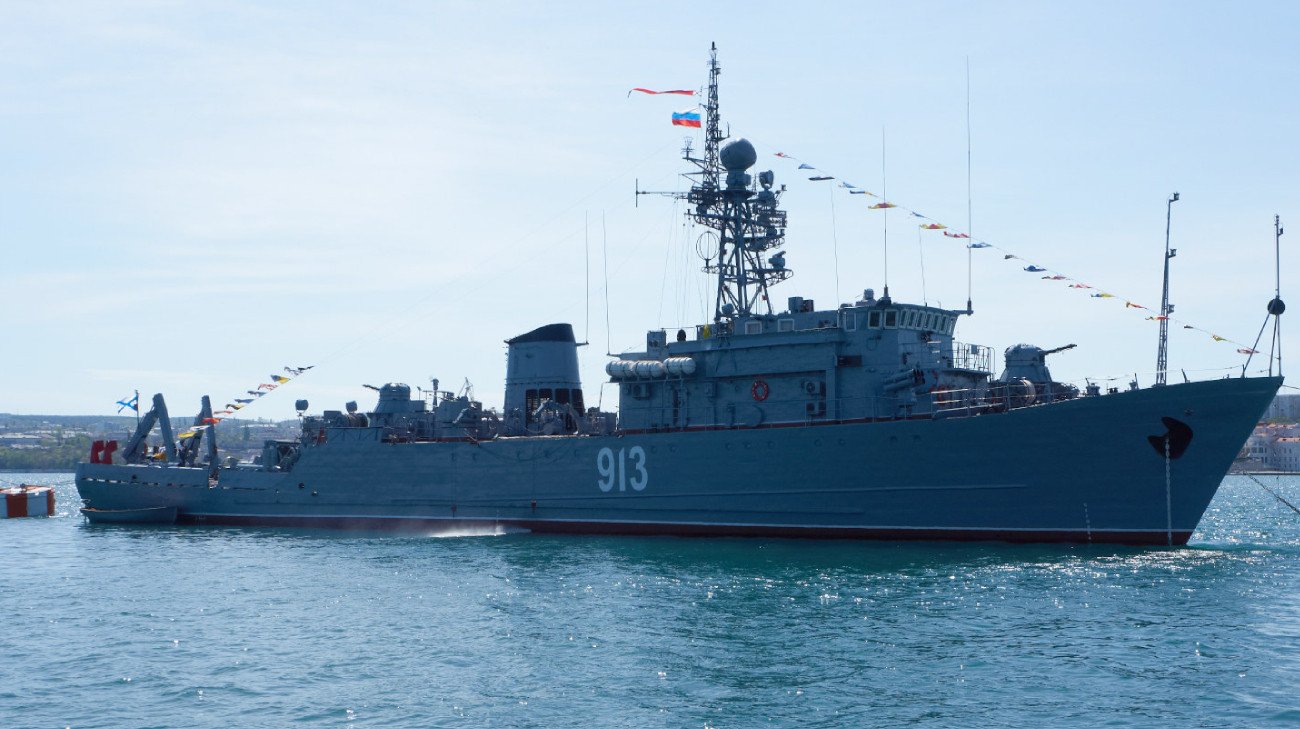
Then on May 19, 2024, Ukraine hit the minesweeper Kovrovets in Sevastopol. The ship’s loss weakened Russia’s mine-countermeasure posture, further complicating safe fleet operations.
Tsiklon—Crimea loses its last local Kalibr carrier
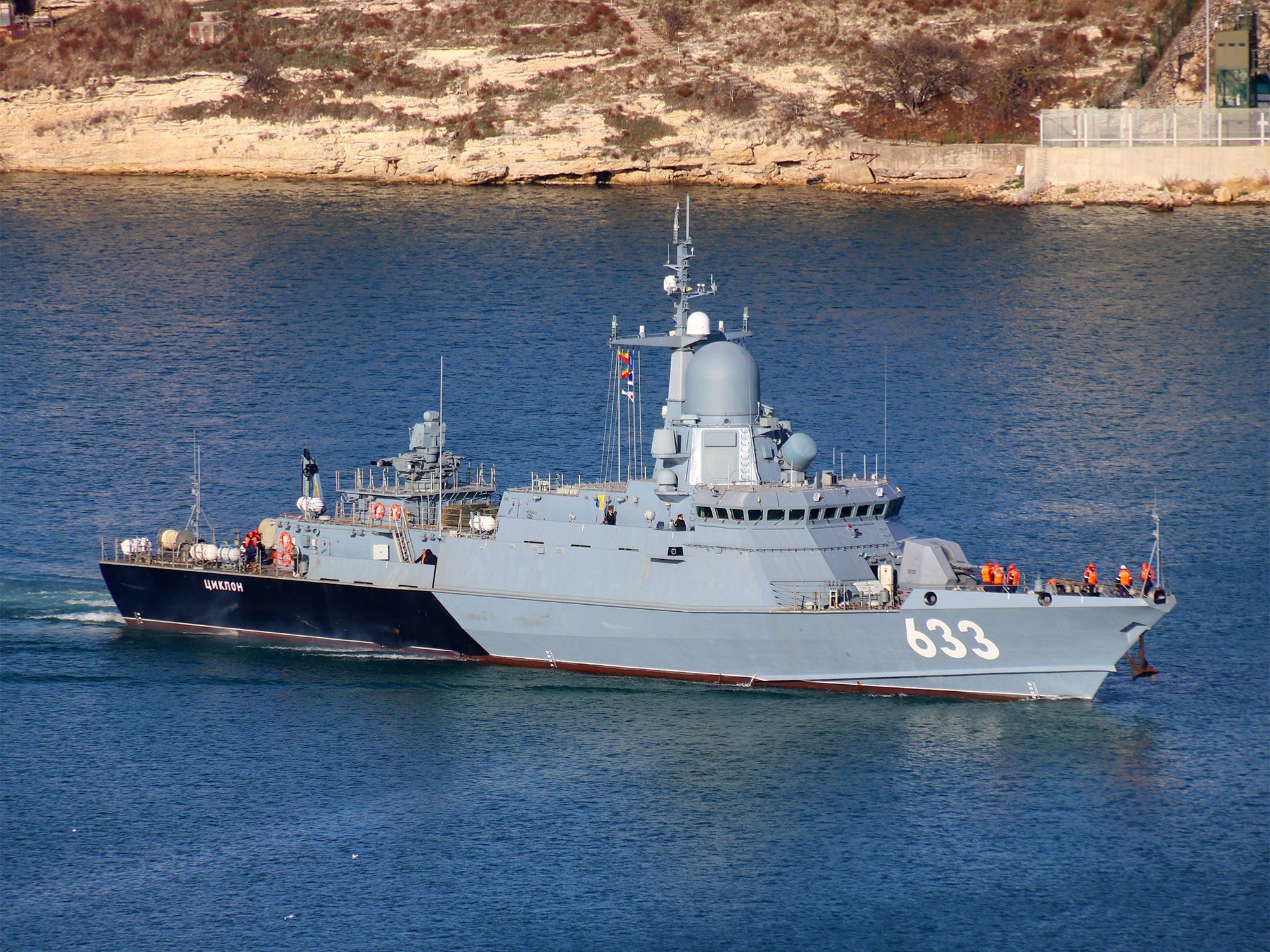
Also on May 19, 2024, the missile ship Tsiklon was destroyed in Sevastopol. This mattered not only as another ship loss, but because it was reportedly the last Kalibr-capable missile carrier physically based in Crimea.
After that strike, Russia was effectively forced to relocate remaining combat-capable missile ships to ports such as Novorossiysk and Tuapse.
Conro Trader and Slavyanin—logistics beyond warships
Ukraine’s maritime campaign did not stop at classic naval targets. On August 22, 2024, the rail ferry Conro Trader was struck in the port of Kavkaz, near the Kerch Strait.
Loaded with 30 fuel tank cars, the ferry erupted in a major fire with multiple detonations, eventually capsizing and sinking at the pier.
Its destruction mattered because the vessel had played a critical role in transporting fuel and military supplies to occupied Crimea while bypassing the damaged Kerch Bridge.
On April 8, 2026, Ukraine’s military intelligence reported that a Russian railway ferry used to supply temporarily occupied Crimea was disabled in a drone strike, marking the loss of the last such vessel operating in the Kerch Strait.
Ukraine hit with a missile ferry train loaded with 30 full tanks in the port of "Kavkaz" near the Criema bridge
— PS01 □ (@PStyle0ne1) August 22, 2024
The burning ferry Conro Trader was hit with a Ukrainian missile after it was completely loaded
Ukraine is making Crimea untenable, it becomes a liability for Russia pic.twitter.com/qKJutkToDW
The war moved to Novorossiysk
On August 4, 2023, the landing ship Olenegorsky Gornyak was struck in Novorossiysk Bay by a sea drone in what became one of the earliest dramatic demonstrations that Ukraine could hit high-value ships more than 700 kilometers from the controlled coastline.
The vessel developed a severe portside list, suggesting major flooding.
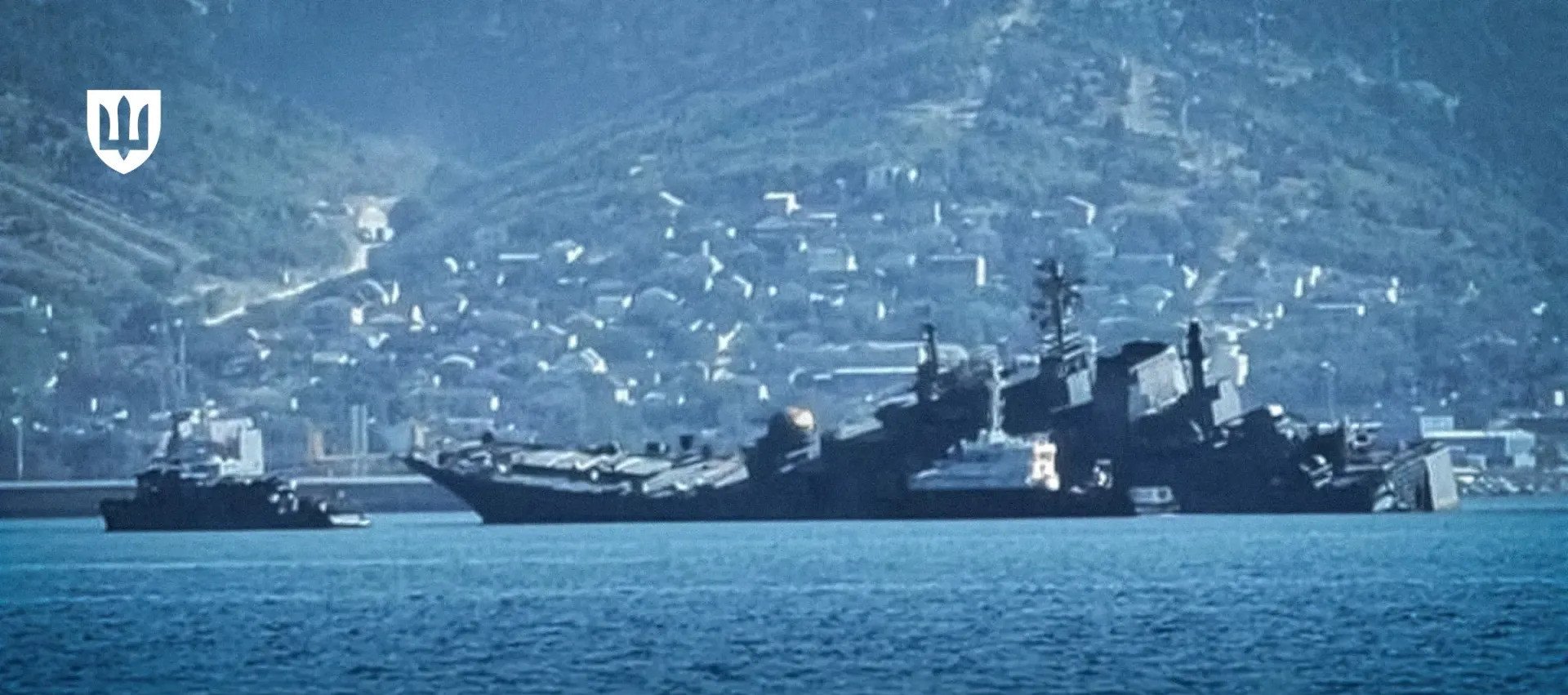
Then on March 2, 2026, Ukraine launched a large-scale overnight strike involving more than 200 drones against Novorossiysk, now the fleet’s principal fallback base.
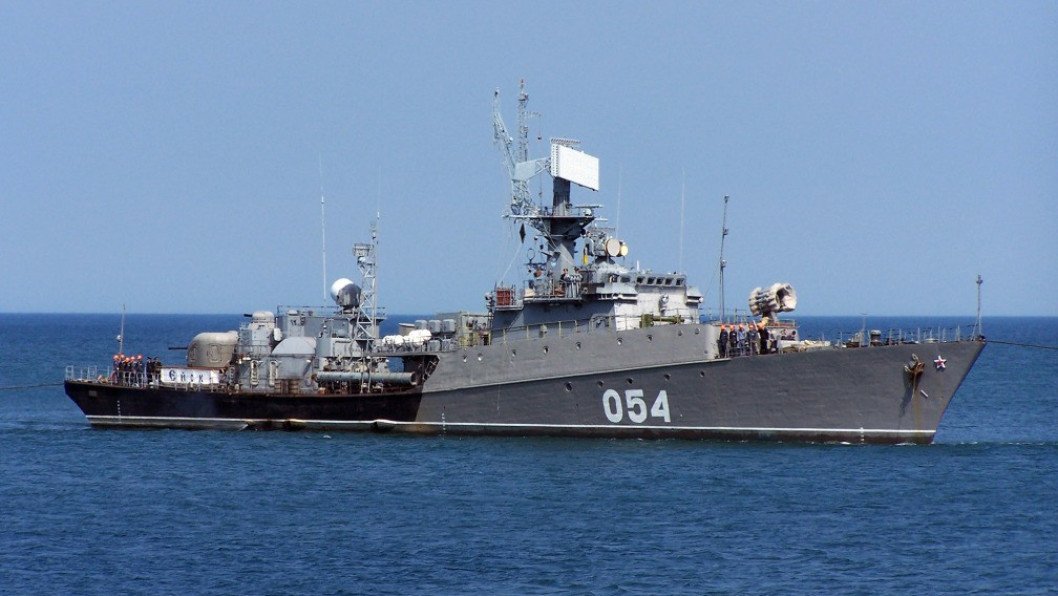
The minesweeper Valentin Pikul reportedly sank, while the anti-submarine ships Yeysk and Kasimov suffered serious hull and propulsion damage. Those strikes significantly weakened Russia’s mine-defense and anti-drone response capabilities in the very harbor it had turned to for safety.
Submarines are no longer untouchable
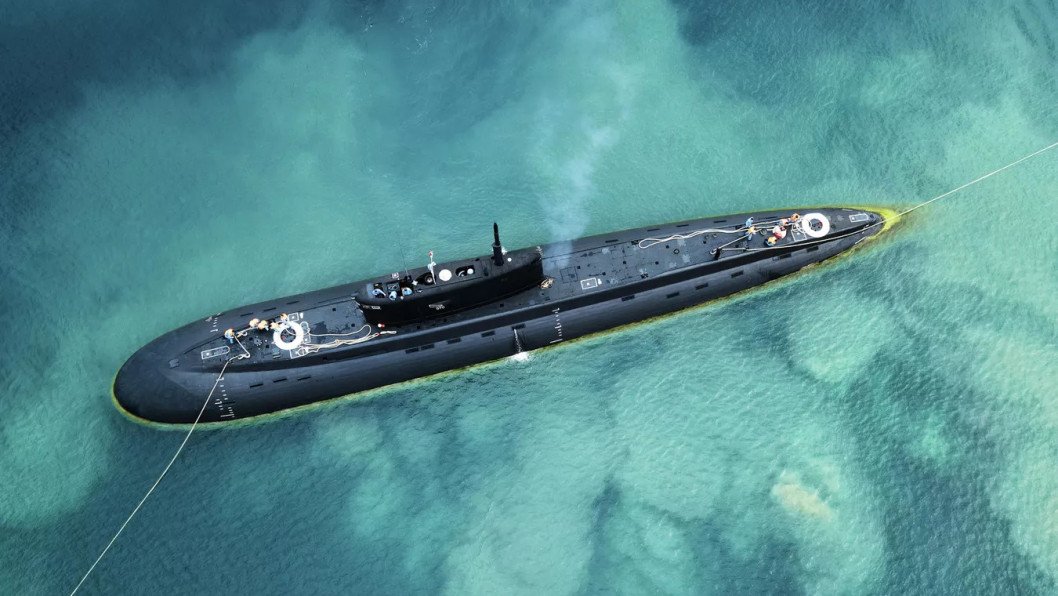
Even Russia’s submarine fleet, once among the most survivable parts of its Black Sea presence, was increasingly under pressure.
The earlier strike on Rostov-on-Don had already cut into the fleet’s underwater Kalibr-launch potential.
But on December 15, 2025, another major blow followed when a Project 636 Kilo-class submarine was reportedly damaged near the entrance to Sevastopol Bay while surfaced.
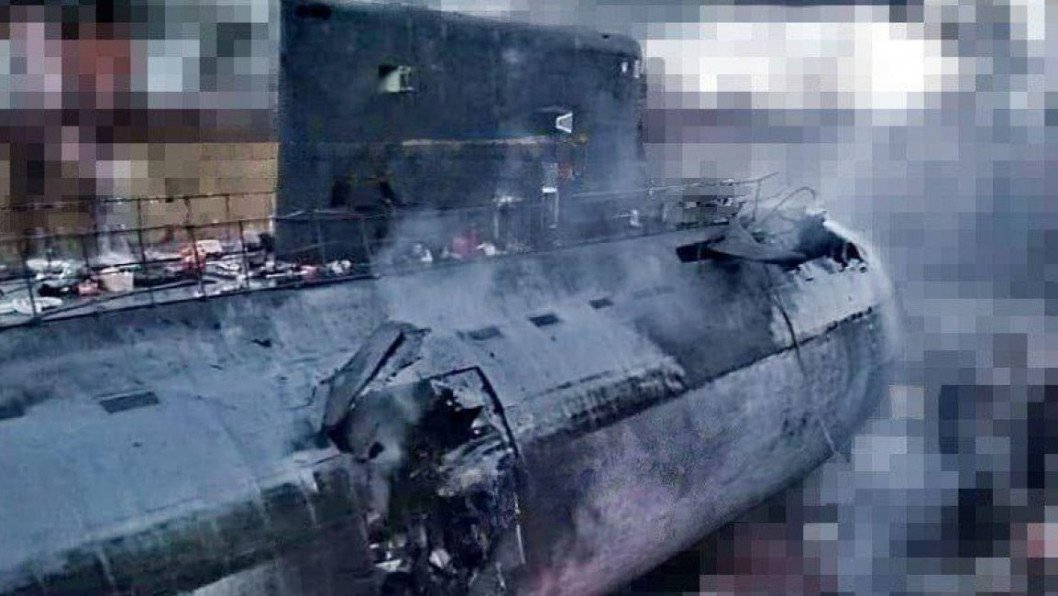
Ukraine is said to have combined aerial drones to distract defenses with a fast maritime drone carrying an enhanced warhead. The strike reportedly damaged the sail and pressure hull area, leaving the submarine unable to dive and causing major internal systems damage.
For a fleet relying heavily on Kilo-class submarines as stealthy Kalibr launch platforms, that was a serious operational setback.
The pattern is bigger than any one ship
Taken individually, each loss hurt Russia differently, the Defense Ministry wrote. Some removed missile launch platforms. Some crippled logistics, some degraded air defense, mine warfare, reconnaissance, repair, or rescue functions.
Together, they produced something much larger: a fleet increasingly stripped of confidence, freedom of movement, and offensive utility.
Discuss this article:



-111f0e5095e02c02446ffed57bfb0ab1.jpeg "Photo of Roman Kohanets")