- Category
- Latest news
Russia Claims Submarine Parts Smuggling—But the Potential Buyers Make No Sense
 Prefer U24 Media on Google
- Authors


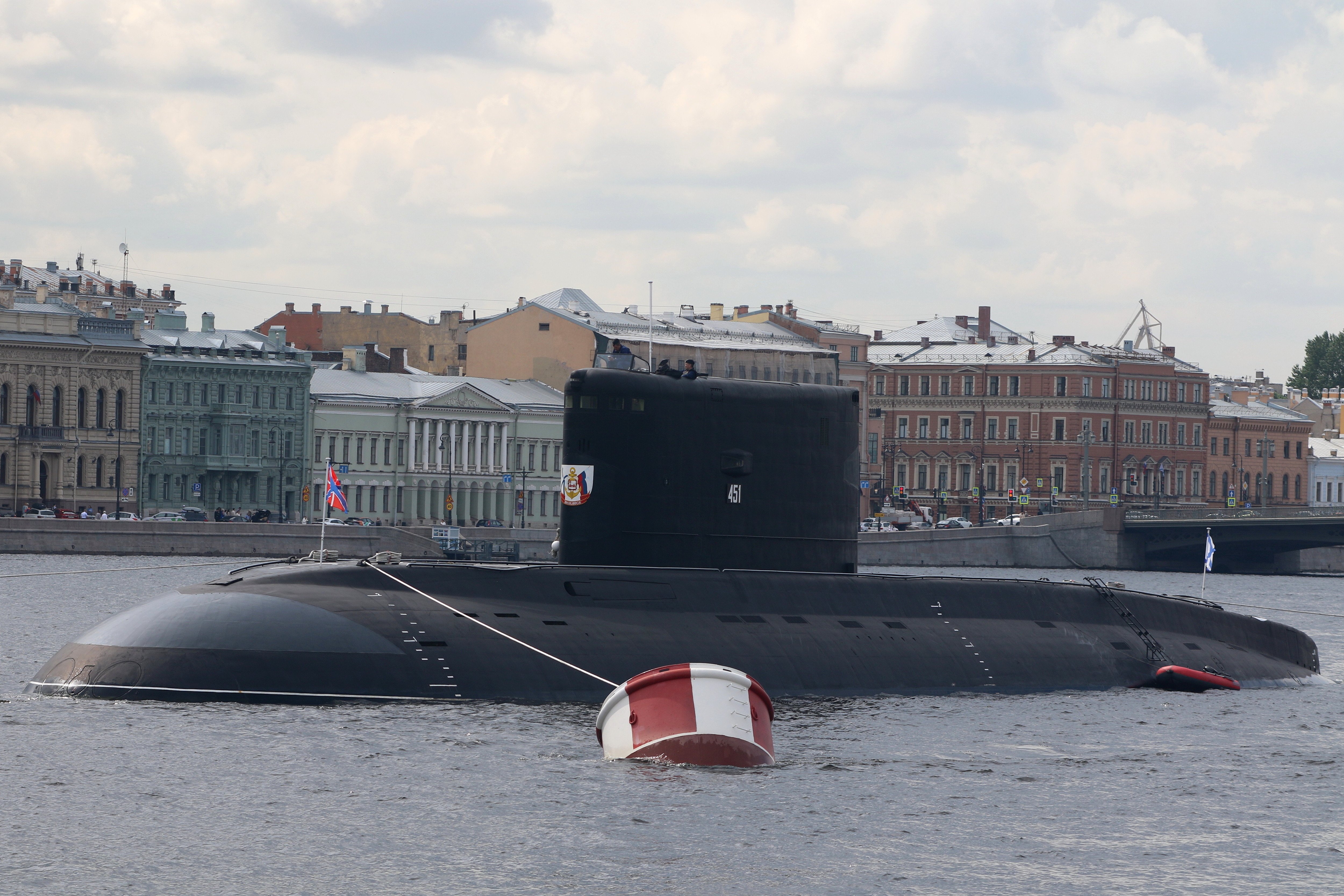
Reports circulated in Russian media claim that security services in the Leningrad region allegedly prevented the export of components for diesel engines used in “Varshavyanka” (Kilo-class) submarines, reportedly intended for a foreign customer.
We bring you stories from the ground. Your support keeps our team in the field.
According to Defense Express on April 14, the case raises questions about whether there is any realistic demand for such components outside Russia, given the limited number of operators and the condition of existing submarines.
The outlet notes that Project 877 and 636.6 submarines—commonly referred to as “Varshavyanka”—are powered by 4-2DL42M diesel engines. These engines originate from the D42 family produced by the Kolomna plant and were originally developed for use in diesel locomotives, later adapted for naval platforms.
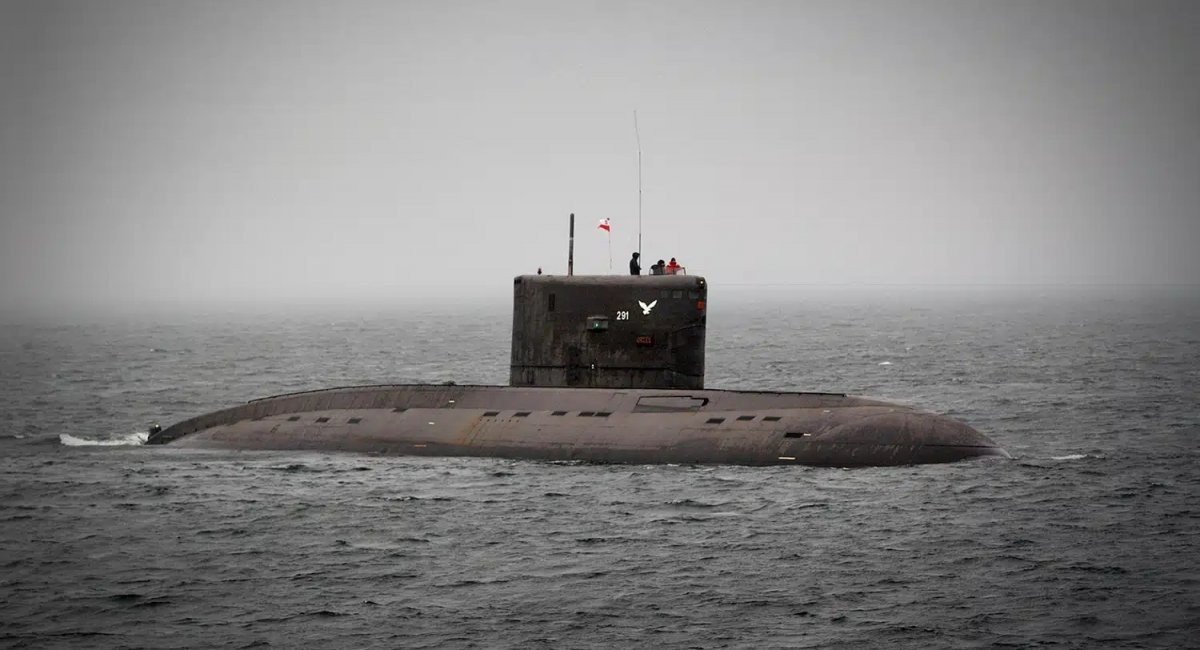
Only a small number of countries outside Russia continue to operate submarines of this class. Among NATO members, Poland and Romania are identified as the only states that still possess such vessels, both inherited from the Soviet era.
In Romania’s case, the submarine Delfinul has reportedly remained inactive for more than two decades due to technical issues. Past proposals from Russia to refurbish the vessel—reportedly in exchange for agricultural goods—did not materialize. The submarine has not returned to operational service, though it remains in the fleet inventory.
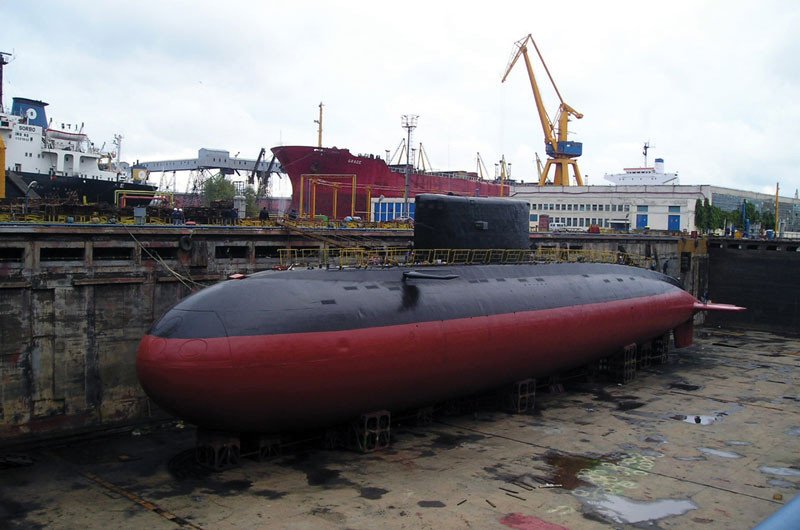
Poland’s ORP Orzeł, built in the 1980s, is still formally active but has limited operational capability and is not considered combat-ready. Warsaw is currently pursuing the Orka program to replace its aging submarine fleet with modern platforms capable of launching long-range missiles.
According to Defense Express, neither Poland nor Romania has demonstrated intent to invest in restoring full operational capability of their Soviet-built submarines, further reducing the likelihood of demand for legacy engine components.
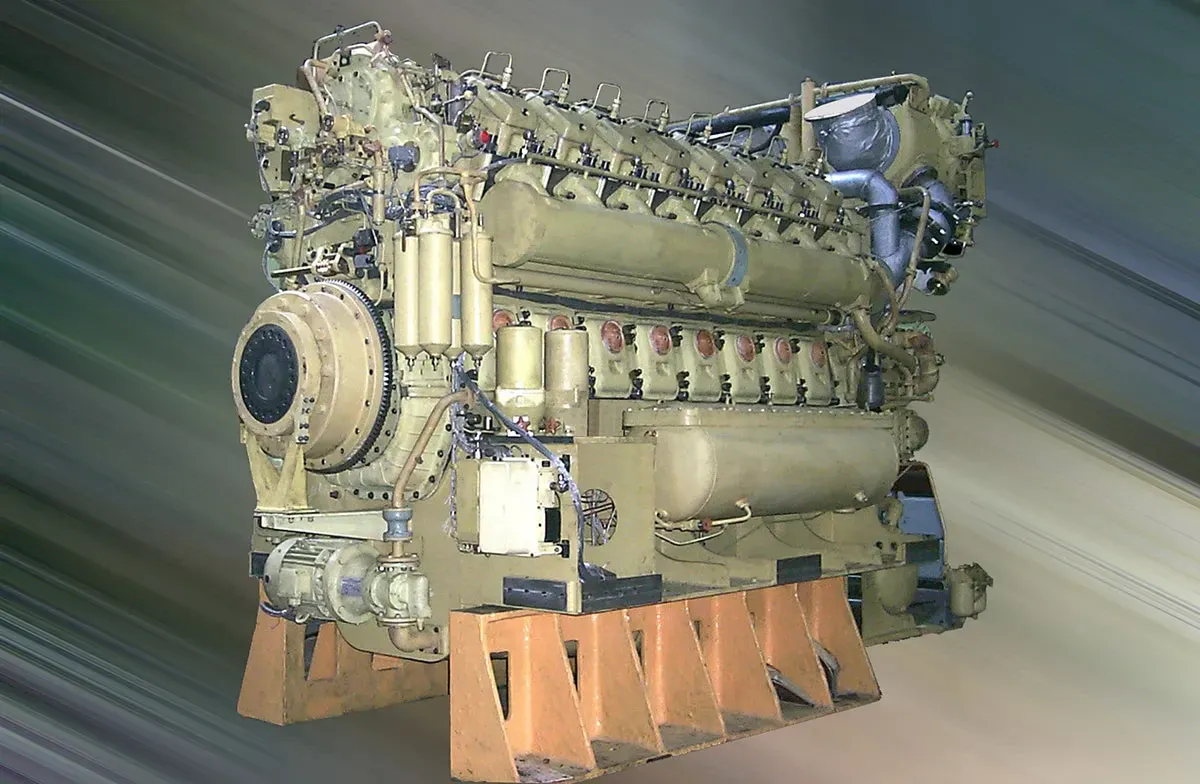
In this context, the reported attempt to export parts for Kilo-class diesel engines appears inconsistent with current fleet realities. Defense Express suggests the case may reflect internal Russian enforcement narratives rather than a confirmed international procurement effort.
Earlier, India finalized a $2 billion agreement to lease a Russian nuclear-powered attack submarine, according to Bloomberg on December 4. The vessel is expected to serve primarily as a training platform, helping India develop its nuclear submarine capabilities as part of its broader effort to build a full nuclear triad and expand its naval presence in the Indian Ocean.
Discuss this article:
-9a7b3a98ed5c506e0b77a6663f5727c5.png)




-111f0e5095e02c02446ffed57bfb0ab1.jpeg "Photo of Roman Kohanets")