- Category
- War in Ukraine
Ukraine Cripples Crimea’s Power Backbone, Striking One of Russia’s Largest Energy Hubs on the Peninsula
 Prefer U24 Media on Google
- Authors

-72b63a4e0c8c475ad81fe3eed3f63729.jpeg "Photo of Cyril Barabaltchouk")
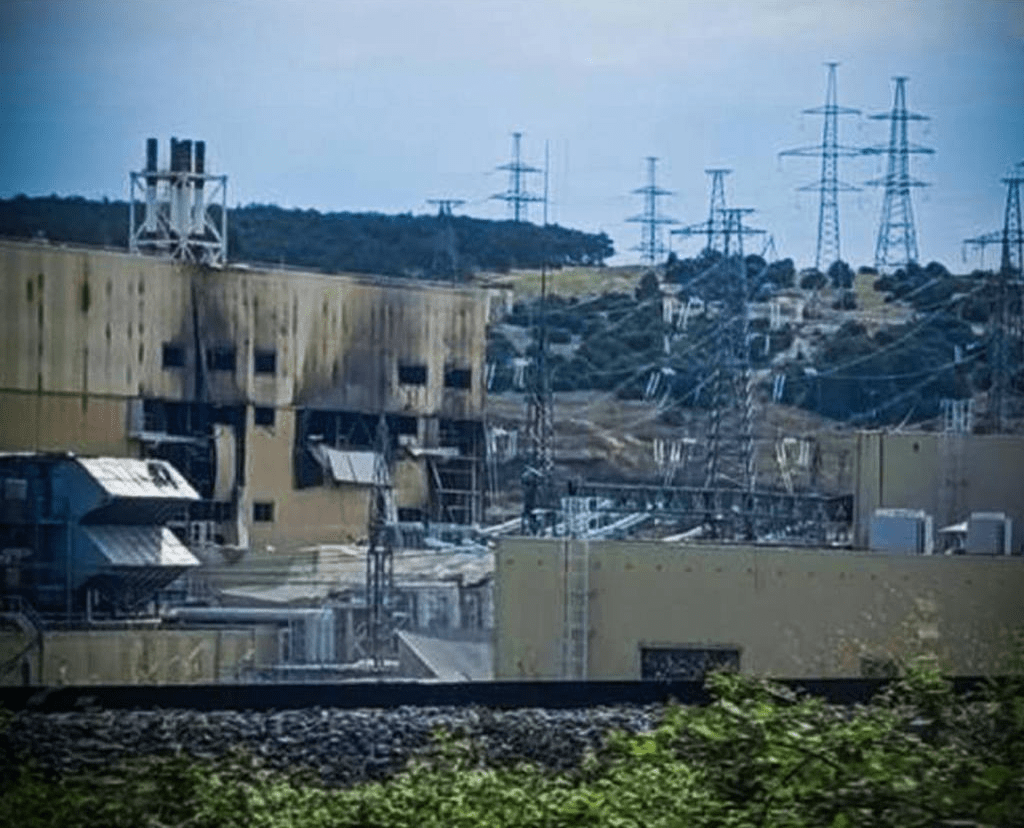
Ukrainian special forces have struck the Balaklava Thermal Power Plant in temporarily occupied Sevastopol, knocking out nearly half of Crimea’s electricity generation, the Ukrainian Special Operations Forces (SSO) reported on July 15.
The clandestine Resistance Movement of the SSO, alongside specialized “Deep Strike” units, carried out the joint operation during the night of July 14. Preliminary damage assessments indicate that the attack heavily compromised the turbine hall and the cooling system of a Siemens SGT5-2000E gas turbine.
We bring you stories from the ground. Your support keeps our team in the field.
The Ukrainian military reported that if the facility’s underlying pumping equipment was successfully destroyed, repairs by the Russian occupation administration could take between two and five months to complete.
During the Cold War, the town of Balaklava was a highly classified, closed military zone completely erased from public Soviet maps, requiring special state clearance to enter. Hidden deep inside the hollowed-out granite of Mount Tavros lies Object 825 GTS, a massive, top-secret underground submarine base and repair facility originally commissioned by Joseph Stalin.
Engineered to withstand a direct 100-kiloton nuclear blast, the ultra-secure subterranean complex housed a 602-meter deep-water canal, dry docks, and a highly restricted nuclear weapons storage facility known as Object 820, allowing Soviet Black Sea Fleet submarines to slip in and out entirely undetected.
The Balaklava plant functions as the structural foundation of Crimea’s independent power grid. Operating alongside the Tavriiska Thermal Power Plant in Simferopol, the two facilities combined generate approximately 90% of the entire peninsula’s electricity supply. By degrading one of these twin pillars of regional power generation, the SSO stated that the operation compromises the operational stability of the occupied territory, which has long served as a vital staging area and military-logistical hub for the Russian armed forces.
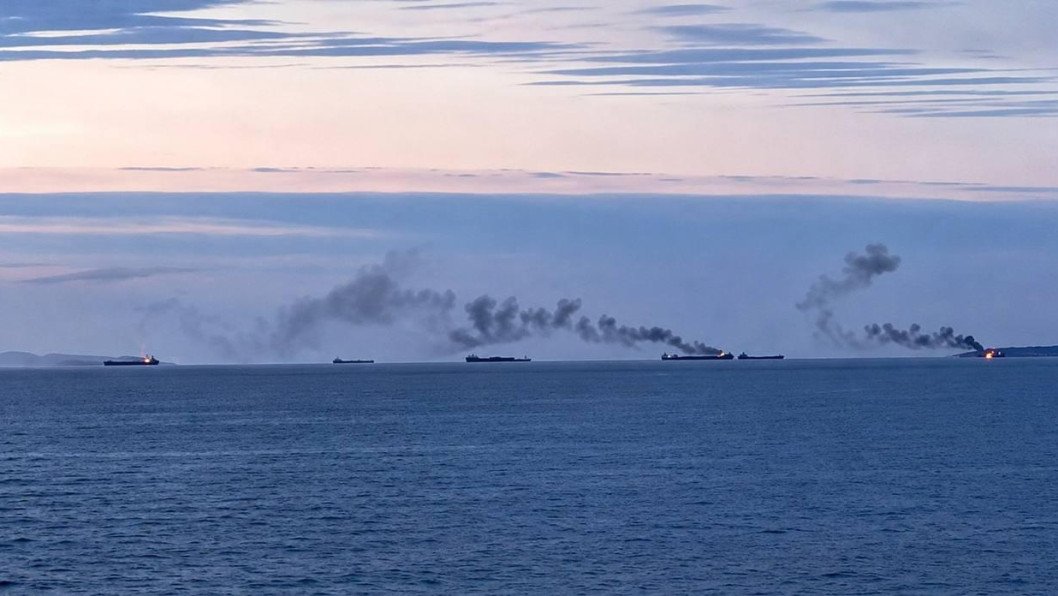
Because Moscow heavily relies on Crimea as a logistics corridor, an uninterrupted electricity supply remains critical for operating communications nodes, regional command posts, radar installations, electronic warfare systems, and air defense networks.
Furthermore, naval repair yards, military airfields, and the Black Sea Fleet are entirely dependent on this centralized electrical grid. According to the SSO, disabling power generation on the peninsula directly undermines both the defensive and offensive capabilities of Russian forces, while lowering the operational tempo of their rear logistics.
The degradation of the temporarily occupied peninsula’s electricity grid follows a series of successful deep-strike operations, including a major drone attack that disrupted the Kuban–Crimea energy bridge, effectively cutting off the primary mainland pathway for electricity imported directly from Russia.
Discuss this article:




-80134f2dc17b4a887d01513a1c7bc929.png "Illustration of Russian military infrastructure targeted by Ukrainian strikes in temporarily occupied eastern Ukraine. (Source: General Staff of the Armed Forces of Ukraine)")