- Category
- World
US Oil Sanctions Against Russia Go Back Into Effect After Temporary Exemption Expires
 Prefer U24 Media on Google
- Authors

-72b63a4e0c8c475ad81fe3eed3f63729.jpeg "Photo of Cyril Barabaltchouk")
The United States has put its oil sanctions against Russia back into full effect after temporary exemptions introduced to handle a shipping crisis in the Middle East expired, RBC.ua reported on June 26.
Vladyslav Vlasiuk, the Ukrainian president’s commissioner for sanctions policy, confirmed that the US oil sanctions against major Russian companies Rosneft and Lukoil are back in force.
We bring you stories from the ground. Your support keeps our team in the field.
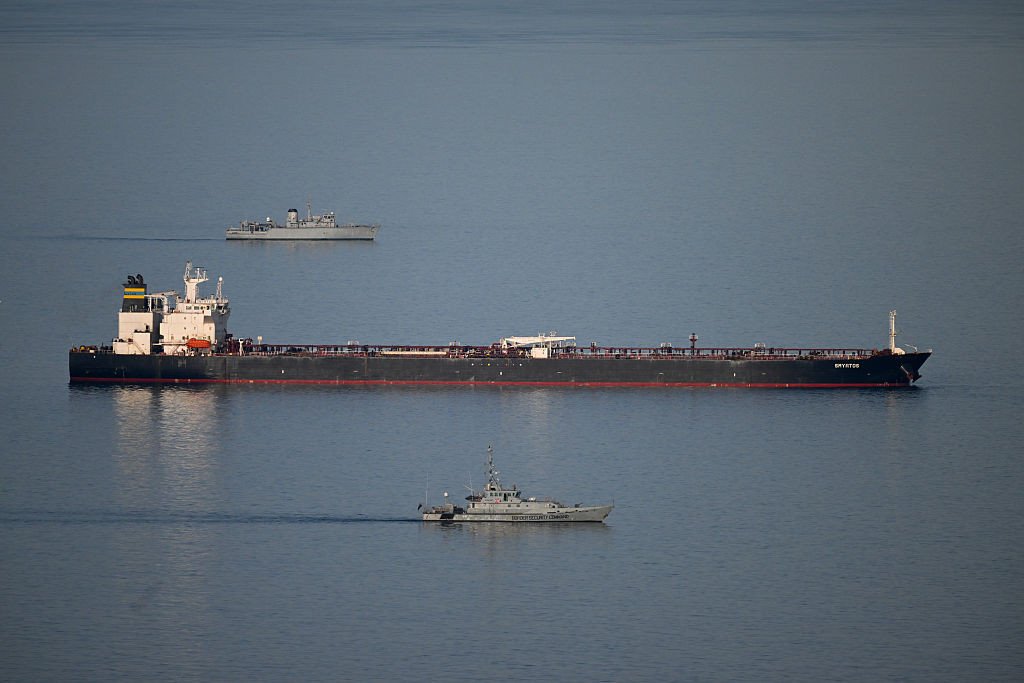
Washington had paused the sanctions on March 12 to stabilize global oil prices after a war in Iran led to a blockade of the strategic Strait of Hormuz, which had accounted for roughly 20% of global oil traffic. Middle Eastern countries were temporarily unable to export oil through the blocked strait, which caused global prices to spike.
Although the US waiver was always meant to be temporary, it was extended several times. The exemptions were officially scheduled to end on June 17, but the White House initially stayed quiet about the move while US President Donald Trump stated he was considering the issue, RBC.ua wrote.
On June 25, US Secretary of State Marco Rubio explained that Trump would make the final call on extending the waivers based on global energy price trends. Data showed that during the waiver period between March and June, Russia managed to earn more than $2 billion in extra oil revenue.
Against this backdrop of fluctuating Western pressure and sustained Russian energy revenues, Ukraine’s long-range drone campaign has increasingly targeted Russia’s oil infrastructure, disrupting refineries, fuel depots, and export routes that help finance Moscow’s war. In May alone, there were at least 30 strikes on Russian oil assets, pushing refinery processing to a 16-year low and forcing Moscow to consider fuel restrictions and imports.
The return of these oil restrictions aligns with a recent change in Washington’s approach to Russian energy. Trump had previously indicated that he is ready to expand economic sanctions against Moscow after reportedly being highly impressed by Ukraine’s long-range strikes against targets inside Russia.
The US administration had reportedly appeared more willing to use economic tools to force Russia to stop its full-scale invasion of Ukraine.
Discuss this article:
-9a7b3a98ed5c506e0b77a6663f5727c5.png)



-7412c634555bc1f248d0867183951c7f.jpg "Ukrainian Air Force F-16 fighter jet.")