- Category
- World
Why Are Sweden and Ukraine Closer Than Ever? Two Ambassadors on What’s Next
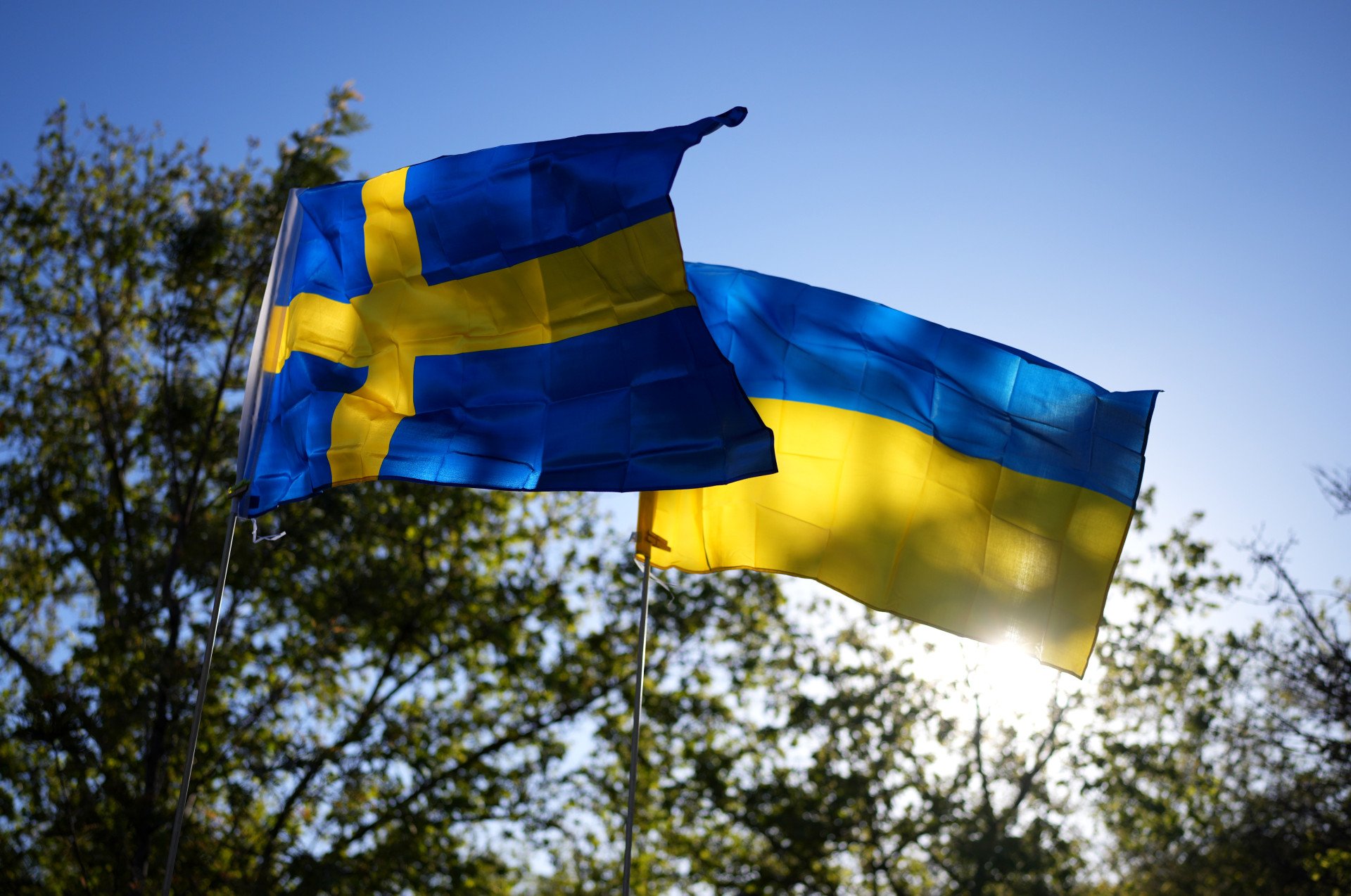
When Russian forces occupied a Ukrainian village, locals hid a Swedish flag to keep it safe. Years later, that small act reflects a much larger story, as Sweden’s and Ukraine’s top envoys show how diplomacy now extends far beyond embassies—into military support, recovery efforts, and the defense of shared values.
 Prefer U24 Media on Google
- Authors


In 1815, Europe's heads of state and their top envoys gathered at the Congress of Vienna to rebuild the continent after the Napoleonic Wars. With so many powerful representatives packed into one room, to avoid squabbling over rank and precedence—and who got to sit where at the dinner table—they settled on a universal title for the highest-ranking diplomats: "Ambassador Extraordinary and Plenipotentiary."
Extraordinary marked the envoy as a direct personal representative of their leader, while Plenipotentiary granted them the full power to sign binding treaties on their country's behalf. Today, nearly every senior diplomat still carries this title. Now, two ambassadors in particular must fulfill that duty amidst wartime on the European continent once again, as they work to rebuild Ukraine during Russia's war of aggression.
For Martin Åberg, Sweden's ambassador in Kyiv, and Svitlana Zalishchuk, Ukraine's ambassador in Stockholm, the traditional role of exercising soft power is gone. Though cultural exhibitions and official receptions still appear on their schedules, their main mission turns to urgent priorities such as fighter jet agreements, soldier and medic rehabilitation, and defending a free and sovereign Ukraine.
“Our common history is a very, very long one”
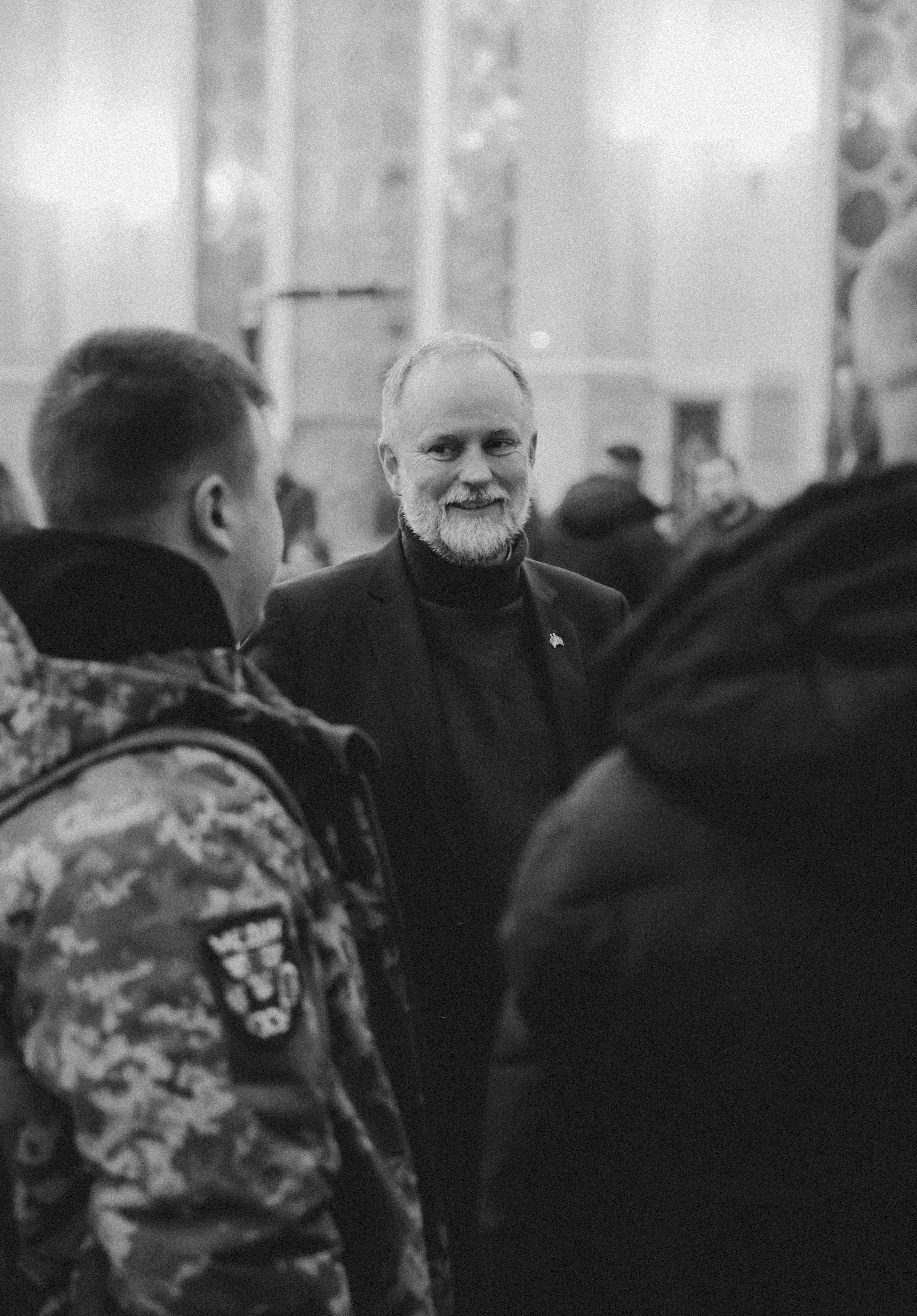
Amidst the bustle of the Kyiv Railway Station, Åberg, who took up the role of Ambassador in August 2023, stands greeting a group of front-line Ukrainian medics and doctors boarding a train to Poland. They are bound for Sweden—a two-day journey that leads to crucial psychological rehabilitation through the volunteer-driven Repower initiative.
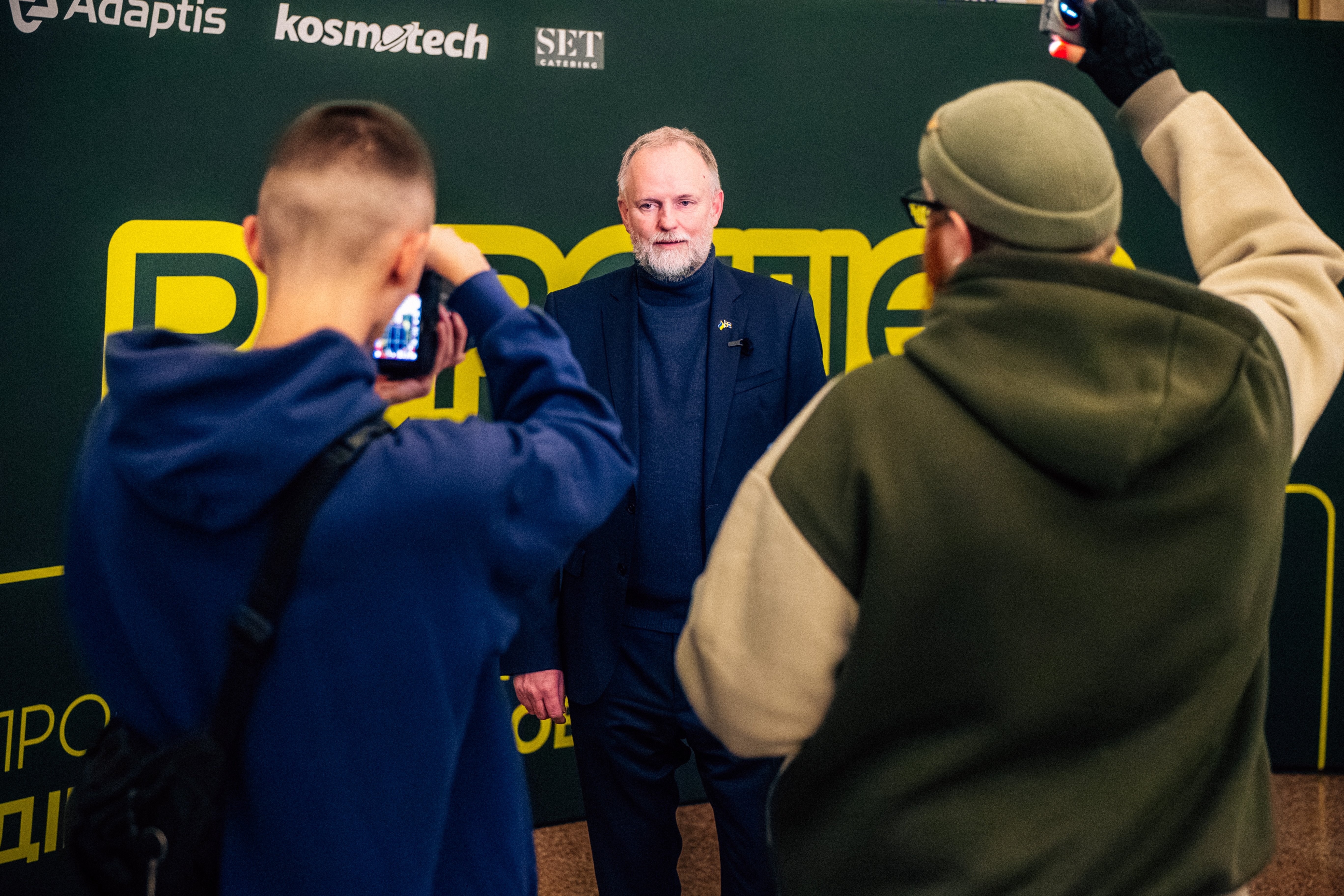
It is against this backdrop that we spoke with him to discuss the scale of Swedish military and civil support, and the centuries-old ties that bind these two nations together.
What kind of support has Sweden provided Ukraine over these years, since Russia started its full-scale invasion?
Sweden has supplied both military and civil support. Military, up until now, since the full-scale invasion, we have supplied around $10 billion. There is another $4 billion for this year in the budget, and it is foreseen that there will be another $4 billion in 2027. Civil support until now is around $2 billion, $1 billion more this year, and about $1 billion next year as foreseen. Of course, humanitarian aid is also part of the civil support.
What areas does Sweden cover to support Ukraine regarding humanitarian aid?
We work through a number of UN organizations—the World Food Programme, UNICEF, UNHCR, and so on—but also through international NGOs like the Red Cross or Save the Children. But it is not all humanitarian. We also do reconstruction and recovery. We have a large budget support program also for Ukraine.
We have something to learn from Ukraine on both what is needed and how to do it.
Martin Åberg
Ambassador Extraordinary and Plenipotentiary of Sweden to Ukraine
When we talk about Repower, what are its distinctive features?
It is volunteer-driven. By both Ukrainian and Swedish volunteers. It was dreamed up, imagined, and also organized by volunteers. This is important. At least on the Swedish side, it shows how the support for Ukraine is not just from the Swedish state. It is much, much broader. Everyone who has been to Sweden understands that.
What is the importance of psychological recovery for Ukrainian military personnel, especially when we are talking about combat medics and combat doctors?
Psychological support is important for everyone, but especially medics and doctors. They see the worst effects of war every day. It is especially important to them to maybe get away, re-energize, spend some time in Sweden, and talk to each other. It is just as important as anything else, away from the front.
I’ve met a number of groups, and I can see the change in energy.
Martin Åberg
Ambassador Extraordinary and Plenipotentiary of Sweden to Ukraine
When did the Swedish-Ukrainian relationship begin?
When I came here, it was a very powerful moment for me to hand over my letters or credentials to the president. I handed them over next to the grave of a Swedish princess who must have come from somewhere, roughly where I'm from, because the Vikings that came through Ukraine were usually Swedish Vikings. It was very powerful. Our common history is a very, very long one.
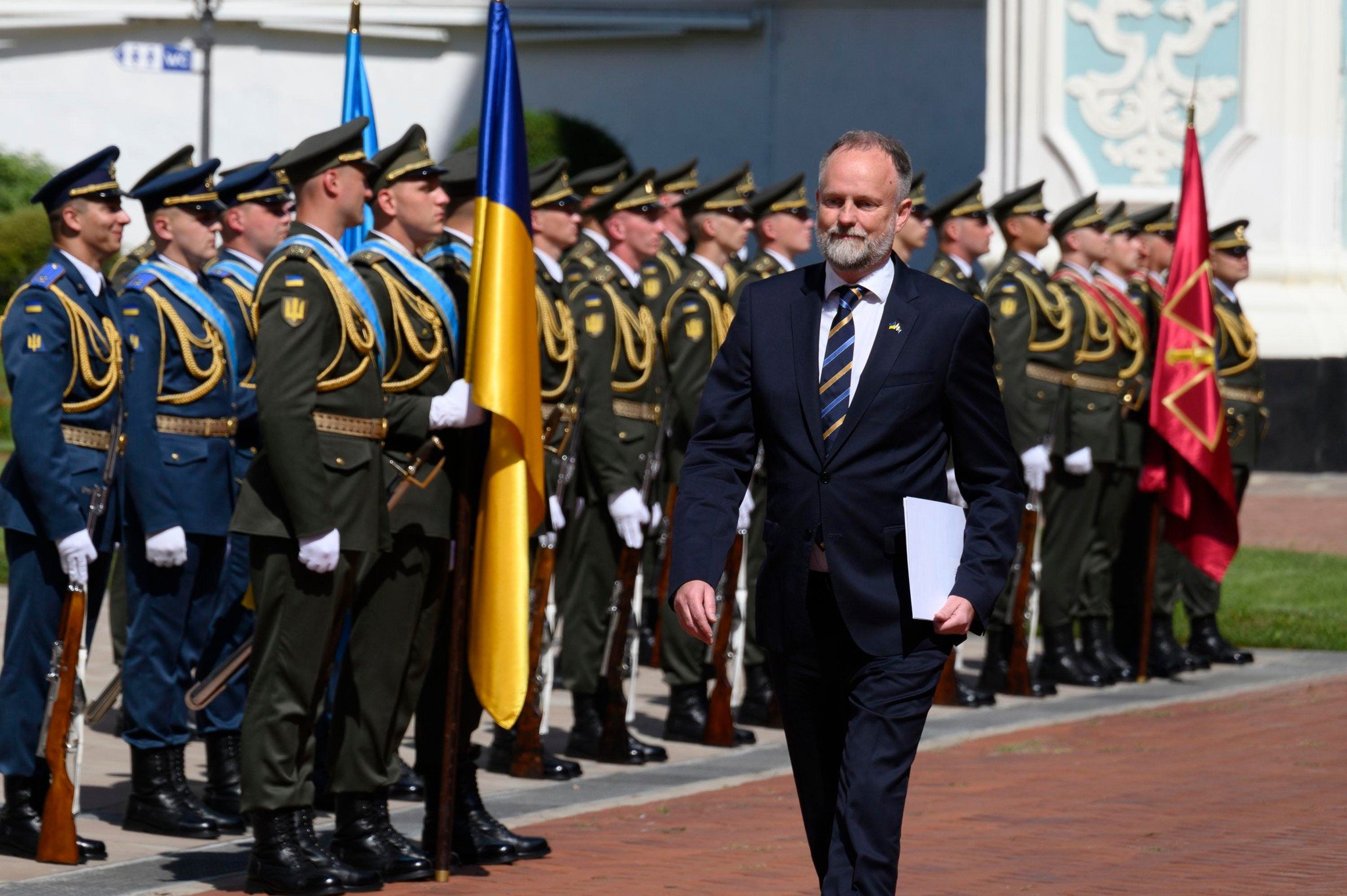
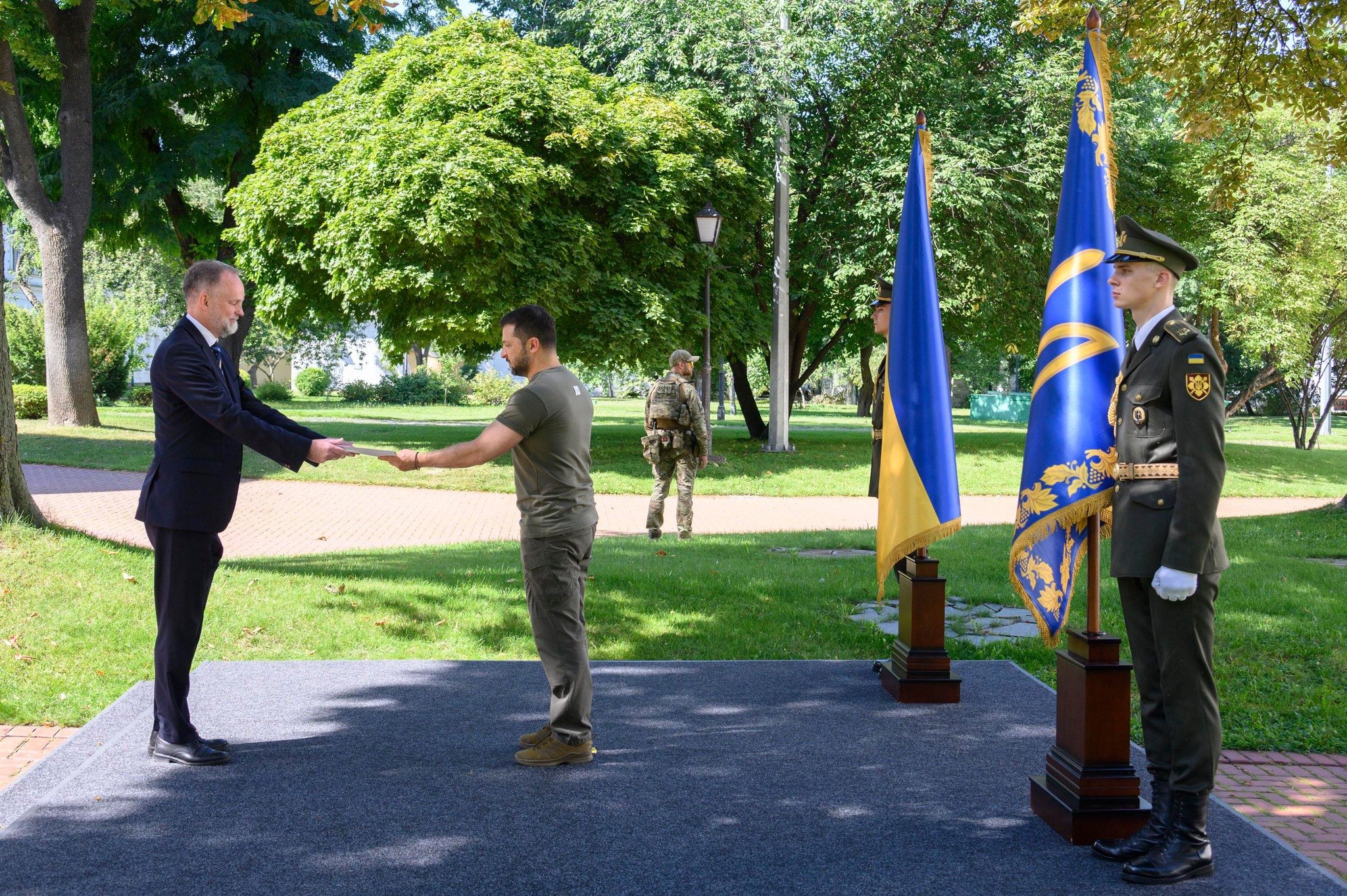
After thanking Åberg and bidding him farewell, UNITED24 Media hops aboard the train alongside the combat medics and heads for that same flight to Sweden. Upon arriving in Stockholm, we met with Åberg’s counterpart on the other side of this diplomatic bridge: Svitlana Zalishchuk.
“You feel this support in the Swedish society on an overwhelming level”
Taking up her post as Ukraine’s Ambassador to the Kingdom of Sweden in September 2025, Zalishchuk officially assumed her role after presenting her credentials to King Carl XVI Gustaf. Arriving at the palace in a 200-year-old horse-drawn carriage, she met with the King—who previously visited Ukraine in 2008—as he expressed his deep support for the nation, while the ceremonial staff concluded the event by answering the delegation with "Slava Ukraini!"
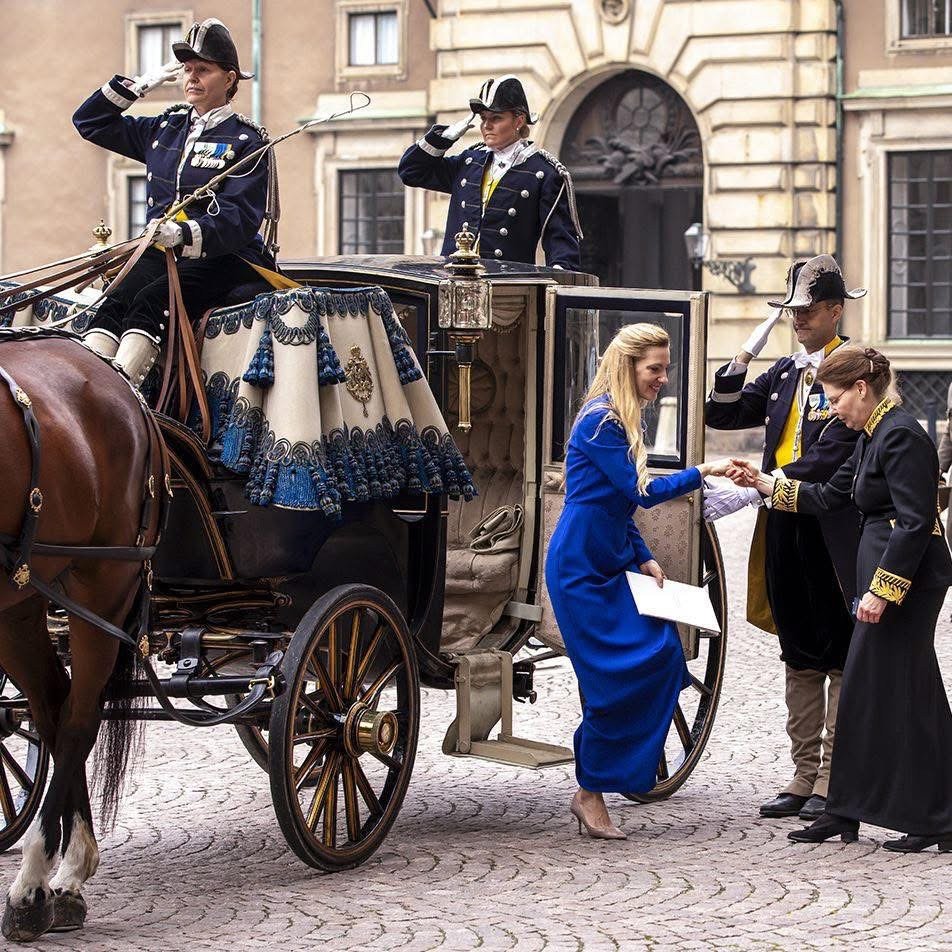
Currently, her main objective in Stockholm is to secure victory as soon as possible by supporting the country's armed forces, society, and government.
Could you please tell us about the main areas of your work in Sweden at present?
We want to bring victory as soon as possible. We want to help our armed forces. We want to help our society. We want to help our government to make sure that Ukraine is free, sovereign, and can make its own choices, which alliances to join, which decisions to make.
In what ways does Sweden support Ukraine? What changes have taken place since the beginning of Russia’s full-scale invasion up to now?
Sweden demonstrated incredible leadership during this war. Sweden promised to support us with $4 billion, which is among the leaders of the long-term military support of Ukraine. Moreover, Sweden committed to support Ukraine not only in 2026, but also in 2027, despite the fact that Sweden will hold elections in 2026, and the government can potentially change. There is consensus amongst political elites and in society that Ukraine is the priority.
They understand that today, the most important thing is the army having the weapons and resources to fight.
Svitlana Zalishchuk
Ambassador Extraordinary and Plenipotentiary of Ukraine to the Kingdom of Sweden
What are your thoughts on initiatives like Repower, which organizes psychological rehabilitation for frontline Ukrainian medics right here in Stockholm?
When we see this kind of initiative, what Repower does—it’s incredibly inspiring, because the Ukrainian team, with one Swede among them, gets together and organizes this rehabilitation for Ukrainian soldiers and Ukrainian medics. It's always a big honor for me to speak in front of them and to meet them.
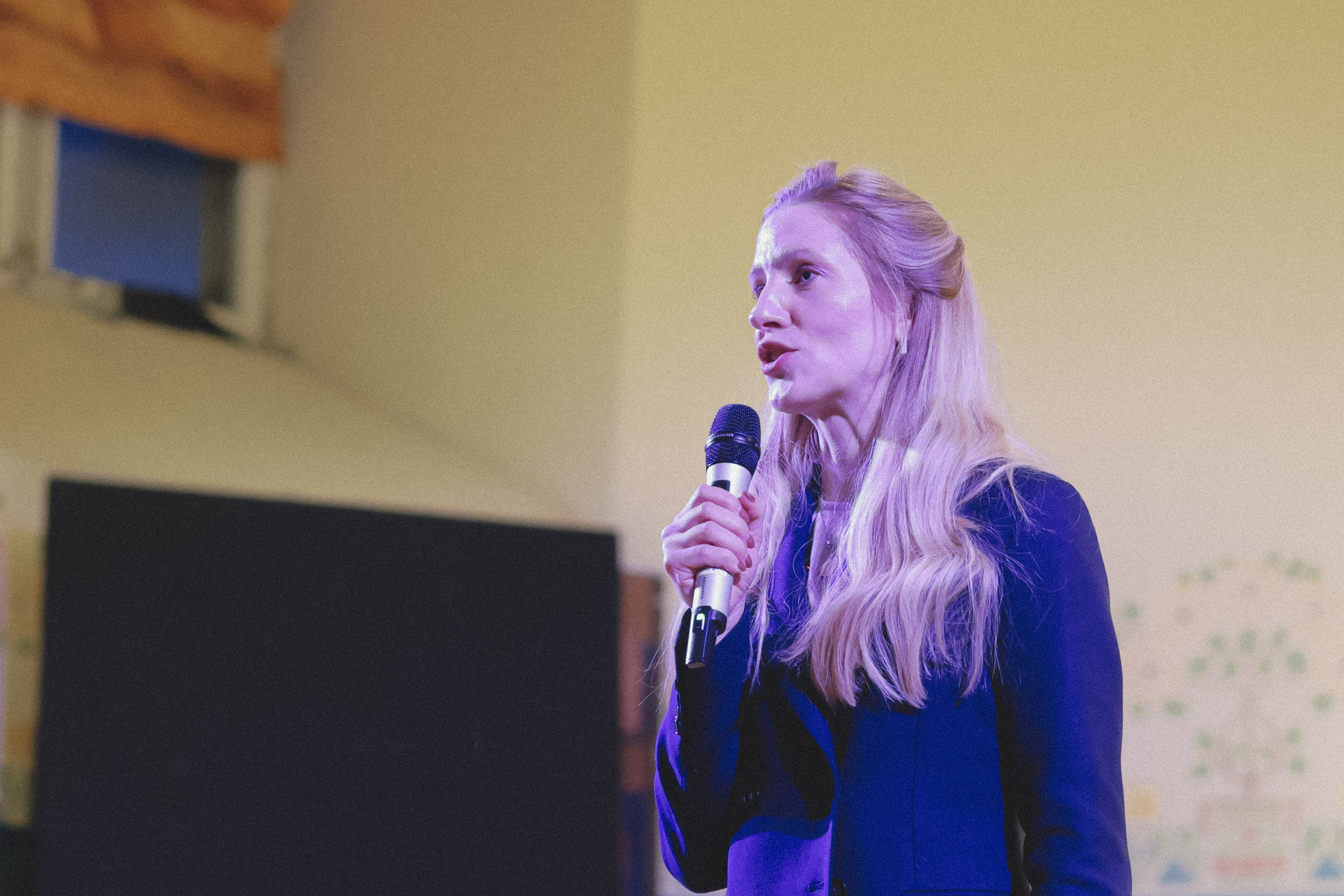
Everyone has their own story. And here they are, in front of you. The Armed Forces. You feel only immense gratitude. I always say thank you, always. Because, yeah, we owe them for the rest of our lives.
Speaking of support, in what other ways does Sweden demonstrate its solidarity with Ukraine?
It's not only the government that supports Ukraine, but you feel this support in society on an overwhelming level.
It's a unique country, because only in Stockholm do you have three demonstrations a week.
Svitlana Zalishchuk
Ambassador Extraordinary and Plenipotentiary of Ukraine to the Kingdom of Sweden
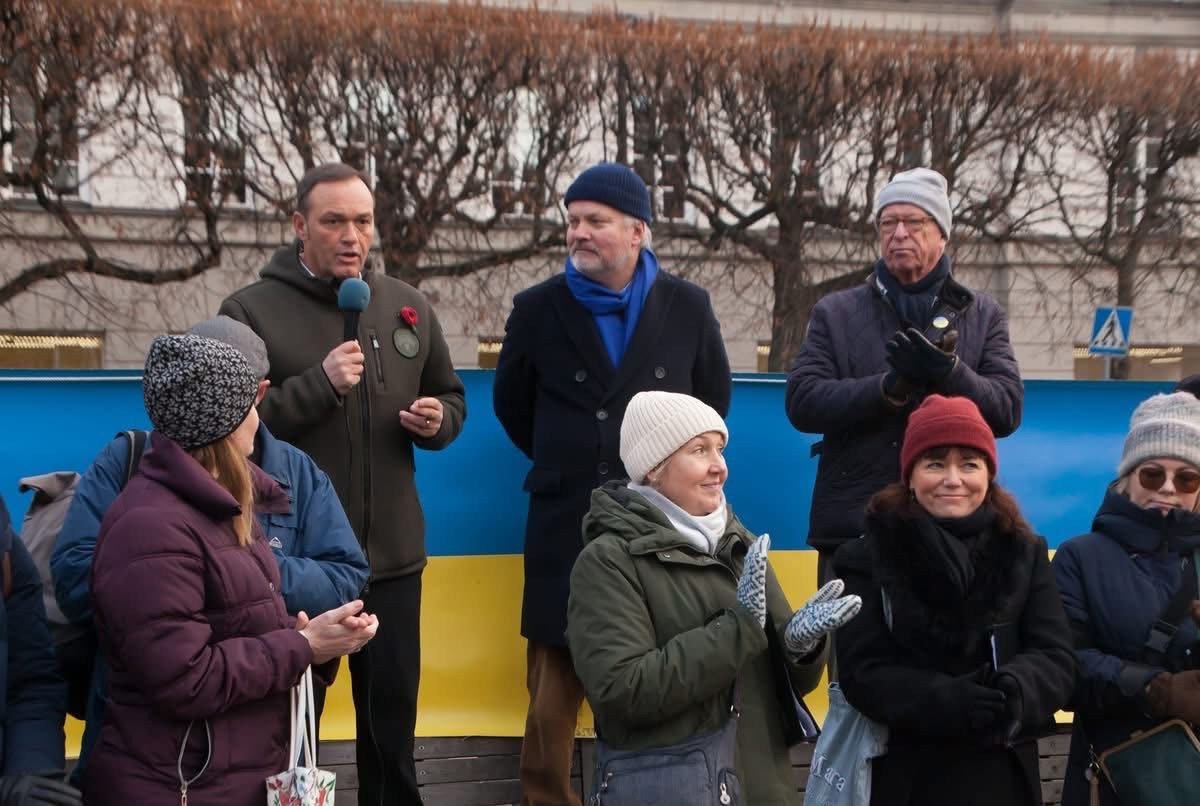
On Sunday, Monday, and Wednesday, lots of Swedes gather together in order to support Ukraine's fight against Russia. I couldn't believe that people gathered despite the bad weather. If it's raining or snowing, people will be there three days a week.
Where exactly are they held, and what name has this square been given?
So it used to be something else, but today it's the square “Free Ukraine.” It was renamed after 2022, after the full-scale invasion. The bus stop has a blue and yellow flag just to make sure that the Russian embassy can see this flag through their windows.
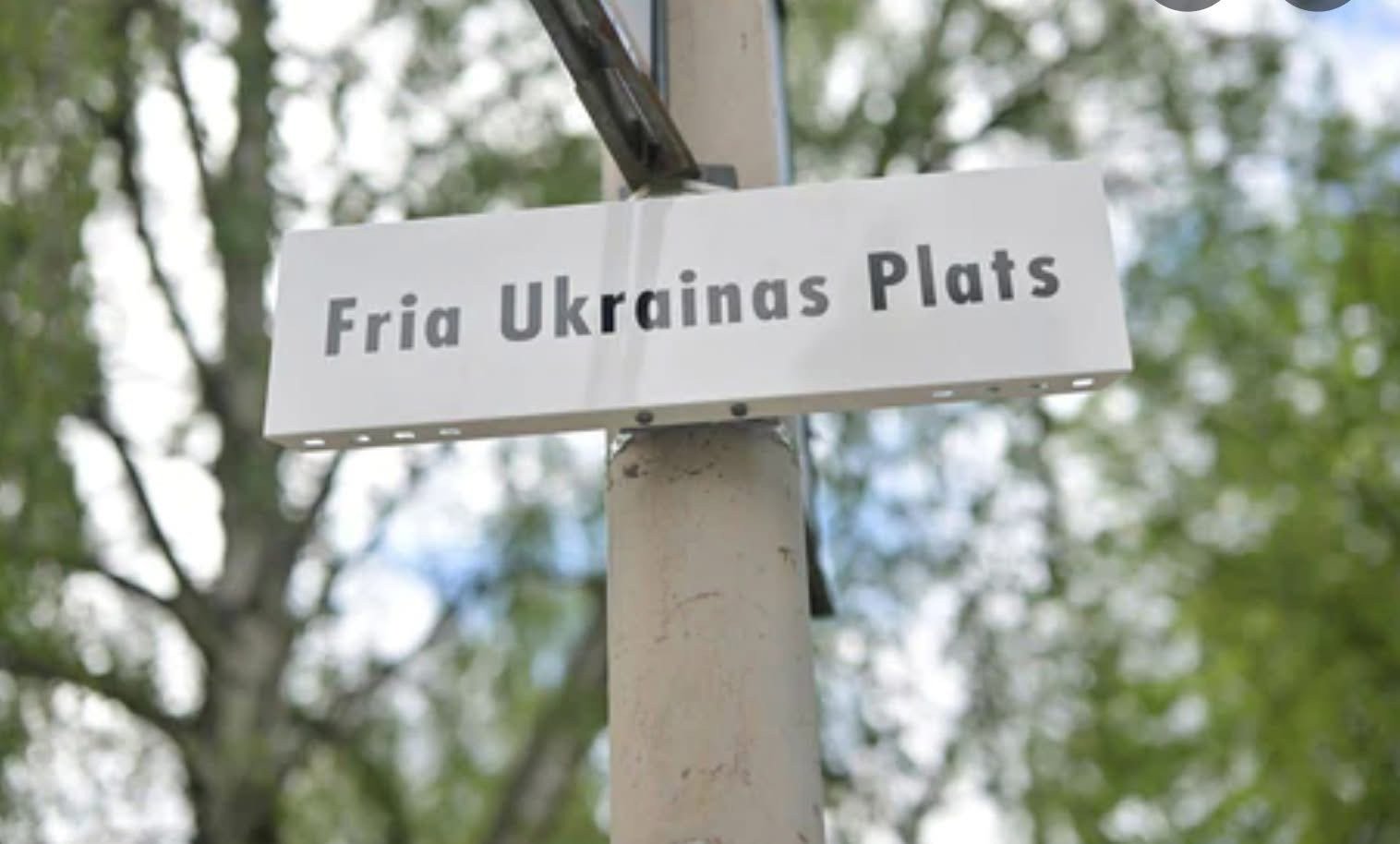
Some things will change, of course, in the years to come, but this particular thing will never change. The Russian embassy will always look at the Ukrainian flag here in Stockholm, and the square next to the Russian embassy will be called Free Ukraine.
Could you please tell us about relations between Ukraine and Sweden—how have they developed, and when did they begin?
Ukraine and Sweden share a very long history. Even during Kyivska Rus' we had a Swedish princess married to a Ukrainian king. But also, there was some recent history that is very interesting. At the end of the 18th century, during the Russian Empire, Catherine II moved people who lived in the current Estonia to the south of Ukraine.
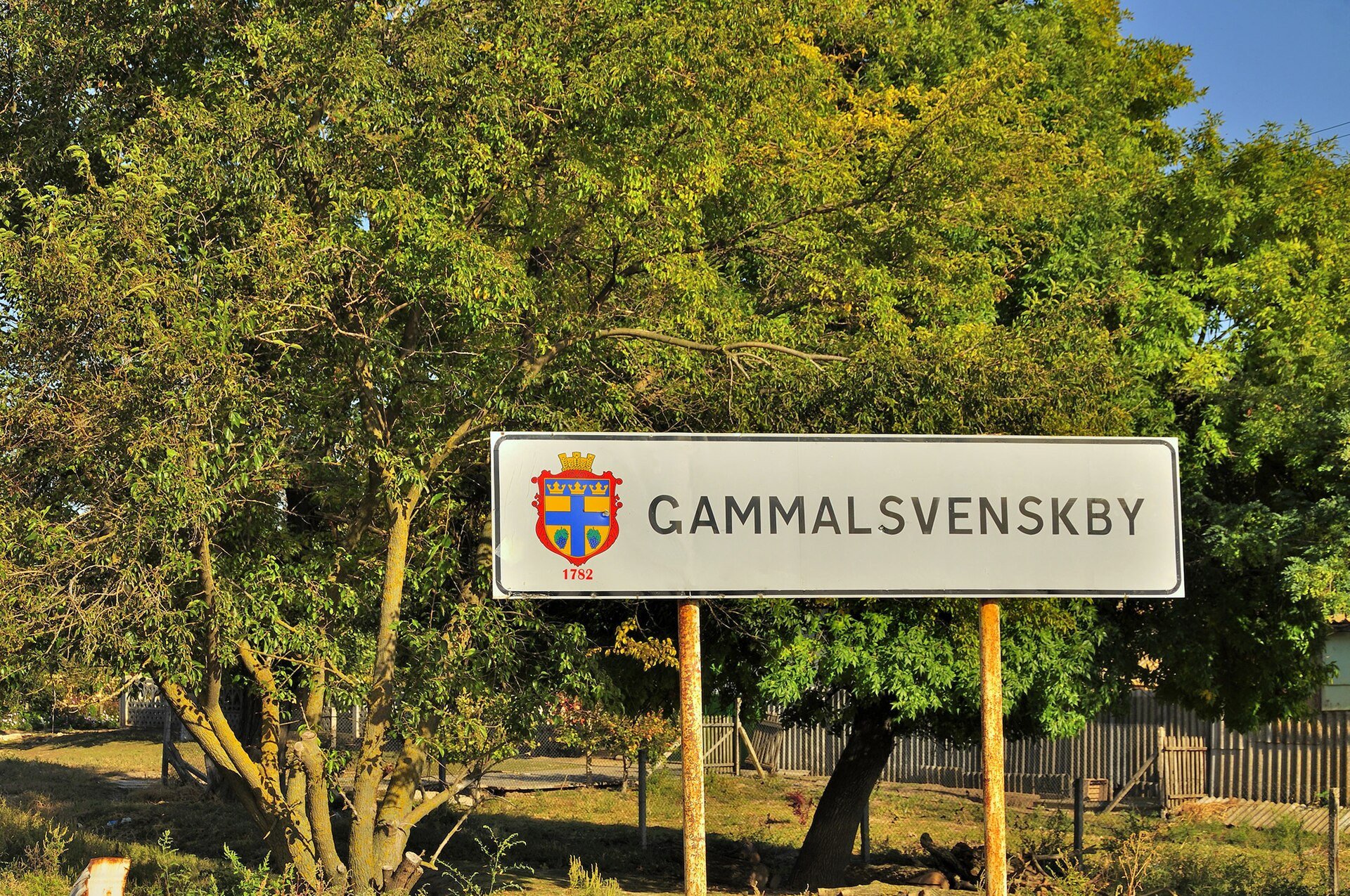
In a way, they became IDPs—like what Russia does today to Ukrainians, and Crimean Tatars as well. They were Swedes; they stayed in Ukraine; they kept their culture, their songs; they built their church and their school, and somehow managed to support their tradition and culture there. In 2008, when the Swedish King came to Ukraine, he visited the village (of Zmiivka—ed.).
The ambassador could call themselves an ambassador only after giving the credentials to the king. So on the eve of this meeting, I knew that the king was very interested in the village. I called Oleksandr Alchiev (the Head of the Beryslav City Military Administration in the Kherson Region—ed.) and asked him, “How are you guys? Maybe you can get together and send a message to the king?”
He answered, “I have a better idea for you.” In fact, he told us a story that when the king arrived in 2008, he gave them a national Swedish flag, and they put it on the village council's wall. When Russians invaded in 2022 and occupied Zmiivka village, the mayor took down the flag and somehow managed to hide it in his own house.
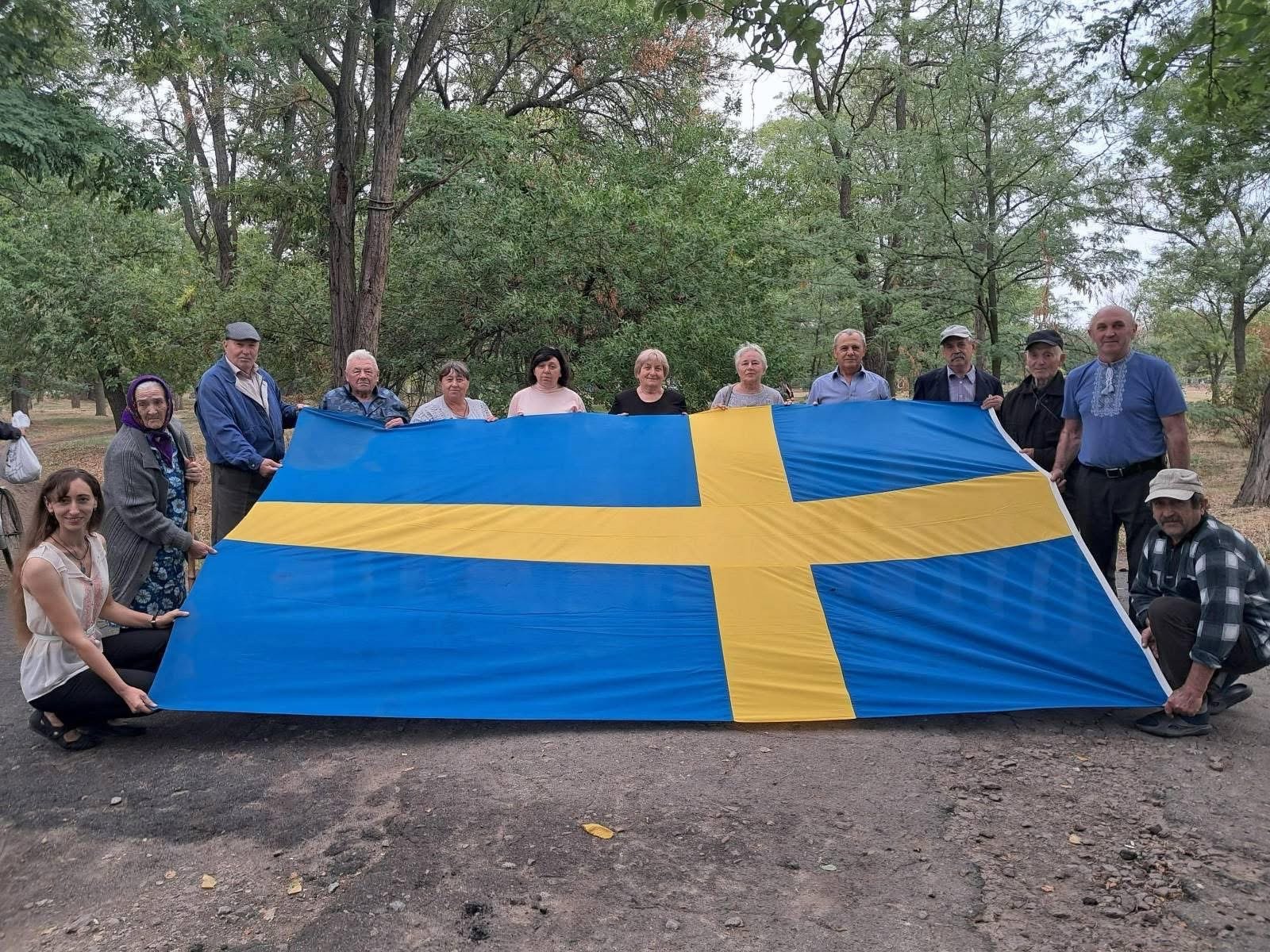
Eight months later, after the liberation by Ukrainian armed forces, he came back, and he saw that half of his house was destroyed. It was bombed, but he found the flag intact.
We're going to get together, we're going to take this flag, and we're going to demonstrate to the king that maybe Russians can hit our houses, but they are incapable of destroying our shared values.
Oleksandr Alchiev
Head of the Beryslav City Military Administration in the Kherson Region
I told this story to the king, and I gave him this photo, and the royal palace published it on their site. It was very moving for the Swedish royal family, for me as an ambassador, for Ukrainians here in Sweden, and for Ukraine in particular.
Discuss this article:
-9a7b3a98ed5c506e0b77a6663f5727c5.png)

-c439b7bd9030ecf9d5a4287dc361ba31.jpg "Photo of Katherina Popilnichenko")
-72b63a4e0c8c475ad81fe3eed3f63729.jpeg "Photo of Cyril Barabaltchouk")

-111f0e5095e02c02446ffed57bfb0ab1.jpeg "Photo of Roman Kohanets")