- Category
- Latest news
Sweden Faces Heightened Risks as Russian Threat Intensifies, Security Service Says
 Prefer U24 Media on Google
- Authors


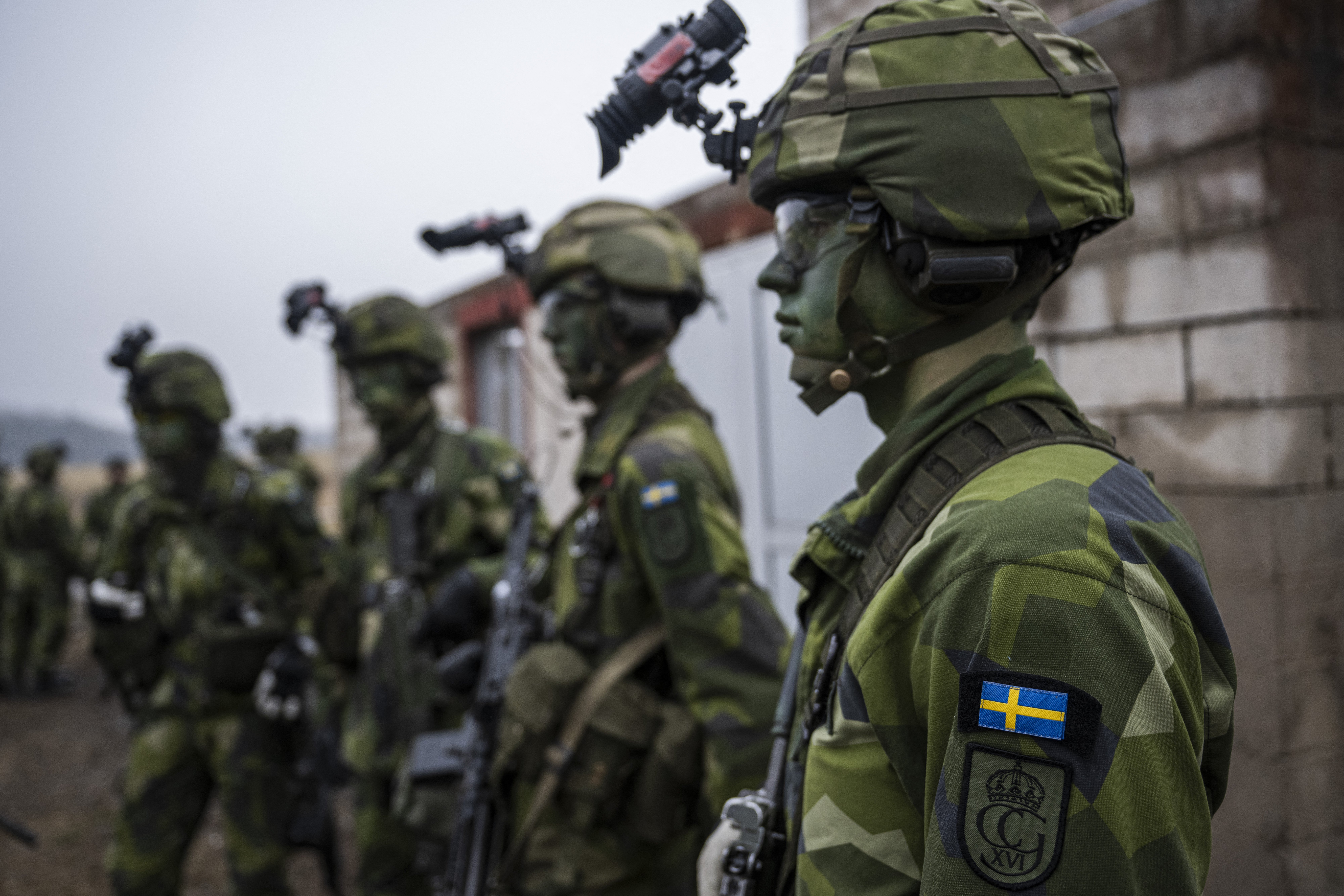
Sweden’s Security Service (Säpo) has warned that threats from Russia may increase, saying the country faces a more dangerous security environment than in previous years.
According to SVT on March 18, in its annual security assessment Säpo said Russia remains the primary threat and is increasingly relying on covert influence operations and intelligence gathering to strengthen its capabilities.
We bring you stories from the ground. Your support keeps our team in the field.
“This development is characterized by more offensive actions by Russia combined with hidden influence activities,” Security Police chief Charlotte von Essen said at a press conference, as reported by SVT.
According to the report, Sweden’s overall security situation has further deteriorated, partly due to developments in the Middle East. Säpo noted that threats linked to Iran are not primarily directed at Sweden as a state, but at targets located within the country.
The agency said it investigated hundreds of suspicious incidents over the past year.
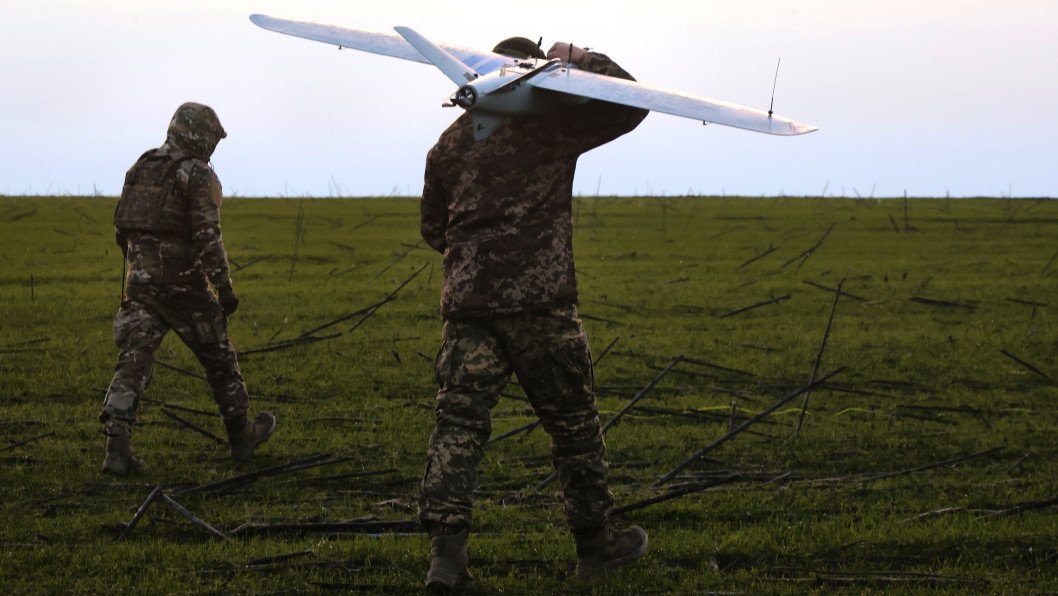
Fredrik Hallström, head of operations at Säpo, stated that authorities had not confirmed any cases of physical sabotage connected to a foreign power, but warned that Russian intelligence activity remains extensive.
“We know that Russia has tasked agents with mapping and documenting protected sites in Sweden,” Hallström said. “We have not seen concrete acts of physical sabotage against critical infrastructure, but we have seen attempts at destructive cyberattacks.”
The warning from Sweden comes as Nordic countries and their partners are increasing security cooperation in response to the same growing threats.
Canada and the five Nordic countries agreed to expand cooperation on Arctic security, defense production, resilient infrastructure, and support for Ukraine following a meeting in Oslo, according to a joint statement by the prime ministers of Canada, Norway, Sweden, Denmark, Finland, and Iceland. The leaders described the move as a response to rising geopolitical tensions and increasing security risks in the High North.
The countries committed to holding more regular consultations and deepening coordination in areas including defense, economic security, critical minerals, artificial intelligence, satellite and space technologies, and supply chains.
These efforts are also reflected in ongoing NATO activity in the region, including large-scale military exercises. Cold Response 26 began on March 9 across northern Finland, Norway, and Sweden.
The drills, led by Norway, are expected to last around two weeks and involve approximately 25,000 troops from 14 NATO countries.
Discuss this article: