- Category
- War in Ukraine
Europe Set Conditions for Ending Russia’s War Against Ukraine: Ceasefire, Security Guarantees and Sovereignty
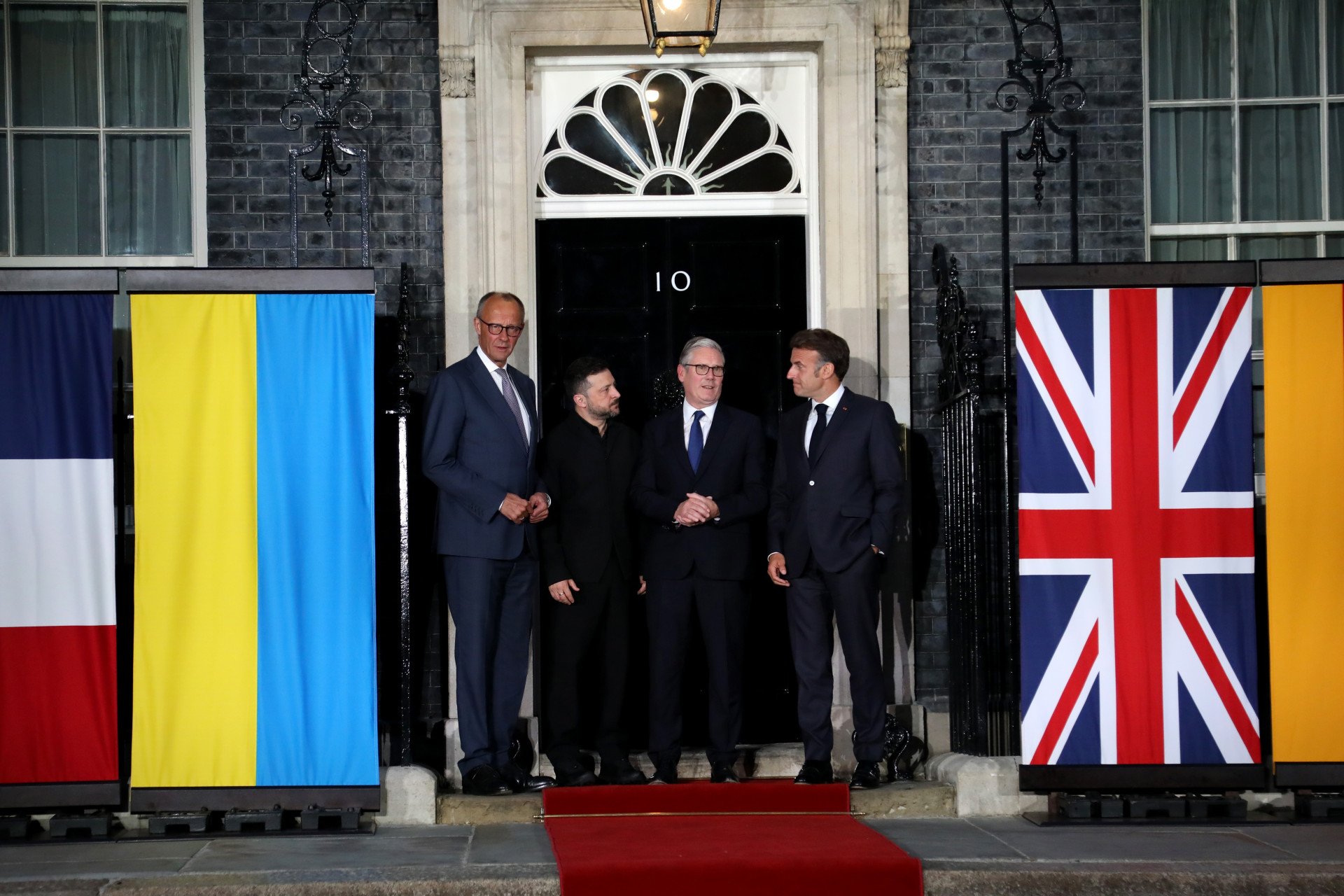
The leaders of the United Kingdom, Germany, France, and Ukraine outlined key conditions for a future peace settlement and discussed continued military, political, and security assistance during a meeting in London on June 7.
 Prefer U24 Media on Google
- Authors


The talks, held in the E3–Ukraine format, brought together Ukrainian President Volodymyr Zelenskyy, UK Prime Minister Keir Starmer, French President Emmanuel Macron, and German Chancellor Friedrich Merz.
We bring you stories from the ground. Your support keeps our team in the field.
In a joint statement issued after the talks, the four leaders emphasized that Europe must play a central role in any resolution of Russia’s war against Ukraine and stressed that all diplomatic efforts should be conducted in close coordination with Kyiv, European partners, and the United States.
Ceasefire and security guarantees
The leaders discussed several principles they said are necessary to achieve a just and lasting peace.
First, they called for an immediate and comprehensive ceasefire, urging Russian leader Vladimir Putin to agree to a halt in hostilities.
Second, they stated that the current line of contact should serve as the starting point for negotiations. The leaders emphasized that international borders must not be changed by force and that Ukraine’s sovereign right to choose its own security arrangements and alliances must be fully respected.
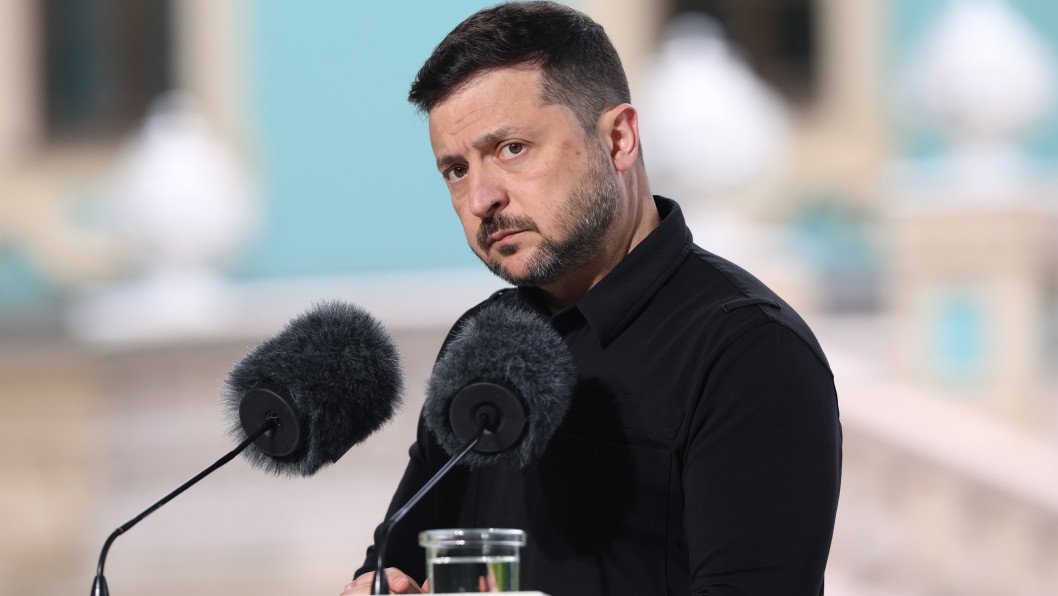
Third, they agreed that Ukraine must receive credible and legally binding security guarantees once a ceasefire takes effect. The statement noted that these guarantees would build on commitments made in Berlin in December 2025 and Paris in January 2026 and would include the deployment of a Multinational Force–Ukraine.
The leaders also confirmed that Russian assets would remain frozen until Moscow ends its war against Ukraine and compensates Kyiv for war-related damages.
Europe’s role in future negotiations
The four leaders stressed that European security interests must be protected in any future agreement, noting that any negotiations involving the European Union or NATO would require the consent of EU member states and NATO allies.
The four leaders welcomed Ukrainian President Volodymyr Zelenskyy’s call for ending the war through diplomacy, referencing his June 4, 2026 letter to Russia’s leadership. They expressed support for direct dialogue between Ukraine and Russia, with active participation from both the United States and Europe, aimed at securing a ceasefire and facilitating further negotiations.
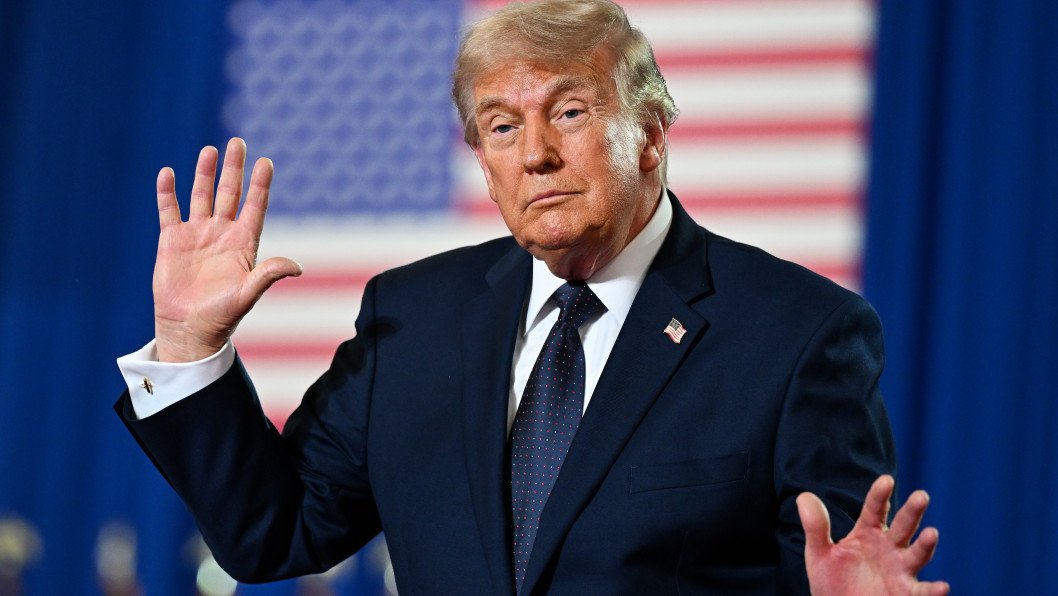
Military support and defense cooperation
The discussions also focused on coordinating support through upcoming international gatherings, including the G7 summit in Evian, the next meeting of the Coalition of the Willing, and the NATO summit in Ankara.
According to the statement, participants discussed increasing pressure on Russia’s war economy and strengthening military and defense commitments to Ukraine.
The leaders highlighted what they described as an “urgent need to scale up the production of interceptors and co-develop anti-ballistic missile and deep strike capabilities, and to support the future sustainability of the Ukrainian Armed Forces.”
They also examined how NATO could benefit from Ukraine’s battlefield experience and how long-term industrial cooperation with Ukraine could contribute to strengthening Europe’s own defense capabilities.
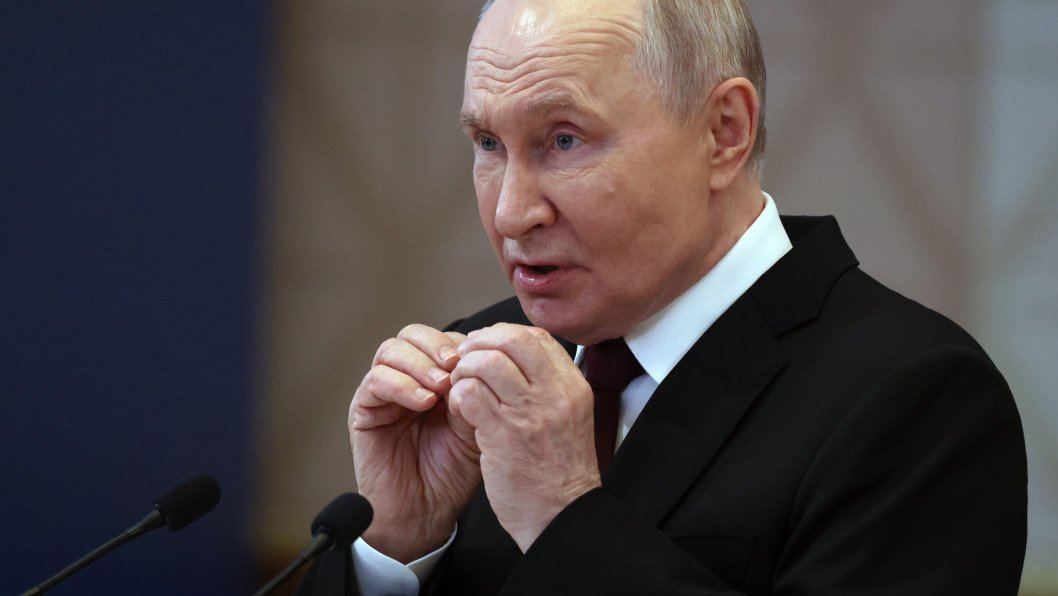
Condemnation of Russian attacks
The leaders further praised Ukraine’s recent battlefield achievements, including the recapture of territory and the innovative use of drone technology. They condemned Russia’s large-scale missile and drone attacks against Ukrainian cities, including the repeated use of Oreshnik missiles, which they said had caused civilian casualties.
The statement also condemned what it described as “irresponsible and dangerous” Russian drone incursions into NATO territory and reiterated the leaders’ commitment to continue standing firmly alongside Ukraine.
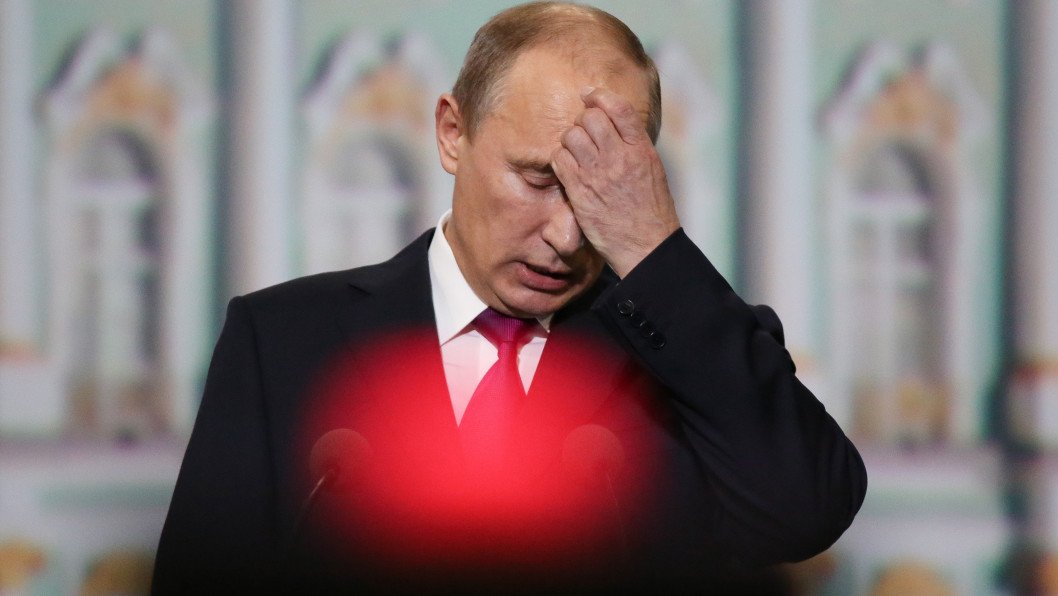
On June 4, Volodymyr Zelenskyy published an open letter addressed to Russian leader Vladimir Putin, calling for renewed diplomatic efforts to end Russia’s full-scale invasion. In the letter, he proposed a direct meeting between the two leaders, an immediate ceasefire, and a prisoner exchange as initial steps toward a negotiated settlement and a broader peace process.
However, Putin later said he saw “no point” in holding direct talks with Zelenskyy at this stage, arguing that Russia’s war against Ukraine must first be brought to an end before a summit could take place. He also criticized the tone of the letter, claiming it contained what he described as “elements of rudeness.”
Discuss this article:
-9a7b3a98ed5c506e0b77a6663f5727c5.png)