- Category
- War in Ukraine
Cornered by Stalemate, Putin Prepares to Escalate the War in Ukraine
 Prefer U24 Media on Google
- Authors

-72b63a4e0c8c475ad81fe3eed3f63729.jpeg "Photo of Cyril Barabaltchouk")
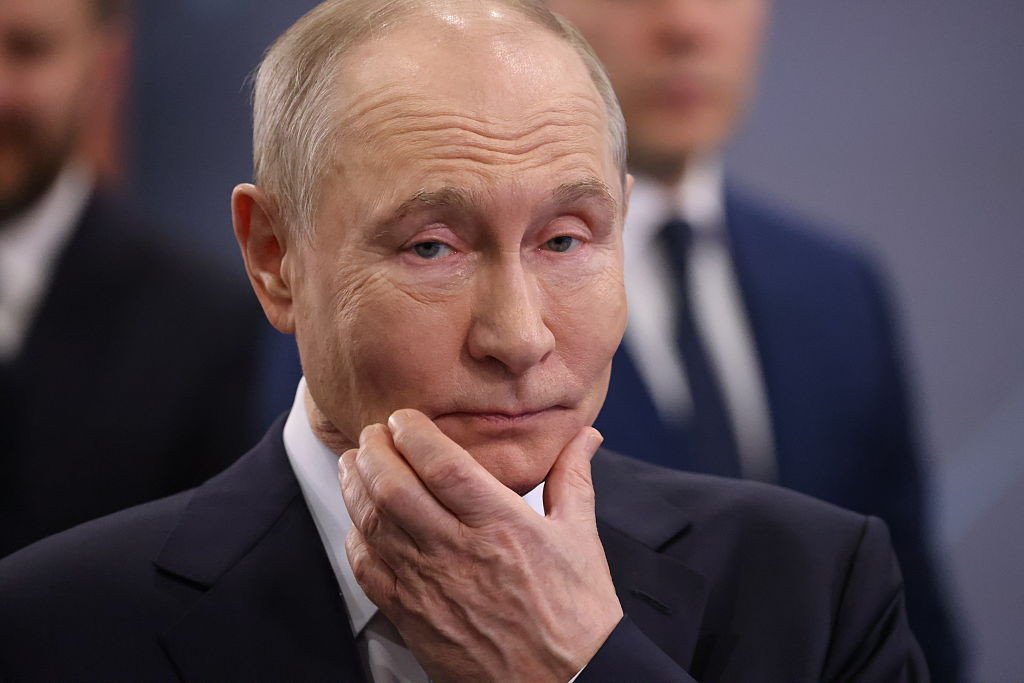
Russian leader Vladimir Putin’s refusal to back down in Ukraine is rooted in the survival instincts of Russia’s “gangster politics,” The Economist reported on August 30.
The report noted that the cornered leader is now planning to escalate the war against Ukraine.
We bring you stories from the ground. Your support keeps our team in the field.
His predatory worldview was recently on display during an August 29 meeting with university students in Moscow, where Putin bizarrely claimed that orcas eat polar bears to illustrate “the food chain” and justify the war.
While factually inaccurate, The Economist noted that the remark provided a window into the mindset of a leader facing a strategic dead-end. With the Russian army stalemated and suffering tens of thousands of casualties each month, and Ukrainian drone strikes inflicting visible damage on Russian infrastructure, Putin is seeking a new way to escalate his way out of the crisis.
Western intelligence agencies are increasingly anxious about his next moves. The Economist highlighted several recent indicators of this growing alarm: CIA Director John Ratcliffe unexpectedly flew to Moscow on August 25, Finland requested Swedish military assistance to monitor its border for incursions, Romania destroyed a Russian naval drone targeting a drilling platform, and authorities in Germany and Slovakia foiled suspected sabotage plots linked to Moscow.
Putin himself has ended his long silence regarding Ukraine’s successful drone campaign against Russian oil refineries and logistics hubs, including warehouses belonging to the e-commerce giant Wildberries. In an August 22 address, he accused Ukraine of opening a “Pandora’s box” and promised severe retaliation.
-98a798cd835614c7dfcf5e872eaf63a9.jpg)
Earlier that same day, he dismissed any notion of peace negotiations, vowing to his political party that the military operation would move “only forward.”
Sources close to the Kremlin told The Economist that after weeks of deliberation over the summer, Putin appears to have formally chosen the path of escalation. Waning public tolerance for the war is becoming an increasing concern; independent polling from the Levada Centre shows 57% of Russians now describe the situation as “tense,” citing the rising death toll, mobilization fears, and a lack of a future.
The mood among the Russian elite is even more pessimistic. Insiders cited by The Economist reveal a growing consensus that the nearly five-year war is a failure because of the sheer amount of time wasted, regardless of the outcome. However, the criminal logic guiding Putin’s regime dictates that he can never show weakness.
A failure to achieve even his minimum goal of capturing the entire Donbas region could put his life in physical danger. “They will hang me,” he reportedly confessed to cronies earlier in the war, The Economist wrote.
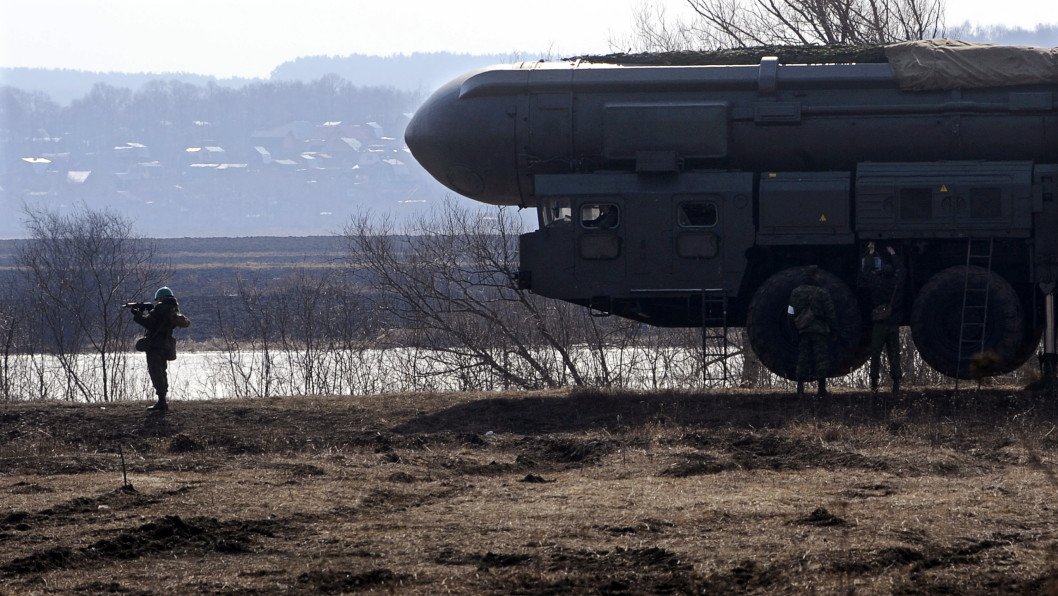
While the exact shape of the impending escalation remains unclear, The Economist suggests Russia will likely intensify hybrid warfare and sabotage operations targeting European supply routes to Ukraine. On the battlefield, Russian sources indicate Putin is prepared to throw an additional 300,000 to 400,000 men into the fight.
Rather than announcing a highly unpopular new mobilization wave, the Kremlin is expected to rely on localized coercion by regional governments to fill the ranks. Ultimately, these escalatory measures are designed to project strength and ensure regime survival, even as they guarantee further instability and suffering.
Russia’s manpower crisis is further underscored by Western intelligence estimates indicating Moscow is losing roughly 6,000 more troops each month than it can recruit. Despite enlisting about 1,000 personnel daily, the Kremlin remains unable to cover battlefield casualties, driving Russian forces to intensify long-range missile strikes against Ukraine’s civilians instead.
Discuss this article:



-e179e0599ae687118e91fd783379c19f.png "Footage showing a Ukrainian FP-1 drone strike on a Russian drone workshop and storage facility in the Donetsk region. (Source: 7th Air Assault Corps of the Armed Forces of Ukraine)")

-bff688a0f71d93b1cc877675781b9b93.png "Footage released by Ukraine’s Phoenix unmanned systems unit shows a Russian vehicle with an armed soldier in the rear being targeted on the Toretsk direction. (Source: Phoenix unmanned systems unit)")