- Category
- War in Ukraine
“If We Have to Strike, We Will”: Russian Lawmaker Urges Nuclear Attack on Ukraine
 Prefer U24 Media on Google
- Authors


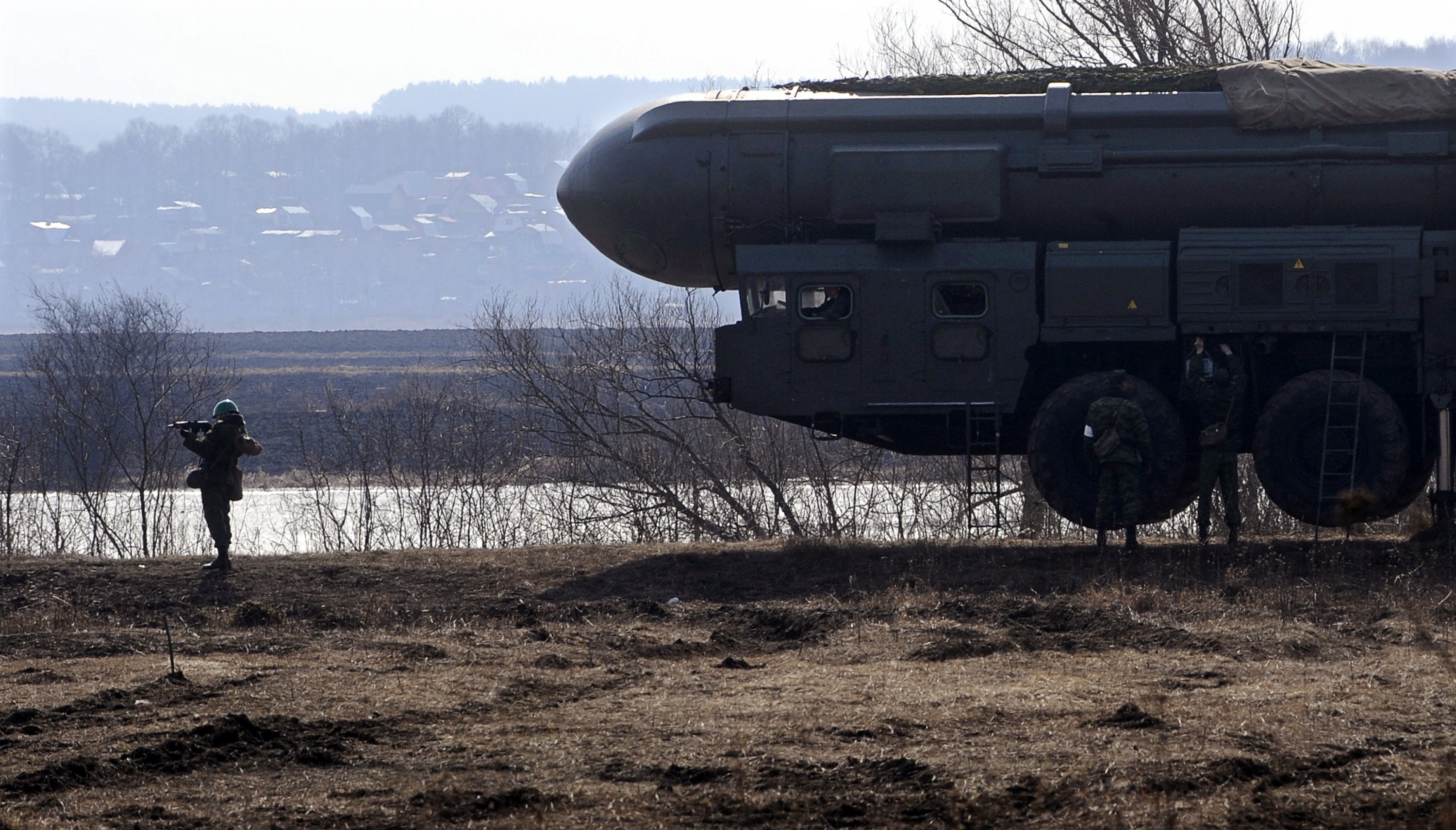
A Russian lawmaker has openly called for the use of tactical nuclear weapons against Ukraine to force Kyiv to surrender, declaring that Moscow should have no hesitation about launching such a strike if it considers one necessary, The Moscow Times reported on August 30.
Alexei Zhuravlev, a member of Russia’s State Duma and leader of the Rodina party, argued that Russian forces should strike Ukraine with enough force to compel capitulation.
We bring you stories from the ground. Your support keeps our team in the field.
“We need to strike in such a way that the enemy understands that it must capitulate,” Zhuravlev said.
He then dismissed debate over whether Russia should use tactical nuclear weapons.
“There are discussions: can we use tactical nuclear weapons or can we not? Listen, there shouldn’t even be such a discussion! If necessary, we are obliged to use them…If we need to strike, we will strike. And that is not up for discussion,” Zhuravlev said.
The remarks represent another explicit nuclear threat from within Russia’s political establishment as Moscow’s war of aggression against Ukraine continues.
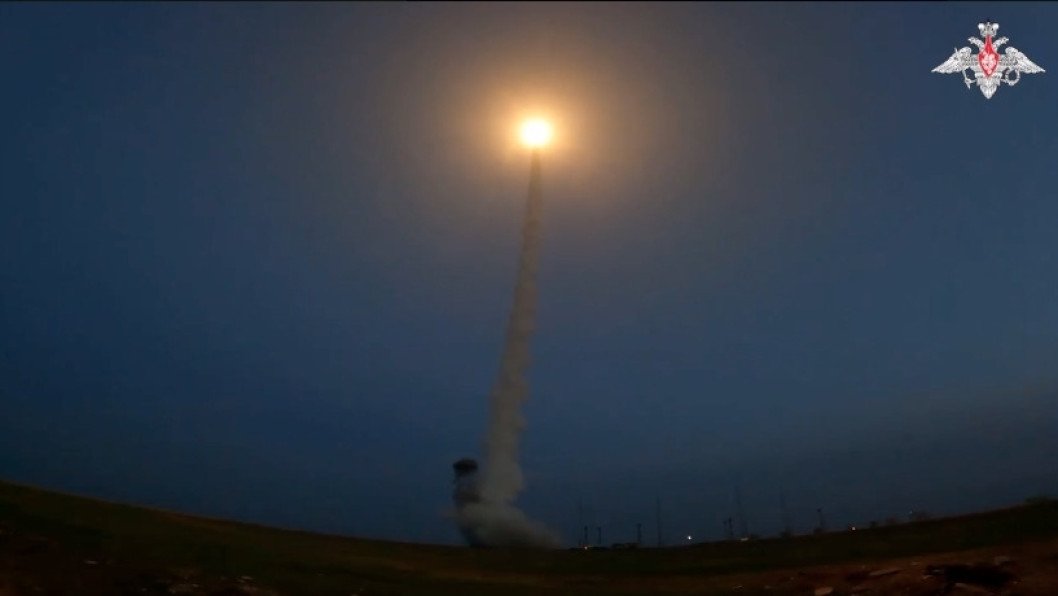
Zhuravlev’s comments do not amount to an announcement of Russian government policy or evidence that Moscow is preparing a nuclear strike.
They come, however, shortly after Bloomberg reported that people close to the Kremlin believe Russian leader Vladimir Putin is preparing for further escalation in Ukraine as diplomatic efforts remain stalled.
According to that reporting, a growing number of Russian officials have begun discussing the possibility that Putin could eventually resort to tactical nuclear weapons as a last resort if Russia faced the prospect of defeat.
Bloomberg stressed that there were no indications that Russia was currently preparing to use a nuclear weapon in Ukraine.
Previously, Russia used its newest 9M723-2 ballistic missile, commonly referred to as the Iskander-1000, against Kyiv for the first time during a combined attack on the Ukrainian capital this summer.
Its most significant changes are a larger rocket motor and a correspondingly enlarged launcher. HUR says those modifications increase the missile’s maximum strike range to around 550 kilometers, compared with approximately 390 kilometers for the 9M723-1 variant.
Discuss this article:
-9a7b3a98ed5c506e0b77a6663f5727c5.png)