- Category
- War in Ukraine
Kremlin Insiders Warn Putin Weighing War Escalation But Experts Doubt Nuclear Threat
 Prefer U24 Media on Google
- Authors

-c439b7bd9030ecf9d5a4287dc361ba31.jpg "Photo of Katherina Popilnichenko")
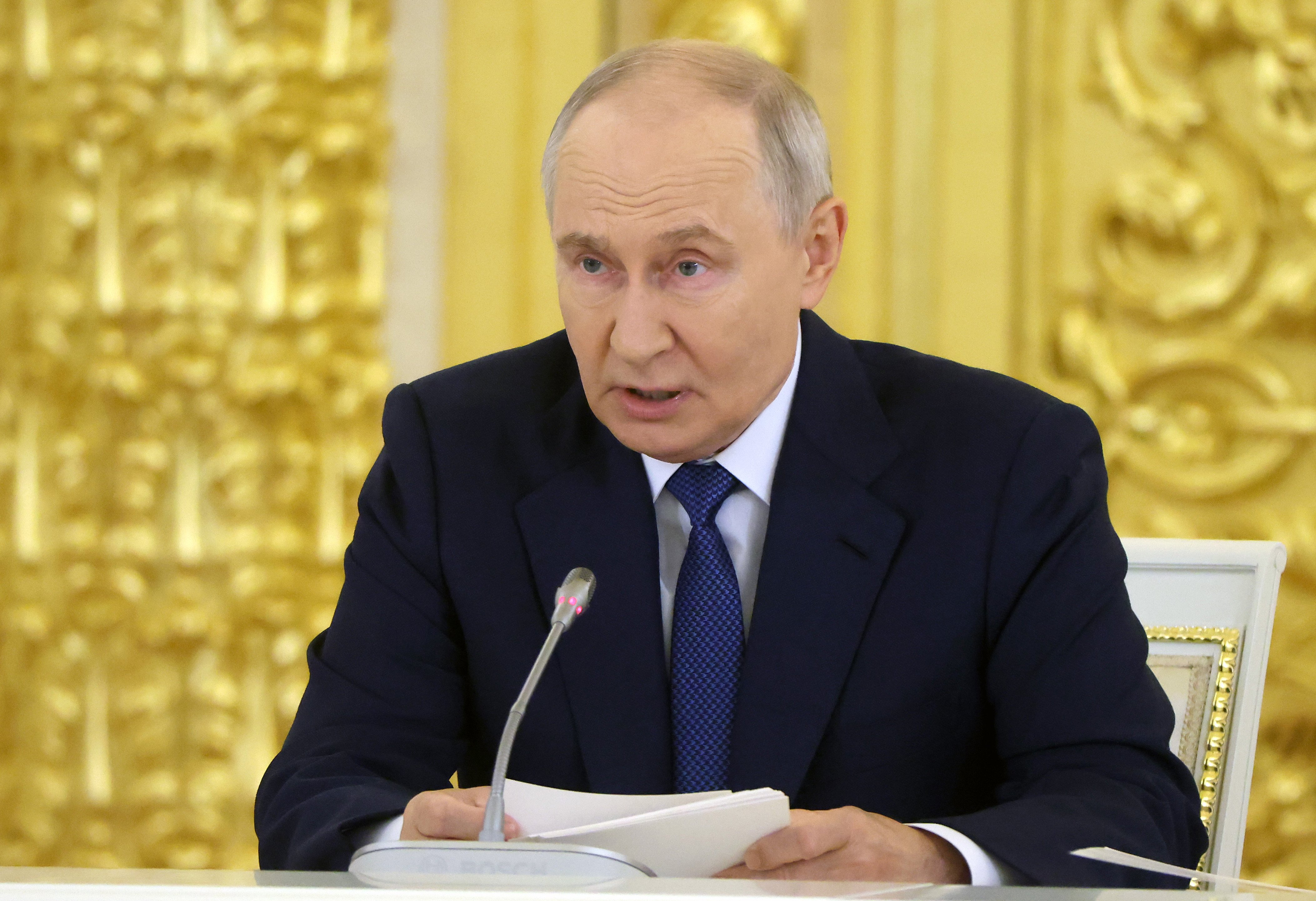
Russian leader Vladimir Putin believes peace negotiations regarding Russia’s full-scale invasion of Ukraine have reached a complete dead end and is preparing to intensify military actions, according to sources close to the Kremlin cited by Bloomberg.
Within the Russian leader’s inner circle, concerns are growing that he may ultimately resort to using tactical nuclear weapons.
We bring you stories from the ground. Your support keeps our team in the field.
Kremlin-linked sources indicate that Russia plans to increase ballistic missile strikes against Kyiv in the near future, specifically targeting the center of the capital, along with critical infrastructure in other Ukrainian cities.
Negotiations conducted over roughly a year and a half through the mediation of the Trump administration have effectively failed, Bloomberg sources noted, leaving both sides in the same position as when discussions began.

Despite mounting economic pressure, a domestic fuel crisis, and strikes on supply networks, Putin has no plans to end Russia’s full-scale invasion of Ukraine. Sources emphasized that the current dynamic of mutual strikes does not represent the peak of military escalation.
An increasing number of Russian officials believe Putin could deploy tactical nuclear weapons against Ukraine as a last resort. Pro-war hardliners advocating for such action have grown louder recently.
With diplomatic efforts stalled, four sources close to the Kremlin said Moscow sees few options other than further escalation. Kremlin officials still hold slim hopes that Donald Trump's special envoys, Steven Witkoff and Jared Kushner, might bring new proposals to Moscow, though expectations for a breakthrough remain exceptionally low.
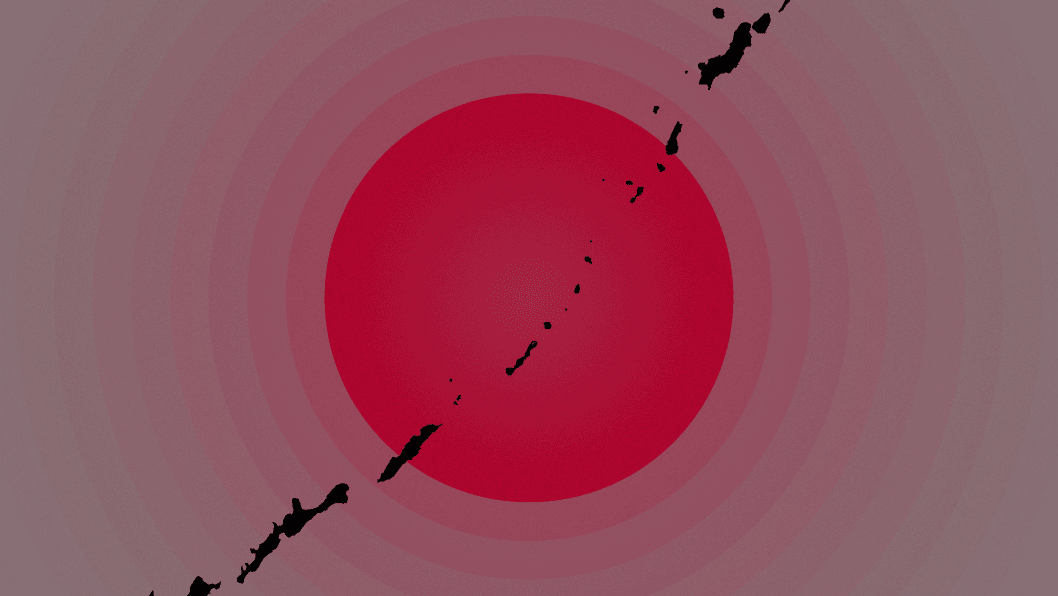
Bloomberg notes there are currently no concrete signs that Putin is preparing a nuclear deployment. Russia’s international partners, including China, strongly oppose such a move and have issued firm warnings to the Kremlin.
Former advisor to three US presidents and senior fellow at the Brookings Institution Fiona Hill recalled that the Biden administration previously warned Putin about the severe consequences of a nuclear strike, stating the response would involve a direct conventional strike by US armed forces against Russia. Hill observed that Putin is testing how far he can push before others yield.
Alexander Gabuev, director of the Carnegie Russia Eurasia Center in Berlin, considers the risk of tactical nuclear weapon deployment to be "extremely low." He explained that the tactical utility of such a strike on a modern battlefield remains limited, while the political fallout from breaching the nuclear taboo would be severe.
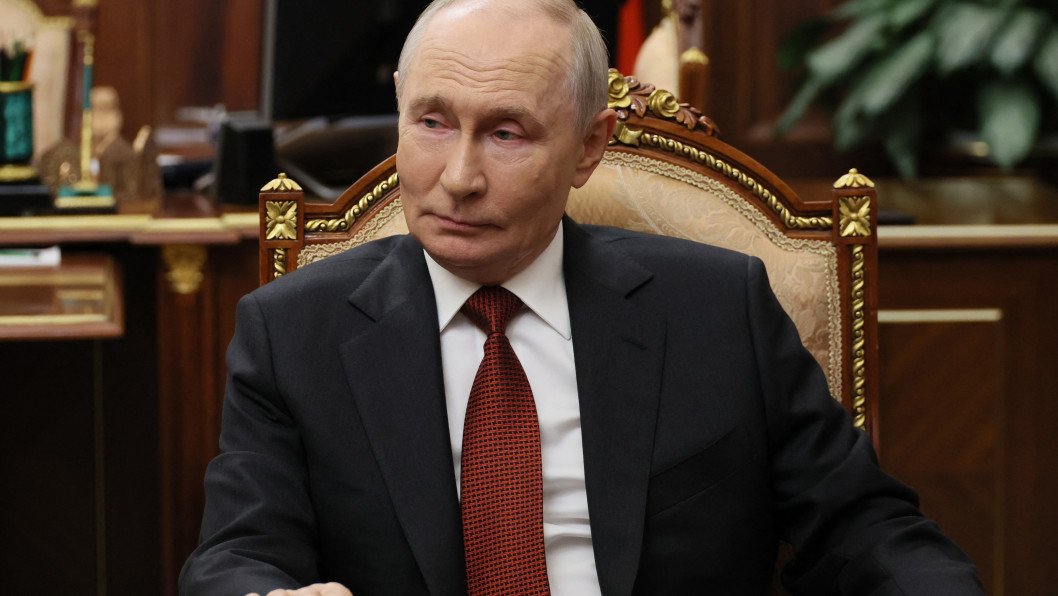
"As long as Moscow has room for escalation with conventional weapons, including intensifying missile strikes, it has little reason to cross the nuclear threshold," he stated.
Previously, Russian hawks were furious over Ukrainian drone strikes and an allegedly unfulfilled US promise to mediate Russia’s full-scale invasion of Ukraine on terms favorable to Moscow, leading them to demand that Vladimir Putin abandon diplomacy and escalate the war.
Calls for full mobilization, strikes on European drone factories, and even the deployment of tactical nuclear weapons intensified after deep strikes hit Moscow, St. Petersburg, and Crimea.
Despite growing domestic pressure from nationalist figures following a strike on a Moscow oil refinery, sources close to the Kremlin indicated that Putin tolerated the rhetoric while maintaining confidence in his strategy and keeping political control over the state's military campaign.
Discuss this article:


-29a1a43aba23f9bb779a1ac8b98d2121.jpeg "Photo of Illia Kabachynskyi")
-111f0e5095e02c02446ffed57bfb0ab1.jpeg "Photo of Roman Kohanets")