- Category
- World
Russia Promises Moon and Mars Base Construction Ahead of Unfolding Space Failures
 Prefer U24 Media on Google
- Authors

-c439b7bd9030ecf9d5a4287dc361ba31.jpg "Photo of Katherina Popilnichenko")
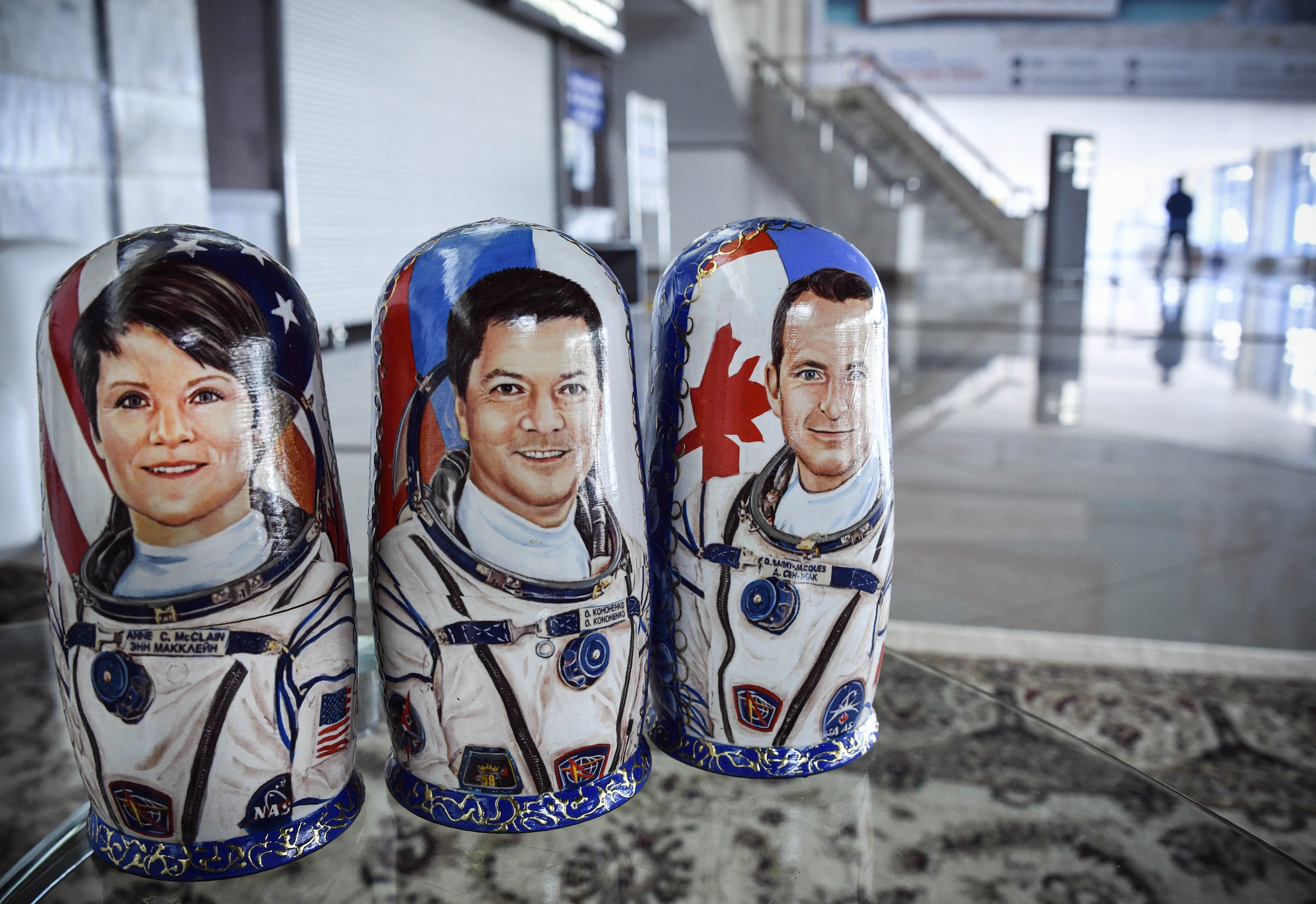
The head of Roscosmos, Dmitry Bakanov, stated that humanity will colonize the Moon and Mars in the foreseeable future, as reported by The Moscow Times on August 26.
According to him, the current generation will witness the first long-term missions where people with specific infrastructure will find themselves on the Moon and possibly other celestial bodies.
We bring you stories from the ground. Your support keeps our team in the field.
"Colonies will happen 100%. First on the Moon, then on Mars," Bakanov said.
Bakanov views the Moon not only as a scientific site, but also as a backup location for humanity in the event of natural or man-made disasters on Earth.
"There should always be a backup option where humanity could 'move.' And this will be impossible without space. The first stage is the Moon," Bakanov said.
In 2024, the Russian Academy of Sciences prepared a lunar program designed up to 2060. It includes a series of missions to study Earth's satellite. In the summer of 2025, Deputy Prime Minister Denis Manturov promised leader Vladimir Putin that Russia plans to be the first in the world to build a nuclear power station on the Moon.
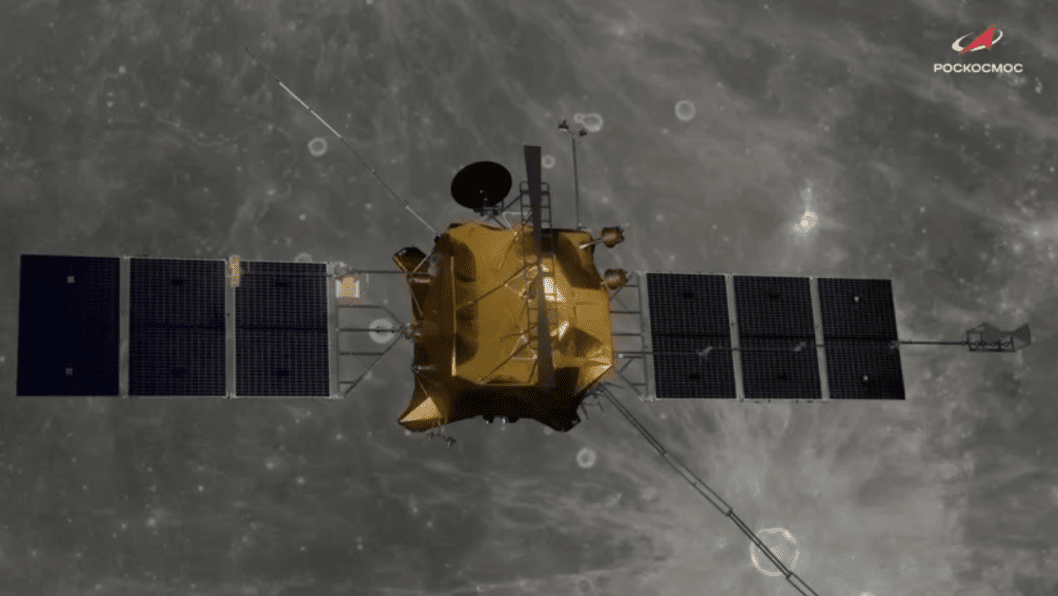
It is expected to appear by 2036 and provide energy to the infrastructure. To study Mars after 2030, Russia is considering the launch of the Boomerang interplanetary station to collect soil from Mars' moon Phobos. After 2036, plans call for deeper exploration of Venus and Mars, as well as launching transport with nuclear power units into space.
The Russian lunar program has faced serious difficulties, failures, and postponements for many years. In 2023, the first space mission to the Moon in half a century ended in failure.
The Luna-25 station crashed into the lunar surface during a landing attempt. In April 2026, Vice President of the Russian Academy of Sciences Sergei Chernyshev reported that the launch of the next lunar mission was moved from 2027 to 2028, while several other missions were also delayed.
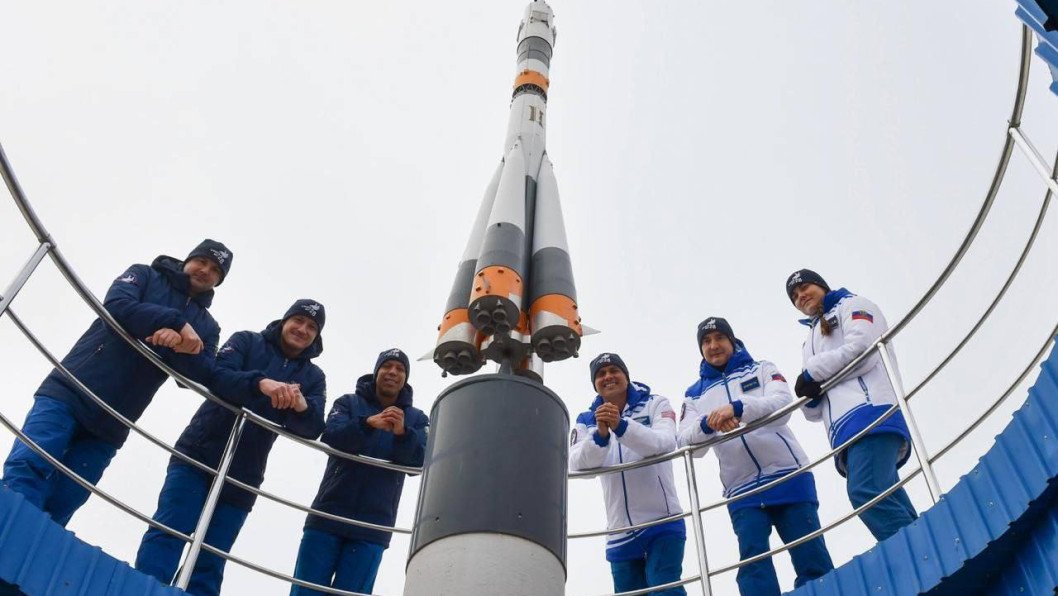
In April 2026, Russia admitted that it had fallen out of the ranks of global space leaders after its launch rates hit historic lows not seen since the dawn of space exploration.
Lev Zeleny, scientific director of the Space Research Institute at the Russian Academy of Sciences, confirmed that Moscow had no plans for manned lunar or deep space missions over the following decade.
Roscosmos conducted just 17 orbital launches in 2025, matching its 2024 total and tying with New Zealand, while falling tenfold behind the United States and fivefold behind China. Experts noted that technical failures continued to plague the agency into 2026, including a major accident on the Baikonur launch pad that disrupted the Progress MS-33 mission.
Discuss this article:
-4a56a6b482ec132402c16ef6fcabf9a2.png)






-111f0e5095e02c02446ffed57bfb0ab1.jpeg "Photo of Roman Kohanets")

-72b63a4e0c8c475ad81fe3eed3f63729.jpeg "Photo of Cyril Barabaltchouk")