- Category
- Latest news
Russia’s Space Launches Fall to Historic Low, Matching Early 1960s Gagarin-Era Levels
 Prefer U24 Media on Google
- Authors


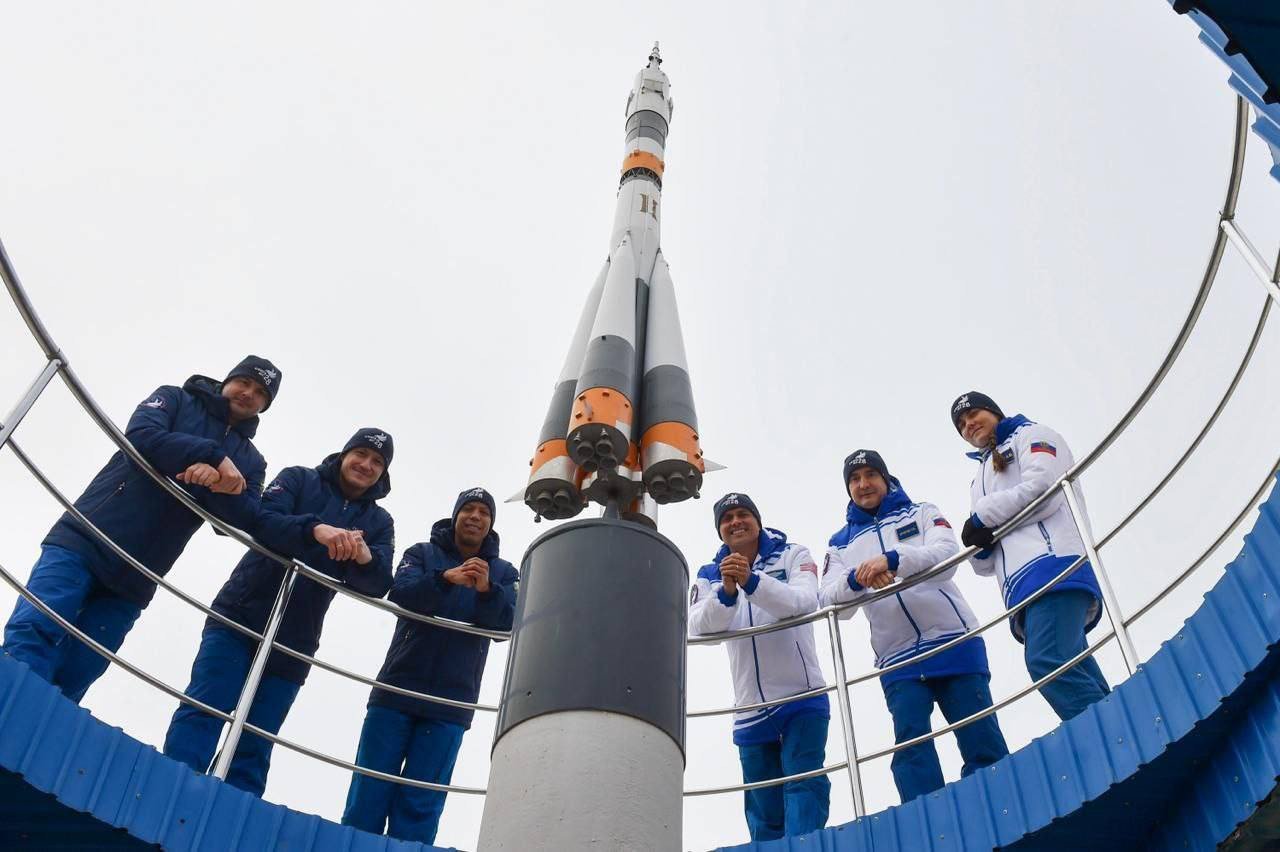
Russia’s once-dominant space program has reached a new low point, with orbital launches falling to a level not seen since the early 1960s.
According to a report by The Moscow Times, citing Deputy Prime Minister Denis Manturov, Russia’s space corporation Roscosmos conducted just 17 launches in 2025—the same number as in 2024.
While Russia’s output stagnated, other spacefaring nations posted significant growth. The United States led with 181 launches, up from 145 the year before.
China followed with 91, up from 68. By comparison, Russia now trails the US by more than tenfold and China by more than fivefold in annual launch activity.
According to The Moscow Times, the decline marks the second consecutive year of historically low performance for Russia’s space program, excluding pandemic disruptions. The last time launch numbers were this low was 1961, the year Yuri Gagarin became the first human in space—when the Soviet Union conducted just nine launches. In the decades that followed, the USSR ramped up activity, peaking at 99 launches in 1982.
Since then, Russia’s output has declined nearly sixfold. Experts warn the country is at risk of losing its place among the top three global space powers. New Zealand, a relative newcomer, matched Russia’s 2025 total with 17 launches, continuing its steady rise in the commercial space market.
Roscosmos had originally planned at least 20 launches in 2025. However, The Moscow Times reports that three were postponed or canceled, citing space analyst Vitaly Egorov:
A launch pad accident at Baikonur in late November disrupted the scheduled mission of Progress MS-33.
Technical issues grounded a Proton-M rocket carrying a meteorological satellite.
A test flight of the new Soyuz-5 medium-class launch vehicle was postponed.
“These were three unrelated failures,” Egorov noted, “but together they reflect deeper systemic issues within Russia’s space sector.”
Earlier, it was reported that Russia’s space-based missile early-warning constellation may be down to a single functioning Tundra-class satellite by the end of 2025.
Discuss this article:


-c439b7bd9030ecf9d5a4287dc361ba31.jpg "Photo of Katherina Popilnichenko")