- Category
- Latest news
Russia Delays Proton-M Launch From Baikonur After Technical Failure
 Prefer U24 Media on Google
- Authors


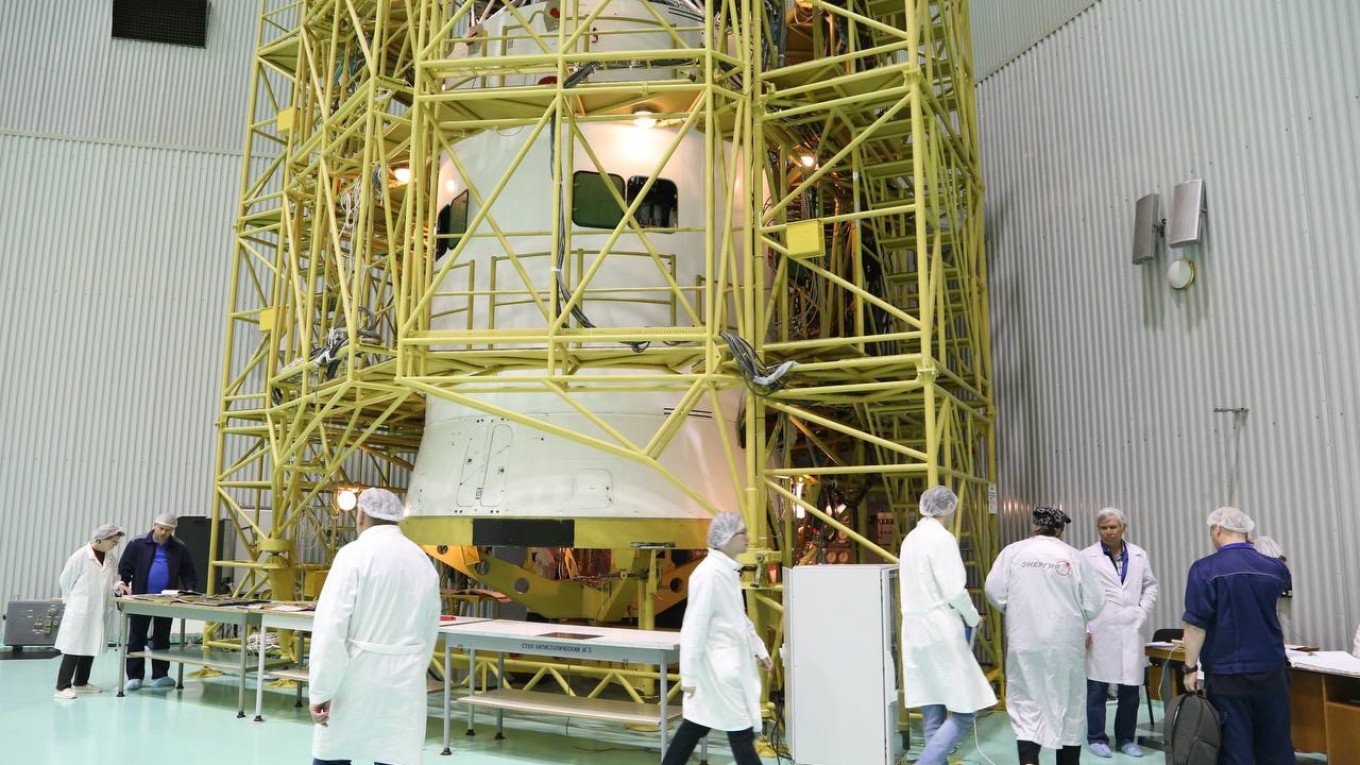
Russia has postponed the launch of a Proton-M rocket scheduled for December 15 from the Baikonur Cosmodrome after engineers detected a malfunction during pre-launch checks, the state space agency Roscosmos said, according to The Moscow Times on the same say.
The issue was found in a DM-type upper-stage booster produced by the Energia Rocket and Space Corporation. Roscosmos Deputy Director General Ivan Danilov said the launch was delayed to address the problem, adding that the scope of repair work had already been identified.
We bring you stories from the ground. Your support keeps our team in the field.
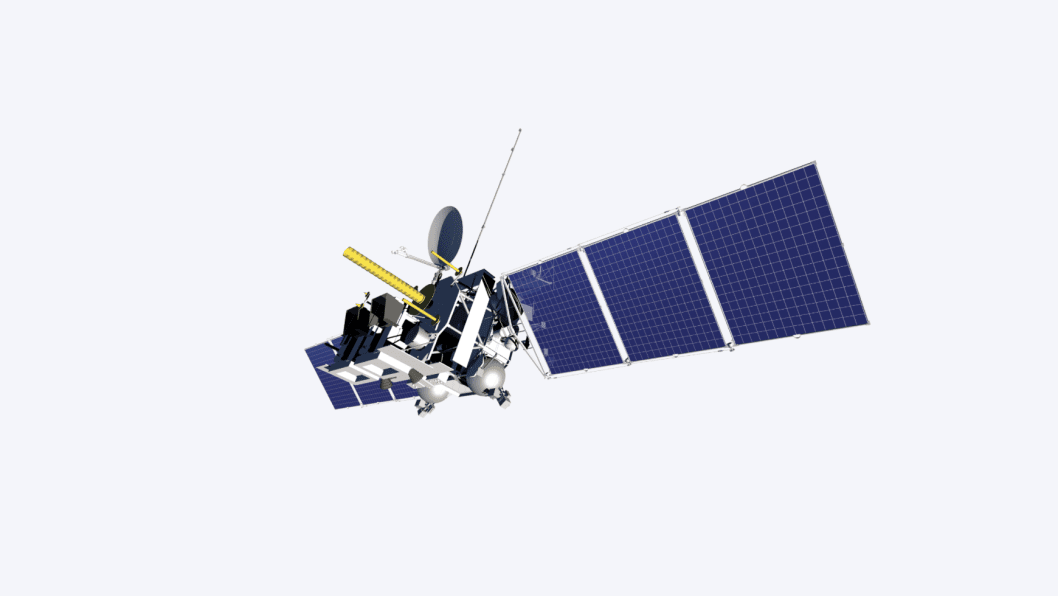
The Proton-M was expected to carry the Elektro-L weather satellite into orbit in what was to be its final launch from Baikonur. Roscosmos has previously announced that future launches using Energia-produced upper stages will take place only from Russia’s Vostochny and Plesetsk cosmodromes. In service since the mid-1960s, the Proton rocket is slated to be replaced by the Angara family.
The delay comes as Russia faces broader disruptions at Baikonur. On November 27, the launch pad used for Russian crewed missions was damaged during the launch of the Soyuz MS-28 spacecraft to the International Space Station, including the collapse of a service structure. Roscosmos said the site would be restored “in the near future.”
Experts say the incident temporarily left Russia unable to launch astronauts—a situation unseen since 1961—with Soyuz and Progress missions facing indefinite delays due to the lack of an alternative crewed launch pad.
Earlier, it was reported that China and Russia are actively testing stealth-related technologies designed to make their satellites harder to detect with radar and optical sensors, a senior US Space Force official said, warning that space surveillance is increasingly turning into a game of concealment rather than confrontation, according to Breaking Defense on December 11.
Discuss this article:



-c439b7bd9030ecf9d5a4287dc361ba31.jpg "Photo of Katherina Popilnichenko")