- Category
- Latest news
US Launches Secretive Space Interceptor Program to Kill Nuclear Missiles at Liftoff
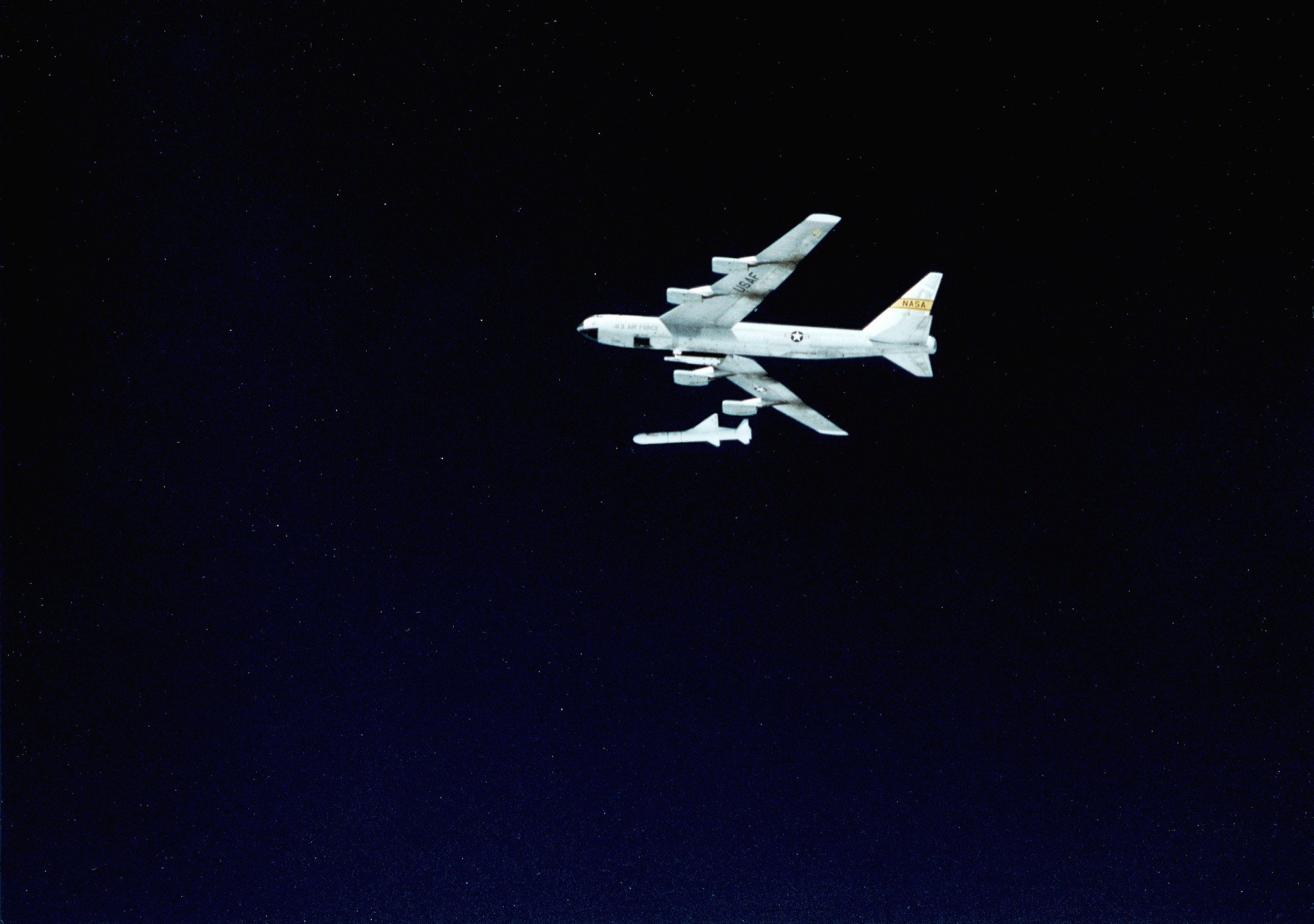
The Pentagon has quietly taken a major step toward building the first American space-based interceptors—weapons designed to strike enemy ballistic missiles in the opening seconds after launch, while they’re still clawing upward through the atmosphere and unable to maneuver.
 Prefer U24 Media on Google
- Authors




The program has now entered prototype development, but the companies building the hardware remain classified, Breaking Defense reported on November 25.
According to the US Space Force, multiple firms have received early prototype awards for space-based interceptors (SBI), a flagship component of the Trump administration’s sweeping Golden Dome missile-defense architecture. The orbital interceptors are meant to hit ballistic missiles in their boost phase—essentially at liftoff, when the rocket is fragile and still carrying all its warheads.
We bring you stories from the ground. Your support keeps our team in the field.
But nearly every detail of the program is now under wraps. “The names of the contractors are currently not releasable as they are protected by enhanced security measures,” a Space Force spokesperson said.
Even contract amounts were withheld. The Pentagon cited acquisition rules, noting that awards under $9 million don’t need to be public and that “Other Transaction Agreements,” the structure used for SBI awards, aren’t subject to DFARS release requirements.
Space Force awards first prototype deals for space-based interceptors under Golden Dome https://t.co/3v7oIMTuqM pic.twitter.com/aG5rPsKxTj
— SpaceNews (@SpaceNews_Inc) November 25, 2025
Analysts told Breaking Defense that finalist companies likely received only about $120,000 in “prize funds”—a tiny fraction of the cost required to design even a rudimentary interceptor, meaning firms are largely self-funding the early work.
A missile-kill shot from orbit
Ukrainian military outlet Defense Express reported that SBI is intended to solve several long-standing problems in missile defense.
The US Space Force quietly awarded several sub-$9 million contracts to undisclosed companies to build early prototypes of space-based missile interceptors for Trump’s Golden Dome defense program.
— Clash Report (@clashreport) November 25, 2025
The awards use fast, low-transparency contracting rules and keep contractor names… pic.twitter.com/7e8ds2mw5A
Hitting a missile before it deploys decoys or multiple warheads means the US would only need to destroy one target, not a cluttered cloud of fake and real objects. Boost-phase missiles also can’t yet evade, meaning an interceptor fired from orbit could theoretically achieve global reach and near-instant reaction times.
SBI is expected to come in two variants:
exoatmospheric interceptors: designed to kill a missile after it leaves the atmosphere (~120 km and above);
endoatmospheric interceptors: designed to strike it before it even gets that high—right off the pad.
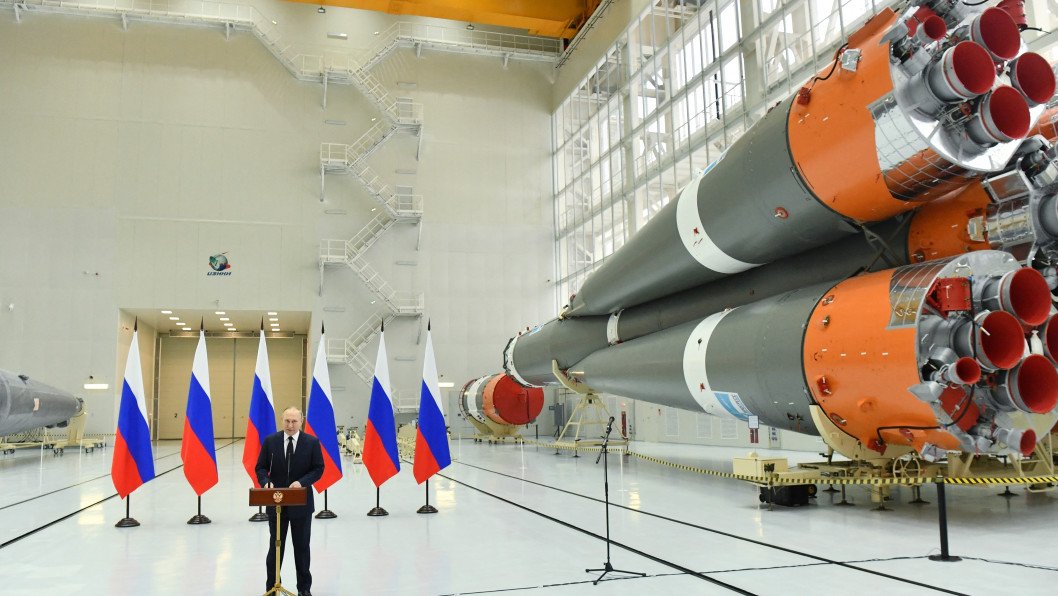
Combined, the two would form the most ambitious and far-reaching missile defense layer since the Strategic Defense Initiative.
Defense Express notes that in the event of a successful boost-phase intercept, the adversary’s missile—including nuclear warheads—would fall back onto its own territory, eliminating the risk of midcourse interception failures over allied soil.
Missile intercept scenarios featuring the full range of SDI-era sensors and weapons, from submarine-launched nuclear-pumped X-ray lasers to orbital railguns to geostationary early-warning satellites. pic.twitter.com/SdAsNyip4z
— ToughSF (@ToughSf) September 29, 2025
Golden Dome: massive budget, massive secrecy
Congress has already approved $25 billion for initial Golden Dome development, with internal Pentagon projections placing ultimate costs around $175 billion—a figure experts say may still be too low for a constellation of orbital interceptors.
The Defense Department has responded by clamping down on nearly all information surrounding the program. Breaking Defense reports the Pentagon has:
expanded classified sole-source contracts;
folded SBI-related work into existing missile defense programs via undisclosed modifications;
discouraged mention of the Golden Dome at industry conferences.
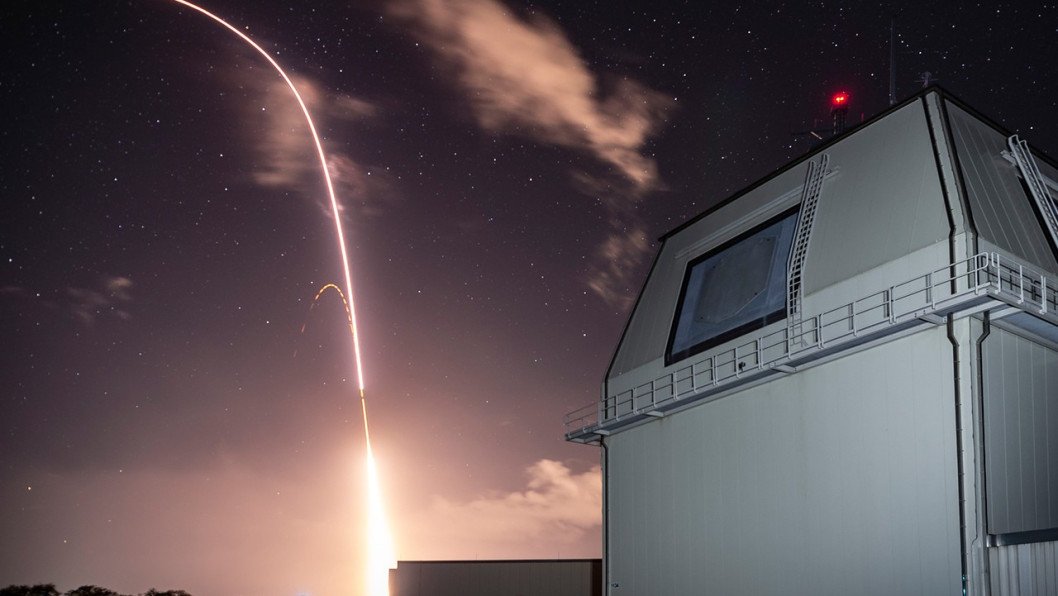
The secrecy, senior officials say, is partly to avoid early political backlash over cost—and partly to protect sensitive development timelines, which publicly target 2028 but are widely understood to be optimistic.
Industry steps in—quietly
Lockheed Martin, Northrop Grumman, and spacecraft startup Apex previously announced intentions to compete. Whether they are among the selected contractors remains unknown.
The unusual financial structure—tiny initial awards, enormous long-term payout—signals a high-stakes gamble, according to Breaking Defense. Companies must essentially bankroll early phases themselves in hopes of securing future multibillion-dollar production contracts.

Tom Karako, director of the Missile Defense Project at CSIS, told Breaking Defense the approach could work, but only if the Pentagon shows sustained commitment:
“For it to work, there will need to be confidence that the customer’s commitment is not just solid in the short term, but can be counted on two, five, ten years from now.”
Behind the scenes, Pentagon officials believe global missile threats—Russia’s and China’s hypersonic programs, Iran’s long-range development, and North Korea’s accelerating arsenal—justify the urgency.
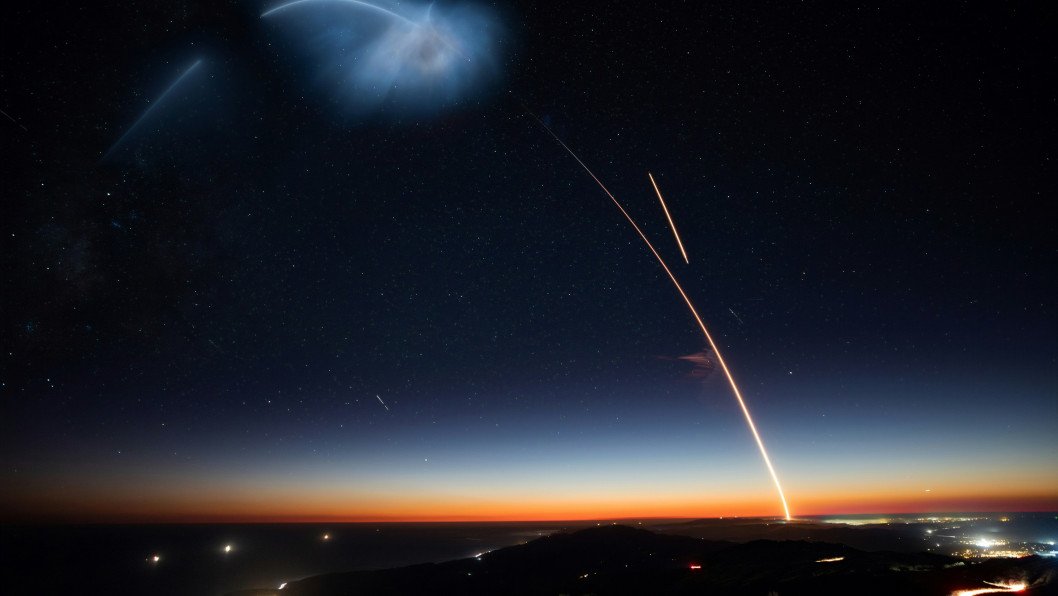
Golden Dome, they argue, is meant not just to protect the homeland but to reshape deterrence by making adversary missile barrages far less viable.
Earlier, Germany and France had agreed to jointly develop a new missile early-warning system for Europe, combining ground-based and space-based components.
The system is expected to become a core element of Europe’s missile defense architecture, although previous joint defense initiatives between the two countries have struggled to deliver results.
Discuss this article:
-9bd5e1532102621f8fb1c4ba871a3171.png)


-c439b7bd9030ecf9d5a4287dc361ba31.jpg "Photo of Katherina Popilnichenko")


-111f0e5095e02c02446ffed57bfb0ab1.jpeg "Photo of Roman Kohanets")

-72b63a4e0c8c475ad81fe3eed3f63729.jpeg "Photo of Cyril Barabaltchouk")