- Category
- Latest news
US Speeds Up Patriot, THAAD Missile Production as Lockheed Martin Hits 2027 Goal Early
 Prefer U24 Media on Google
- Authors


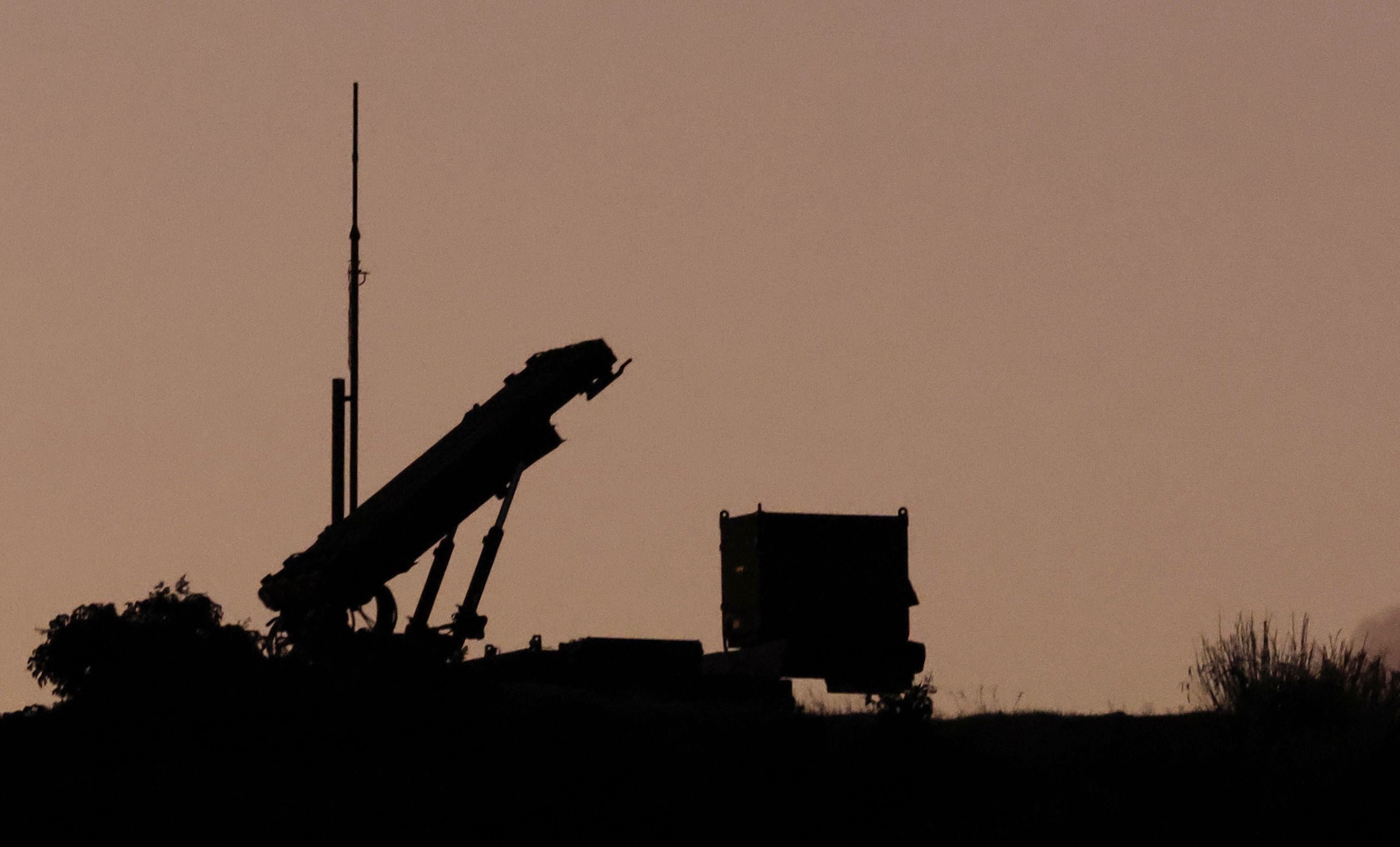
The US government has asked Lockheed Martin to explore a sharp increase in production of PAC-3 Missile Segment Enhanced (MSE) interceptors—the most advanced version of the Patriot air defense missile—amid surging global demand driven by growing missile threats and active combat deployments, according to defense media Aviation Week on August 6.
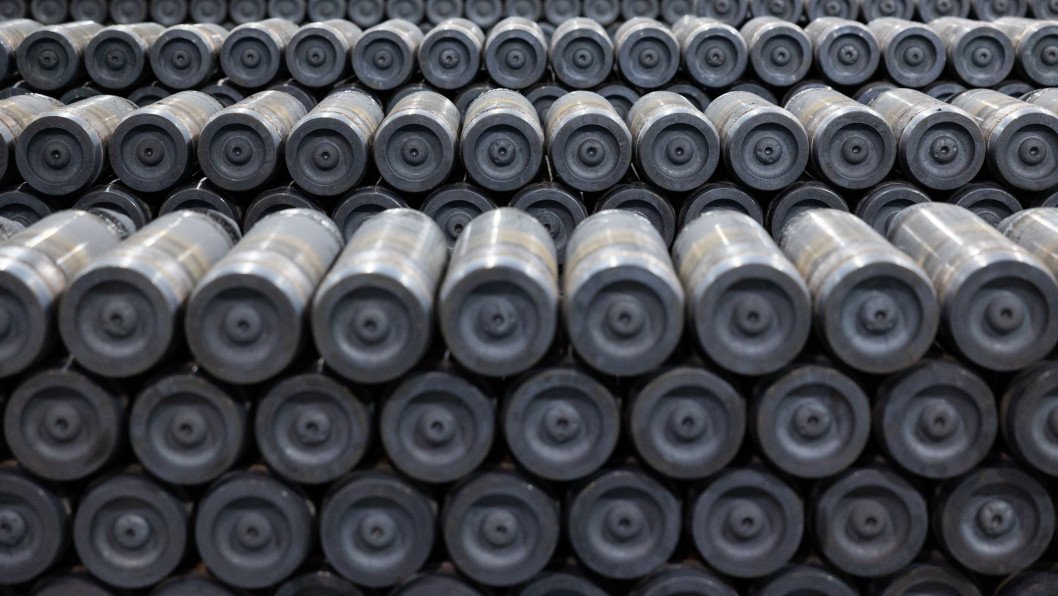
The Pentagon’s request comes after the annual production target originally set for 2027 was already reached years ahead of schedule. Lockheed Martin had been contracted to produce 650 missiles per year by 2027; based on output over the past three months, that rate has already been met.
😍 Launches of MIM-104 "Patriot" air defence missiles at Russian targets, - "Come Back Alive" pic.twitter.com/t6PlwRke3F
— MAKS 25 🇺🇦👀 (@Maks_NAFO_FELLA) July 2, 2024
“We’re now discussing volumes as high as 2,000 units a year,” said Brian Kubik, vice president of the PAC-3 program at Lockheed Martin.
While current plans envision 750 units in 2027, the higher figure under discussion would represent more than a threefold increase over the initial goal.
The PAC-3 MSE is designed to intercept tactical ballistic missiles, advanced cruise missiles, and other aerial threats in contested electronic warfare environments.
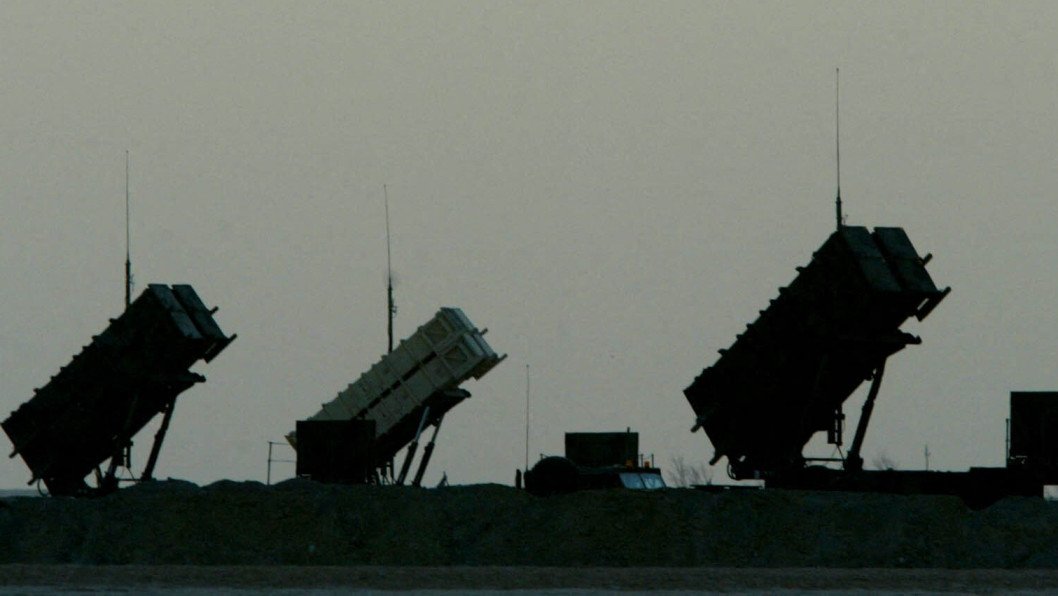
Using a “hit-to-kill” approach, it destroys targets through direct impact, aided by a more powerful solid-fuel rocket motor, improved aerodynamics, and an upgraded guidance system. Each M901 launcher can carry up to 16 PAC-3 MSEs—compared with just four in older variants—dramatically increasing firepower.
The same ramp-up would apply to the Terminal High Altitude Area Defense (THAAD) system, currently produced at 96 interceptors per year.
“We’re assessing the capacity needed to support an expanded production rate for both systems,” said Dawn Golightly, Lockheed Martin’s vice president for upper-tier integrated air and missile defense.

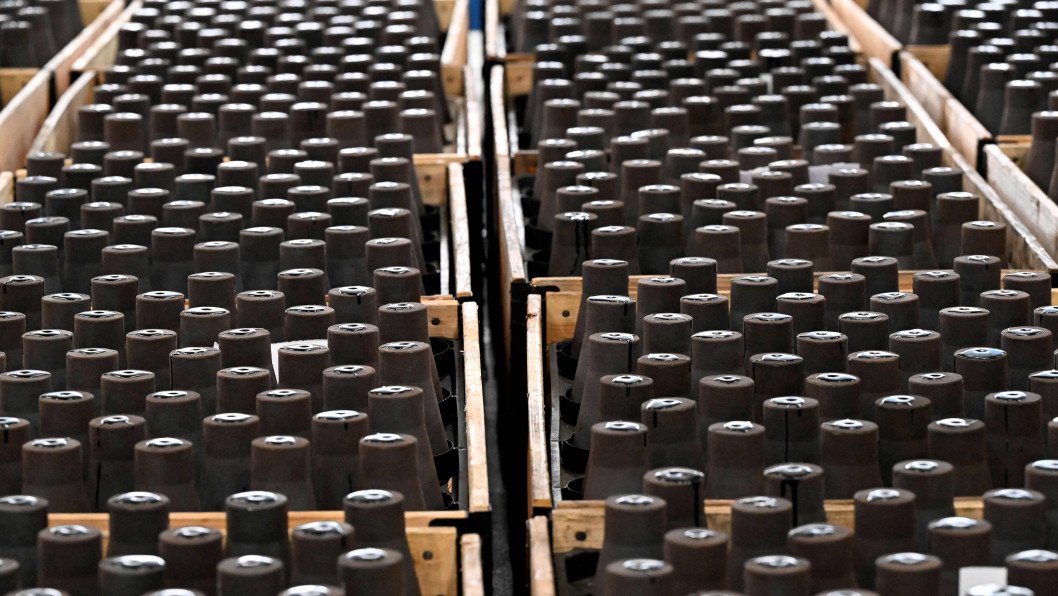
One of the main bottlenecks—the supply of solid rocket motors—has eased thanks to expanded output from L3Harris Technologies and Northrop Grumman, as well as efforts to diversify suppliers. Kubik noted that the supply chain has “anticipated the higher demand and is adapting accordingly.”
Lockheed Martin is also developing the next-generation Integrated Guidance Subsystem (IGS) variant, which will use miniaturized electronics to make room for more propellant and extend the missile’s range. Production is expected to start within two years.
Recent combat experience is shaping the expansion plans. In the past year, US, Israeli, and allied forces have used PAC-3 and THAAD interceptors to counter Iranian and Houthi missile and drone attacks in the Middle East.
In June 2025, the THAAD program scored its largest interception to date, knocking out multiple Iranian missiles in a single engagement.
The Pentagon sees the production surge as a way to strengthen missile defenses against a widening range of threats — and to ensure the US can sustain simultaneous operations in multiple theaters.
Earlier, German specialists restored a damaged radar from a Ukrainian Patriot air defense system, according to Bundeswehr Major General Mike Keller, NATO’s coordinator for military support to Ukraine.
Keller said the radar was damaged by Russian forces several months ago. NATO’s mission in Wiesbaden, which coordinates assistance to Ukraine, is responsible not only for supplying weapons but also for repairing them.
The Patriot radar had sustained “serious damage.” When it was delivered to Germany, the manufacturer concluded it could not be repaired.
Discuss this article:



-c439b7bd9030ecf9d5a4287dc361ba31.jpg "Photo of Katherina Popilnichenko")