- Category
- World
Russian Markets Slump After Trump-Putin-Xi Summit Ends Without Ukraine Agreement
 Prefer U24 Media on Google
- Authors



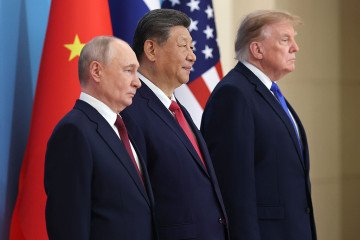
Russian stocks fell after Vladimir Putin’s visit to China for the APEC summit, where his meeting with Donald Trump and Xi Jinping drew comparisons to the 1945 Yalta Conference, with talk of dividing the world into spheres of influence and no Ukrainian or European representatives at the table.
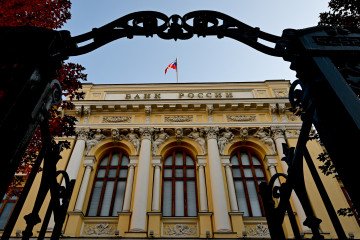
The Moscow Exchange Index, which tracks 46 of Russia’s largest companies, dropped 2.19% on Thursday to 2,415.7 points and fell as low as 2,404.8 points during trading, its lowest level in a month, as reported by The Moscow Times.
We bring you stories from the ground. Your support keeps our team in the field.
Over Putin’s two days in Shenzhen, the index fell 3.7%, wiping 200 billion rubles ($2.43 billion) off the market value of its companies.
Shares in several major Russian companies declined during trading. By 9:30 p.m. Moscow time, Gazprom fell 3.3%, Rosneft dropped 2.4%, Novatek lost 3.6%, Severstal declined 3.8%, and NLMK fell 3.9%.
Analysts at Vektor Capital said the main disappointment was the lack of specific agreements on settling Russia’s full-scale invasion of Ukraine during the meeting between Putin, Trump, and Xi Jinping, The Moscow Times reported.
After the three-way meeting, the leaders signed a declaration backing UN reform, immunity for heads of state from prosecution by the International Criminal Court, and the prevention of nuclear war. The document did not mention Ukraine.
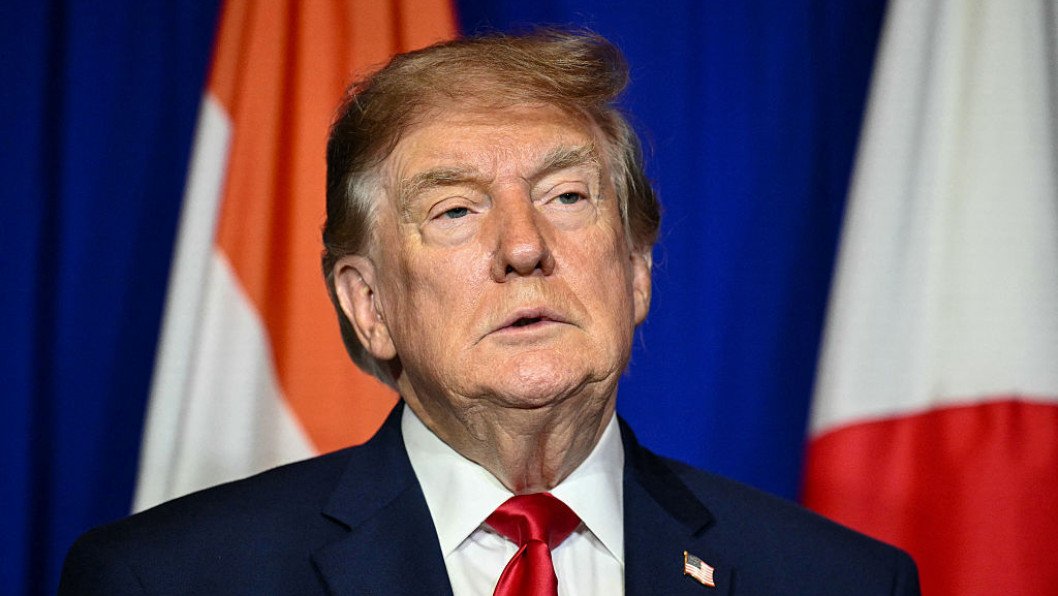
On the same day, Russia’s State Duma approved a federal budget for 2027 through 2029 that allocated 21.3 trillion rubles ($259.2 billion), or 44% of all federal spending, to the military and security forces next year, marking the highest level of defense expenditure since the Soviet era, according to The Moscow Times.
Passed in its second and main reading, the legislation directed 35% of total budget funds—roughly every third ruble—specifically toward the army and weapons procurement in 2027, while the government planned to cut funding across civilian sectors including healthcare, social support, housing and utilities, and the national economy, raise taxes to bring in more revenue, and leave the federal budget in deficit.
Discuss this article: