- Category
- World
Two Russian Tu-95MS Bombers, Two Days in Vietnam—What Was Moscow Trying to Prove?
 Prefer U24 Media on Google
- Authors


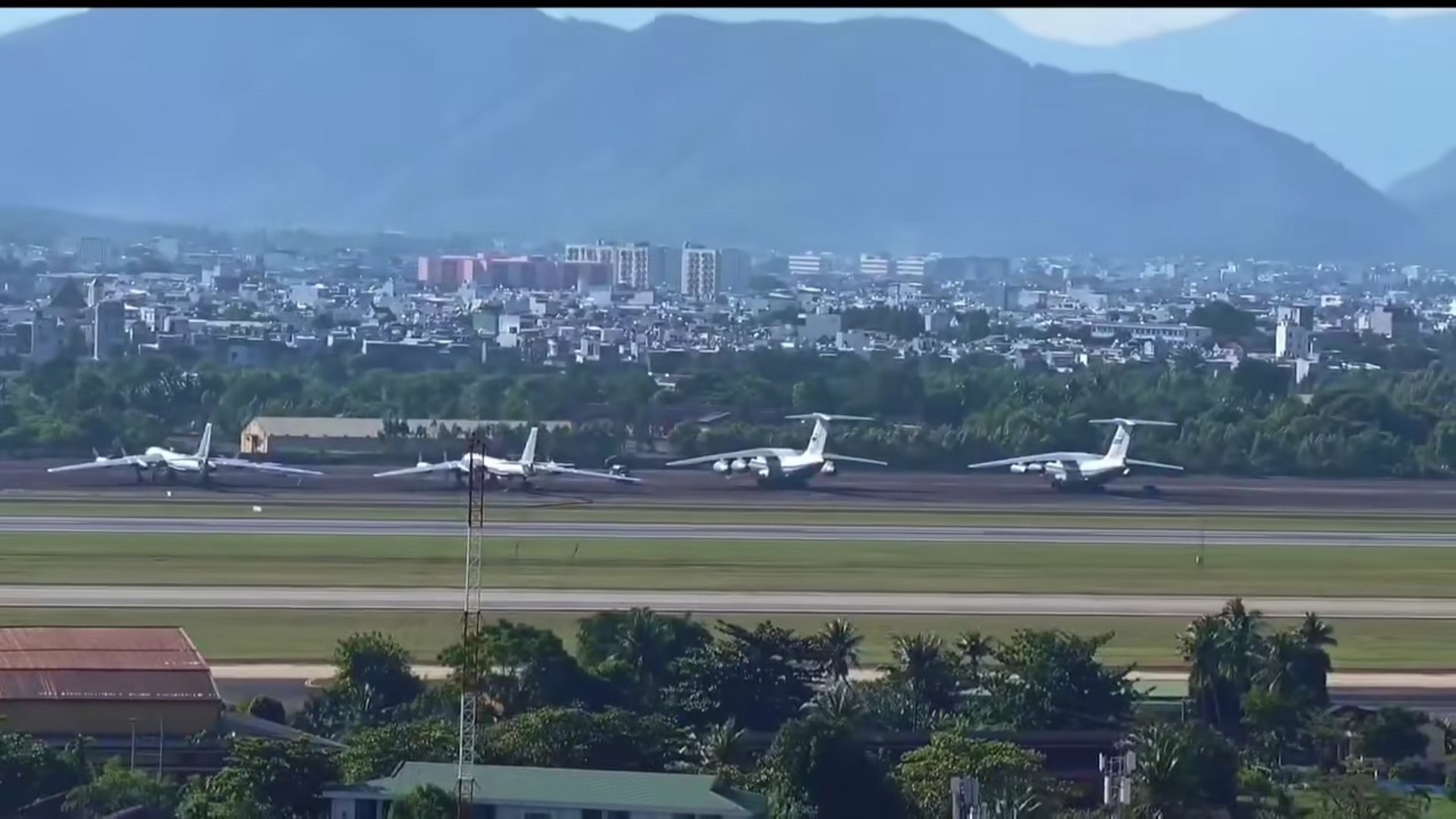
Russia’s first long-range bomber deployment to Vietnam since 1993 may have failed to attract the international attention Moscow expected, but the mission demonstrated something potentially more significant: Russian Tu-95MS strategic bombers can operate along routes approaching both Japan and Taiwan, according to an analysis published by Defense Express on November 19.
The OSINT researcher AviVector reported that two Russian Tu-95MS strategic bombers and two Il-76 military transport aircraft returned to Ukrainka Air Base in Russia’s Far East after spending two days at Da Nang International Airport in central Vietnam.
We bring you stories from the ground. Your support keeps our team in the field.
The deployment marked a notable return of Russian long-range aviation to Vietnam, where Soviet and Russian military aircraft had previously operated from Cam Ranh before the withdrawal of aviation assets in 1993.
However, the aircraft involved in the latest visit differed from those previously stationed in the country. Before 1993, Vietnam had hosted Tu-142 maritime patrol aircraft and Tu-95RTs reconnaissance aircraft, while the latest mission involved Tu-95MS strategic bombers.
Two Russian Air Force Tu-95MS Strategic Bombers landed in Vietnam this morning.
— MenchOsint (@MenchOsint) November 17, 2026
This is the aircraft that Japan & Taiwan were mentioning without identifying them.
*a Russian Air Force Il-76TD also landed in Vietnam using another route, transponders switched off most of the… https://t.co/VcC275F09n pic.twitter.com/AxMJv16Lq7
The unusual deployment raised questions about what Moscow hoped to achieve by sending its aircraft to Vietnam for such a short period.
One interpretation circulating in the media suggested that Russia was attempting to “flex its muscles” ahead of an anticipated summit involving Russian leader Vladimir Putin, US President Donald Trump, and Chinese leader Xi Jinping.
Defense Express noted, however, that if the operation was intended as a major demonstration of Russian military power, it appears to have fallen short of that objective.
The two-day visit attracted relatively little attention, with even Western news organizations specializing in defense issues largely overlooking the deployment, according to the analysis.
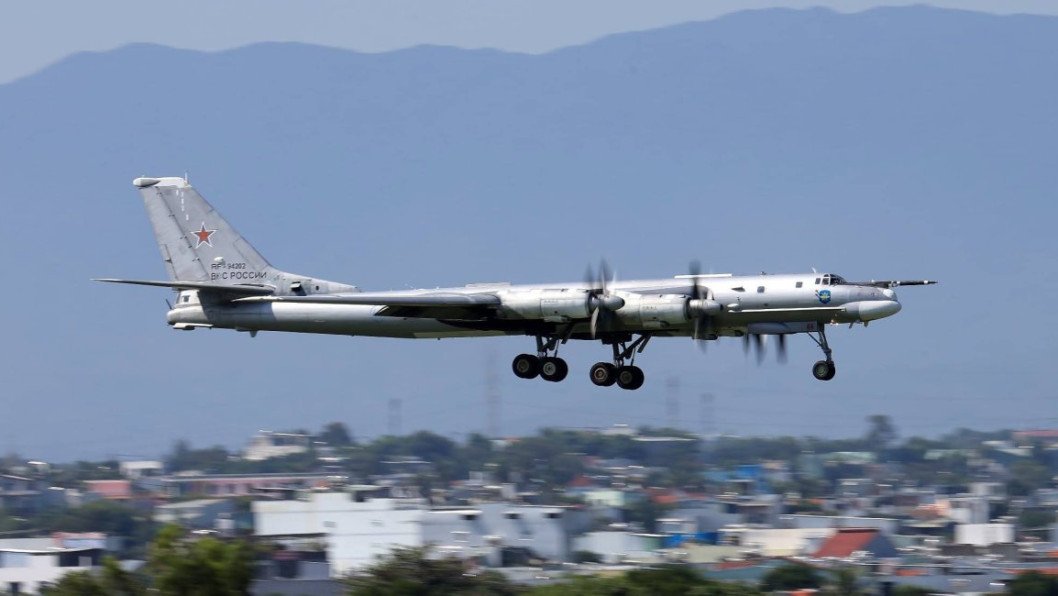
Yet another aspect of the mission may have been more consequential than the bombers' arrival in Vietnam.
As the Tu-95MS aircraft made their way toward Da Nang, Western media reported that Japanese and Taiwanese fighter jets had been scrambled in response to Russian long-range military aircraft operating along an unusually extensive flight route.
Defense Express argued that the significance of the operation lay in the ability of the Russian bombers to approach both Japan and Taiwan during a single long-distance mission, demonstrating their reach without being prevented from completing the flight.
Today, two Tu-142MZ (one of them RF-34098) from Vladivostok Airport conducted a training flight over the Sea of Japan.
— AviVector (@avivector) November 19, 2026
Two Tu-95MS (RF-94188, RF-94202) from Da Nang Airport were redeployed to Ukrainka Air Base.
One Il-78M from Ukrainka Air Base provided support for the… https://t.co/P2cGg1nGqr pic.twitter.com/2YZise8eEQ
Defense Express suggested that Moscow may initially have hoped the deployment would generate a broader “show of force” and produce a psychological impact through Western media coverage.
That apparent effort to attract international attention, however, did not deliver the expected results, according to the analysis.
Instead, the mission raised a different security concern: the possibility that Russia could use Tu-95MS strategic bombers for strikes against Taiwan.
Defense Express argued that the aircraft’s demonstrated operating range makes such a scenario technically plausible and warned that there is currently no apparent safeguard preventing Moscow from attempting such an operation.
Previously, reports emerged that Russia concentrated 47 nuclear-capable strategic bombers, including 10 Tu-160 and 37 Tu-95MS aircraft, at a single airbase in the country’s Far East, marking what may be an unprecedented concentration of its long-range aviation fleet since the beginning of the full-scale invasion of Ukraine.
Discuss this article: