- Category
- World
Russia Once Had a Massive Bomber Base in Vietnam. Is Putin Planning a Comeback?
 Prefer U24 Media on Google
- Authors


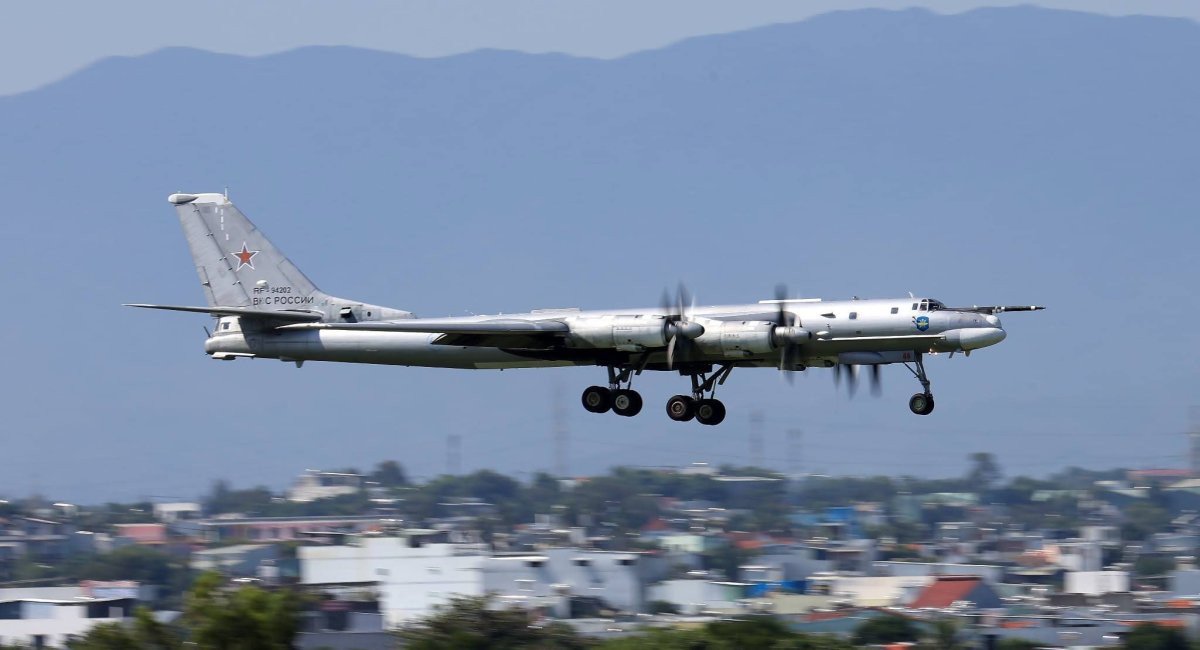
Russia’s recent deployment of nuclear-capable Tu-95MS strategic bombers to Vietnam has raised questions about whether Moscow is seeking to restore its military presence in Southeast Asia, where Soviet and later Russian long-range aircraft operated for more than a decade during the Cold War.
We bring you stories from the ground. Your support keeps our team in the field.
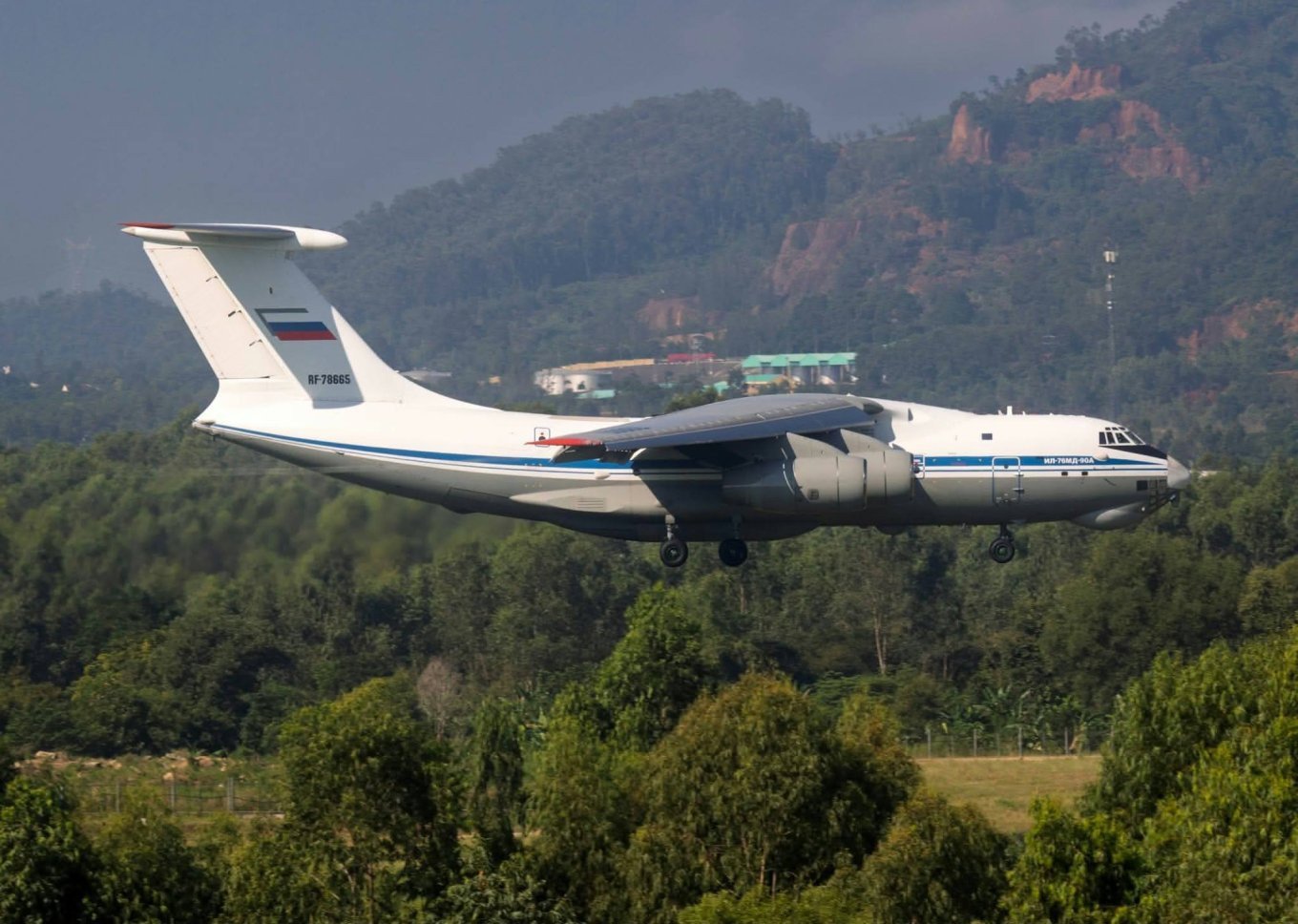
According to Defense Express on November 17, two Russian Tu-95MS bombers and two Il-76MD military transport aircraft arrived at Da Nang International Airport in central Vietnam on November 16.
Satellite imagery published by the OSINT monitoring group AviVector confirmed the aircraft’s presence. The bombers reportedly departed from Russia’s Ukrainka Air Base in the Far East.
🔻 Satellite images of 🇻🇳 Da Nang Airport as of November 17, 03:16 UTC
— AviVector (@avivector) November 17, 2026
Today, two Tu-95MS (RF-94202, RF-94188) and two Il-78M from Ukrainka Air Base were redeployed to Da Nang Airport, Vietnam.
The aircraft flew past Japan and Taiwan en route to Vietnam. Russian Il-78 last… pic.twitter.com/LgP4NoZYQf
The two Tu-95MS aircraft, identified by their tactical numbers “41 Red” and “43 Red,” reportedly belong to Russia’s 43rd Center for Combat Employment and Retraining of Long-Range Aviation Personnel, based at Dyagilevo Air Base.
Moscow has not publicly disclosed the purpose of the deployment or how long the aircraft are expected to remain in Vietnam.
The arrival also coincided with a separate Russian long-range aviation exercise over the Sea of Japan involving three Tu-95MS bombers, three Il-78M aerial refueling aircraft, and an A-50U airborne early warning aircraft.
Russia previously maintained a substantial military aviation presence at Cam Ranh Bay in southern Vietnam. Under a 25-year agreement signed in 1979, the Soviet Union established a facility supporting naval operations across the Pacific and Indian Oceans.
By 1984, the Soviet aviation contingent reportedly included four Tu-95RTs maritime reconnaissance aircraft, four Tu-142 maritime patrol and anti-submarine aircraft, 16 Tu-16 bombers used for reconnaissance and anti-ship missions, and 14 MiG-23 fighter jets providing air cover.
The facility allowed Moscow to conduct long-range maritime surveillance and support Soviet naval operations far beyond its own territory.
Following the Soviet Union’s collapse, Russia gradually reduced its overseas military commitments. Its remaining aircraft departed Cam Ranh in 1993, ending the permanent aviation presence there.
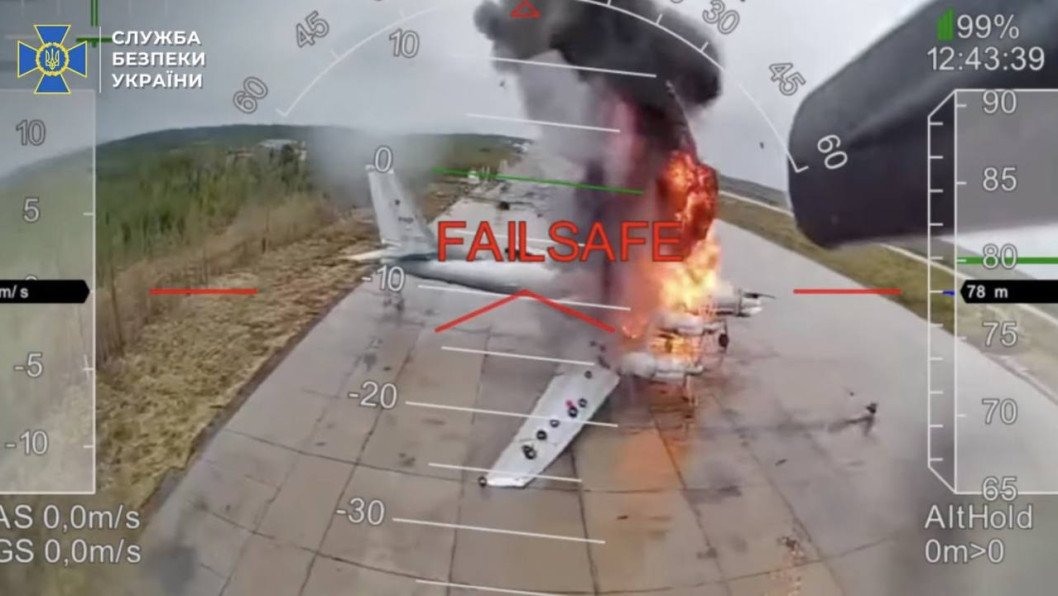
Unlike the Soviet-era aircraft stationed at Cam Ranh, the Tu-95MS bombers now deployed to Vietnam are strategic cruise missile carriers. Russia has repeatedly used the same aircraft type to launch conventional Kh-101 cruise missiles against Ukraine.
The latest deployment follows reports that Russia had concentrated 47 nuclear-capable strategic bombers, including 37 Tu-95MS and 10 Tu-160 aircraft, at Ukrainka Air Base in its Far East.
Russia has also previously explored opportunities to expand its military aviation presence elsewhere in Southeast Asia. In 2017, Tu-95MS bombers operated from Indonesia’s Biak Island, while subsequent reports suggested Moscow had shown interest in securing access to an Indonesian airbase.
Discuss this article: