- Category
- World
Russia’s Warships Are Being “Worked to Death” Protecting Putin’s Shadow Fleet, NATO Says
 Prefer U24 Media on Google
- Authors


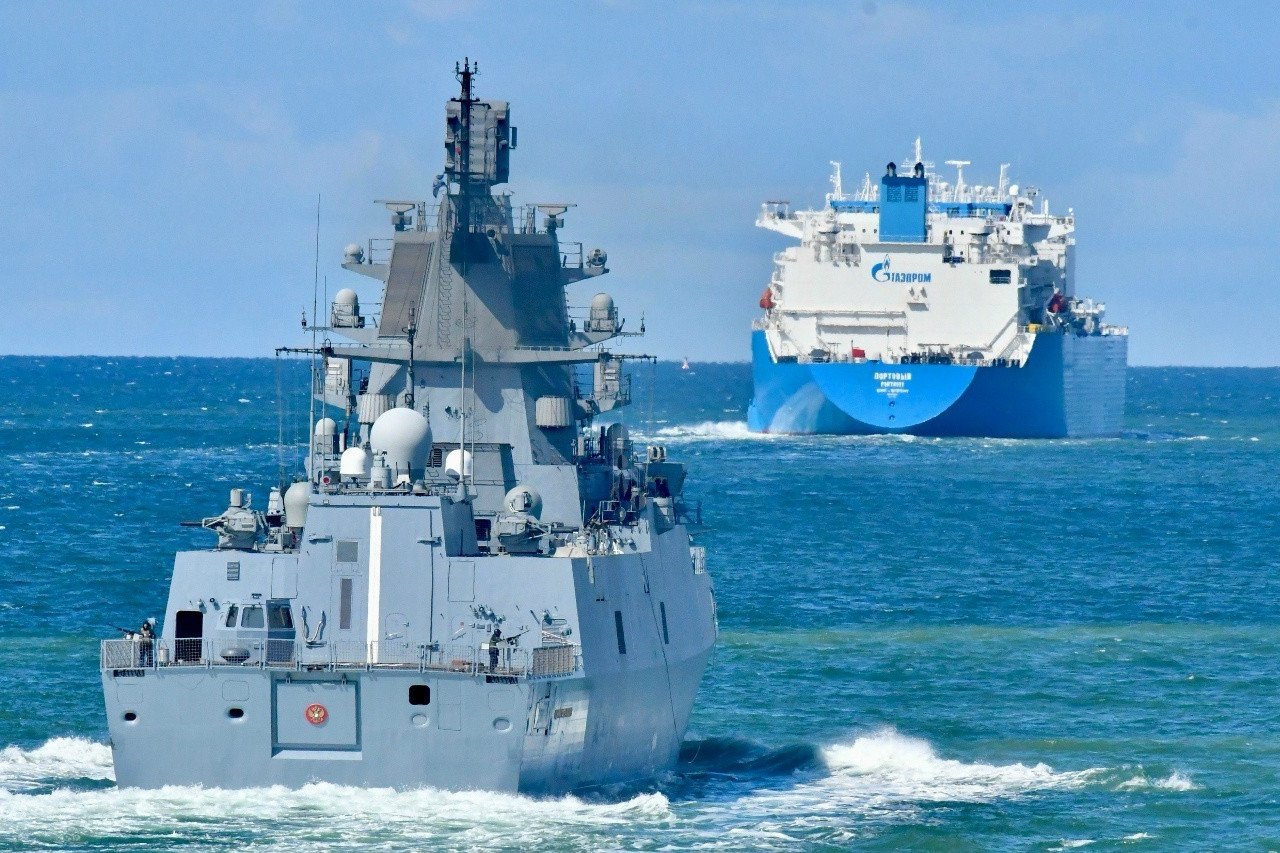
Russian warships are being pushed to their operational limits as Moscow increasingly relies on its navy to protect hundreds of sanctioned oil tankers, forcing vessels to remain at sea long after they should have returned for essential maintenance, NATO officials told the Daily Mail on November 18.
The growing pressure comes as NATO expands its naval presence in the Baltic Sea, where allied warships now reportedly outnumber Russian vessels by almost 10 to one.
We bring you stories from the ground. Your support keeps our team in the field.
According to defense officials, Russia’s shrinking Baltic Fleet is being forced to extend deployments and postpone critical repairs and modernization work to escort the Kremlin’s shadow fleet of oil tankers, which helps finance Russia’s war against Ukraine.
The prolonged deployments are also reportedly affecting morale among Russian sailors, with NATO sources suggesting that crews are struggling under the pressure of increasingly demanding missions.
“Russia doesn’t really seem like a global navy anymore. They’re operating much closer to their own shores,” a NATO official told the Daily Mail.
🚨🚨🚨 Russian Navy frigate 🇷🇺 ADMIRAL GOLOVKO (456) reportedly took over escort duties from corvette 🇷🇺 STOIKIY (545) in the Skagerrak on November 8.
— Russian Forces Spotter (@TiaFarris10) November 10, 2026
The second convoy to depart Baltiysk, which left on November 5, consists of three sanctioned Russian cargo vessels linked to… pic.twitter.com/WhVIGakz8p
The official described the deteriorating condition of Russian warships, warning that the navy is operating vessels well beyond their scheduled maintenance periods.
“Their warships are being worked pretty close to death. They are past the point where they need to bring them back for repairs and modernisation. I can’t imagine morale is very high on any Russian ships right now when they’re spending this much time at sea,” the official said.
NATO countries have already seized 13 tankers associated with Russia’s shadow fleet, which is used to transport sanctioned oil and has also been linked to shipments of weapons supporting Moscow’s military operations.
Russian leader Vladimir Putin is believed to have more than 700 civilian vessels operating within the shadow fleet, many of which attempt to conceal their identities by sailing under foreign flags.

The fleet also reportedly includes suspected Russian intelligence-gathering vessels such as Yantar, which Western officials have accused of attempting to locate and sabotage critical undersea cables near the United Kingdom.
Intelligence experts have additionally alleged that Russia is using some of its larger oil tankers as platforms for launching drones.
As Western countries increase efforts to intercept sanctioned vessels, Russia has begun redirecting some tankers along routes west of Ireland to avoid the English Channel, where they could face detention.
🚨🚨🚨 Russian Baltic Fleet corvette 🇷🇺 STOYKIY has been escorting successive Russian cargo convoys out of the Baltic Sea.
— Russian Forces Spotter (@TiaFarris10) November 9, 2026
After accompanying ASCALON and ANASTASIIA through the 🇩🇰 Danish Straits earlier this month, STOYKIY turned back into the Baltic Sea before heading out… pic.twitter.com/xmdUwilyws
However, Russian vessels continuing to use the narrow shipping corridor are now reportedly receiving protection from the frigate Neustrashimy, which has been operating in the North Sea.
The ship’s extended deployment has reportedly required increasingly hazardous refueling and resupply operations at sea.
According to sources cited by the Daily Mail, the frigate recently collided with a Russian oil replenishment vessel during one such operation in the North Sea. Both ships reportedly sustained minor damage.
The incident has added to concerns among NATO officials that Russia’s efforts to protect its shadow fleet are placing growing strain on an already overstretched navy.
“The more time you spend at sea the more maintenance you need. And if you keep delaying that maintenance it just gets worse and worse. It’s a catch-22 situation which is compounding for them,” a NATO source explained.
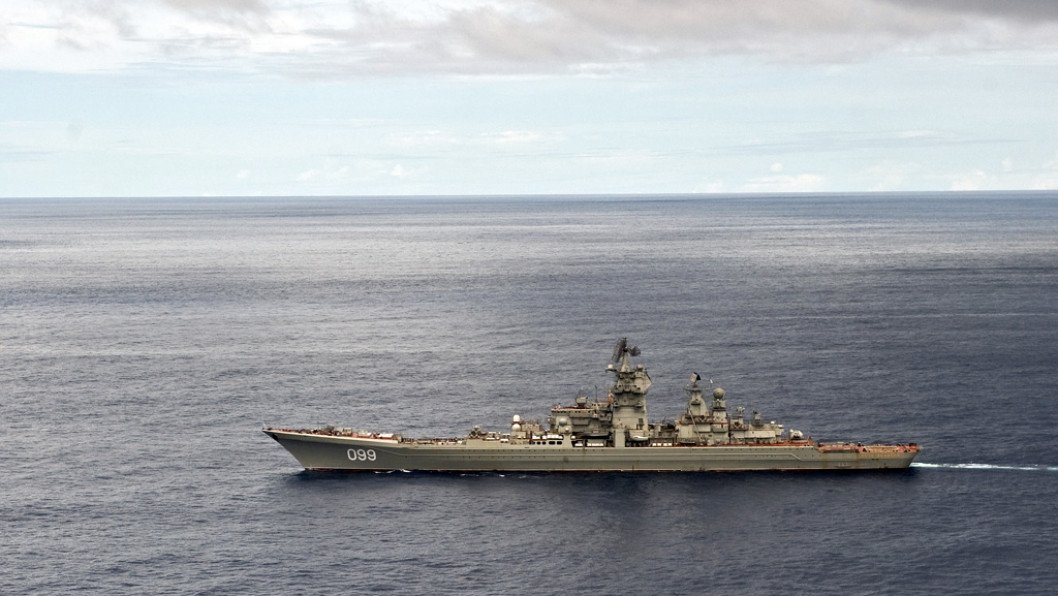
The pressure is particularly evident in the Baltic Sea, where the alliance has expanded its presence under Operation Baltic Sentry.
“The coverage we have in the Baltic is significant. We have over 30 allied vessels taking part in Baltic Sentry. The Russians have about four there today. That’s quite the ratio. It’s almost 10-to-one,” the source added.
NATO's efforts to disrupt Russia’s shadow fleet have also involved direct action against sanctioned vessels.
In June, British Royal Marines boarded and seized the Russian tanker Smyrtos in the English Channel, marking the first direct British operation against the shadow fleet.
The growing naval confrontation comes amid a substantial increase in Russian vessel activity around the United Kingdom.
Earlier, reports indicated that the number of Russian ships operating in waters near Britain rose by 41% during the first nine months of 2026 compared with the same period in 2025.
With NATO maintaining a substantial numerical advantage in the Baltic and Russia continuing to escort sanctioned tankers, officials warn that Moscow’s naval forces face a mounting maintenance burden that could become increasingly difficult to sustain.
Discuss this article: